 admin
admin China is a land of staggering beauty, a vast canvas painted with landscapes that range from the ethereal to the awe-inspiring. For any traveler, the sheer scale and number of options can be overwhelming. How do you choose from thousands of years of history and millions of square miles of natural wonder? The core challenge isn't finding scenic attractions in China—it's identifying the truly unmissable ones that align with your travel dreams, whether you seek serene natural beauty, profound cultural immersion, or breathtaking physical adventure.
This guide is crafted to cut through the noise. We’ve curated a selection of China's top scenic attractions, focusing on those that offer not just a view, but an experience. Drawing on insights from leading travel anthropologists and annual tourism reports from the China National Tourism Administration, this list prioritizes destinations with enduring appeal and authentic cultural significance.
The Iconic Natural Wonders
These landscapes define China's postcard image and offer some of the most powerful encounters with nature on the planet.
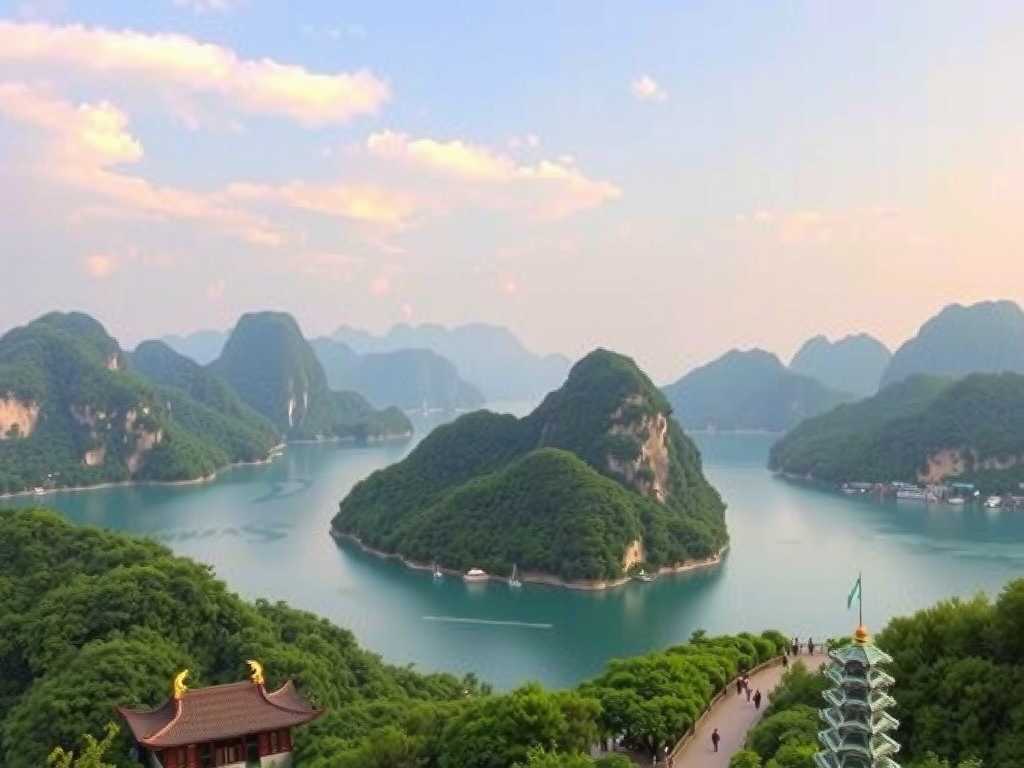
The Li River and Karst Peaks of Guilin The journey from Guilin to Yangshuo along the Li River is often cited as the quintessential Chinese landscape painting come to life. The serene water mirrors the otherworldly karst limestone peaks that rise abruptly from the ground, shrouded in mist. It’s a scene of profound tranquility. As noted by geographer Dr. Wei Zhang in Asian Landform Studies, "The Guilin karst is a masterclass in geological sculpture, offering a visual harmony between water and stone that is unparalleled." For the best experience, take a leisurely bamboo raft cruise. The key is to go beyond the main river; explore the smaller tributaries like the Yulong River for a more intimate and peaceful encounter with the scenery.
Zhangjiajie National Forest Park Imagine a forest of stone pillars, some over 1,000 meters tall, draped in lush greenery and often piercing through a layer of clouds. This is Zhangjiajie, the inspiration for the floating Hallelujah Mountains in the film Avatar. The park's unique quartz-sandstone formations create a labyrinth of deep canyons, natural bridges, and panoramic viewpoints. The recently opened Glass Bridge offers a thrilling, transparent walk over a 300-meter drop, while the Bailong Elevator—an engineering marvel built into the cliff face—provides rapid access to the most spectacular vistas. Allocate at least two days here; the park is massive and its beauty changes dramatically with the weather.
Jiuzhaigou Valley Located in Sichuan province, Jiuzhaigou is a fairy-tale world of multicolored lakes, cascading waterfalls, and snow-capped peaks. The water here is unbelievably clear and takes on stunning shades of turquoise, emerald, and sapphire due to mineral deposits and aquatic plant life. Attractions like Five-Flower Lake and Pearl Shoal Waterfall look almost surreal in their perfection. The valley is a UNESCO World Heritage Site and a designated biosphere reserve, with strict conservation measures ensuring its pristine condition. Visit in autumn when the golden and crimson foliage contrasts spectacularly with the vibrant blue waters.
Cultural Landscapes Steeped in History
In China, human history and natural scenery are deeply intertwined. These sites offer breathtaking views layered with millennia of cultural narrative.
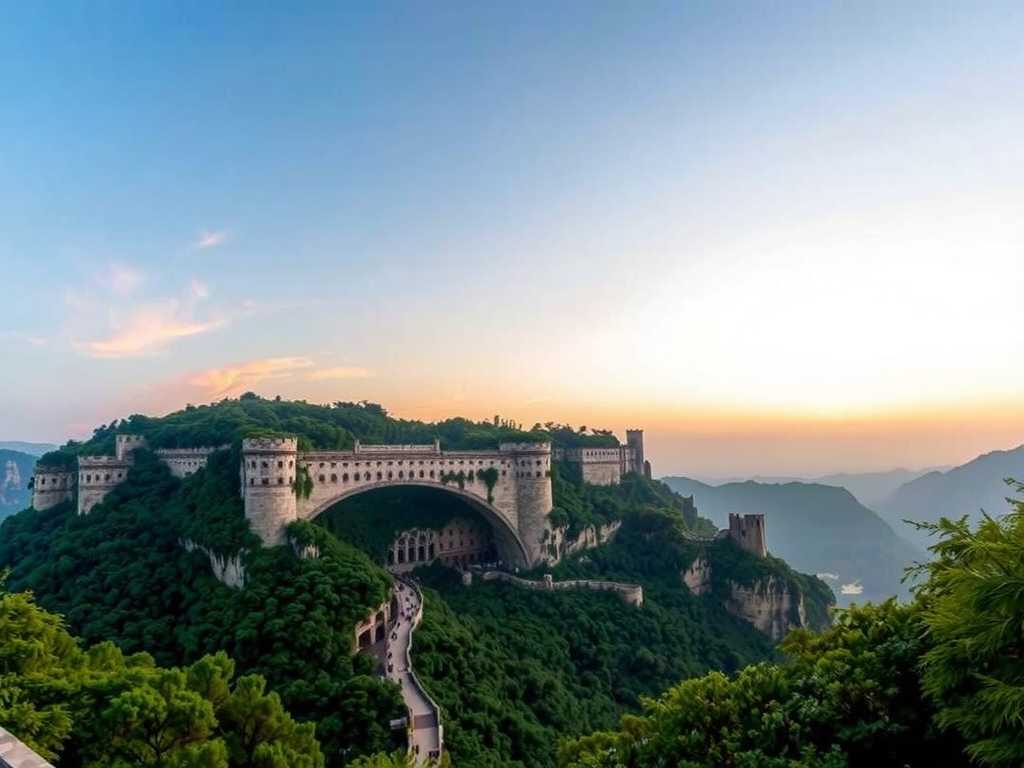
The Great Wall Winding Through Mountains While the Great Wall is a historical monument, its scenic power is undeniable. Seeing this ancient dragon snake across rugged mountain ridges is a humbling experience. For the best scenic combination, skip the crowded sections near Beijing like Badaling. Instead, head to Jinshanling or Mutianyu. These sections offer magnificent, rolling views of the wall following the dramatic contours of the hills, with far fewer visitors. Hiking from Jinshanling to Simatai provides a full-day immersion in both the grandeur of the construction and the untamed beauty of the surrounding landscape.
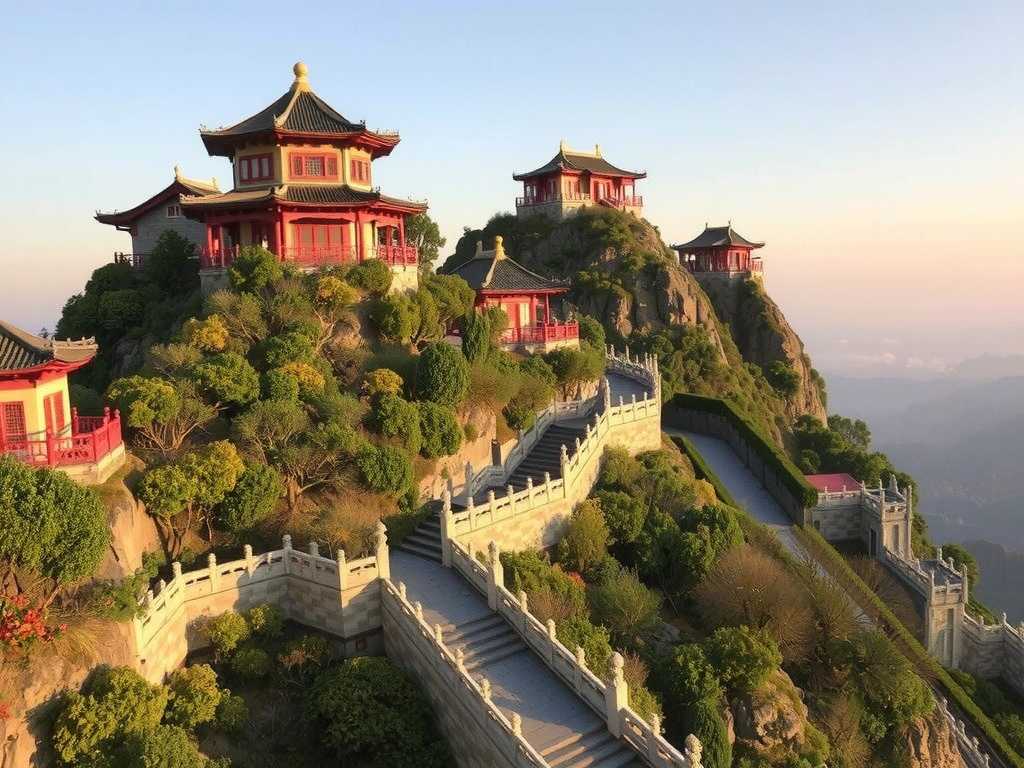
The Yellow Mountains (Huangshan) More than just a mountain range, Huangshan is the archetype of classical Chinese art and poetry. Its iconic features—granite peaks emerging from a "sea of clouds," peculiarly shaped pine trees clinging to the rocks, and hot springs—have been celebrated for centuries. A sunrise from the summit, watching the clouds swirl around the granite spires, is a truly spiritual moment. The area's trails and steps are well-maintained, but visiting requires good fitness. As travel writer and China expert Simon Foster advises, "Stay overnight at the summit hotel. This allows you to experience the magical sunset and sunrise, avoiding the daytime crowds that arrive via cable car."
The Li River Crook at Yangshuo While the Li River cruise ends here, Yangshuo deserves its own focus. The town itself is lively, but its magic lies in the surrounding countryside. Rent a bicycle or an electric scooter and explore the flat paths that weave through rice paddies, past water buffalo, and directly towards those iconic karst peaks. Take a cooking class in a local village, or try rock climbing on the limestone cliffs. At night, the Impression Sanjie Liu light show, directed by Zhang Yimou and set on the Li River itself, uses the natural karst backdrop as its stage—a perfect fusion of scenery and performance art.
The Vast and The Remote
For those seeking solitude and scale, China's western and northern frontiers offer landscapes that feel otherworldly.
The Rainbow Mountains of Zhangye Danxia This geological park in Gansu province looks like a layered cake painted by an abstract artist. The "rainbow" stripes of red, yellow, green, and blue are the result of mineral deposits and sandstone being compressed and oxidized over 24 million years. The best time to view the colors is in the late afternoon when the low sun enhances the contrast and vibrancy. The viewing platforms are connected by shuttle buses, making it accessible. The surrounding arid landscape adds to the feeling of being on another planet.
The Potala Palace Against the Lhasa Skyline While not a natural formation, the awe-inspiring sight of the Potala Palace rising from Red Hill in Lhasa is a monumental scenic and spiritual highlight. This 13-story fortress, the former winter home of the Dalai Lamas, dominates the skyline against the deep blue Tibetan sky. The contrast of its white and red walls with the stark mountain backdrop is unforgettable. Visiting requires acclimatization to the 3,700-meter altitude and respect for its profound religious significance. The interior, with its countless chapels, tombs, and artifacts, is as breathtaking as the exterior view.
Kanas Lake in Xinjiang Tucked in the Altai Mountains near China's border with Kazakhstan and Mongolia, Kanas Lake is a alpine gem often called "China's Switzerland." Its waters mysteriously change color from azure to emerald to a deep grey throughout the year. The area is home to the Tuva ethnic minority and legends of a large "lake monster." Hiking trails lead through pristine forests of larch and spruce to viewpoints overlooking the lake's dramatic bends. It's a destination for true travelers, offering a serene and powerful connection with nature far from the bustling eastern cities.
What is the best time of year to visit these scenic spots in China? Spring (April-May) and Autumn (September-October) are generally ideal nationwide, offering mild weather and beautiful natural colors. However, specific destinations have unique sweet spots: Jiuzhaigou is most stunning in autumn, the Yellow Mountains are famous for winter snowscapes, and northern sites like the Great Wall are best in spring or fall to avoid summer heat and winter cold.
Are these attractions suitable for families with young children or travelers with limited mobility? Accessibility varies. Destinations like the Li River cruise, Zhangye Danxia (with shuttle buses), and parts of the Mutianyu Great Wall (with cable car) are quite manageable. However, sites like Huangshan, Zhangjiajie, and Jiuzhaigou involve significant walking, many steps, and altitude changes, which can be challenging. Always research specific park routes and transport options within each site.
How can I avoid the biggest crowds at these popular places? Two strategies are key: timing and location. Visit during shoulder seasons (late spring/early fall) on weekdays. For iconic sites, arrive right at opening time or later in the afternoon. Furthermore, choose less-famous sections of major attractions—like Jinshanling over Badaling for the Great Wall, or staying in Xingping instead of Yangshuo for the Li River scenery. This often leads to a more peaceful and personal experience.
From the poetic mountains that have inspired artists for a millennium to the vibrant, surreal colors of its remote geological parks, China's scenic attractions offer a journey through both space and time. The true magic lies in finding the balance between the iconic and the personal—standing before a world-famous vista, then turning down a quiet path to discover your own private view. By focusing on these destinations that blend natural grandeur with deep cultural resonance, your trip will move beyond simple sightseeing to become a collection of lasting, profound impressions. Let the landscape guide you, and you'll find that China's greatest scenery is not just something you see, but something you feel.


发表评论