 admin
admin China’s Top 10 Scenic Attractions: Explore the Soul of a Vast Land
Planning a trip to China can feel overwhelming. With a territory so vast and a history spanning millennia, how do you choose where to go? The fear of missing out on truly iconic experiences is real for every traveler. This guide cuts through the noise, presenting the definitive list of China’s top 10 scenic attractions. We’ve curated these destinations based on unparalleled natural beauty, profound cultural significance, and their power to leave visitors in awe. Forget the confusion; your journey to explore the essence of China starts here.
The Great Wall: A Serpentine Marvel Across Mountains

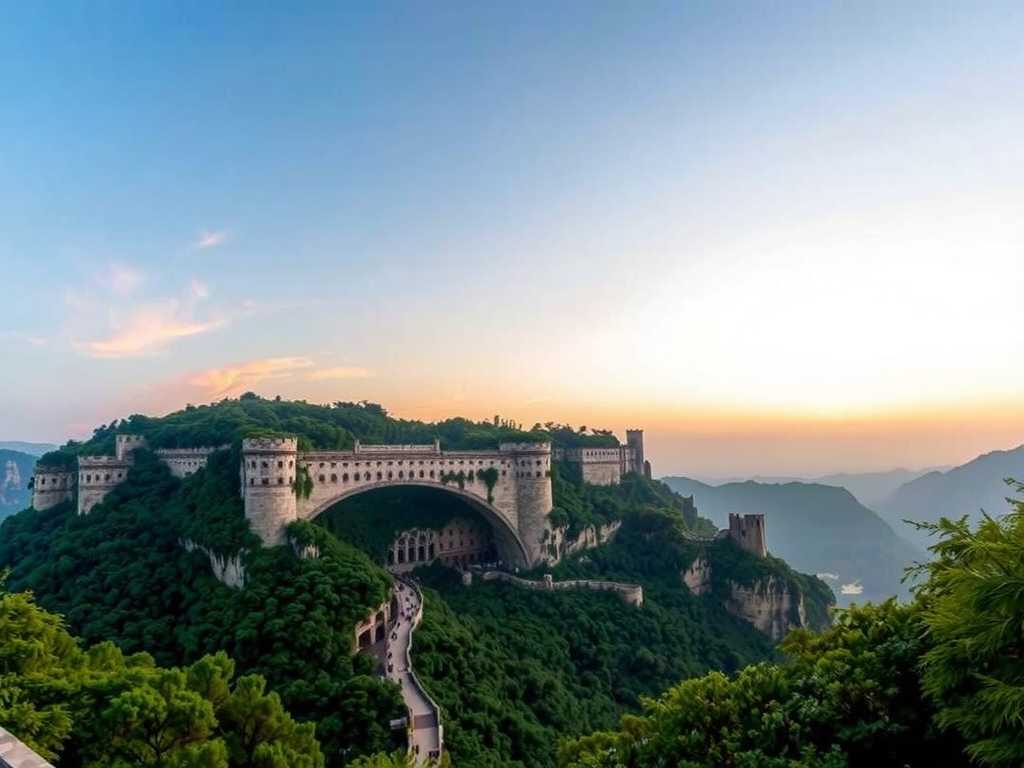
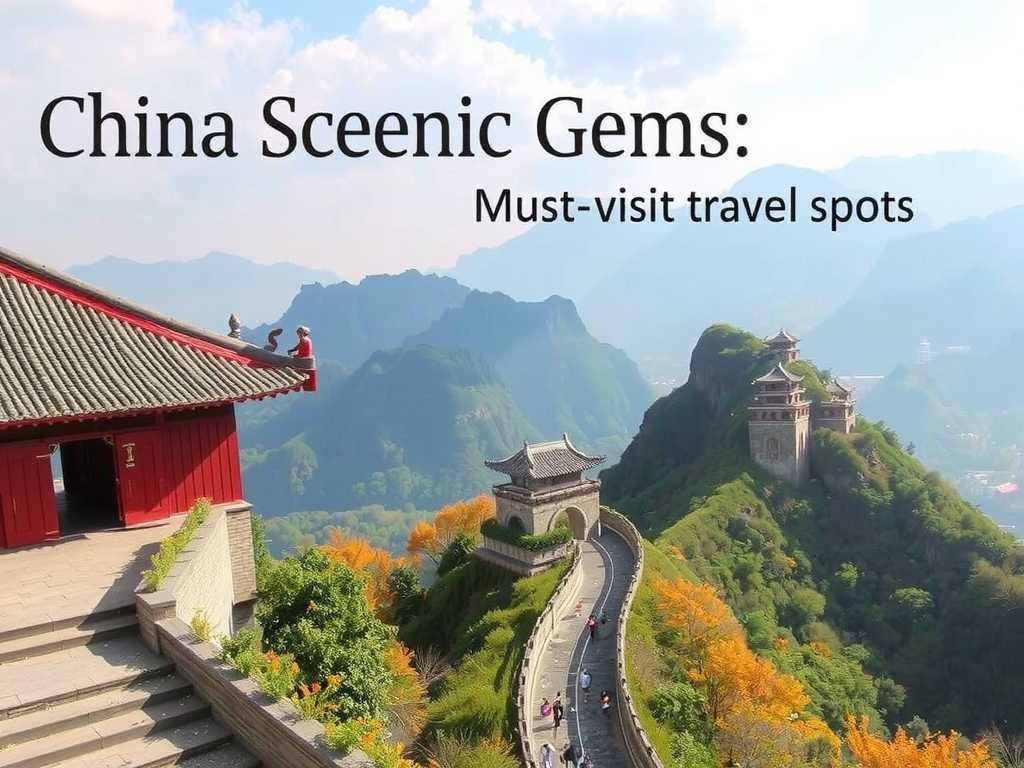
No list is complete without this ancient wonder. Stretching over 13,000 miles, the Great Wall is not just a wall but a symbol of perseverance. The best sections for scenic exploration are Mutianyu, with its forested peaks and restored battlements perfect for hiking, and Jinshanling, offering a more rugged and photogenic experience. Walking its spine, you touch history while gazing at rolling mountains that fade into the horizon—a truly humbling perspective on human ambition and nature’s scale.
The Li River & Karst Peaks of Guilin: A Painting Come to Life
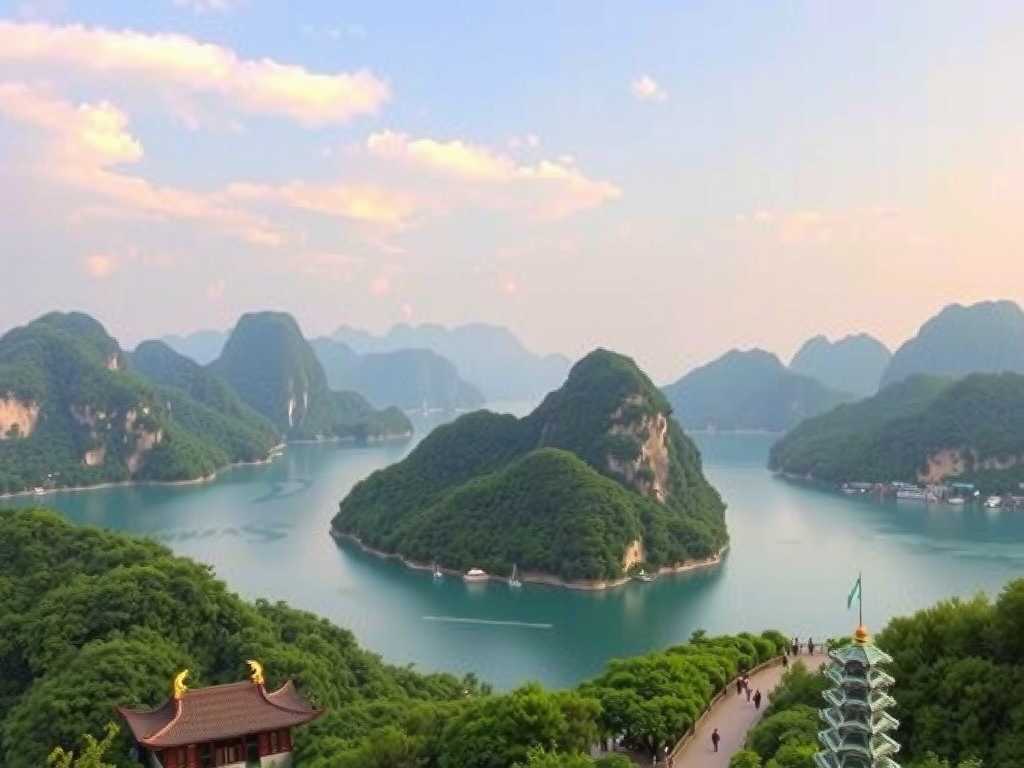
The landscape of Guilin and Yangshuo is the inspiration for countless Chinese scroll paintings. A Li River cruise is the quintessential way to explore this scenic masterpiece. As you drift down the serene water, surreal karst limestone peaks draped in greenery rise majestically from the riverbanks. It’s a serene, almost mystical experience. For an active adventure, rent a bicycle and ride through the countryside, passing rice paddies and local villages with these dramatic peaks as your constant backdrop.
The Forbidden City & Tiananmen Square: The Heart of Imperial Power
Located at the very center of Beijing, the Forbidden City is the world’s largest imperial palace complex. With 980 buildings and nearly a millennium of history as the home to Ming and Qing emperors, it is a staggering architectural achievement. Exploring its scenic grandeur means wandering through a sea of golden roofs, red walls, and ornate courtyards, each telling a story of power, ritual, and tradition. The vastness of Tiananmen Square at its entrance completes this imposing tableau of China’s historical and political core.
The Terracotta Army in Xi’an: An Underground Empire
Discovered by farmers in 1974, the Terracotta Army is one of the greatest archaeological finds of the 20th century. This vast collection of life-sized, meticulously detailed clay soldiers, chariots, and horses was built to guard China’s First Emperor, Qin Shi Huang, in the afterlife. Standing before the excavated pits, you witness thousands of unique faces—an entire army frozen in time. It’s not a traditional “scenic” view, but the spectacle is profoundly moving and offers an unparalleled window into ancient Chinese belief and craftsmanship.
The Potala Palace in Lhasa: A Palace in the Sky
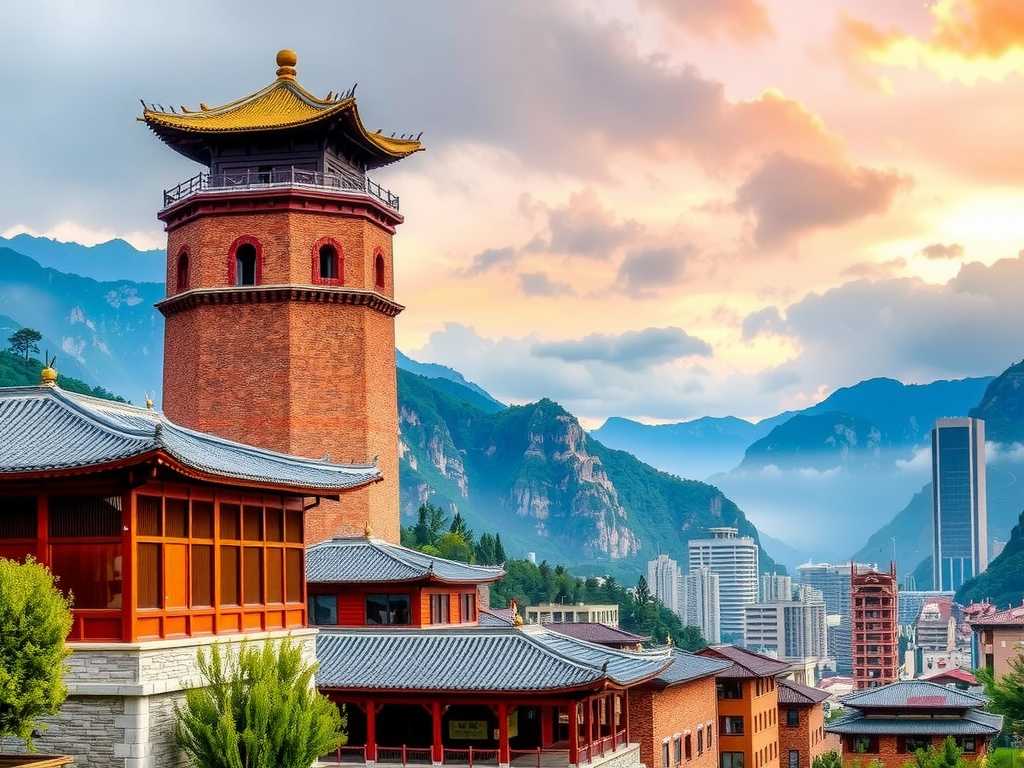
Perched atop Marpo Ri hill at an altitude of 12,000 feet, the Potala Palace dominates the skyline of Lhasa, Tibet. This colossal structure, once the winter palace of the Dalai Lama, is a breathtaking fusion of architectural might and spiritual significance. Its white and red walls seem to grow from the rock itself. The climb up its many steps is a pilgrimage in itself, rewarded with awe-inspiring views of the city and the surrounding Himalayas. The interior, filled with sacred chapels, tombs, and countless artifacts, is equally magnificent.
Zhangjiajie National Forest Park: Avatar’s Floating Mountains
The towering, quartz-sandstone pillars of Zhangjiajie in Hunan province seem to defy gravity. Often shrouded in mist, these otherworldly formations inspired the floating Hallelujah Mountains in the film Avatar. Exploring this scenic wonderland involves riding the world’s highest outdoor elevator (Bailong Elevator), walking the thrilling glass-bottomed skywalks clinging to cliff faces, and hiking trails that weave through a forest of stone. The views from the mountain tops, looking over a sea of peaks, are nothing short of surreal.

The Yellow Mountains (Huangshan): The Legendary Peaks of Mist and Pine
Huangshan is the quintessential Chinese mountain of poetry and art. Famous for its four wonders—grotesquely shaped granite peaks, hot springs, seas of cloud, and hardy, twisted pine trees—it offers a constantly changing landscape. A predawn hike to catch the sunrise above the clouds is a ritual for visitors. The light plays magically on the rocks and pines, creating a scene that feels both dramatic and deeply peaceful. It’s a challenging but rewarding scenic attraction that captures the philosophical heart of nature in China.
West Lake in Hangzhou: A Poetic Masterpiece of Garden Design
Celebrated for centuries by poets and artists, West Lake is a masterpiece of classical Chinese landscape design. More than just a lake, it’s a carefully composed scene of causeways, pagodas, temples, gardens, and artificial islands. The beauty lies in its subtlety and harmony. The best way to explore is on foot or by bicycle, following the Su and Bai Causeways, visiting the Lingyin Temple, and simply sitting by the water to watch the willows sway. Each season offers a different charm, from spring blossoms to the “melting snow on broken bridge” in winter.
Jiuzhaigou Valley: A Symphony of Colorful Lakes and Waterfalls
Located in Sichuan province, Jiuzhaigou Valley is a UNESCO site that looks like a fantasy. Its crystal-clear, turquoise and emerald lakes are fed by mineral-rich waters and connected by a series of multi-level waterfalls and streams. The colors are astonishingly vivid, especially in autumn when the surrounding forests explode in gold and red. Wooden boardwalks allow visitors to explore this scenic paradise with minimal environmental impact, making it a pristine and unforgettable encounter with nature’s artistry.
The Bund & Shanghai Skyline: A Duel of Eras
For a completely different but equally essential Chinese vista, head to The Bund in Shanghai. This famous waterfront promenade offers a stunning visual dialogue between history and the future. On one side, you see a line of grand, early 20th-century European-style buildings. Directly across the Huangpu River, the futuristic skyscrapers of Pudong, including the iconic Oriental Pearl Tower and Shanghai Tower, pierce the sky. The view, especially at night when both sides are brilliantly illuminated, is a powerful symbol of China’s rapid transformation and cosmopolitan energy.
What is the best time of year to visit these scenic attractions in China? Spring (April-May) and autumn (September-October) are generally the most pleasant nationwide, with mild temperatures and beautiful natural scenery. However, consider regional variations: summer is ideal for Tibet and high-altitude areas like Jiuzhaigou, while winter offers stunning snowy views on the Yellow Mountains and fewer crowds at the Great Wall.
How many days should I budget to explore these top attractions? China is vast, so covering all ten would require a minimum of 3-4 weeks. A more practical approach is to focus on one or two regions. For example, allocate 5-7 days for Beijing (Great Wall, Forbidden City) and Xi’an (Terracotta Army), or 7-10 days for a scenic tour of Shanghai, Hangzhou, and the Yellow Mountains.
Is it difficult for foreign tourists to travel between these sites? Major cities like Beijing, Shanghai, Xi’an, and Guilin are well-connected by efficient high-speed trains and domestic flights, making travel relatively straightforward. Booking tickets in advance, especially during holidays, is crucial. For remote areas like Zhangjiajie, Jiuzhaigou, or Tibet, joining a guided tour or hiring a private driver can significantly simplify logistics and enhance the experience.
From the ancient stone of the Great Wall to the futuristic glass of Shanghai, China’s top scenic attractions offer a journey through time, culture, and some of the planet’s most breathtaking landscapes. Each destination provides a unique piece of the puzzle that is China—a country where profound history and dynamic modernity exist side by side. Whether you seek spiritual awe, historical insight, or natural wonder, this list provides the foundation for an unforgettable exploration. Start planning, and prepare to have your perception of scale and beauty forever expanded.
发表评论