 admin
admin Discover the Scenic Beauty of China: Your Ultimate Travel Guide
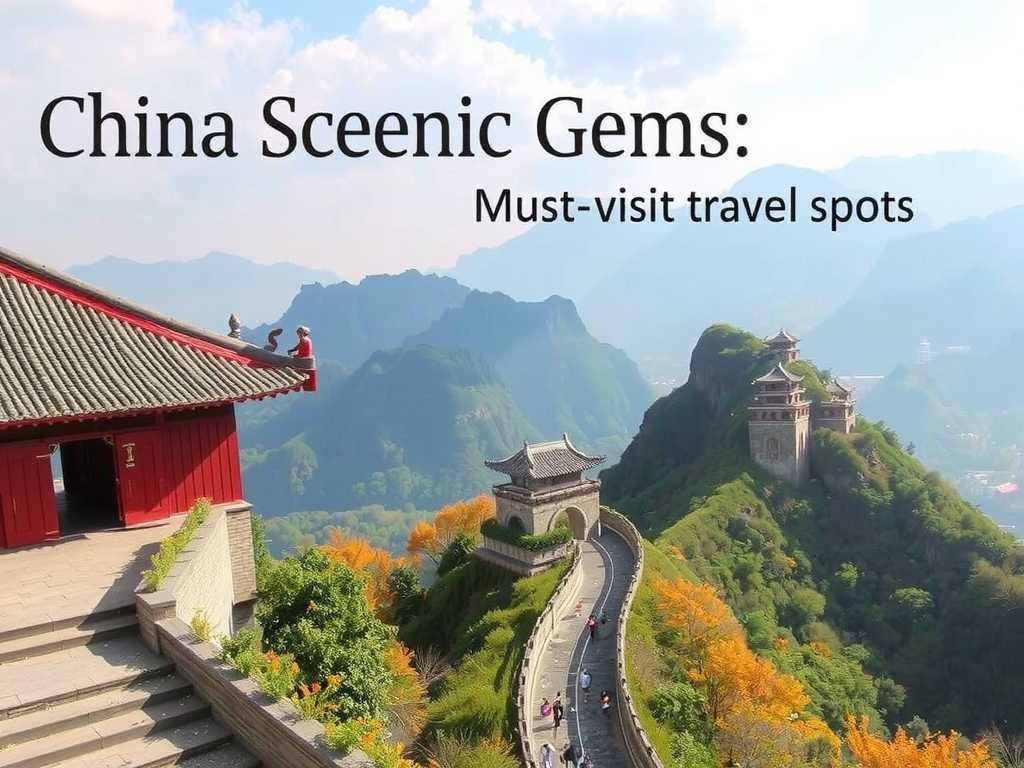
Planning a trip to China can feel overwhelming. With a landmass rivaling a continent and thousands of years of history, where do you even begin? Many travelers struggle to move beyond the well-trodden path of major cities, missing out on the profound and diverse scenic beauty that truly defines this ancient civilization. This guide is designed to solve that exact problem. We will navigate beyond the postcard images, offering a structured and insightful journey to help you discover the scenic beauty of China in all its breathtaking forms—from jagged mountain peaks and serene rivers to ancient villages and otherworldly landscapes.
Understanding China’s Geographical Tapestry
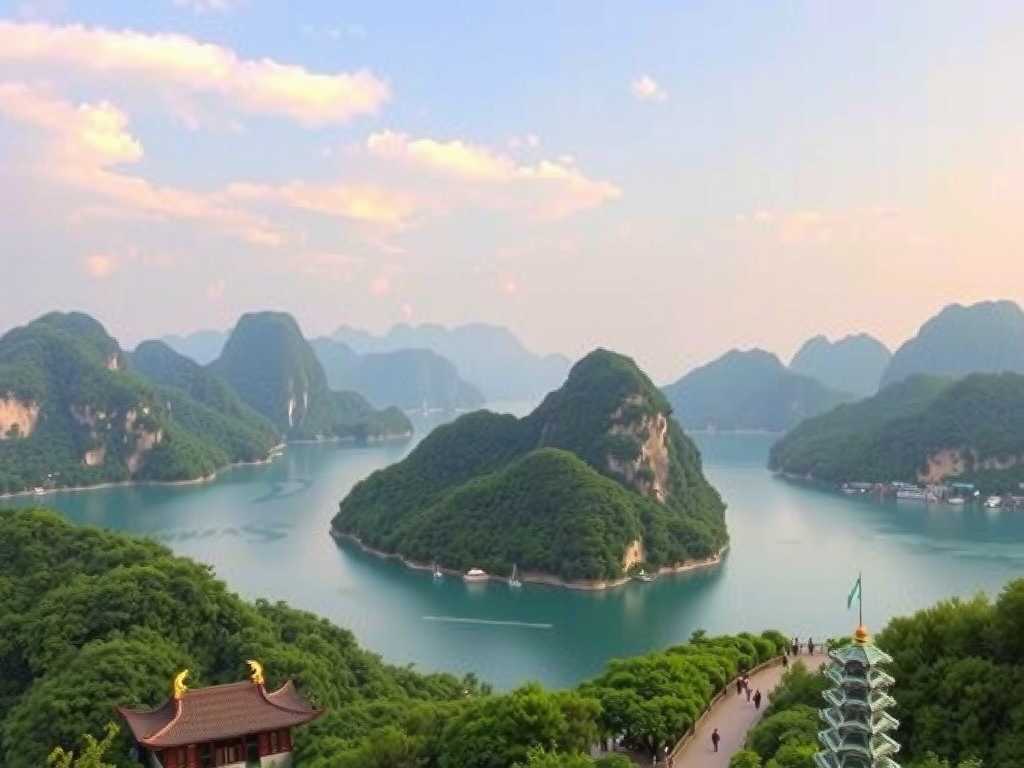
To truly appreciate China’s scenery, one must first understand its vast geographical canvas. The country’s terrain descends in three great steps from the high plateaus of the west to the coastal plains of the east. This dramatic variation creates distinct scenic regions, each with its own unique character and must-see destinations. As noted by the China National Tourism Administration, this diversity is a primary driver for international tourism, offering an unparalleled range of natural experiences within a single country.
The Majestic Peaks and Sacred Mountains
China’s relationship with mountains is deeply spiritual, rooted in both Daoist and Buddhist traditions. These aren’t just geological formations; they are considered pillars of the cosmos and places of profound energy.
-
The Avatar Mountains of Zhangjiajie Perhaps the most surreal landscape on earth, the Zhangjiajie National Forest Park in Hunan province seems plucked from a fantasy. Thousands of quartz-sandstone pillars, some over 200 meters tall, rise dramatically from the misty forest floor. The inspiration for the floating Hallelujah Mountains in the film Avatar, this UNESCO Global Geopark is best explored via its glass-bottomed skywalks, the Bailong Elevator built into a cliff face, and winding trails that offer perspectives you simply won’t find anywhere else.
-
The Pilgrimage of Huangshan Frequently cited in classical Chinese poetry and painting, Huangshan, or the Yellow Mountains, in Anhui province embodies the ideal of mountain beauty. Its iconic features—gnarled pine trees clinging to granite cliffs, seas of clouds that envelop the peaks, and naturally sculpted hot springs—create a constantly shifting, dreamlike panorama. A sunrise from one of its summits is more than a view; it’s a spiritual experience, a moment where nature and art become one.
Serene Waters: Rivers, Lakes, and Coastlines
Contrasting the rugged heights, China’s waterways offer a more tranquil, flowing form of beauty, serving as the lifeblood of its culture and agriculture.
-
The Li River Cruise from Guilin to Yangshuo This 83-kilometer stretch is the quintessential Chinese watercolor painting come to life. Limestone karst peaks draped in greenery rise vertically from the jade-green Li River, with water buffalo grazing in fields and fishermen using traditional cormorant birds. A leisurely cruise or bamboo raft ride here is a journey through timeless, pastoral beauty that has inspired artists for centuries.
-
The Expansive Beauty of Qinghai Lake On the Tibetan Plateau, Qinghai Lake is an inland sea of stunning blue, surrounded by golden油菜花 (rapeseed flower) fields in summer and snow-capped mountains. It’s a critical habitat for migratory birds and offers a sense of vast, open solitude that is both powerful and peaceful, showcasing a completely different facet of China’s scenic portfolio.
Cultural Landscapes Where Nature Meets History
Some of China’s most captivating scenery is a masterpiece co-created by humans and nature over millennia.
-
The Rice Terraces of Longsheng Near Guilin, the Longji (Dragon’s Backbone) Rice Terraces are a monumental feat of agricultural engineering. Carved into steep mountainsides by the Zhuang and Yao peoples over 500 years ago, these terraces ripple across the hills like enormous ribbons or scales of a dragon. Their appearance changes dramatically with the seasons—flooded and reflective in spring, emerald green in summer, golden in autumn, and dusted with snow in winter.
-
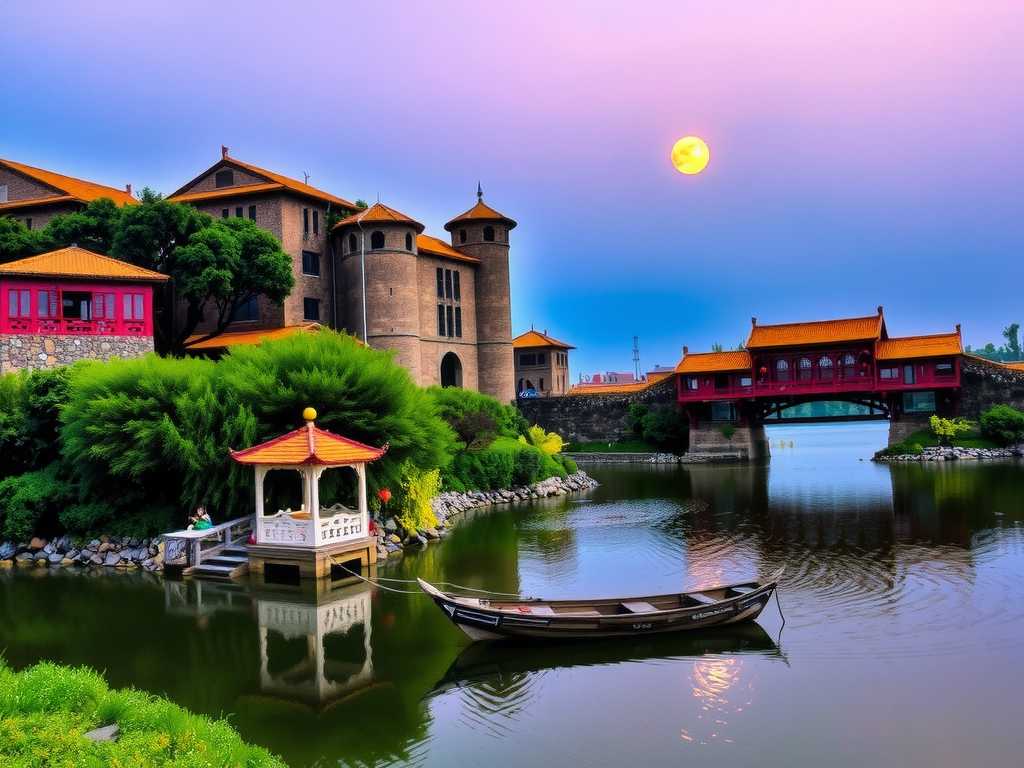
Ancient Water Towns like Zhouzhuang and Wuzhen In the Yangtze River Delta, a network of ancient canals, stone bridges, and white-walled houses with black-tiled roofs preserves the charm of old China. Gliding through the quiet waterways of Zhouzhuang or Wuzhen on a wooden boat, you witness a slower pace of life and an architectural harmony with the water that is profoundly scenic in its human-scale beauty.
The Untamed West: Plateaus, Deserts, and Gorges
For the adventurous soul, China’s western frontiers offer some of the planet’s most raw and dramatic landscapes.
-
The Rainbow Mountains of Zhangye Danxia Located in Gansu province, the Zhangye Danxia Landform Geological Park looks like an artist’s palette spilled over rolling hills. These striated mountains display vibrant bands of mineral-rich reds, yellows, oranges, and greens, best viewed at sunrise or sunset when the colors are most intense. It’s a powerful reminder of the earth’s geological artistry.
-
The Deep Cuts of the Tiger Leaping Gorge One of the world’s deepest and most spectacular river canyons, Tiger Leaping Gorge on the Jinsha River in Yunnan offers a premier hiking experience. The trail clings to the side of the gorge, with the snow-capped peaks of the Jade Dragon Snow Mountain towering above and the roaring river churning far below. It’s a challenging but immensely rewarding journey for active travelers.
Practical Tips for Discovering China’s Scenery
To make the most of your journey, consider these expert-backed tips. First, time your visit wisely. Research regional climates; autumn (September-October) often offers the clearest skies and most comfortable temperatures nationwide. Second, embrace sustainable travel. Stick to marked trails, support local homestays in rural areas, and follow all park regulations to help preserve these fragile ecosystems for future generations. As travel expert Li Wen often emphasizes, “The responsibility of the modern traveler is to leave only footprints of awe and take only photographs that inspire others to protect these places.”
Frequently Asked Questions
What is the most beautiful place in China? “Beauty” is subjective, but for a concentration of iconic, painterly landscapes, the Guilin and Zhangjiajie regions are unparalleled. Guilin offers serene, water-based karst scenery, while Zhangjiajie presents dramatic, towering pillar mountains. For cultural landscape beauty, the Longsheng Rice Terraces are a top contender.
Is it difficult to travel to these scenic areas independently? Accessibility varies. Destinations like Guilin, Huangshan, and Zhangye have well-developed tourist infrastructure with trains, airports, and English signs. More remote areas like parts of Tibet or deep gorges require more planning, permits, and often a guided tour. For first-time visitors to remote regions, a reputable local tour operator can simplify logistics immensely.
How can I avoid the crowds at these famous scenic spots? The key strategies are to travel during the shoulder seasons (April-May, September-October), avoid Chinese national holidays, and visit popular sites either very early in the morning or later in the afternoon. Also, research lesser-known alternatives; for example, instead of the most crowded section of the Li River, consider a raft trip on the quieter Yulong River nearby.
China’s scenic beauty is a profound narrative written in stone, water, and soil. It invites you to look beyond the iconic landmarks and immerse yourself in landscapes that have shaped philosophy, art, and life for millennia. From the silent majesty of a sacred peak to the vibrant stripes of a desert mountain, each vista offers a unique chapter in this story. With thoughtful planning and a spirit of respect, your journey to discover these wonders will become far more than a vacation—it will be a transformative dialogue with one of the world’s most visually spectacular and spiritually resonant lands.

发表评论