 admin
admin China’s Breathtaking Cultural Scenic Sites: A Journey Through Time and Landscape
Planning a trip to China can feel overwhelming. With so many famous landmarks and vast territories, how do you choose destinations that offer more than just a photo opportunity? Many travelers seek a deeper connection, places where awe-inspiring natural beauty is seamlessly woven with profound historical and cultural significance. This is where China’s breathtaking cultural scenic sites stand apart. These are not merely parks or monuments; they are living landscapes where human artistry and nature’s grandeur have collaborated for centuries, creating scenes of unparalleled beauty and meaning.
For the discerning explorer, these sites provide the ultimate answer, combining visual spectacle with a tangible sense of China’s ancient civilization. This guide will navigate you through some of the most magnificent examples, helping you plan a journey that feeds both the eyes and the soul.
The Philosophy Behind the Beauty: Harmony Between Man and Nature
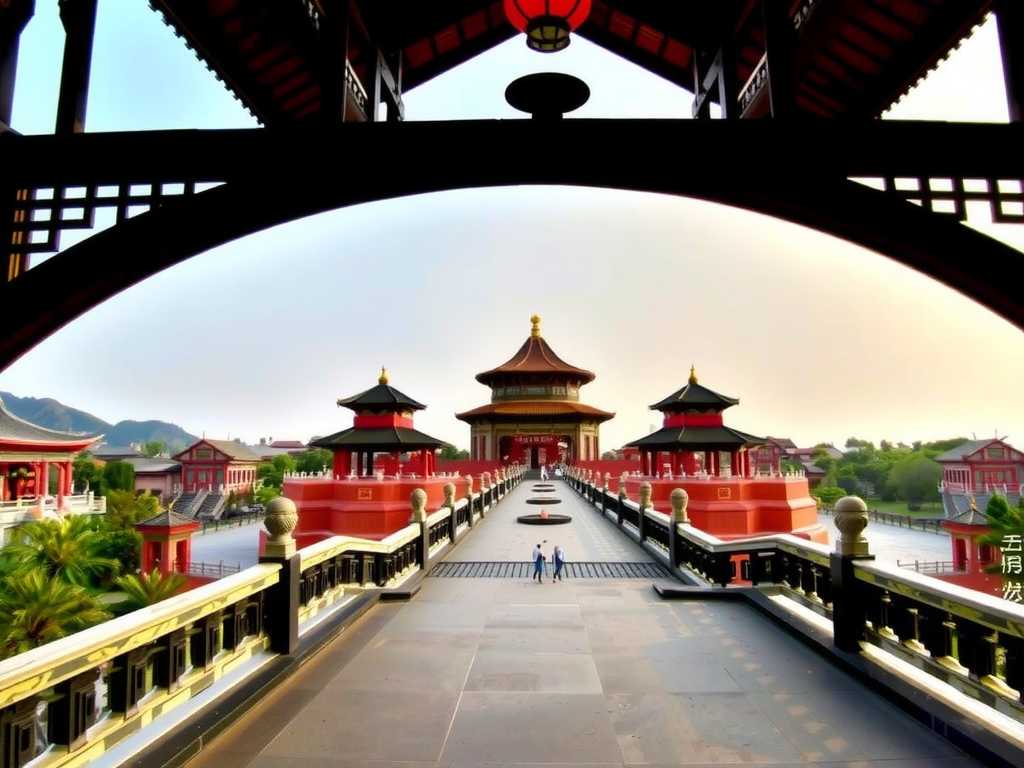
To truly appreciate China’s cultural scenic sites, one must understand the foundational concept of “Tian Ren He Yi,” or the harmony between heaven and humanity. Unlike landscapes that prioritize domination over nature, traditional Chinese gardening, architecture, and site planning emphasize integration. Pavilions, temples, and walkways are positioned not to disrupt, but to frame, complement, and converse with the existing mountains, waters, and forests.
This philosophy is deeply rooted in Confucian, Taoist, and Buddhist thought. The goal was to create environments for contemplation, scholarly pursuit, and spiritual enlightenment. As noted by cultural historian Dr. Li Wen in her study Landscapes of the Mind, “These sites are physical manifestations of a philosophical ideal. Every winding path, carefully placed rock, and window framing a distant peak is intentional, designed to guide the visitor’s experience and reflection.” This deliberate design transforms a beautiful place into a profound one.
Iconic Destinations: Where Culture Meets Scenery
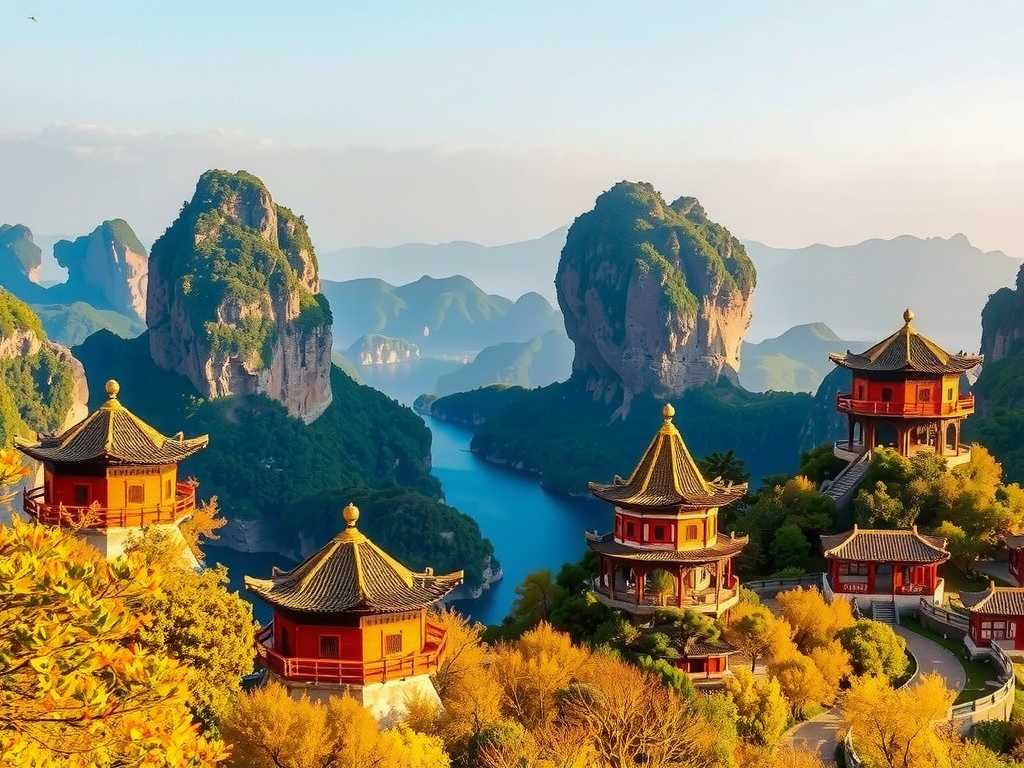
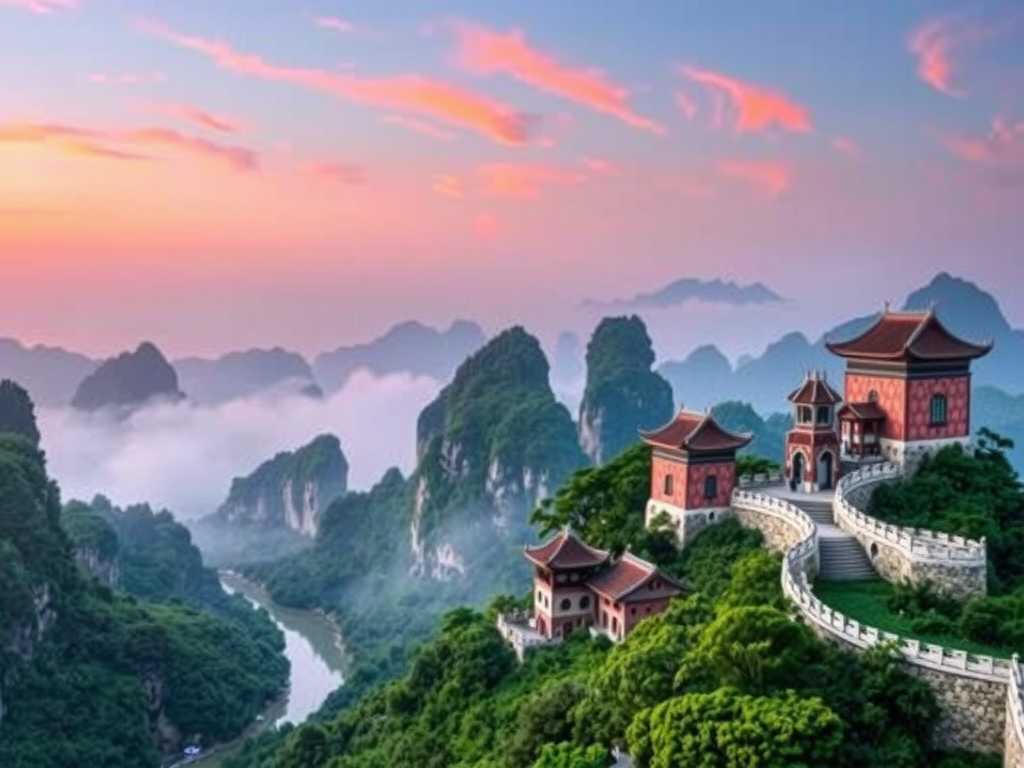
The Li River and Karst Peaks of Guilin The painterly landscape of Guilin and Yangshuo is arguably China’s most iconic scenic view. The serene Li River winds through a dreamscape of sheer karst limestone peaks, their reflections shimmering in the green water. This is nature’s masterpiece. However, the cultural layer is rich. For over a thousand years, poets and painters have journeyed here to capture its ethereal beauty, creating a vast canon of art and literature that defines classical Chinese aesthetics. A bamboo raft cruise isn’t just a scenic ride; it’s a voyage through a living scroll painting, following in the wake of ancient scholars.
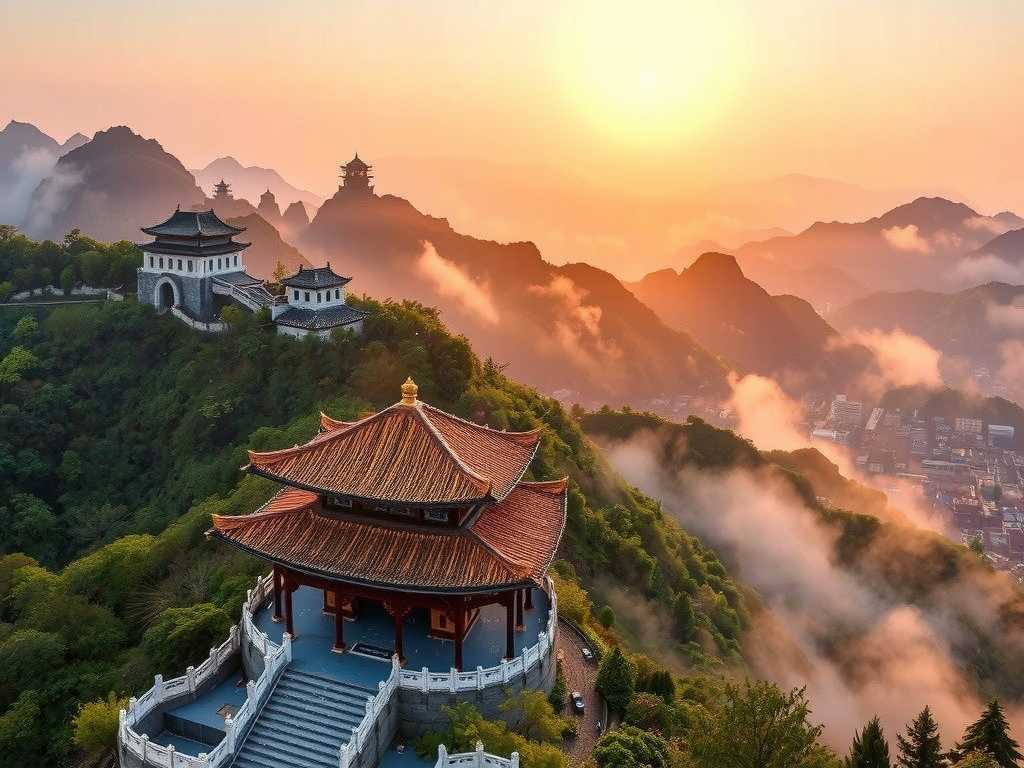
The Sacred Mount Tai (Taishan) As the eastern peak of China’s Five Great Mountains and a UNESCO World Heritage Site, Mount Tai is the paramount example of a cultural and natural fusion. For over 3,000 years, emperors made pilgrimages here to perform sacred rituals, believing it was a ladder to the heavens. The climb itself is a journey through history. You ascend the “Stairway to the Sky,” a steep path of over 7,000 stone steps flanked by ancient stone inscriptions, towering gates, and venerable temples like the Bixia Ci. Reaching the summit at dawn to witness the “Sea of Clouds” is a ritual that connects you to centuries of tradition, ambition, and spiritual seeking.
The West Lake Cultural Landscape of Hangzhou West Lake is a masterpiece of landscape garden design. While entirely man-made in its current form, it perfectly embodies the ideal of a cultivated, poetic landscape. Dikes, islands, pagodas (like the iconic Leifeng Pagoda), and arched bridges are artfully arranged to create “Ten Scenes” with evocative names like “Autumn Moon over the Calm Lake” and “Melting Snow on the Broken Bridge.” It’s a place for leisurely strolls, tea drinking, and pondering the verses of Bai Juyi and Su Dongpo, who governed here and contributed to its beauty. The site demonstrates how human intervention can elevate nature into a symbol of artistic and philosophical refinement.
The Mountain Resort of Chengde Escaping the Beijing summer heat, the Qing Dynasty emperors built a monumental retreat in Chengde. The Mountain Resort (Bishu Shanzhuang) is not just a palace; it’s a microcosm of the empire. Its vast gardens ingeniously incorporate lakes, plains, and mountain areas. More strikingly, its outer temples are a stunning architectural showcase, replicating styles from Tibet, Mongolia, and other regions, symbolizing the unity of a multi-ethnic empire. The Puning Temple, with its towering wooden statue of Guanyin, and the Putuo Zongcheng Temple, a miniature version of Lhasa’s Potala Palace, are breathtaking cultural scenic sites set against a dramatic mountain backdrop.
The Yellow Mountains (Huangshan) Famed for its “four wonders”—oddly-shaped pines, grotesque rock formations, seas of cloud, and hot springs—Huangshan’s beauty is legendary. Yet, its cultural imprint is equally deep. It has been a constant source of inspiration for Chinese shan shui (mountain-water) painting. The winding paths, stone steps, and viewing platforms are themselves feats of engineering that allow visitors to experience the mountains as the painters did. Staying in a summit hotel to catch the sunrise over a cloud ocean is to participate in a timeless tradition of seeking sublime beauty and perspective.
Lesser-Known Gems: Beyond the Guidebooks
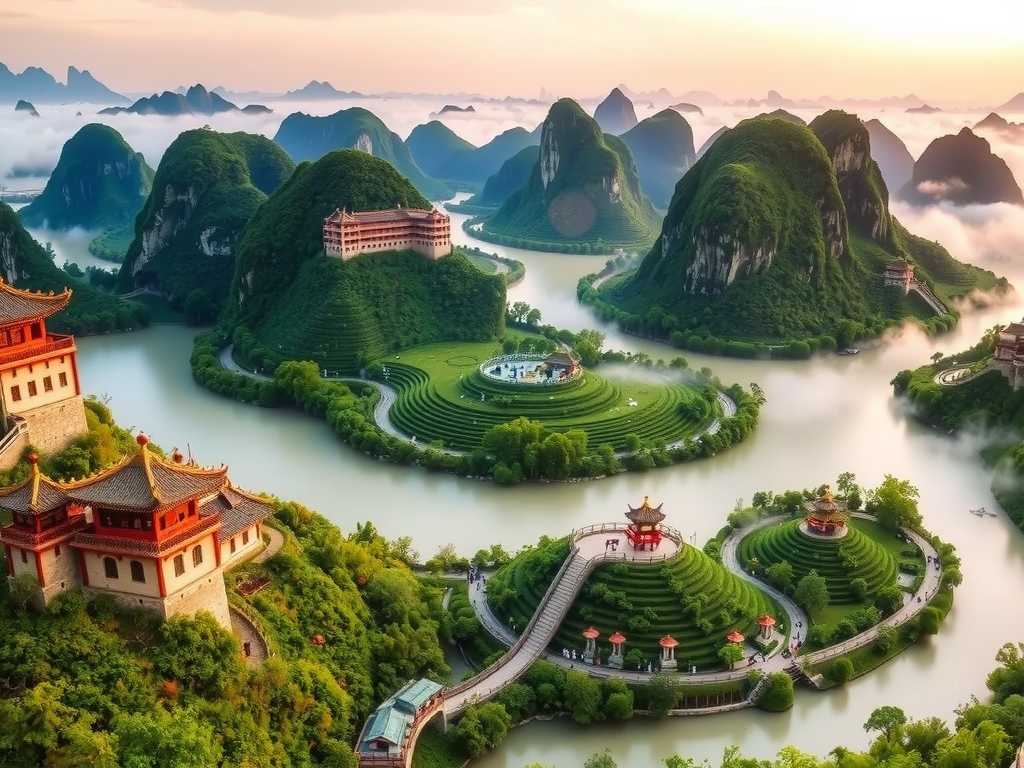
Longji Rice Terraces near Guilin While the Li River offers horizontal beauty, the Longji (Dragon’s Backbone) Rice Terraces present a vertical marvel. Carved into steep mountainsides over 500 years ago by the Zhuang and Yao ethnic minorities, these terraces ripple across the slopes like enormous scales. Visiting during the planting (water-filled mirrors) or harvest (golden waves) seasons offers a stunning vista of human ingenuity working in concert with the land’s contours. It’s a living cultural landscape where agriculture creates breathtaking art.
The Wuyi Mountains This UNESCO site is a biodiversity hotspot and the birthplace of Neo-Confucianism. Its dramatic red sandstone danxia landforms are cut by the serene Nine Bend River. A bamboo raft trip down the river is a serene journey past ancient cliff inscriptions and hanging coffins of the ancient Baiyue people. The area is also famed for producing Da Hong Pao tea, grown on the misty cliffs. Here, philosophy, history, ecology, and agriculture blend into a uniquely rich cultural scenic experience.
Integrating Your Visit: A Traveler’s Guide
To fully appreciate these sites, move beyond the checklist. Engage with the context: read a poem about West Lake before visiting, understand the imperial rituals of Mount Tai, or learn about the ethnic groups who built Longji. Hire a local guide at historical sites; their stories bring the stones to life. Time your visit thoughtfully—avoid national holidays for crowds, and research seasonal beauty (e.g., Huangshan in winter). Most importantly, allow time for stillness. Sit in a pavilion, watch the light change on the peaks, and let the harmony of the place sink in.
Frequently Asked Questions
What is the best time of year to visit these cultural scenic sites in China? Spring (April-May) and Autumn (September-October) are generally ideal nationwide, offering mild weather and vibrant natural colors. However, some sites have unique seasonal appeals, like the snow-covered vistas of Huangshan in winter or the water-filled Longji Terraces in late spring.
How can I visit these places responsibly and sustainably? Stick to marked paths to protect fragile ecosystems. Respect cultural norms—dress modestly at religious temples, speak softly in contemplative spaces. Carry out all trash, consider using reusable water bottles, and support local businesses by purchasing from village artisans or family-run guesthouses near the sites.
Are these destinations suitable for families with children or travelers with mobility issues? Suitability varies greatly. Sites like West Lake with flat, paved paths are highly accessible. However, Mount Tai’s steep stairs or Huangshan’s ascents are physically demanding. Many sites offer cable cars (e.g., Huangshan, partial access to Mount Tai) that make the core vistas accessible. Always research specific accessibility options—like sedan chair services at some mountains—and plan itineraries with ample time and rest.
China’s breathtaking cultural scenic sites offer a travel experience that resonates on multiple levels. They challenge the modern separation between nature and culture, presenting instead a world where they are inextricably linked. From the poetic waterways of Hangzhou to the sacred peaks of Taishan, these landscapes tell the story of a civilization that sought not to conquer its environment, but to find wisdom and beauty within it. A journey to these places is more than a tour; it is an invitation to see, feel, and understand the depth of China’s heritage, etched not only in stone and ink but across the very mountains and rivers themselves.
发表评论