 admin
admin China’s Scenic Treasures: A Traveler’s Dream
Planning a trip to China can feel overwhelming. With a landmass rivaling a continent and thousands of years of history, where do you even begin? Many travelers find themselves stuck between iconic, crowded sites and the fear of missing out on the country’s true, breathtaking soul. The solution lies in looking beyond the postcard-perfect hotspots to discover China’s scenic treasures—a collection of natural wonders and cultural landscapes that offer profound, authentic experiences. This guide is designed to navigate you through these gems, transforming an intimidating itinerary into the journey of a lifetime.
Unveiling the Crown Jewels: From Iconic to Undiscovered
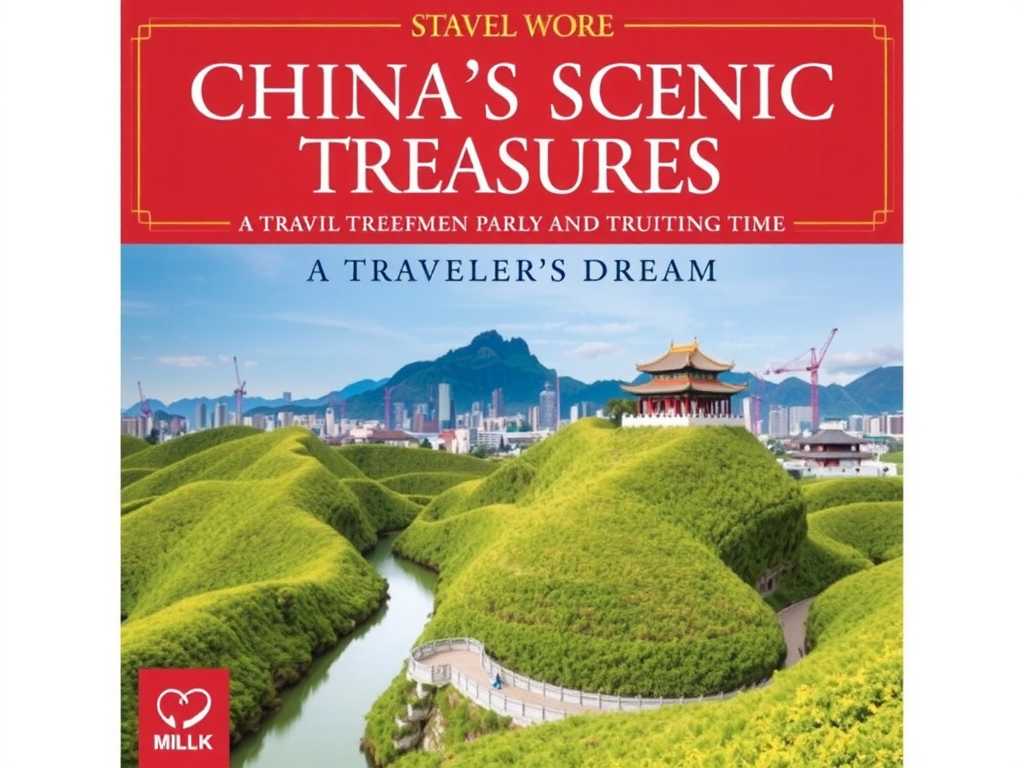
China’s landscape is a dramatic tapestry woven with soaring mountains, serene rivers, ancient forests, and surreal geological formations. These are not just backdrops; they are central characters in China’s cultural story, inspiring poets and painters for millennia.

The Timeless Majesty: Mountains of Legend More than just physical landmarks, China’s sacred mountains are pillars of spiritual and cultural heritage.
- Huangshan (The Yellow Mountains): Often considered the pinnacle of China’s scenic treasures, Huangshan is the archetype of classical Chinese landscape painting come to life. Its granite peaks pierce through a sea of clouds, adorned with famously gnarled pine trees. Sunrise here is less a sight and more a spiritual event. As noted by travel historian Dr. Michael Yin, "Huangshan doesn’t just offer a view; it demands a shift in perspective, teaching visitors to find beauty in mist, stone, and resilience."
- Zhangjiajie National Forest Park: Walking through the towering quartz-sandstone pillars of Zhangjiajie feels like stepping onto another planet. These mist-shrouded columns, some over 1,000 meters tall, famously inspired the floating "Hallelujah Mountains" in the film Avatar. The park’s glass-bottomed skywalk and the world’s longest cable car offer thrilling perspectives on this unique geology.
- Mount Hua (Huashan): For the adventurous traveler, Huashan presents one of China’s most heart-pounding challenges. Known as the "most precipitous mountain under heaven," its hiking trails feature narrow plank paths bolted to sheer cliffs. The reward is an unparalleled sense of accomplishment and views that few ever witness firsthand.
The Lifelines of Civilization: Rivers and Gorges China’s great rivers have shaped its history, agriculture, and transport, creating some of the world’s most dramatic waterways.
- The Li River & Yangshuo: The leisurely cruise from Guilin to Yangshuo is a journey through a scroll painting. Karst limestone peaks rise majestically from the emerald-green river, with water buffalo grazing along the banks and fishermen using traditional cormorant birds. It’s a serene, pastoral vision of China that feels timeless.
- The Three Gorges of the Yangtze: A Yangtze River cruise through the Qutang, Wu, and Xiling Gorges remains a classic journey. While the monumental Three Gorges Dam has altered the water levels, the gorges still impress with their sheer scale and misty, vertical cliffs. It’s a powerful way to grasp the immense force of nature and human ambition.
A Palette of Surreal Colors: Unique Geological Wonders China’s vastness holds landscapes that defy imagination, showcasing nature’s artistic flair.
- The Rainbow Mountains of Zhangye Danxia: Located in Gansu province, these mountains look like a layered cake painted by a giant. The striking stripes of red, yellow, blue, and green are the result of mineral deposits and sandstone eroded over 24 million years. The best time to witness their fiery glow is at sunset after a rain shower.
- The Stone Forest (Shilin) in Yunnan: This vast karst formation of limestone pillars resembles a petrified forest. Wandering its labyrinthine paths among towering gray stones is an eerie and fascinating experience, steeped in the legends of the local Yi people.
Crafting Your Journey: A Practical Traveler’s Framework
Knowing where to go is only half the battle. How you plan your trip to these scenic treasures is crucial for a seamless experience.
Strategic Itinerary Planning: Quality Over Quantity Resist the urge to cram. China’s size means long travel times. Focus on one region per trip.
- The Classic Panorama (10-14 days): Combine Beijing (Forbidden City, Great Wall) with a flight to Xi’an (Terracotta Army), then fly to Guilin for the Li River cruise, ending in Shanghai. This offers a balanced mix of history and scenery.
- The Southwest Adventure (12-16 days): Explore Yunnan’s diversity—from the old towns of Lijiang and Dali to the dramatic Tiger Leaping Gorge and the Tibetan culture of Shangri-La. This route is perfect for nature lovers and cultural enthusiasts.
- The Off-the-Beaten-Path Quest (14+ days): Venture to Sichuan for the giant pandas of Chengdu and the breathtaking Jiuzhaigou Valley National Park, a UNESCO site famed for its multi-colored lakes and waterfalls. Continue to the remote beauty of Western Sichuan for authentic Tibetan grasslands and monasteries.
Mastering Logistics and Cultural Nuances A little preparation goes a long way in enhancing your journey.
- Timing is Everything: Aim for shoulder seasons (April-May, September-October) for pleasant weather and fewer crowds. Avoid major national holidays like Golden Week.
- Navigation Made Simple: While apps like Google Maps are restricted, China’s own Amap (Gaode) and Baidu Maps are indispensable. Download Didi (China’s Uber) and ensure you have a VPN set up before arrival for access to your regular services.
- Travel with Respect: Many scenic sites are sacred or ecologically fragile. Adhere to marked paths, carry out all trash, and be mindful when photographing local people—always ask for permission first. Supporting local homestays and eateries directly benefits community tourism.
Beyond the View: Connecting with Culture and Community
The true magic of China’s scenic treasures lies in their deep interconnection with local life and tradition. This is where experience meets expertise.
Immersive Experiences That Enrich Move beyond sightseeing to participation.
- Learn from Local Masters: In Yangshuo, take a traditional cooking class or a Tai Chi lesson at dawn by the river. In a Yunnan village, try your hand at tea-picking and learn the art of Pu’er tea fermentation from a farmer.
- Stay with Intent: Choose a family-run guesthouse in a Tibetan village or a restored courtyard hotel in a ancient town. These stays often provide deeper cultural insight than large international chains.
- Follow the Festive Calendar: Time your visit to coincide with local festivals, such as the Torch Festival in Yi areas or a Tibetan horse racing festival. These are vibrant, authentic expressions of living culture you won’t find in any guidebook.
Sustainable Travel: Preserving the Treasures As visitors, we have a responsibility. The China Sustainable Tourism Research Institute reports that mindful travel practices can reduce negative environmental impact by up to 40% in sensitive areas.
- Choose Responsible Operators: Opt for tour companies that prioritize small groups, employ local guides, and have clear environmental policies.
- Minimize Your Footprint: Use refillable water bottles, decline single-use plastics, and choose public transportation or trains over domestic flights when feasible.
- Be a Cultural Ambassador: A few words in Mandarin like "谢谢 (xièxie - thank you)" or "你好 (nǐ hǎo - hello)" show respect. Approach differences with curiosity rather than judgment.
Your Questions, Answered
What is the best time of year to visit most of China’s scenic areas? The optimal windows are spring (April to May) and autumn (September to October). During these months, you’ll generally encounter mild temperatures, lower humidity, and stunning natural colors—spring blossoms or autumn foliage. Summer can be hot and crowded, while winter offers stark beauty in the north but some southern areas can be chilly and damp.
Is it difficult to travel independently to these places if I don’t speak Chinese? It is entirely possible with good preparation. In major tourist destinations and transportation hubs, you will find some English signage. Essential apps like translation tools (Pleco, Google Translate), Didi for cabs, and a reliable map app are crucial. For more remote scenic areas, consider hiring a local English-speaking guide for a day or two, which greatly eases logistics and enriches your understanding of the place.
How can I ensure my trip is respectful and supports local communities? Make conscious spending choices. Eat at local restaurants, shop at small family-owned stores, and book community-based homestays or tours. Always follow site-specific rules, especially in culturally or ecologically sensitive zones. Being a respectful observer—listening more, speaking softly, and asking before taking photos of people—is deeply appreciated.
China’s true splendor unfolds when you venture into its dramatic landscapes and connect with the timeless rhythms of life within them. From the misty peaks of Huangshan to the vibrant stripes of Zhangye, these scenic treasures offer more than a photo opportunity; they offer a perspective. By planning thoughtfully, traveling responsibly, and engaging deeply, you move beyond being a spectator to becoming a welcomed guest in one of the world’s most captivating narratives. Your dream journey, filled with awe, authenticity, and unforgettable moments, awaits.



发表评论