 admin
admin Discover China’s Breathtaking Scenic Sites: Your Ultimate Travel Guide
Planning a trip to China can feel overwhelming. With a landmass so vast and a history spanning millennia, how do you choose where to go beyond the well-trodden path of the Great Wall and the Terracotta Army? The real challenge isn't finding scenic spots—it's discovering the truly breathtaking ones that align with your travel dreams, navigating logistics, and experiencing their authentic essence. This guide cuts through the noise, offering a curated journey through China's most awe-inspiring landscapes, complete with practical insights to transform your itinerary from a list of names into a lifetime of memories.
Navigating China’s Diverse Natural Canvas
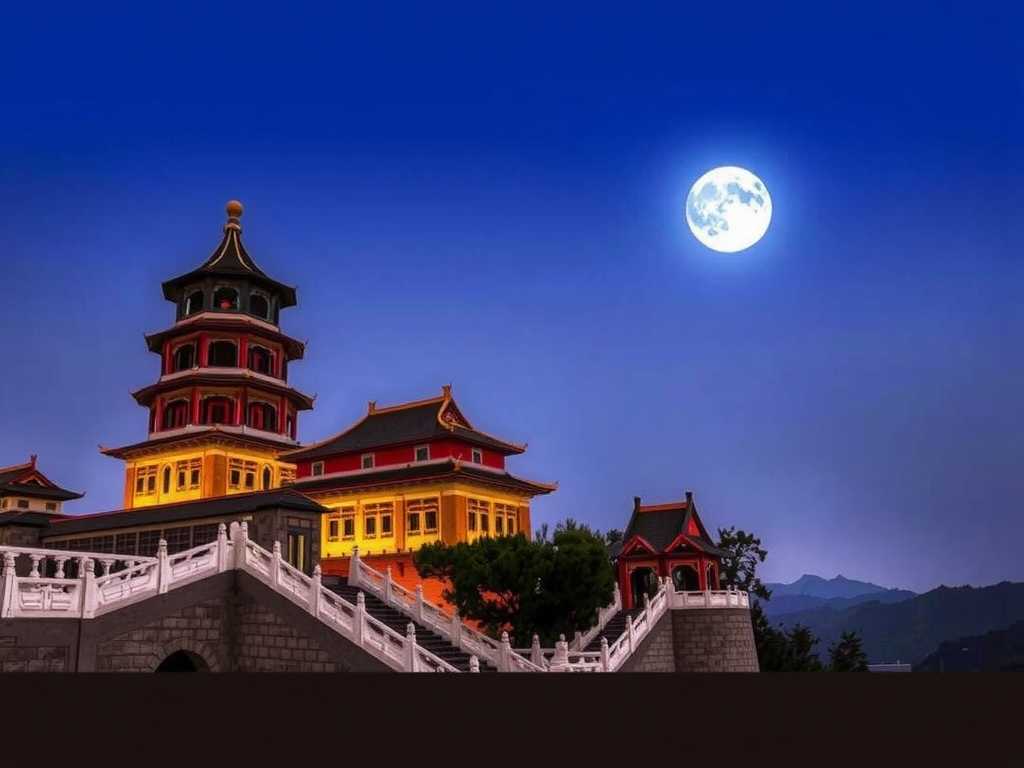
China's geography is a masterpiece of dramatic contrasts, offering distinct scenic experiences in every region. Understanding these broad categories is the first step to planning your perfect route.
The Majestic Peaks and Spiritual Mountains For centuries, China's sacred mountains have been destinations for pilgrimage, poetry, and profound beauty. These are not just hikes; they are journeys into cultural and natural heritage.
- Huangshan (The Yellow Mountains): Often called the "most beautiful mountain in China," Huangshan is the quintessential image of granite peaks piercing through a sea of clouds. Its twisted pine trees and hot springs have inspired countless artists. For the best experience, consider an overnight stay at a summit hotel to witness both sunset and sunrise over this ethereal landscape.
- Zhangjiajie National Forest Park: This is the landscape that literally inspired the floating "Hallelujah Mountains" in the film Avatar. Towering sandstone pillars, some over 1,000 meters tall, create a surreal, forested labyrinth. Walking across the glass-bottomed Zhangjiajie Grand Canyon Bridge offers a thrilling perspective, as noted by travel geographer Dr. Li Wei: "Zhangjiajie redefines verticality, presenting a geology that feels both ancient and otherworldly."
- Mount Everest North Base Camp (Tibet): For the ultimate high-altitude spectacle, the Tibetan side of Everest offers breathtaking views of the north face. The journey through the Tibetan Plateau itself, past turquoise lakes and nomadic herds, is as stunning as the destination.
The Ethereal Waters: Lakes, Rivers, and Karst Water shapes some of China's most poetic and picturesque scenery, from serene lakes to dramatic river gorges.
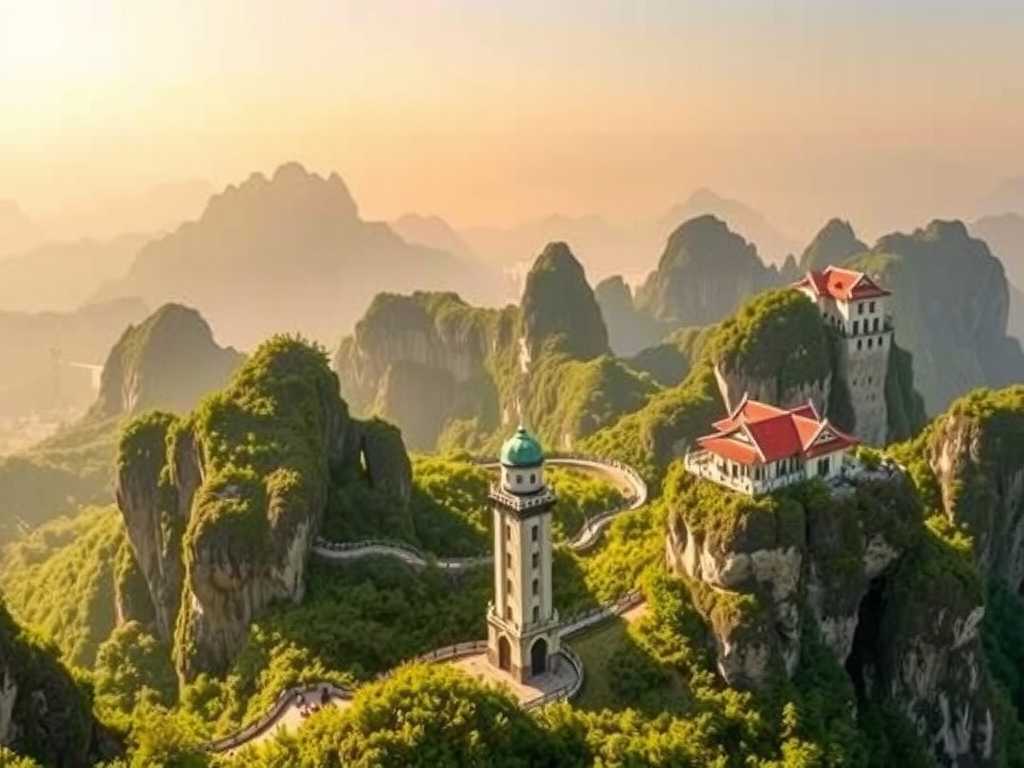
- Li River & Yangshuo: The classic Li River cruise from Guilin to Yangshuo passes by sheer limestone karst peaks shrouded in mist, water buffalo grazing along riverbanks, and bamboo rafts—a scene immortalized on the 20 RMB note. It's a living scroll painting.
- Jiuzhaigou Valley: A UNESCO site in Sichuan, Jiuzhaigou is a fairy-tale world of multi-colored lakes, cascading waterfalls, and snow-capped peaks. The water's stunning turquoise and emerald hues, caused by mineral deposits and ancient submerged timber, create a visual spectacle unmatched anywhere else.
- The Three Gorges of the Yangtze River: A cruise through the Qutang, Wu, and Xiling Gorges reveals towering cliffs, historical sites, and a sense of scale that humbles. While the dam altered the river, the gorges remain a powerful testament to nature's force.
The Unique and Otherworldly Landscapes China holds landscapes that defy simple categorization, offering truly unique visual experiences.
- The Rainbow Mountains of Zhangye Danxia: Located in Gansu province, these geological marvels look like a layered cake painted in streaks of crimson, orange, yellow, and green. Formed by millions of years of mineral deposits and erosion, they are best visited at sunset when the colors are most vibrant.
- The Stone Forest (Shilin) in Yunnan: A vast region of towering gray limestone pillars that resemble a petrified forest. Wandering through its maze-like paths offers a fascinating look at karst geology and is a celebrated site for the local Yi people.
- The Taklamakan Desert & Singing Sand Dunes: Experience the silence and grandeur of the desert in Xinjiang. The Mingsha Shan dunes near Dunhu are famous for the mysterious sound the sand makes when sliding—a low hum that gives them the name "Singing Sands."
Planning Your Journey to China’s Scenic Wonders
Knowing the destinations is half the battle; visiting them seamlessly is the other. Here’s how to plan with expertise.
Best Times to Visit for Optimal Experience Timing is critical. China's climate varies wildly. Generally, spring (April-May) and autumn (September-October) offer the most comfortable temperatures and vibrant scenery (spring blossoms, autumn foliage). Summer brings crowds and rain to the south, while winter offers stark, crowd-free beauty in mountains like Huangshan but requires preparation for cold. For specific sites: Jiuzhaigou is sublime in autumn; the grasslands of Inner Mongolia are best in late summer.
Smart Travel Logistics and Connectivity China's high-speed rail network is a game-changer, efficiently connecting major hubs to scenic gateways (e.g., Shanghai to Huangshan, Chengdu to Leshan). For remote areas like Zhangjiajie or Jiuzhaigou, domestic flights are often necessary. Always book trains and domestic flights well in advance during peak seasons. Using reliable travel apps for translation, maps, and ride-hailing is essential.
Cultural Respect and Sustainable Travel Your experience enriches when you engage respectfully. Learn a few basic Mandarin phrases. Follow local guidelines at sacred sites—speak softly, dress modestly. As highlighted in the 2023 China Sustainable Tourism Report, supporting local homestays and guides helps distribute economic benefits. Stay on marked trails, carry out all trash, and be mindful of your environmental impact to preserve these sites for future generations.
Beyond the View: Immersive Experiences at Each Site
To move beyond sightseeing and into true discovery, seek these authentic engagements.
- At Huangshan or Sacred Mountains: Wake up for sunrise, practice Tai Chi with locals at dawn, or spend a night in a monastery guesthouse.
- In Yangshuo: Take a bamboo raft trip, learn to cook local Guilin rice noodles in a farming village, or cycle through the picturesque countryside.
- In Tibetan Regions: Circle a sacred stupa with pilgrims, hang a prayer flag at a high pass (ensure it's biodegradable), and savor a cup of yak butter tea.
- At the Great Wall (Jinshanling or Jiankou sections): Opt for a less-restored, hiking-intensive section for a more rugged and personal encounter with history away from the crowds.
Frequently Asked Questions
What is the single most breathtaking scenic site in China for first-time visitors? While subjective, Zhangjiajie National Forest Park offers a uniquely dramatic and almost surreal landscape that is instantly recognizable and unforgettable. For a combination of natural beauty and profound cultural atmosphere, Huangshan remains the timeless classic.
Is it difficult for English speakers to travel to these scenic areas independently? It is increasingly feasible. Major tourist destinations have signs in English, and translation apps are powerful tools. However, for remote natural parks, ethnic regions, or complex transport connections, hiring a local English-speaking guide or joining a small tour can drastically reduce stress and enhance understanding, making the journey smoother and more insightful.
How can I avoid the massive crowds at famous places like the Li River or the Great Wall? Two key strategies: Time and Place. Visit during shoulder seasons (late spring/early autumn) and on weekdays. For the Great Wall, choose less-visited sections like Mutianyu (more restored) or Jinshanling (more wild) instead of Badaling. For the Li River, start your cruise early in the morning or consider exploring the riverside trails around Xingping town, which offers similar views with far fewer people.
China's breathtaking scenic sites are an invitation to witness the planet's artistic diversity—from the whispering deserts of the west to the misty peaks of the south. This journey promises more than photographs; it offers moments of awe that reshape your perspective. With thoughtful planning that respects both the land and its culture, your adventure into China's natural wonders will become a deeply personal story of discovery. The landscapes are waiting.

发表评论