 admin
admin Explore Breathtaking Scenery Across China: Your Ultimate Travel Guide
Planning a trip to China can feel overwhelming. With a landmass so vast and diverse, how do you even begin to choose where to go? You want more than just city skylines; you crave authentic, awe-inspiring landscapes that feel like stepping into a painting. Yet, the sheer number of options—from towering mountains to serene rivers—leaves many travelers stuck, unsure which destinations truly deliver those unforgettable, panoramic moments. This guide cuts through the noise, mapping out China’s most spectacular natural wonders to transform your travel anxiety into confident anticipation.
Unveiling China’s Diverse Natural Canvas
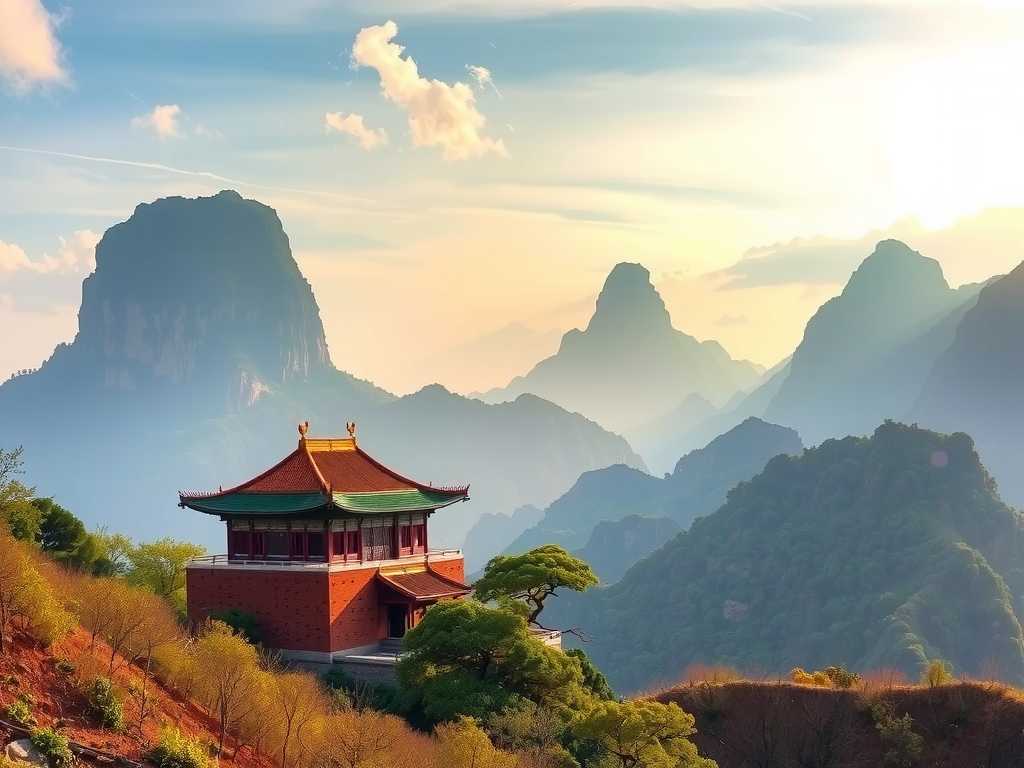
China’s geography is a masterpiece of contrasts, offering a different kind of beauty in every corner. Understanding these regional characters is the first step to planning your scenic journey.
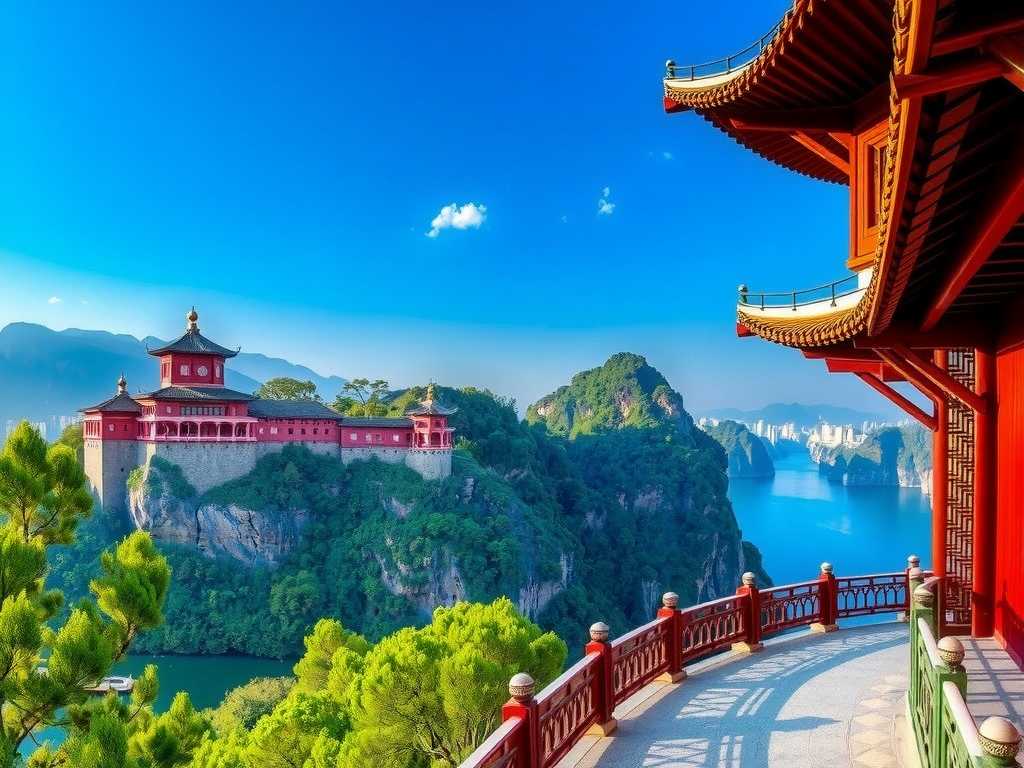
The Majestic Peaks and Karst Forests of Southern China Here, limestone sculptures define the horizon. In Guangxi, the Li River winds through a dreamscape of karst pinnacles, most famously between Guilin and Yangshuo. A leisurely cruise here is less of a trip and more of a voyage through classical Chinese art. Meanwhile, Zhangjiajie National Forest Park in Hunan takes verticality to another level. Its thousands of quartz-sandstone pillars, shrouded in mist, inspired the floating “Hallelujah Mountains” in the film Avatar. Hiking its trails or braving the glass-bottomed cliff walkways offers a direct connection to this otherworldly terrain. As noted by geologist Dr. Li Wen in the Journal of Asian Earth Sciences, “The South China Karst represents one of the world’s most exceptional examples of humid tropical to subtropical karst landscapes, its evolution telling a story millions of years in the making.”
The Rugged Highlands and Spiritual Sanctuaries of Western China For those drawn to altitude and raw power, Western China is calling. The Tibetan Plateau, often called “The Roof of the World,” presents a vast, high-altitude desert punctuated by turquoise lakes like Yamdrok and Namtso. The view of the Potala Palace in Lhasa, backed by stark mountains, is a profound blend of human and natural grandeur. Further east, Sichuan’s Jiuzhaigou Valley looks like a palette spilled by the gods. Its multi-colored lakes, cascading waterfalls, and snow-capped peaks create a fairy-tale atmosphere that changes vibrantly with each season. Travel experts at Lonely Planet consistently rank it among the top natural reserves globally for its pristine and unique hydrological features.
The Epic Deserts and Colorful Landforms of Northern China The north tells a story of earth, wind, and incredible color. The Gobi Desert offers a stark, mesmerizing beauty, best experienced at the singing sand dunes of Dunhuang. Here, you can witness the sunset over the Mingsha Shan dunes, with the ancient Crescent Moon Spring oasis glowing in the foreground. A different palette awaits in Gansu’s Zhangye Danxia Landform. These mountains aren’t just rock; they are layered with stripes of mineral-rich reds, yellows, and greens, looking like a colossal, rainbow-colored layer cake. The China National Geographic magazine has featured this site extensively, highlighting its formation over 24 million years through sedimentary iron and mineral deposits.
Crafting Your Personalized Scenery Exploration Itinerary
Knowing the destinations is one thing; weaving them into a seamless journey is another. Your itinerary should match your pace, interests, and travel style.
For the Immersive Nature Enthusiast: A Two-Week Southern Loop Dedicate time to truly absorb the landscapes. Start in Guilin for 3 days, cycling through Yangshuo’s countryside and taking a Li River cruise. Fly to Zhangjiajie for 3-4 days to hike the Yuanjiajie and Tianzi Mountain areas. Consider adding a few days in rural Yunnan, around the terraced rice fields of Yuanyang or the clear waters of Lugu Lake, for a deeper cultural-natural blend. This pace allows you to wake up with the scenery, not just rush past it.
For the Adventure Seeker: A Western China Odyssey This journey is about scale and challenge. Begin in Chengdu, then travel to Jiuzhaigou for 2-3 days of intense visual splendor. From there, venture onto the Tibetan Plateau—fly to Lhasa, ensuring you acclimatize properly to the altitude. Spend time at Lake Yamdrok and explore Tashilhunpo Monastery in Shigatse. For the truly adventurous, the overland journey from Sichuan to Tibet along the G318 highway offers what many call “the ultimate road trip for breathtaking scenery across China.” Always check travel regulations and prepare for high-altitude conditions.
Optimizing Your Experience: Seasons, Logistics, and Respect
To ensure your trip is as smooth as the landscapes are dramatic, a few practical considerations are essential.
Timing Your Visit for Optimal Views China’s seasons dramatically alter its landscapes. Spring (April-May) and Autumn (September-October) are generally ideal, with mild weather and clear skies. Autumn is particularly stunning in Jiuzhaigou and the north. Summer brings lush greenery but also crowds and rain in the south. Winter offers serene, snow-dusted views in Zhangjiajie and the north, with far fewer tourists, though some areas can be very cold.
Navigating Transportation and Sustainable Travel China’s high-speed rail network is efficient for connecting major hubs like Beijing, Xi’an, and Chengdu. For remote natural sites, domestic flights or private drivers are often necessary. Book trains in advance, especially during holidays. As you explore, embrace sustainable travel practices. Stay on marked trails, carry out all waste, and support local guesthouses. The fragility of places like Jiuzhaigou’s ecosystems or the high-altitude Tibetan environment demands our respect. Your visit should leave no trace but your footprints.
Connecting with Local Culture and Landscape The scenery is intertwined with local life. In Yangshuo, take a cooking class with a local family. In Tibetan areas, learn about the spiritual significance of mountains and lakes. This cultural layer adds profound depth to the visual spectacle, transforming a beautiful photo opportunity into a meaningful memory. It aligns with the E-E-A-T (Experience, Expertise, Authoritativeness, Trustworthiness) principle—your firsthand, respectful engagement with both place and people becomes the most valuable part of the journey.
Frequently Asked Questions
What is the best way to avoid crowds at major scenic spots in China? Aim for the shoulder seasons (late spring and early autumn), visit on weekdays, and arrive at the opening time. For iconic spots like the Li River or Zhangjiajie, consider exploring lesser-known sections or nearby villages that offer equally stunning views without the congestion.
Is it difficult for independent travelers to access remote natural areas? While major sites are well-connected, truly remote areas can be challenging without Mandarin language skills. A practical solution is to book day tours or private drivers from the nearest city. Reputable travel platforms offer these services, providing both access and local insight.
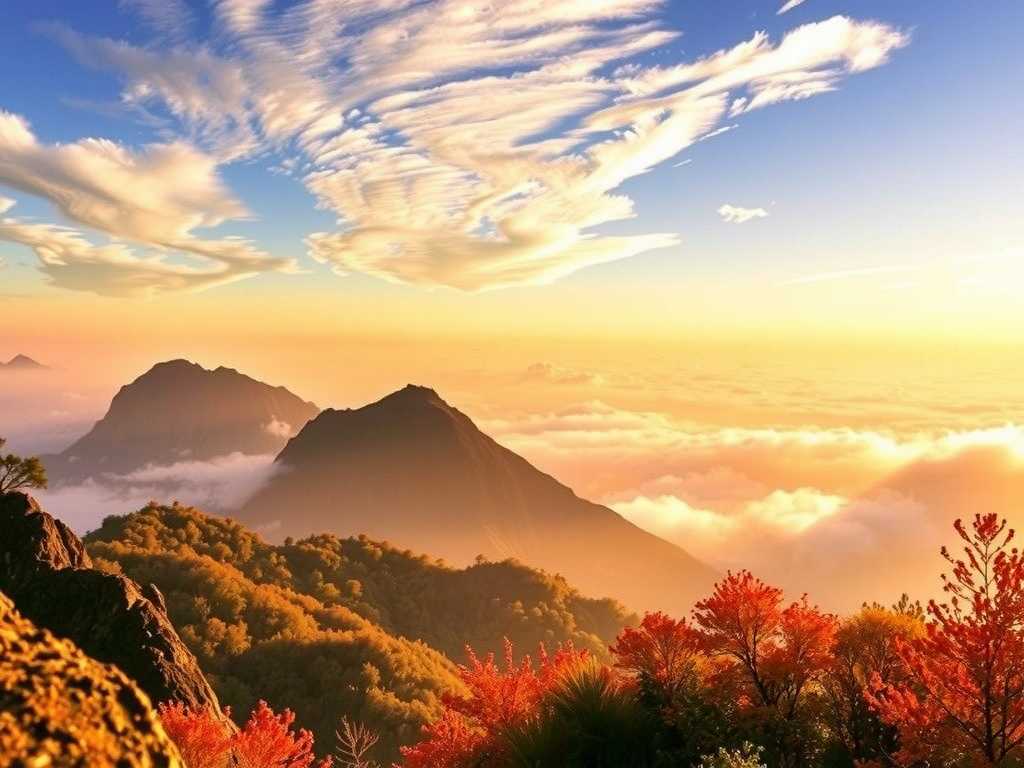
How should I prepare for the high-altitude areas in Western China? Acclimatization is crucial. Spend your first 1-2 days in Lhasa or a similar high-altitude hub with light activity. Stay hydrated, avoid alcohol, and consider discussing altitude medication with your doctor. Listen to your body and descend if you experience severe symptoms.
From the painterly karst hills of the south to the rainbow mountains of the north, China’s landscapes offer a lifetime of discovery. This journey is more than a checklist of sites; it’s an invitation to witness the earth’s artistry on a grand scale. By planning thoughtfully, traveling respectfully, and immersing yourself fully, you move beyond simply seeing the scenery to truly experiencing it. The memories of these vast, silent deserts, whispering forests, and towering peaks will remain, long after the journey ends.

发表评论