 admin
admin Scenic Wonders of China: Explore Today
Have you ever felt overwhelmed by the sheer scale and complexity of planning a trip to China? You know it’s home to some of the planet’s most breathtaking landscapes, but with so many iconic destinations and logistical hurdles, where do you even begin? The dream of witnessing Scenic Wonders of China can quickly turn into a stressful puzzle of guidebooks and conflicting advice. This guide cuts through the noise, offering a clear, expert-curated path to experiencing China’s most spectacular natural and cultural treasures. We’ll move beyond simple lists to provide actionable insights, helping you craft an unforgettable journey that aligns with your interests and travel style.
Your Essential Guide to China’s Diverse Landscapes
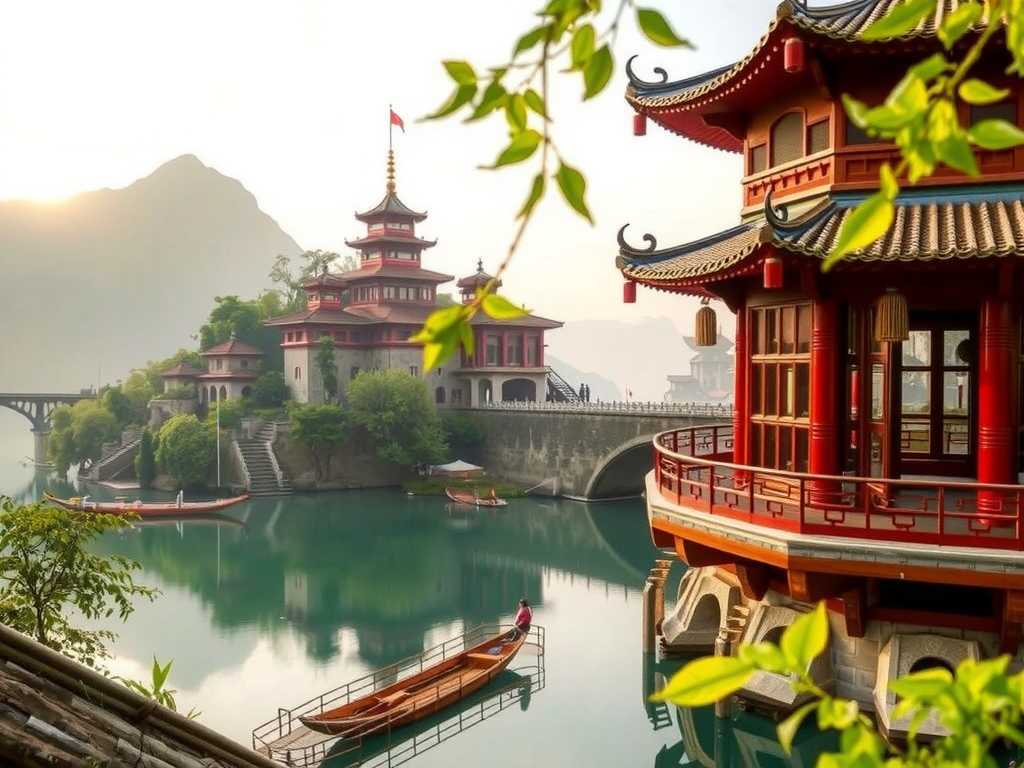
China’s geography is a dramatic tapestry woven over millennia. To truly appreciate its Scenic Wonders of China, it helps to understand the major regional characters that define the nation’s visual symphony.
The Majestic Peaks and Spiritual Sanctuaries

The mountains of China are far more than just rock and ice; they are pillars of culture, history, and spiritual belief.
- Huangshan (The Yellow Mountains): Often called the “most beautiful mountain in China,” Huangshan is the quintessential Chinese landscape painting come to life. Its granite peaks pierce through seas of cloud, while hardy, gnarled pine trees cling to the cliffs. The experience is about the journey—hiking ancient stone pathways, watching sunrise from a mist-shrouded summit, and staying in a summit hotel to fully immerse in the ethereal atmosphere. As noted by renowned travel photographer Li Wei, “Huangshan isn’t just a view; it’s a mood that changes with every breath of wind and shift of light.”
- Zhangjiajie National Forest Park: Step into a world that inspired the floating Hallelujah Mountains in Avatar. Thousands of towering sandstone pillars, draped in lush greenery, create a labyrinth of valleys and gorges. Walking across the glass-bottomed Zhangjiajie Grand Canyon Bridge or riding the Bailong Elevator built into the side of a cliff are experiences that blend natural awe with human engineering.
- Mount Everest (North Face), Tibet: For the ultimate alpine spectacle, the north face of Qomolangma (Mount Everest) presents a more remote and spiritually charged vista than the southern approach. The drive through the Tibetan Plateau to Everest Base Camp is a pilgrimage in itself, offering stark, high-altitude beauty and profound cultural encounters.
The Ethereal Waterscapes and Karst Dreams
Water has sculpted some of China’s most poetic and serene landscapes.
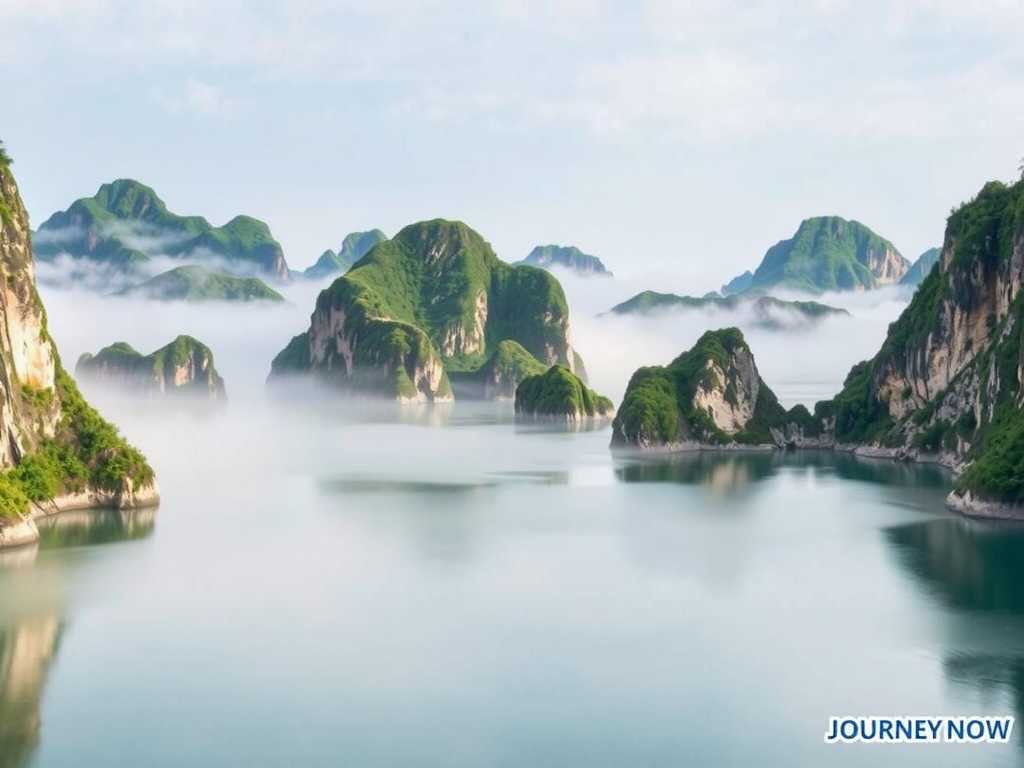
- Li River & Yangshuo, Guangxi: The classic Li River cruise from Guilin to Yangshuo is a journey through a scroll painting. Limestone karst peaks rise majestically from the jade-green water, with water buffalo grazing along the banks and fishermen using traditional cormorant birds. A 2019 report by the China Tourism Academy highlighted this region as consistently ranking highest in international visitor satisfaction for its accessible, picture-perfect beauty.
- Jiuzhaigou Valley, Sichuan: Known as the “Fairyland on Earth,” Jiuzhaigou is a nature reserve famed for its crystal-clear, multi-colored lakes, cascading waterfalls, and snow-capped peaks. The water’s stunning hues of turquoise, emerald, and sapphire are caused by mineral deposits and reflected foliage. It’s a fragile ecosystem that requires respectful visitation, but the visual reward is unparalleled.
- The Three Gorges of the Yangtze River: A Yangtze River cruise through the Qutang, Wu, and Xiling Gorges remains one of the world’s great travel adventures. While the dam has altered the river’s height, the gorges’ sheer cliffs and misty vistas still evoke the ancient poetry that has been written about them for centuries.
The Ancient Deserts and Silk Road Echoes
The vast arid regions of northwest China tell tales of ancient trade routes and human resilience.
- The Gobi Desert, Dunhuang: Here, you can witness the stunning contrast of the Singing Sand Dunes meeting the crescent-shaped oasis of Yueyaquan. Explore the Mogao Caves, a UNESCO treasure trove of Buddhist art, and feel the history of the Silk Road. The best way to experience it? Take a camel trek at sunset and spend a night in a desert camp under a blanket of stars.
- Rainbow Mountains, Zhangye Danxia: These geological wonders look like an artist’s palette. Striated hills in vibrant reds, yellows, and greens were formed by mineral deposits and sandstone erosion over 24 million years. The colors are most dramatic after rainfall or at sunset, creating a surreal, otherworldly landscape.
Planning Your Journey to the Scenic Wonders of China
Knowing the destinations is one thing; experiencing them seamlessly is another. Here’s how to translate inspiration into a practical itinerary.
When to Visit for Optimal Experiences
Timing is crucial for enjoying China’s scenic wonders.
- Spring (April-May) & Autumn (September-October): These are universally the best seasons for most regions. You’ll enjoy pleasant temperatures, clear skies, and beautiful natural colors—spring blossoms or autumn foliage.
- Regional Considerations: Southern China (like Guilin) is best in autumn and spring to avoid summer humidity. High-altitude Tibet and Jiuzhaigou have a very short optimal window from late May to early October. The northern deserts are best visited in spring or autumn to escape extreme summer heat and winter cold.
Navigating Logistics and Cultural Etiquette
A smooth trip hinges on smart planning.
- Transportation: China’s high-speed rail network is a marvel of efficiency and comfort, ideal for connecting major hubs. For remote natural sites, domestic flights or private drivers are often necessary. Book trains well in advance, especially during holidays.
- Visas and Permits: Ensure your passport is valid and apply for a Chinese tourist visa. Travel to Tibet requires an additional Tibet Travel Permit, which must be arranged through a licensed tour operator.
- Respectful Exploration: Many scenic areas are sacred sites or fragile ecosystems. Stay on marked paths, follow all visitor rules, and be mindful of noise. A simple phrase like “xièxie” (thank you) goes a long way in showing respect.
Beyond the Iconic: Discovering Hidden Gems
While the classics are unmissable, venturing slightly off the main tourist trail offers incredible rewards.
- Kanas Lake, Xinjiang: In China’s far northwest, this alpine lake rivals those in the Canadian Rockies, with deep blue waters surrounded by dense taiga forest and nomadic Tuvan villages.
- Xiapu Mudflats, Fujian: A paradise for photographers, this coastline transforms with the tides. Intricate patterns emerge on the mudflats, and traditional fishing practices create stunning silhouettes against the sunrise.
- Huangguoshu Waterfall, Guizhou: One of Asia’s largest waterfalls, it is part of a cluster of 18 cascades set in a karst landscape. You can walk behind the curtain of water through a natural cave tunnel for a thrilling perspective.
What is the best way to avoid crowds at popular sites like the Great Wall or Zhangjiajie? Arrive as soon as they open in the morning or visit later in the afternoon. For the Great Wall, choose less-restored sections like Mutianyu or Jinshanling instead of Badaling. In Zhangjiajie, weekdays are significantly quieter than weekends, and exploring the lesser-known trails within the vast park can lead to moments of solitude.
Is it feasible to travel independently to these scenic areas, or do I need a tour? For cities and well-connected areas like Shanghai, Beijing, or Guilin, independent travel is very feasible. However, for remote regions with language barriers, complex permits (like Tibet), or specialized transport needs (like Jiuzhaigou), using a reputable local tour operator can save immense time, stress, and often provide deeper cultural access.
How can I ensure my travel is environmentally responsible? Choose tour operators with clear sustainability policies. Always carry out your trash, use refillable water bottles (many hotels have filtered water), and minimize single-use plastics. Respect wildlife by observing from a distance and support local communities by purchasing handicrafts directly from artisans and eating at local restaurants.
Embarking on a journey to witness the Scenic Wonders of China is an investment in lifelong memories. From the cloud-piercing peaks of Huangshan to the serene waters of Jiuzhaigou and the colorful geology of Zhangye, each destination offers a unique chapter in the story of our planet’s beauty. By planning thoughtfully, traveling respectfully, and embracing both the iconic and the undiscovered, you move beyond being a mere spectator to becoming a connected participant in these ancient, enduring landscapes. Your adventure into the heart of China’s natural majesty awaits.

发表评论