 admin
admin China's Must-Experience Scenic Tours: Your Ultimate Guide to Unforgettable Journeys
Planning a trip to China can feel overwhelming. With a landmass rivaling a continent and thousands of years of history, how do you choose where to go to witness its most breathtaking landscapes and profound cultural heritage? The dilemma between iconic landmarks and hidden gems, or navigating the logistics of such a vast country, often leaves travelers stuck in the planning phase. This guide is designed to cut through the noise, offering a curated selection of China's must-experience scenic tours that deliver authentic, awe-inspiring, and logistically sound adventures. From the ancient Silk Road to the poetic waterways of the south, we map out the journeys that define this magnificent country.
The Timeless Majesty: The Great Wall & Imperial Beijing Tour
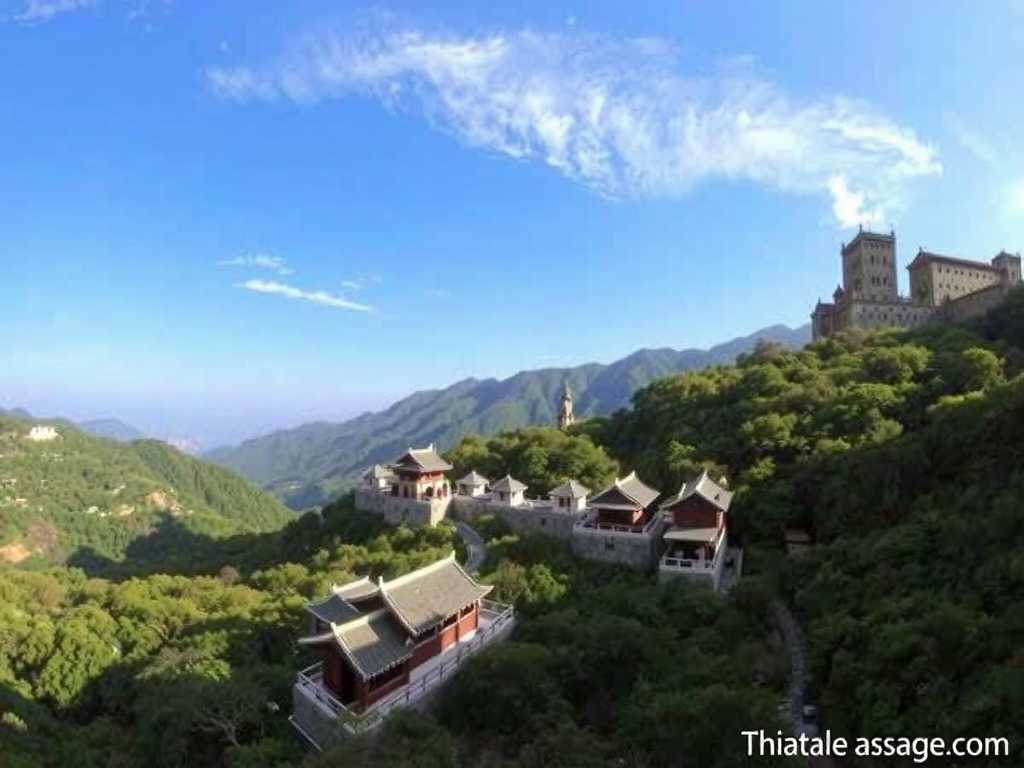
No first-time visit to China is complete without witnessing its most iconic symbol. This tour combines the awe of the Great Wall with the imperial grandeur of the nation's capital.
Choosing Your Great Wall Section
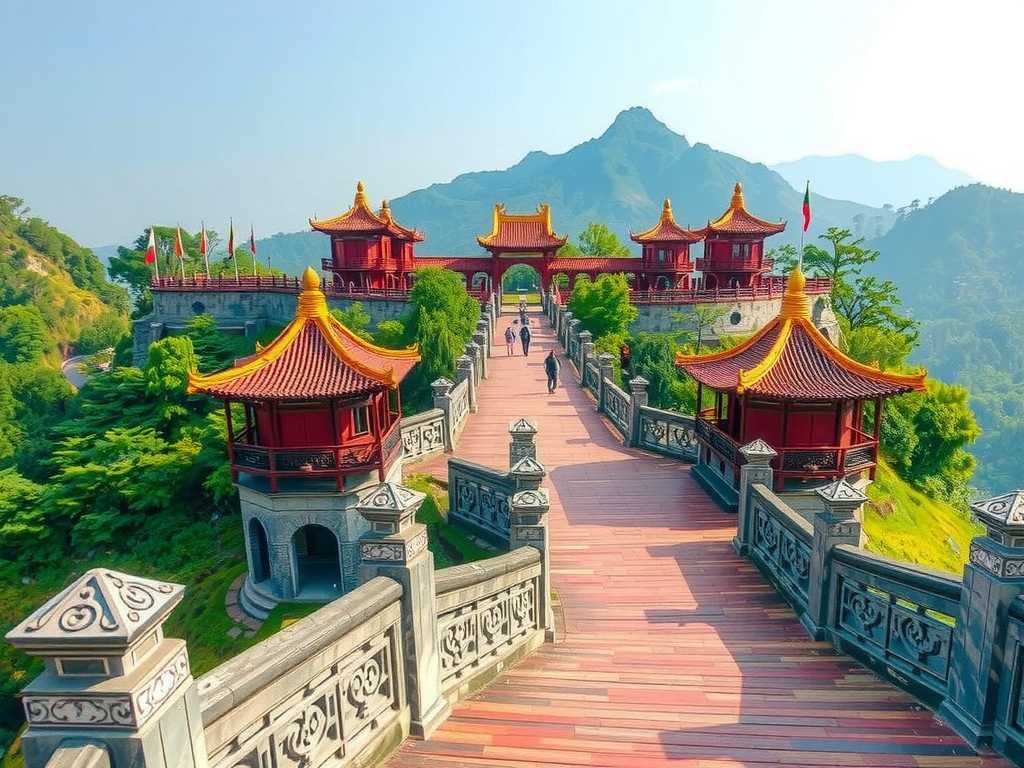
The Great Wall stretches over 13,000 miles, and choosing the right section is crucial. For a must-experience scenic tour with fewer crowds and stunning, photogenic vistas, head to Mutianyu or Jinshanling. These sections offer well-preserved architecture and the classic rolling mountain backdrop. For easier access and comprehensive facilities, Badaling remains popular, though it can be busier. A sunrise or sunset hike at Simatai provides an unforgettable, dramatic perspective, highly recommended by seasoned travel photographers like Li Wei, who notes, "The play of light on the ancient stones at dusk transforms the wall from a monument into a living landscape."
Exploring Beijing's Imperial Heart
After the Wall, delve into Beijing's central axis of power. The Forbidden City, a UNESCO World Heritage site with nearly 1,000 buildings, offers a tangible journey through Ming and Qing dynasty history. Time your visit for a weekday morning to avoid peak crowds. Adjacent Tiananmen Square and the serene Temple of Heaven Park, where emperors performed rituals for good harvests, complete the imperial picture. For a unique cultural immersion, spend an evening in a traditional hutong alleyway, perhaps enjoying a local family's home-cooked Beijing roast duck.
The Landscape Canvas: Guilin & Yangshuo Karst Scenery Tour
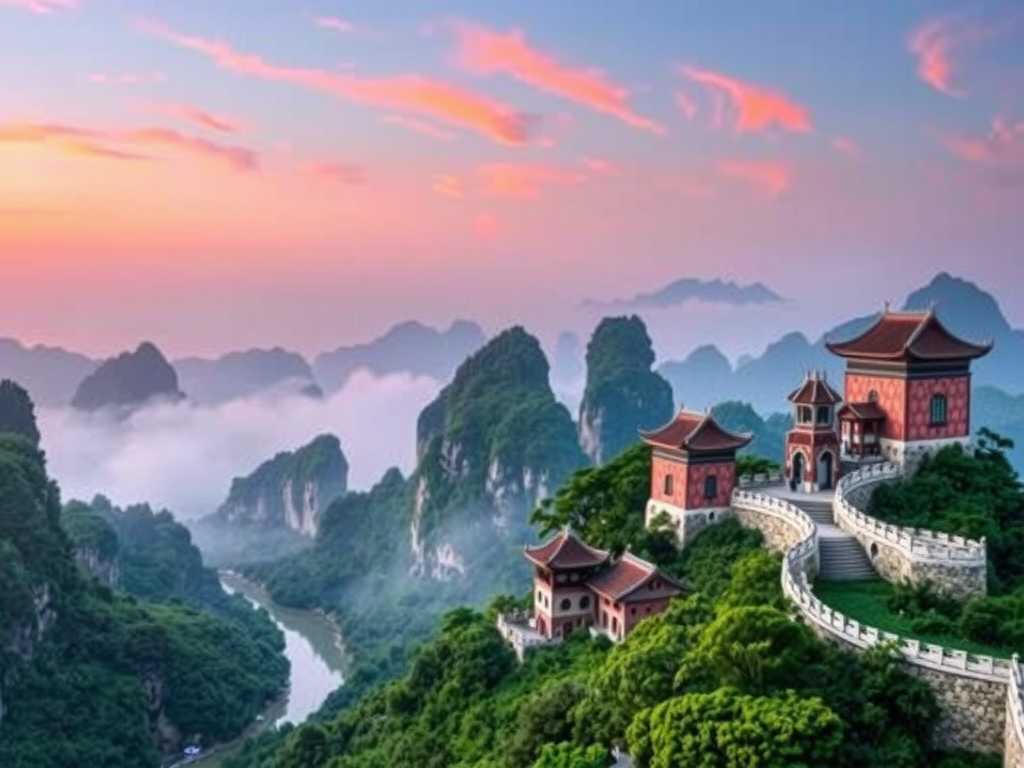
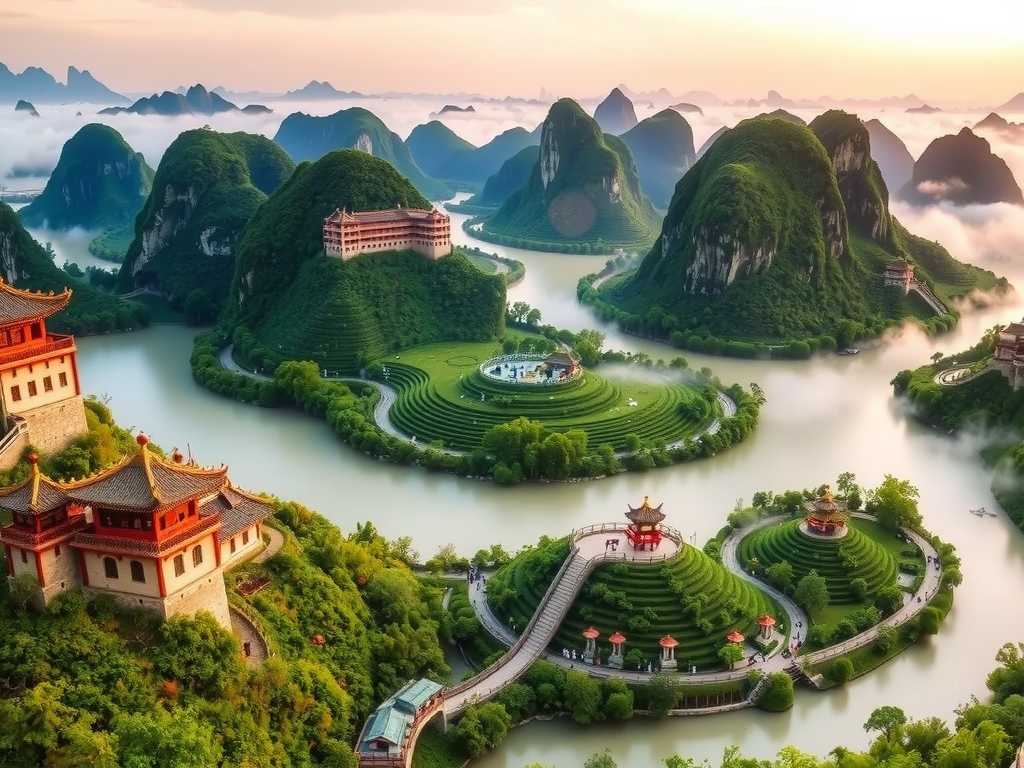
This region in Guangxi Province is the postcard-perfect image of China's natural beauty, featuring ethereal limestone peaks and serene rivers.
Li River Cruise from Guilin to Yangshuo
The 50-mile Li River cruise is the centerpiece of any scenic tour in southern China. As you drift downstream, you'll pass by verdant rice paddies, water buffalo, and the iconic karst mountains that have inspired Chinese poets and painters for centuries. The view of Nine Horses Fresco Hill and Xingping Village—featured on the 20 RMB banknote—are highlights. Opt for a bamboo raft on the quieter Yulong River in Yangshuo for a more intimate experience close to the water.
Yangshuo's Countryside Adventures
Yangshuo is the activity hub. Rent a bicycle and explore the flat paths through villages like Moon Hill and alongside the Yulong River. For a panoramic view, a short hike up Xianggong Mountain at sunrise is rewarded with a sea of mist-shrouded peaks. The "Impression Sanjie Liu" outdoor light show, directed by Zhang Yimou and set on the Li River itself, is a spectacular display of local folk culture. As noted in the China Tourism Academy's Annual Scenic Spot Report, the Guilin-Yangshuo region consistently ranks highest in visitor satisfaction for natural landscape integration and recreational value.
The Rugged Soul of Tibet: Himalayan Highlands & Cultural Pilgrimage
For raw, spiritual, and high-altitude beauty, a tour of Tibet offers an experience like no other. This journey requires careful planning due to permits and altitude.
Lhasa: The Heart of Tibetan Buddhism
Start in Lhasa to acclimatize. The colossal Potala Palace, the former winter residence of the Dalai Lama, dominates the skyline. Visit the Jokhang Temple, Tibet's most sacred site, where pilgrims prostrate themselves in devotion. Circling the Barkhor Street pilgrimage circuit alongside locals provides deep cultural insight. Travel writer and Tibet expert, Michael Buckley, advises, "Spend at least two full days in Lhasa to properly acclimatize and absorb the profound spiritual atmosphere before venturing further."
Journey to Everest Base Camp & Sacred Lakes
From Lhasa, a scenic drive along friendship Highway leads to Shigatse and onward to the North Face of Mount Everest. Spending a night at Rongbuk Monastery, the world's highest, with views of Everest's peak, is a pinnacle moment. Another must-experience scenic route loops to the holy Yamdrok Lake, its turquoise waters stunning against barren mountains, and to the glaciers of Karola Pass. These landscapes are not just visually stunning; they are integral to Tibetan cosmology and identity.
The Ancient Trade Routes: Silk Road Adventures Through Gansu & Xinjiang
This tour traces the paths of merchants and explorers, connecting colossal desert scenery with the history of cultural exchange.
Dunhuang's Desert Oasis & Buddhist Art
Dunhuang is a jewel in the desert. The Mogao Caves, a UNESCO site with 492 grottoes filled with Buddhist statues and murals, represent a thousand years of artistic excellence. Book tickets well in advance for specific cave tours. Just outside the city, the singing sand dunes of Mingsha Shan and the crescent moon-shaped oasis of Yueyaquan create a surreal desert landscape perfect for a camel ride at sunset.
Through the Hexi Corridor to Xinjiang's Junggar Basin
Traveling west, visit the impressive Jiayuguan Fortress, the symbolic end of the Great Wall. The rainbow-colored mountains of Zhangye Danxia National Geological Park look like a layered cake painted by nature. Continue into Xinjiang to experience vibrant Uyghur culture in Kashgar's Sunday Market, one of Asia's largest. The otherworldly rock formations and wind-eroded landscapes of the Ghost City (Urho) at sunset are unforgettable. According to historian and Silk Road author Peter Frankopan, "Traveling these routes today allows one to physically grasp the vast distances and diverse environments that shaped the exchange of goods, ideas, and faiths across Eurasia."
The Poetic Waterways: Jiangnan Canal & Ancient Town Tours
Experience the classic, graceful China of canals, classical gardens, and white-walled towns south of the Yangtze River.
Suzhou's Classical Gardens & Canals
Suzhou is famed for its UNESCO-listed classical gardens, like the Humble Administrator's Garden and Lingering Garden, which are masterpieces of miniature landscape design intended for contemplation. A punt ride along the ancient Pingjiang Road canal, lined with old houses and stone bridges, transports you back centuries. This region exemplifies the refined aesthetic that has long defined China's cultural scenic tours.
Zhouzhuang & Tongli: Venice of the East
A short trip from Suzhou takes you to well-preserved water towns like Zhouzhuang and Tongli. Wander stone-paved lanes, cross elegant double-arched bridges, and visit traditional residences built directly over the canals. The best time to visit is early on a weekday morning, before the day-trip crowds arrive, to enjoy the tranquil sounds of water and local life. Savoring a meal of local freshwater fish or crab at a waterside restaurant is an essential part of the experience.
What is the best time of year for scenic tours in China? Spring (April-May) and Autumn (September-October) are generally ideal nationwide, offering pleasant temperatures and clear skies. Summer can be hot and rainy in the south but is perfect for Tibet and high-altitude areas. Winter offers fewer crowds and stunning snowy landscapes on the Great Wall and in the north.
How do I manage travel between these diverse regions? China's high-speed rail network is efficient, comfortable, and excellent for connecting cities like Beijing, Xi'an, and Shanghai. For longer distances (e.g., to Tibet or Xinjiang) or to save time, domestic flights are extensive and affordable. For remote scenic areas, private drivers or organized tour vehicles are often the most practical choice.
Are these tours suitable for families or travelers with limited mobility? Yes, with planning. The imperial Beijing tour and the Jiangnan water towns offer good accessibility. The Great Wall has cable cars at sections like Mutianyu. The high altitude of Tibet and the rugged terrain of the Silk Road or Guilin's countryside hikes require good health and fitness. Always consult with tour operators about specific accessibility needs.
From the monumental to the mystical, the ancient to the awe-inspiring, these curated journeys offer more than just sightseeing—they provide a pathway to understanding China's soul. Each route weaves together staggering natural beauty with deep layers of history and culture, creating memories that resonate long after the journey ends. By focusing on these essential corridors of experience, you move beyond simple checklist tourism to embark on a truly transformative exploration of one of the world's most captivating destinations.
发表评论