 admin
admin Scenic China: Unmissable Tourist Attractions for Your Lifetime Journey
Planning a trip to China can feel overwhelming. With a landmass rivaling a continent and a history spanning millennia, how do you possibly choose where to go? You’re searching for those iconic, breathtaking sights that define Scenic China, but the sheer volume of options is paralyzing. This guide cuts through the noise. We’ve curated a selection of China’s most unmissable tourist attractions, balancing ancient wonders, natural masterpieces, and cultural epicenters to help you build the perfect itinerary.
The Ancient Wonders: Walking Through History
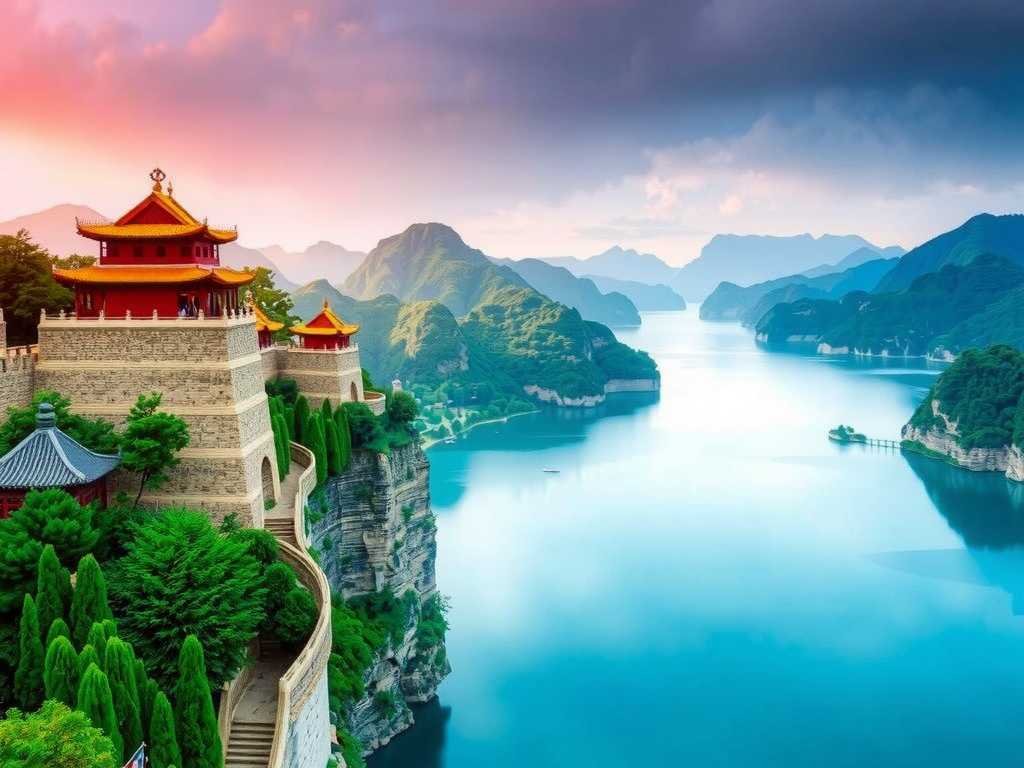
China’s landscape is a living museum, dotted with monuments that tell stories of imperial dynasties and philosophical traditions. These sites offer more than a photo opportunity; they are a tangible connection to the past.
The Great Wall: A Serpent Across Mountains No list of scenic China is complete without the Great Wall. Stretching over 13,000 miles, it’s not a single structure but a series of fortifications. For the best experience, skip the overcrowded sections near Beijing. Instead, consider Mutianyu for its stunning forested views and convenient cable car, or Jinshanling for a more rugged, authentic hike. As historian Dr. Li Wei notes, “The Wall’s true power isn’t just in its scale, but in its embodiment of perseverance. You’re walking on the labor and strategy of centuries.”
The Terracotta Army: Xi’an’s Silent Guardians Discovered by farmers in 1974, the Terracotta Army in Xi’an is an archaeological marvel. Over 8,000 life-sized soldiers, chariots, and horses stand in battle formation, each with unique facial features, guarding the tomb of China’s first emperor, Qin Shi Huang. The scale and detail are staggering. Visit the on-site museum to see ongoing restoration work, a testament to the site’s living history. It’s a profound reminder of ancient beliefs in the afterlife.
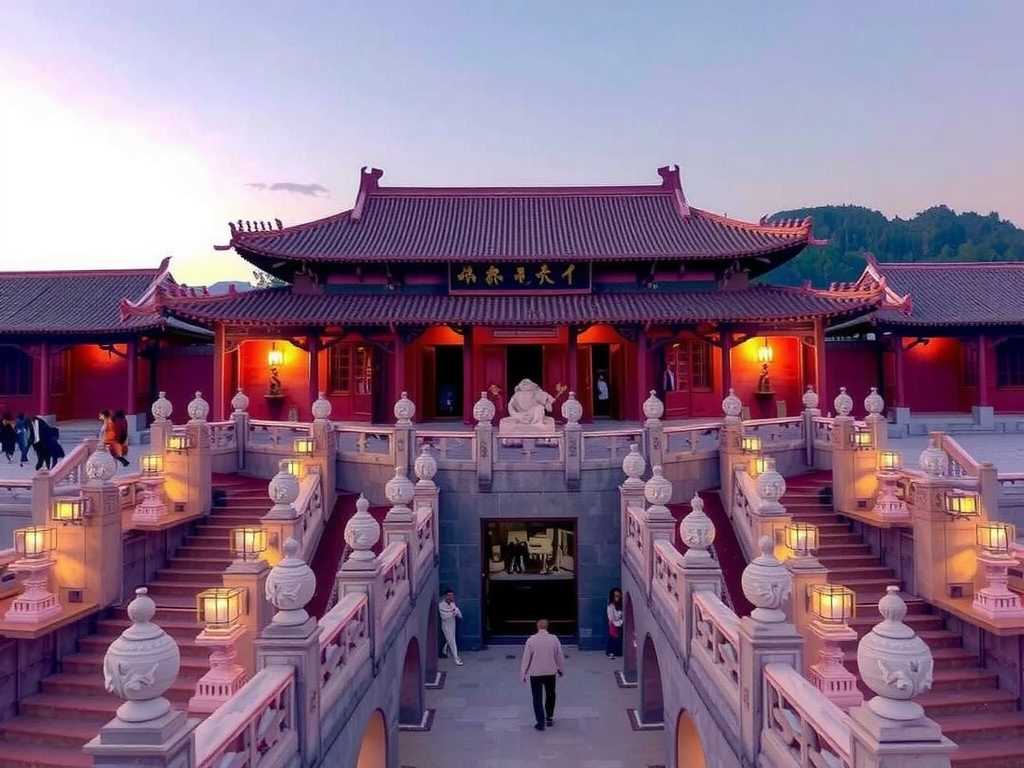
The Forbidden City: The Heart of Imperial Beijing For 500 years, this was the exclusive domain of emperors. Today, the Forbidden City, or the Palace Museum, is the world’s largest palace complex. Walk through a succession of grand courtyards and ornate halls, moving from the public Outer Court to the private Inner Court. The intricate symbolism in its architecture—from the yellow glazed tiles (representing the emperor) to the mythical animal statues on the roofs—reveals a deep cosmic order. Allocate at least half a day to appreciate its vastness.
Natural Masterpieces: Landscapes That Defy Imagination
Beyond its cities, China’s natural scenery is dramatically diverse. These destinations highlight the raw, poetic beauty that has inspired Chinese painters and poets for generations.
Zhangjiajie National Forest Park: The Avatar Mountains The towering sandstone pillars of Zhangjiajie seem to defy gravity. Shrouded in mist, these quartzite columns inspired the floating Hallelujah Mountains in the film Avatar. Explore the park via its glass-bottomed walkways clinging to cliff faces, or ride the Bailong Elevator, the world’s tallest outdoor lift, for panoramic views. According to the China Scenic Tourism Annual Report, visits to Zhangjiajie have grown by over 15% yearly, driven by its unique photogenic landscape.
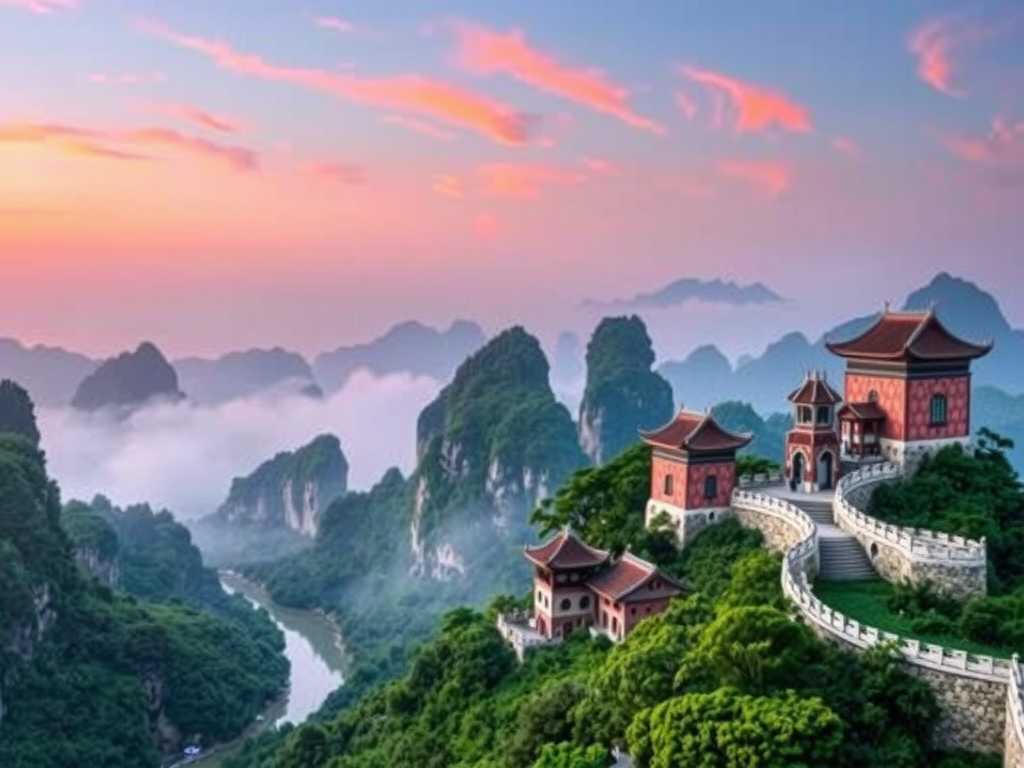
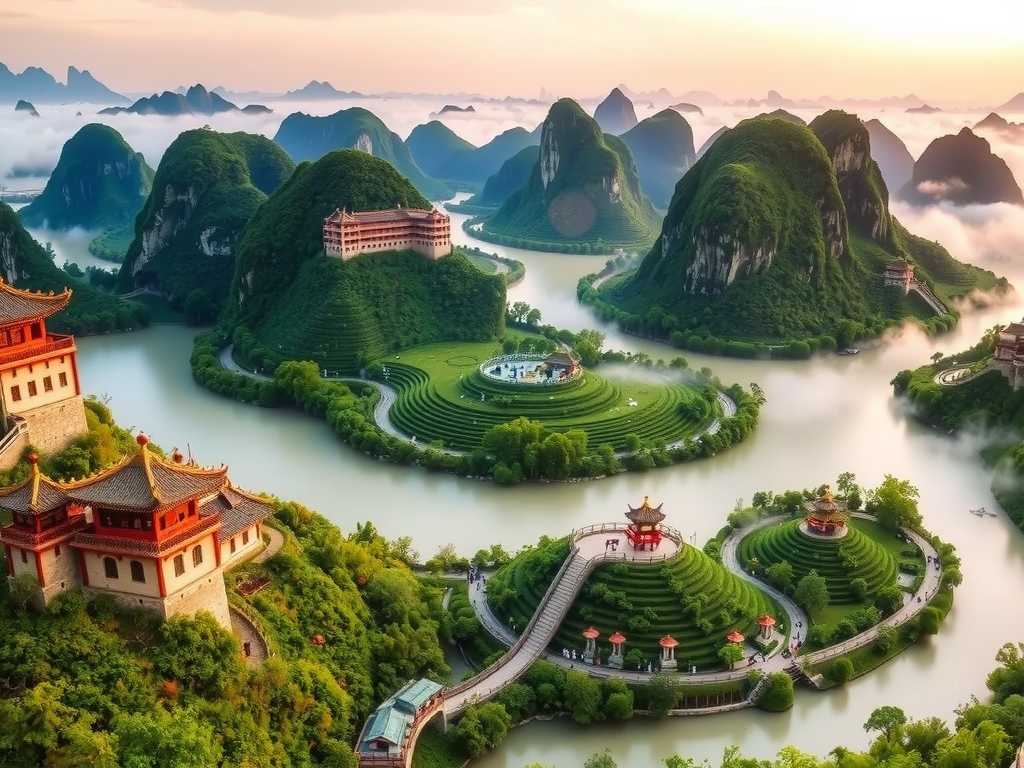
The Li River & Yangshuo: A Painting Comes to Life The cruise from Guilin to Yangshuo along the Li River is the quintessential Chinese landscape. Karst mountains with whimsical shapes rise vertically from the emerald-green water, with water buffalo and fishermen on bamboo rafts completing the scene. It’s serene and unforgettable. Disembark in Yangshuo to explore by bicycle, weaving through rice paddies and small villages for an intimate look at rural life.
Jiuzhaigou Valley: A Symphony of Color Located in Sichuan province, Jiuzhaigou is a nature reserve famed for its multi-colored lakes, cascading waterfalls, and snow-capped peaks. The crystal-clear, mineral-rich waters glow in stunning shades of turquoise, blue, and green. Wooden boardwalks allow you to explore this fairy-tale environment with minimal ecological impact. Autumn, when the surrounding forests blaze with red and gold, is considered the most spectacular time to visit.
Cultural Epicenters: The Rhythm of Ancient and Modern
China’s urban centers blend ancient traditions with hyper-modern energy. These cities showcase the dynamic, evolving spirit of the country.
Shanghai: The Pulse of Modern China Shanghai’s skyline is a breathtaking display of futuristic architecture. Stroll along the historic Bund, with its colonial-era buildings, and gaze across the Huangpu River at the neon-lit skyscrapers of Pudong, including the iconic Oriental Pearl Tower. Dive into the labyrinthine alleyways of the Old City for a taste of traditional tea houses and snack stalls. Shanghai is a masterclass in contrast and constant motion.
Suzhou: The Venice of the East Just a short trip from Shanghai, Suzhou offers a peaceful respite. Famous for its classical Chinese gardens, like the Humble Administrator’s Garden, the city embodies the Ming and Qing dynasty aesthetic of creating miniature idealized worlds. Canals, arched stone bridges, and whitewashed houses with black-tiled roofs complete the picturesque scene. It’s a essential stop for understanding China’s scholarly and artistic heritage.
Lhasa and the Himalayas: A Spiritual Ascent For a profoundly different experience, journey to Tibet. The Potala Palace in Lhasa, a monumental fortress-palace, is the historic home of the Dalai Lama and a UNESCO World Heritage site. The atmosphere is one of deep devotion. Combine this with views of the majestic Mount Everest (known as Qomolangma) from the Tibetan side for a journey that is as much about inner reflection as it is about external scenery.
Navigating Your Scenic China Adventure
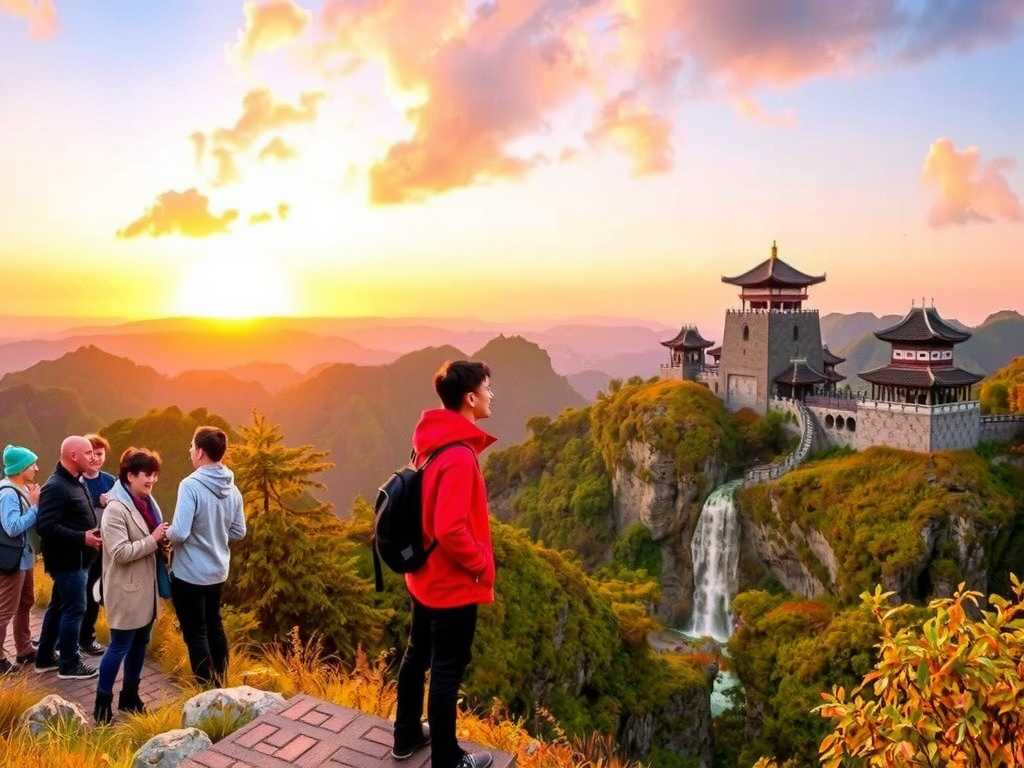
To make the most of visiting these unmissable tourist attractions, practical planning is key. First, consider timing. Spring (April-May) and autumn (September-October) generally offer the most pleasant weather across the country. Second, invest in a good VPN for internet access and download translation apps like Pleco or Google Translate. Finally, for long-distance travel, China’s high-speed rail network is efficient, comfortable, and offers a great way to see the countryside.
Frequently Asked Questions
What is the best time of year to visit the Great Wall? The ideal seasons are spring and autumn. Summer can be hot and crowded, while winter offers stark, beautiful landscapes but with very cold temperatures and potential closures during snow.
Is it difficult to travel in China without speaking Mandarin? In major tourist cities and at iconic sites, basic English is often understood. However, learning a few key phrases (hello, thank you, bathroom) is appreciated. Using translation apps and having your hotel’s address written in Chinese characters is highly recommended for smoother travel.
How many days should I allocate for a first-time trip to China? A minimum of 10-14 days is recommended to cover the essentials without rushing. A classic first-timer itinerary might include 3-4 days in Beijing (for the Wall and Forbidden City), 2-3 days in Xi’an (for the Terracotta Army), and 3-4 days split between Shanghai and a nearby water town like Suzhou.
From the silent march of the Terracotta Army to the surreal peaks of Zhangjiajie, the destinations that define scenic China offer a journey through time, nature, and human achievement. Each site provides a unique window into the soul of this vast country. By focusing on these unmissable highlights, you move beyond simple checklist tourism to create a travel experience filled with awe, understanding, and memories that will last far beyond your return flight home.
发表评论