 admin
admin Discover the Breathtaking Scenic Beauty of China: A Journey Through Timeless Landscapes
Planning a trip to China can feel overwhelming. With a landmass so vast and a history so deep, how do you even begin to choose where to witness its most breathtaking scenic beauty? The challenge isn't finding beauty—it's navigating the sheer scale of it, from jagged mountain peaks piercing the clouds to serene rivers winding through ancient villages. This guide cuts through the complexity, offering a curated journey through China's most awe-inspiring natural and cultural landscapes. We'll provide clear, actionable insights to help you move from dream to itinerary, ensuring your adventure captures the true essence of this magnificent country.
A Tapestry of Natural Wonders: From Peaks to Gorges
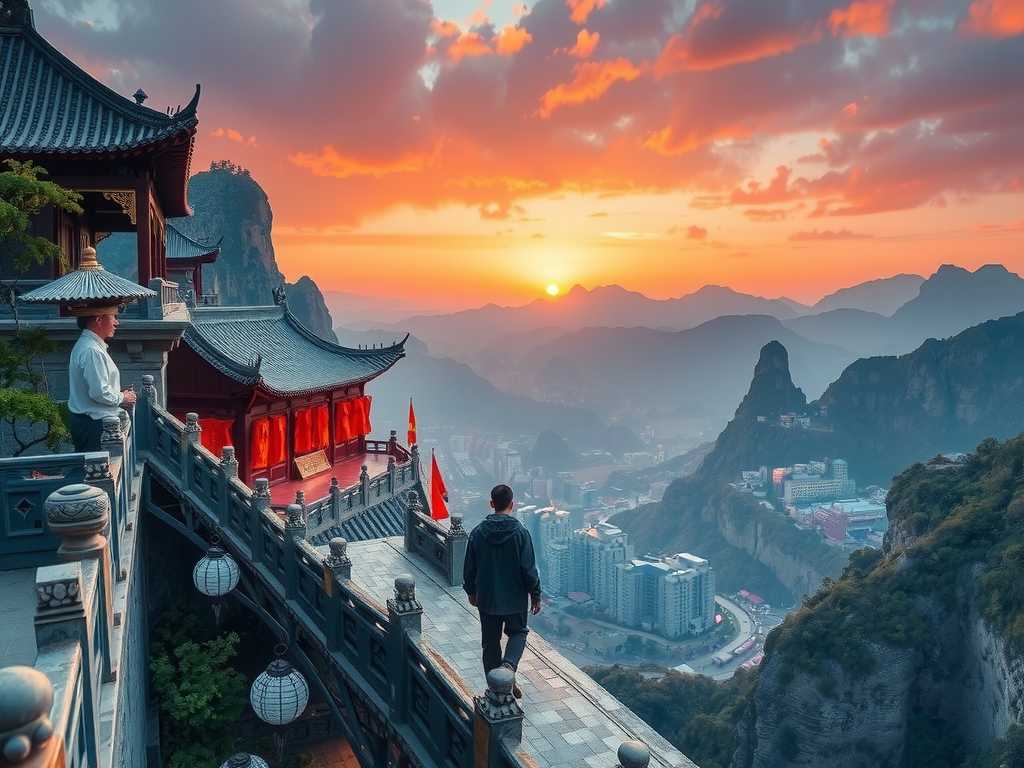
China's geography is a masterpiece of dramatic contrasts, offering vistas that have inspired poets and painters for millennia. To truly appreciate its scenic beauty, one must explore its diverse natural canvases.
The Avatar-Inspired Peaks of Zhangjiajie Rising like massive stone pillars cloaked in mist and greenery, the quartz-sandstone peaks of Zhangjiajie National Forest Park in Hunan province seem plucked from a fantasy. Often cited as the inspiration for the floating Hallelujah Mountains in the film Avatar, this UNESCO Global Geopark is a testament to nature's sculptural power. The best way to experience its grandeur is by walking the vertigo-inducing glass walkways clinging to the cliff faces or taking the Bailong Elevator, the world's tallest outdoor lift, for a panoramic view. As noted by geologist Dr. Li Wen in a 2022 report on East Asian karst formations, "Zhangjiajie represents a unique and extreme form of sandstone peak forest erosion, offering an unparalleled laboratory for studying geological history." The interplay of light, mist, and these towering formations creates a scene that is both humbling and utterly surreal.
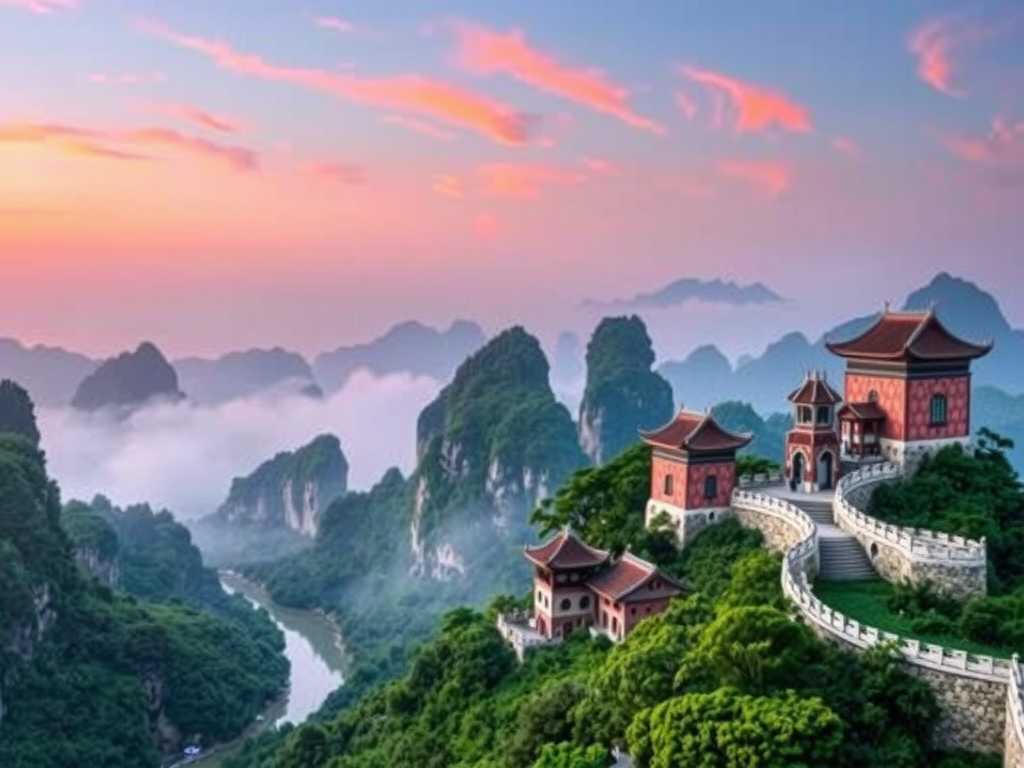
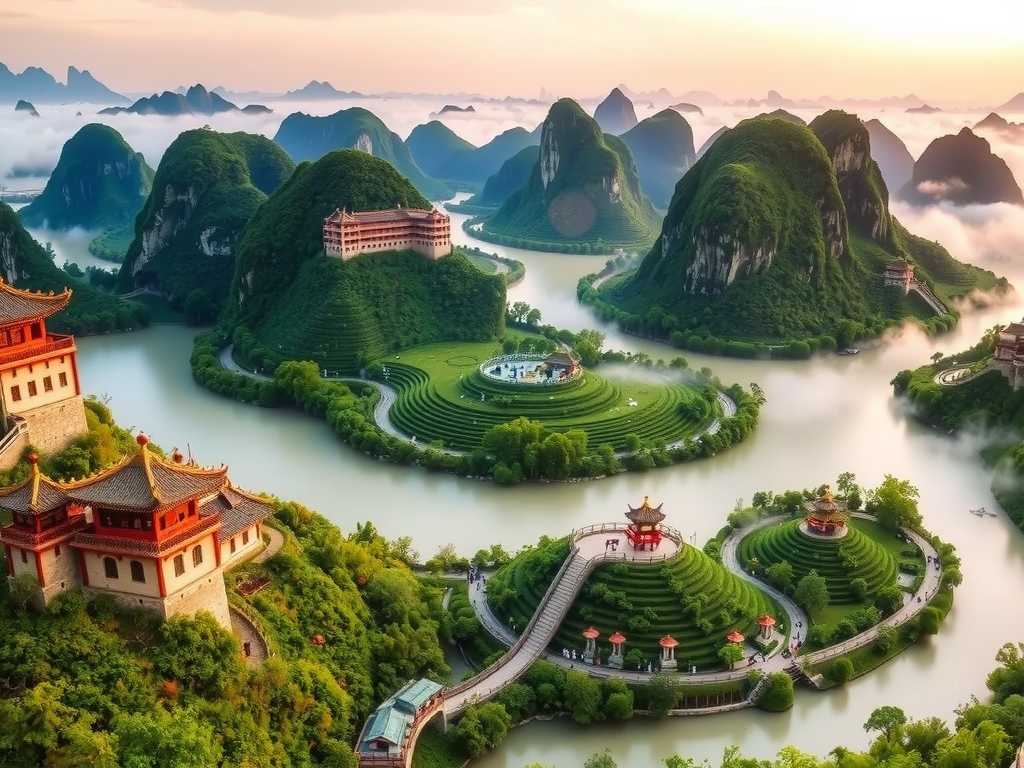
The Ethereal Beauty of Guilin and the Li River The phrase "East or west, Guilin landscape is best" is a well-known Chinese saying for a reason. The landscape here is the classic image of China's breathtaking scenic beauty: sheer limestone karst hills draped in vegetation, rising mysteriously from the placid waters of the Li River. A leisurely cruise from Guilin to Yangshuo is the quintessential experience. As you drift past water buffalo grazing on riverbanks and fishermen with their cormorants, the scenery unfolds like a living scroll painting. Each bend in the river reveals a new, perfectly composed vista, making it clear why this area is a top subject for photographers and artists worldwide.
The Coloured Mountains of Zhangye Danxia Proof that China's beauty isn't only green and grey, the Zhangye Danxia Landform Geological Park in Gansu province looks like a rainbow painted across rolling mountains. These spectacular colours—stripes of red, yellow, orange, and green—are the result of mineral deposits and sandstone layers being uplifted and eroded over 24 million years. The best time to visit is at sunrise or sunset when the low-angle light intensifies the colours, making the hills appear to glow from within. It's a vibrant, otherworldly landscape that feels more like Mars than Earth.
Cultural Landscapes Where History Meets Nature
In China, human ingenuity and natural splendor are often intertwined. These are places where ancient traditions have shaped the environment, creating landscapes of profound cultural and aesthetic significance.
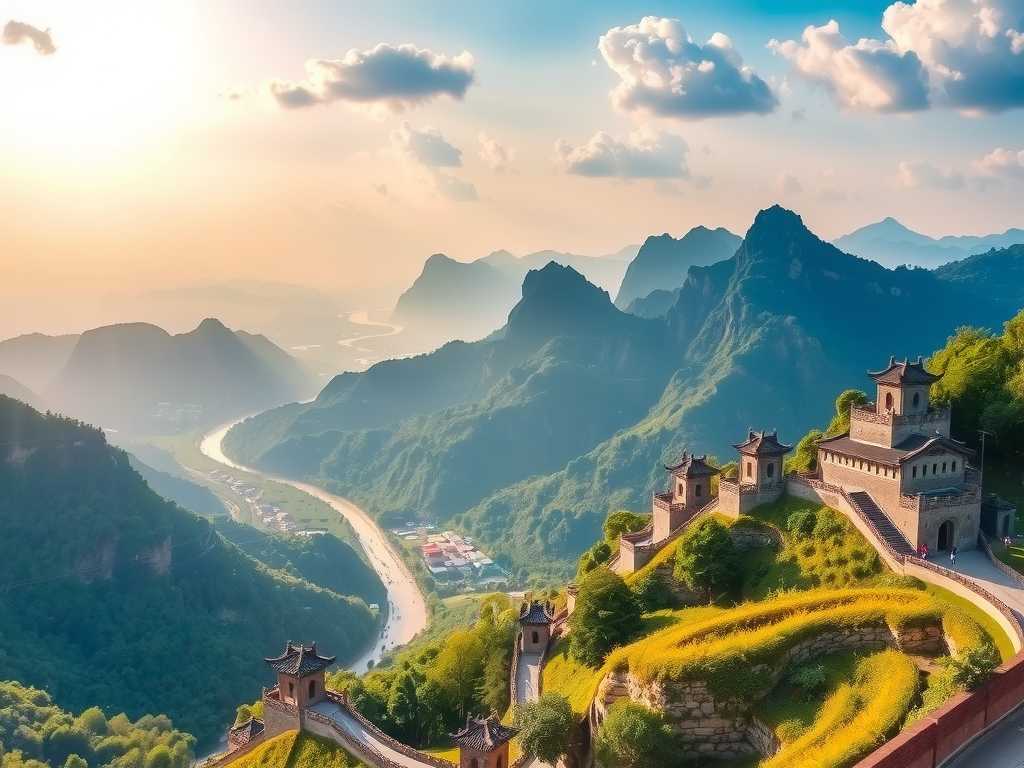
The Iconic Great Wall Snaking Over Mountains No symbol of China is more iconic than the Great Wall. While its historical purpose was defensive, its scenic beauty is undeniable. To avoid the crowds and see the Wall in its most dramatic state, head to the Jiankou or Jinshanling sections near Beijing. Here, the ancient stone battlements follow the razor-backed ridges of steep, forested mountains, disappearing into the haze. Hiking along these unrestored, wilder sections offers not only a physical challenge but also a powerful, visceral connection to history set against a backdrop of rugged, rolling peaks. It’s a stark reminder of how human ambition was forged into the very bones of the land.
The Dreamlike Water Towns of the Yangtze Delta South of the Yangtze River, a network of ancient canals, stone bridges, and whitewashed houses with black-tiled roofs defines the region's classic water towns. Towns like Wuzhen, Zhouzhuang, and Xitang offer a glimpse into a slower, more poetic China. The best way to experience them is to stay overnight. As the day-trippers leave, the towns quiet down. Glide through the canals on a hand-rowed boat at dusk, see lanterns reflected in the still water, and listen to the gentle lapping against ancient piers. This is a subtle, serene form of beauty where every cobblestone and willow tree whispers centuries of stories.
The Spiritual Majesty of Sacred Mountains China's sacred mountains, particularly the five Great Taoist Mountains, are pilgrimage sites where natural grandeur and spiritual devotion merge. Mount Huangshan (the Yellow Mountain) is arguably the most famous for its scenic beauty. Its "four natural wonders"—oddly shaped pines, hot springs, sea of clouds, and spectacular rock formations—have been celebrated in art for centuries. Waking up at a summit hotel to watch the sunrise over a rolling ocean of clouds, with granite peaks breaking through like islands, is a transcendent experience. Similarly, the Buddhist Mount Emei and the precariously perched monasteries of Mount Hengshan offer journeys where breathtaking views are earned through ascent and contemplation.
Planning Your Journey to China's Scenic Heart
To fully embrace these landscapes, a thoughtful approach is key. Here’s how to structure your exploration for maximum impact and authenticity.
Choosing the Right Season for Each Region China's climate is diverse, and timing is everything. For clear views of mountain areas like Zhangjiajie and Huangshan, aim for the stable, dry autumn months (September to November). Spring (April to May) brings blooming flowers to Guilin and the water towns, but be mindful of the rainy season. The rainbow mountains of Zhangye are stunning year-round but can be extremely hot in summer and cold in winter. The Great Wall is particularly magnificent in autumn foliage or under a dusting of winter snow, offering dramatically different perspectives.
Embracing Sustainable and Respectful Travel The preservation of these fragile ecosystems and ancient sites is a shared responsibility. Stick to marked trails, carry out all waste, and respect local customs—especially in culturally significant areas like temples and minority villages. Consider supporting community-based tourism initiatives, such as homestays in rural Yangshuo or tea plantation visits, which offer deeper immersion and ensure your visit benefits local guardians of the landscape directly.
Going Beyond the Classic Photo Stops While the famous viewpoints are unmissable, some of the most profound moments come from venturing slightly off the beaten path. In Guilin, rent a bicycle and explore the Yulong River valley, where you'll have footbridges and rice paddies largely to yourself. At the Great Wall, spend a night in a nearby village to access sections for sunrise before the crowds arrive. These efforts move you from being a spectator to a participant in the landscape.
Frequently Asked Questions
What is the single most scenic place in China? While it's subjective, the Li River cruise from Guilin to Yangshuo consistently ranks as the most iconic and accessible representation of China's classic landscape beauty, combining serene water, unique karst mountains, and glimpses of rural life into one unforgettable experience.
Is it difficult to travel between these scenic spots? China's high-speed rail network is extensive and efficient, connecting major hubs like Beijing, Xi'an, and Shanghai to gateways near these scenic areas. For more remote locations like Zhangjiajie or Zhangye, domestic flights are readily available. Planning your route in a logical geographical sequence and booking transport in advance is highly recommended.
Are these destinations suitable for families or less active travelers? Absolutely. Many sites offer varying levels of accessibility. Guilin's Li River cruise is leisurely and suitable for all ages. Zhangjiajie has cable cars and elevators to access major viewpoints. The more developed sections of the Great Wall, like Mutianyu, have cable cars and gentle slopes. Always research the specific access options for each location to match your comfort level.
China's breathtaking scenic beauty is a profound dialogue between earth and sky, history and the present moment. It invites you not just to look, but to wander, to wonder, and to connect with a land that has shaped human imagination for centuries. From the painterly hills of Guilin to the monumental wall winding across northern ridges, each landscape tells a part of China's grand story. By traveling with curiosity and respect, you become a part of that story, carrying home memories carved not just in stone, but in the heart.
发表评论