 admin
admin Discover China’s Scenic Landmarks & Culture: Your Ultimate Travel Companion
Planning a trip to China can feel overwhelming. With a territory so vast and a history spanning millennia, where do you even begin? Many travelers struggle to move beyond the well-trodden path of a few major cities, missing out on the profound depth of China’s scenic landmarks and living culture. This guide is designed to cut through the confusion. We’ll provide a structured, insightful journey into China’s most breathtaking landscapes and the rich cultural tapestry that gives them meaning, helping you plan an experience that is both visually stunning and deeply authentic.
Understanding the Soul of China’s Landscapes
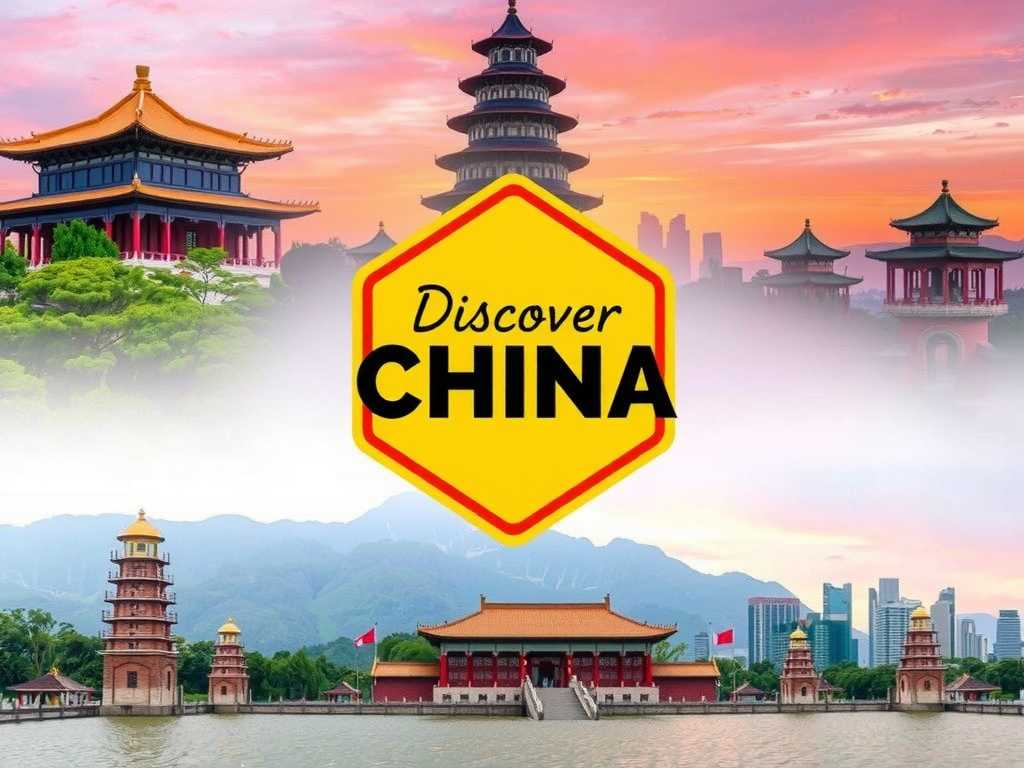
China’s geography is a dramatic storybook of nature’s power. From the jagged peaks of the Huangshan mountains piercing the clouds to the serene limestone karsts of Guilin rising from the Li River, each region tells a unique tale. These are not just pretty views; they are the physical embodiment of Chinese philosophy, art, and spirituality. For centuries, poets and painters have sought inspiration here, creating a tradition where landscape and culture are inseparable. To truly discover China’s scenic landmarks & culture, one must learn to see the landscape through this historical and artistic lens.
A Regional Guide to Iconic Scenic Landmarks
To navigate efficiently, we break down the country into key regions, each offering a distinct flavor of natural beauty and cultural heritage.
The Classic Panorama: Eastern China’s Refined Beauty This region is home to some of China’s most iconic and culturally significant vistas.
- The Yellow Mountains (Huangshan): More than a mountain range, Huangshan is a symbol of perseverance and ethereal beauty. Its granite peaks, often shrouded in “sea of clouds,” have been the subject of countless ink paintings. The experience is as much about the challenging hikes and ancient, gnarled pine trees as it is about the view itself, reflecting the Taoist pursuit of harmony with nature.
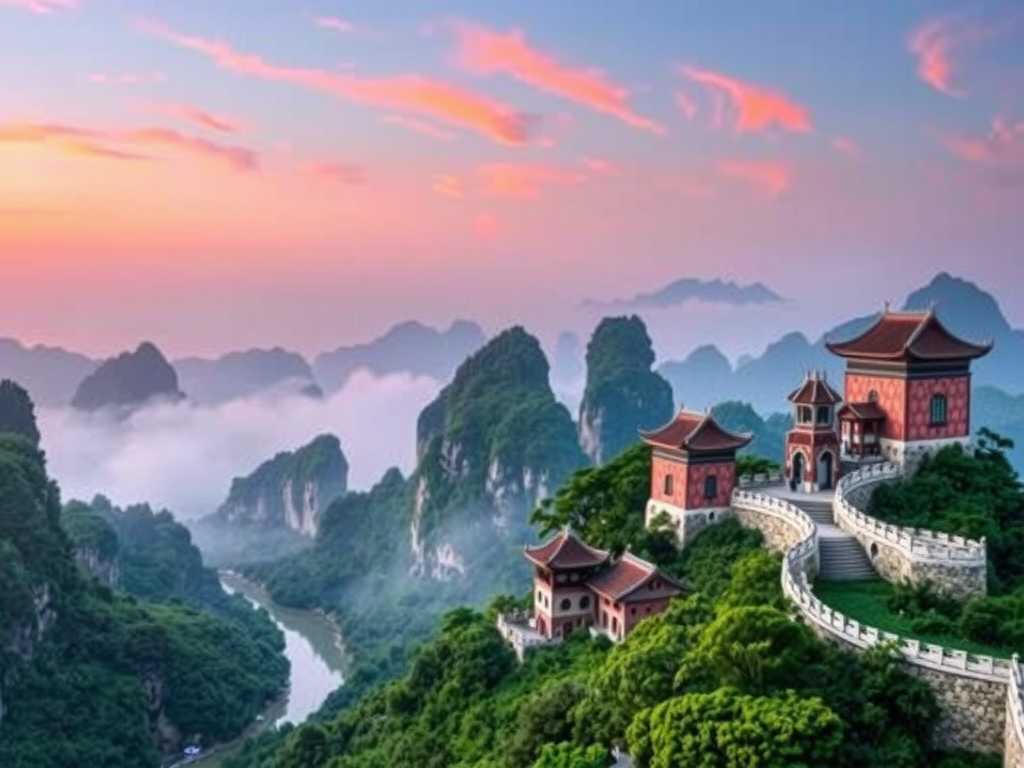
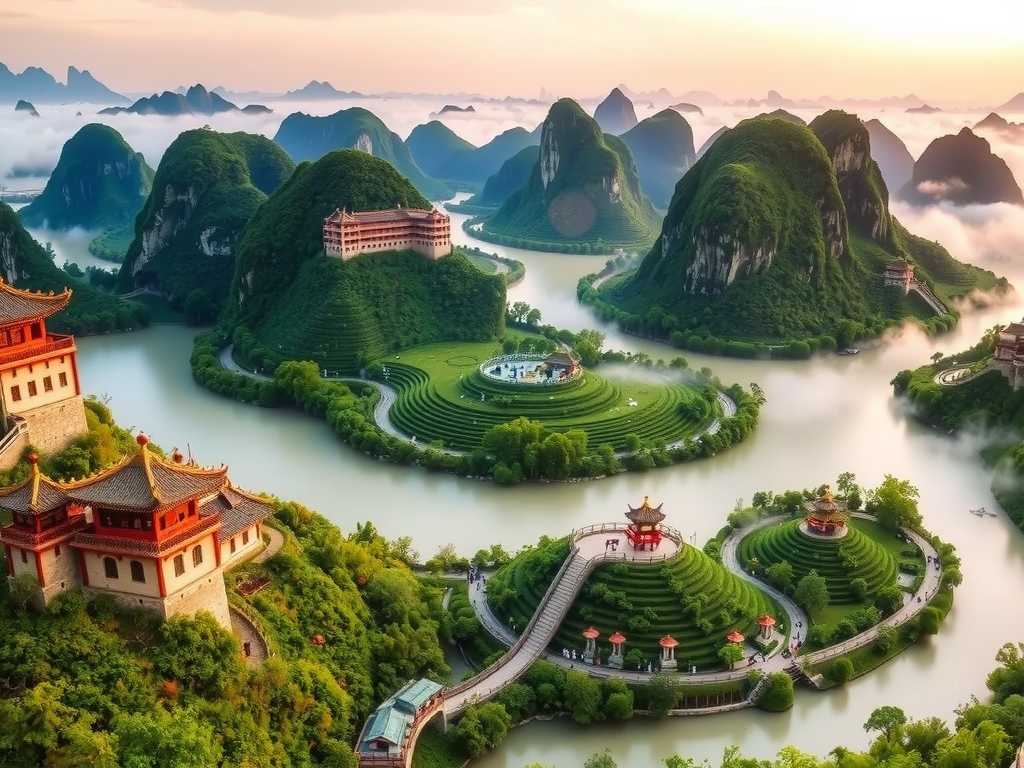
- The Li River & Yangshuo: This is the picture-postcard landscape of southern China. A cruise along the Li River offers a slow-paced journey past towering karst formations, water buffalo, and bamboo groves. As noted by travel anthropologist Dr. Li Wen, “The Li River landscape is a living painting. The culture here is laid-back, agrarian, and best experienced by bike through the villages around Yangshuo.”
The Rugged Frontiers: Western China’s Dramatic Canvas For those seeking raw, untamed beauty, Western China presents landscapes of epic scale.
- Zhangjiajie National Forest Park: The towering sandstone pillars that inspired the floating “Hallelujah Mountains” in Avatar are a geological wonder. Walking the glass-bottomed bridges and viewing platforms here is a thrilling immersion into a prehistoric-looking world.
- Jiuzhaigou Valley: A UNESCO site famed for its crystal-clear, multi-colored lakes, cascading waterfalls, and snow-capped peaks. The Tibetan and Qiang ethnic cultures add a rich layer to the visit, with prayer flags fluttering in the mountain breeze, reminding visitors of the deep spiritual connection to the land.
Cultural Threads Woven into the Land
The scenery provides the stage, but the culture provides the story. Understanding a few key elements will transform your sightseeing into meaningful discovery.
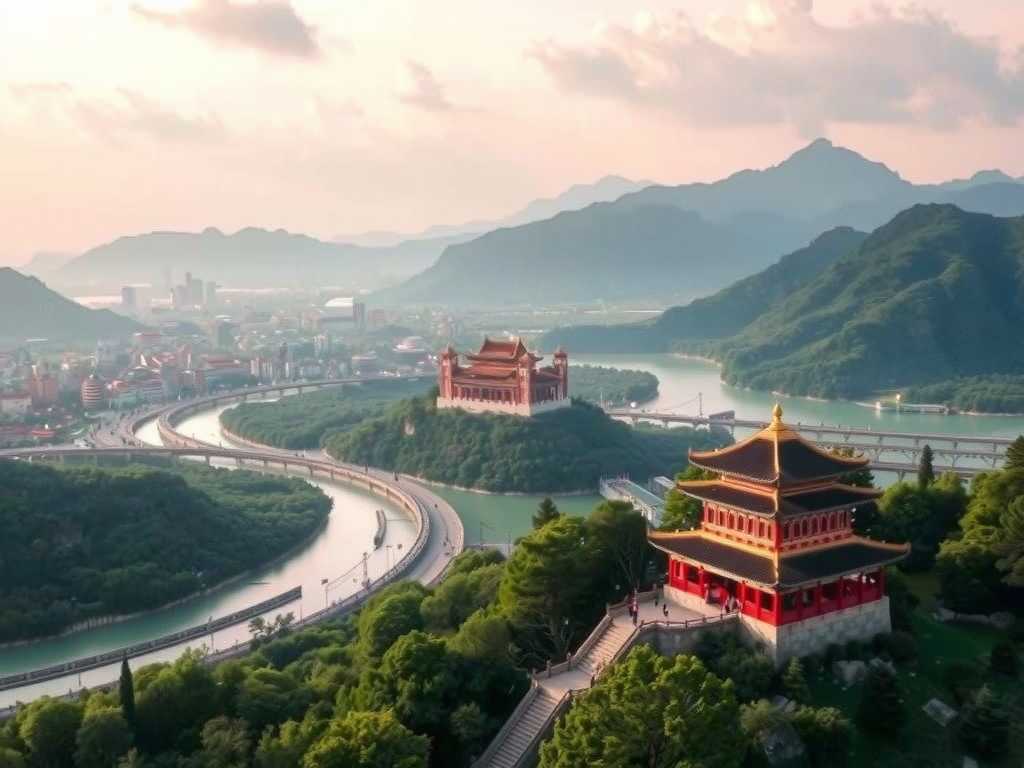
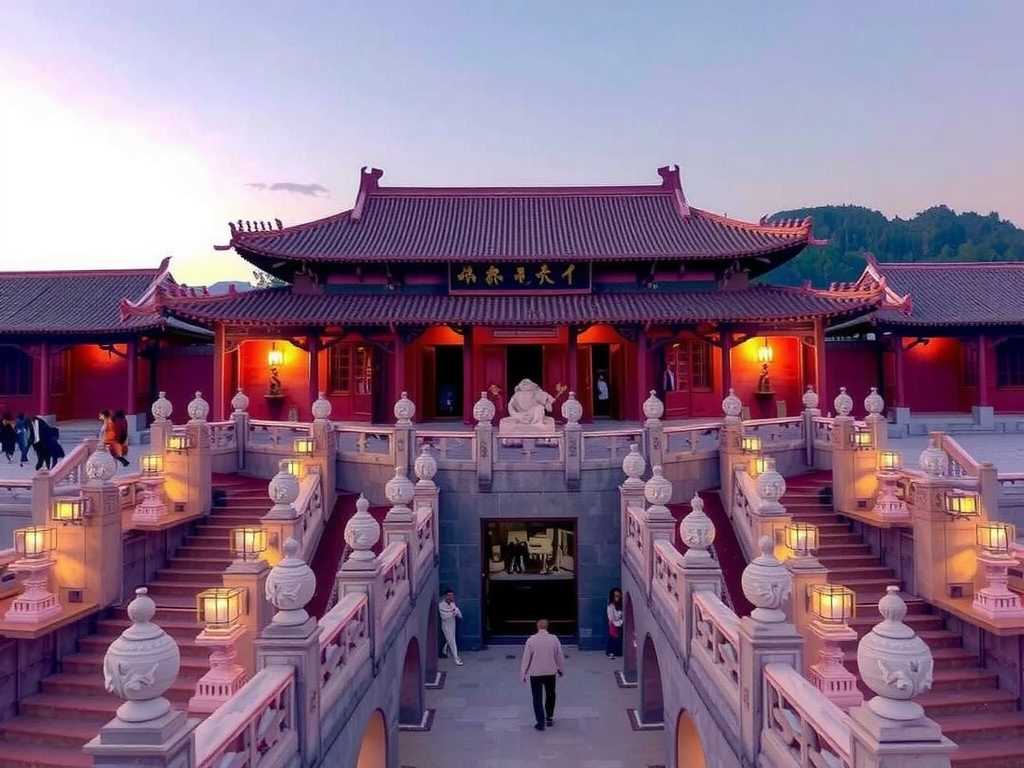
Architecture in Harmony with Nature Chinese traditional architecture seeks to complement, not conquer, the landscape. The winding corridors of the Summer Palace in Beijing are designed to frame views of Kunming Lake and Longevity Hill. The sacred Mount Emei is dotted with ancient monasteries built into cliffsides, where the sound of bells mixes with forest streams. This principle of Feng Shui—aligning human spaces with natural energy flows—is visible everywhere.
The Culinary Map: A Taste of Place Food is a direct expression of local geography and culture. The spicy, numbing flavors of Sichuan cuisine arise from a humid climate, while the delicate, sweet-and-sour dishes of the Jiangnan region mirror its gentle waterways and prosperous history. A meal is never just a meal; it’s a geographical and historical lesson on a plate.
Festivals and Living Traditions Time your visit with a local festival to see culture in vibrant action. The Dragon Boat Festival sees frantic races on southern rivers. Tibetan New Year (Losar) in places like Shangri-La features masked dances and temple ceremonies against a Himalayan backdrop. Participating respectfully offers an unforgettable glimpse into community spirit.
Practical Tips for an Immersive Journey
- Travel Against the Tide: Consider visiting iconic sites like the Great Wall at Mutianyu or Jinshanling instead of Badaling for a less crowded experience. Explore Pingyao Ancient City to understand Ming-Qing dynasty urban planning without the skyscrapers.
- Engage with Context: Hire a local guide at historical sites. A good guide can explain the symbolism behind the architecture of the Forbidden City or the stories etched into the Buddhist grottoes at Longmen.
- Embrace Slow Travel: Spend more time in fewer places. Stay in a traditional courtyard hotel (siheyuan) in Beijing, or a guesthouse in a Fujian Tulou (earthen building) to connect with local life.
How many days do I need to get a good sense of China’s diversity? A minimum of 10-14 days is recommended to cover two distinct regions (e.g., Beijing/Great Wall + Guilin/Yangshuo or Shanghai/Huangshan + Xi’an). For a more comprehensive journey including western frontiers, consider three weeks or more.
Is it difficult to travel between these scenic landmarks? China’s high-speed rail network is extensive, efficient, and connects most major cities and tourist hubs. For remote natural sites like Jiuzhaigou, domestic flights are often necessary. Planning and booking transport in advance is crucial.
How can I ensure my visit is culturally respectful? Learning a few basic Mandarin phrases is greatly appreciated. Always ask permission before photographing people. Dress modestly when visiting temples or sacred sites. Understanding basic dining etiquette, like not sticking chopsticks upright in a bowl of rice, shows respect for local customs.
China offers a journey that engages all the senses. It’s the mist clearing to reveal a mountain peak, the taste of a unfamiliar dish that becomes a favorite, the sound of a folk song in a distant village, and the awe of standing before ancient wonders. By moving beyond the checklist and seeking the connection between the land and its people, you do more than just visit—you begin to understand. Your adventure to discover China’s scenic landmarks & culture awaits, promising memories that are as profound as the landscapes themselves.
发表评论