 admin
admin China’s Scenic Treasures: For Nature Lovers Seeking the Ultimate Escape
Are you a nature lover feeling overwhelmed by generic travel lists, craving truly transformative landscapes that are both awe-inspiring and authentically preserved? You dream of pristine lakes, misty mountains, and ancient forests, but worry about navigating the vastness of a country as immense as China. Where do you even begin to find its hidden gems and iconic natural wonders? This guide is crafted for you. We cut through the noise to map out China’s most breathtaking scenic treasures, providing the clarity and practical insight you need to plan an unforgettable journey into the heart of Asia’s most diverse and stunning natural realms.
Beyond the bustling megacities lies a China of profound and serene beauty, a paradise for hikers, photographers, and anyone who finds peace in the wild. From the rainbow-colored mountains of the northwest to the jagged karst peaks of the south, the country’s natural diversity is staggering. This isn’t just about sightseeing; it’s about immersive experiences that reconnect you with the planet’s raw majesty. Let’s explore these treasures systematically.
A Journey Through China’s Diverse Landscapes
China’s vast territory encompasses nearly every ecosystem imaginable. Understanding these regional characters is the first step in crafting your perfect nature-centric itinerary.
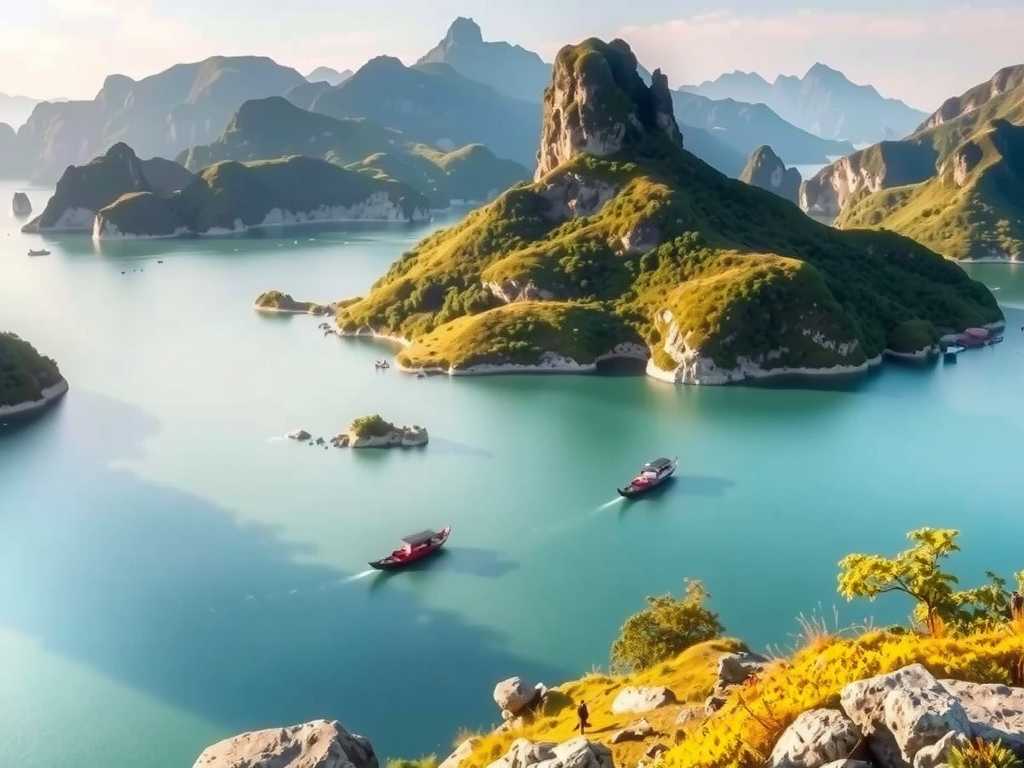
The Southwest: Karst Peaks and Crystal Waters This region is the poster child for China’s ethereal beauty, where limestone geology creates dreamlike scenery.
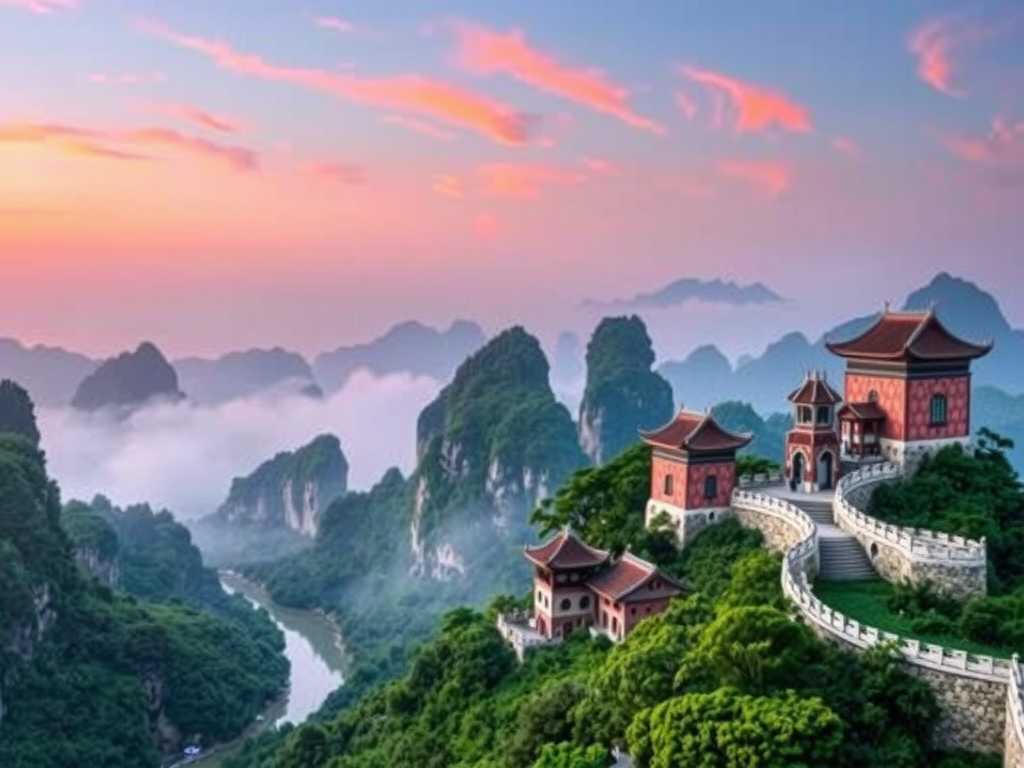
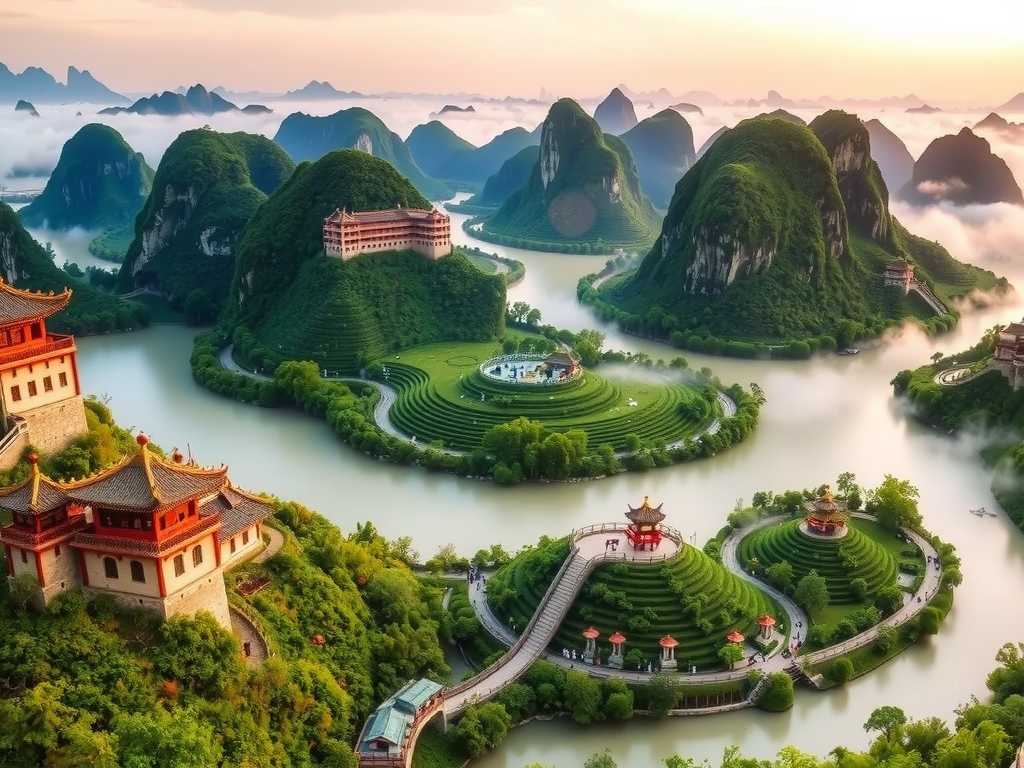
- Guilin and Yangshuo: The Li River’s serene cruise offers a front-row seat to one of the world’s most iconic landscapes. As noted by geologist Dr. Li Wei in a 2022 report on Asia’s karst systems, “The pinnacle karst formations along the Li River represent a mature stage of geological evolution, creating a harmonious interaction between water and rock that is visually unparalleled.” For the active traveler, cycling through the Yulong River valley or hiking up to the Xianggong Mountain viewpoint provides intimate encounters with this magical scenery.
- Zhangjiajie National Forest Park: The inspiration for the floating Hallelujah Mountains in Avatar, this park’s thousands of quartz-sandstone pillars rise like stone giants from a sea of mist. Walking the vertigo-inducing glass bridges or taking the Bailong Elevator built into the cliff face are experiences that blend natural wonder with human engineering.
The Tibetan Plateau: The Roof of the World For high-altitude drama and spiritual serenity, the plateau is unmatched. It’s a region that demands respect and preparation.
- The Himalayas and Mount Everest (North Face): The Rongbuk Valley offers what many consider the most awe-inspiring view of Everest’s north face. The journey itself, through high passes and past turquoise lakes, is as memorable as the destination.
- Yading Nature Reserve: Often called “the last Shangri-La,” Yading’s sacred trio of snow-capped peaks—Chenrezig, Jambeyang, and Chanadorje—are encircled by pristine forests, meadows, and lakes. The multi-day trek around them is a pilgrimage for serious hikers.
The Northwest: Deserts, Rainbow Mountains, and Alpine Lakes This is the realm of stark contrasts and surreal colors, where the Silk Road history meets dramatic geology.
- Zhangye Danxia Landform Geological Park: These mountains look like they’ve been painted by a giant; layers of mineral deposits over 24 million years have created stripes of crimson, gold, and emerald. The best time to witness this color explosion is at sunset or after rainfall.
- Kanas Lake in Xinjiang: Nestled in the Altai Mountains, this crescent-shaped lake is famed for its mysterious “lake monster” legends and, more verifiably, its stunning color that changes from azure to jade green with the seasons. The surrounding Tuva villages and birch forests add cultural depth to the natural splendor.
Planning Your Visit to China’s Natural Wonders
Loving the idea is one thing; executing the trip is another. Here’s how to navigate the practicalities.
Best Times to Visit China’s seasonal variations are extreme. Generally, spring (April-May) and autumn (September-October) offer the most temperate weather and vibrant colors—spring blossoms or autumn foliage. Summer can be hot and crowded, while winter offers stark, crowd-free beauty in many regions, though some areas become inaccessible. Always check regional climates; subtropical south China has a different calendar than the frigid northeast.
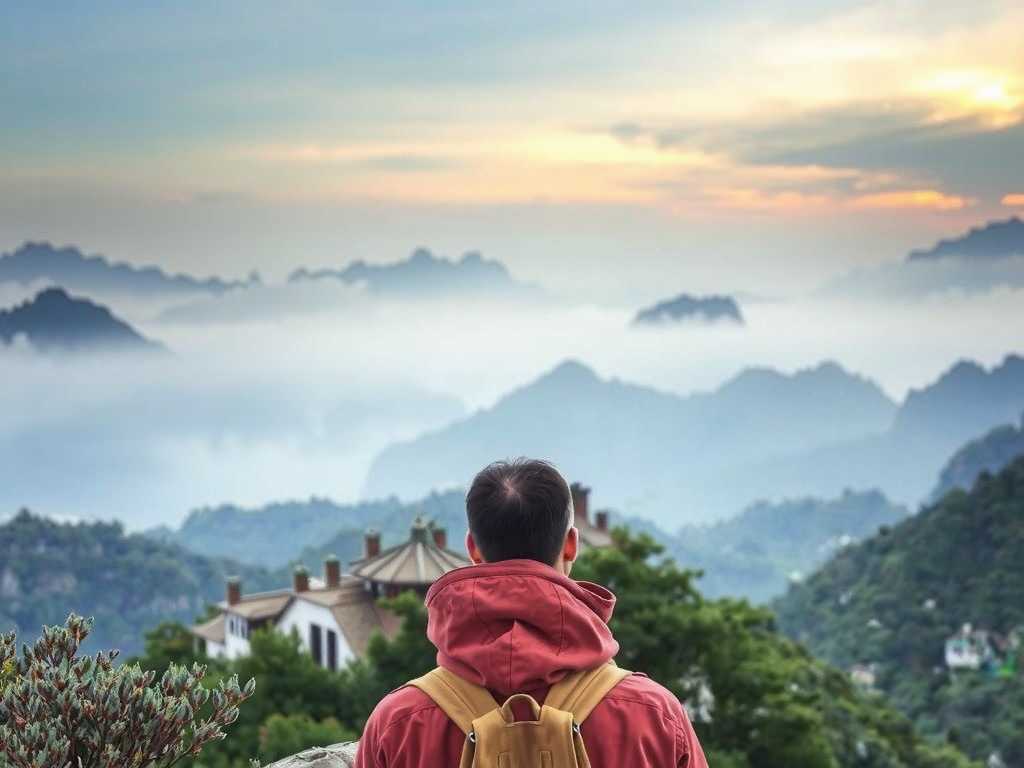
Responsible Travel Practices Your visit should help preserve these treasures. Stick to marked trails to prevent erosion. Carry out all trash—facilities can be sparse in remote areas. Respect wildlife by observing from a distance. As emphasized by the China Ecotourism Association, “The long-term preservation of our natural heritage depends on visitors who see themselves as stewards, not just consumers, of the landscape.” Support local communities by choosing homestays or local guides, which distributes tourism income more directly and fosters authentic cultural exchange.
Essential Travel Tips
- Transport: For major parks, high-speed trains now connect many gateway cities. For remote sites, private drivers or small group tours are often necessary.
- Permits: Travel to Tibet and some border regions (like parts of Sichuan near Yading) requires special permits arranged weeks in advance through licensed travel agencies.
- Acclimatization: For high-altitude destinations (over 3,000 meters), plan for at least 1-2 days of light activity upon arrival to acclimatize and avoid Acute Mountain Sickness.
Capturing the Moment: Photography and Immersion
While photos are a wonderful way to share your journey, remember to put the camera down. The true memory is the feeling of the crisp mountain air, the sound of a valley completely silent, or the scent of pine forests after rain. For photographers, the golden hours around sunrise and sunset are magic, often softening crowds and painting landscapes in warm light. A sturdy tripod and a polarizing filter can be invaluable for capturing vibrant lakes and skies.
Frequently Asked Questions
What is the most accessible scenic treasure for a first-time visitor to China? Guilin and Yangshuo are highly recommended. The infrastructure is well-developed for international travelers, the landscapes are uniquely iconic yet easily enjoyed via cruises, bikes, or light hikes, and the region offers a comfortable introduction to China’s natural beauty outside its cities.
Are these natural destinations suitable for family travel with children? Absolutely, with careful selection. Destinations like Jiuzhaigou Valley, the Li River cruise, or the gentler parts of Zhangjiajie have boardwalks and easy paths. Focus on shorter, manageable excursions and ensure ample rest time. It’s best to avoid very high-altitude or strenuous multi-day trekking destinations with younger children.
How can I avoid the crowds at these popular places? Two strategies work well. First, visit during the shoulder seasons (late spring or early autumn) rather than national holidays or peak summer. Second, explore deeper into the parks. Most visitors congregate within a 1-2 hour walk from the main entrances. Hiring a local guide can help you find those quieter, equally stunning vantage points just off the beaten path.
China’s scenic treasures offer more than a checklist of beautiful places; they offer a journey into scale, history, and tranquility that can redefine your connection to the natural world. From the moment you first glimpse those jagged peaks reflected in a still lake to the quiet accomplishment of a mountain trail, the experience weaves itself into your memory. With thoughtful planning and a respectful approach, your adventure into these landscapes will be as smooth as it is profound, leaving you with not just photographs, but a renewed sense of wonder. The mountains, forests, and lakes are waiting.

发表评论