 admin
admin China’s Top Attractions: Journey of Wonder
Planning a trip to China can feel overwhelming. With a landmass so vast and a history spanning millennia, how do you possibly choose where to go? The fear of missing out on truly iconic experiences while navigating unfamiliar logistics is a real concern for many travelers. This guide is designed to cut through the noise, offering a curated journey to China’s most breathtaking and culturally significant attractions. We’ll map out a path that balances ancient wonders with modern marvels, ensuring your adventure is as seamless as it is unforgettable.
The Unmissable Icons: China’s Crown Jewels
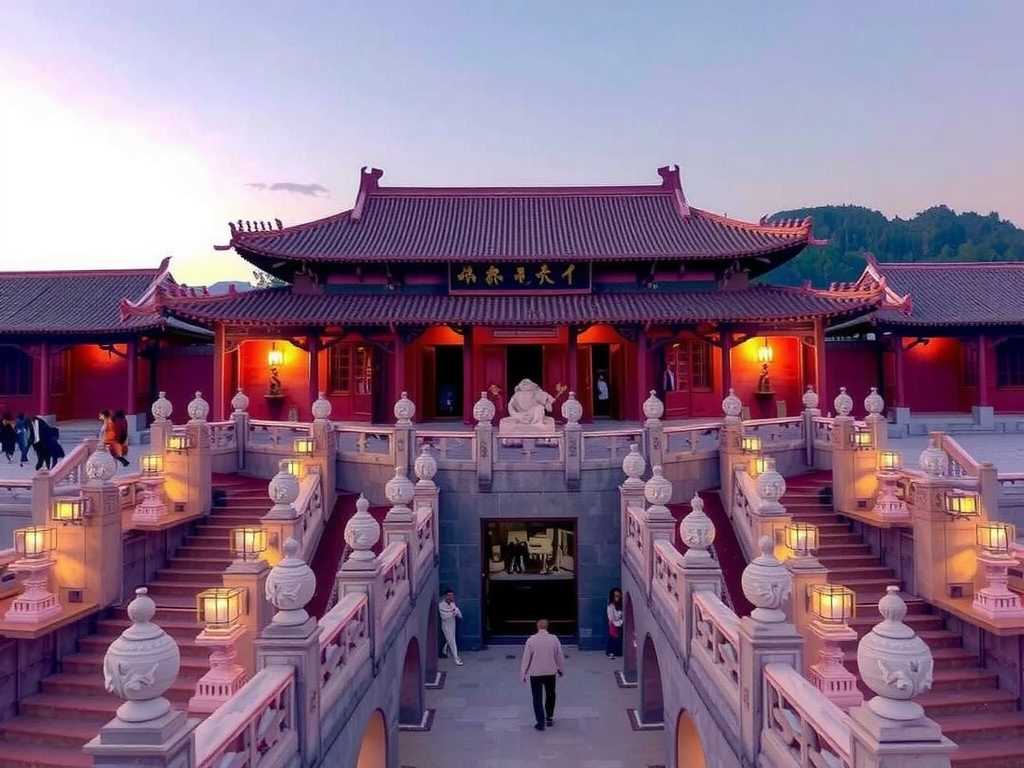
No journey of wonder in China is complete without standing before its most legendary sites. These are the places that have defined the nation’s image for centuries and continue to inspire awe.
-
The Great Wall: A Walk Through History Stretching over 13,000 miles, the Great Wall is more than a structure; it’s a symbol of perseverance. For the best experience, consider visiting the Mutianyu or Jinshanling sections. They offer stunning, well-preserved vistas with slightly fewer crowds than the iconic Badaling section. Walking along its serpentine path, you gain a tangible connection to the dynasties that built it. As historian Dr. Li Wen often notes, “The Wall is not just a barrier of stone, but a narrative in brick and mortar, telling tales of defense, diplomacy, and cultural exchange.”
-
The Terracotta Army: An Emperor’s Eternal Guard Discovered by farmers in 1974, this archaeological marvel in Xi’an reveals the ambition of China’s First Emperor, Qin Shi Huang. Thousands of life-sized soldiers, each with unique facial features, stand in battle formation. The scale and detail are humbling. Recent excavations and preservation efforts, highlighted in the 2023 China Cultural Heritage Report, continue to uncover new figures and secrets, making it a living museum of ancient military and artistic achievement.
-
The Forbidden City: Heart of Imperial Power At the center of Beijing lies the world’s largest palace complex. For 500 years, it was the exclusive domain of emperors. Walking through its successive gates and grand courtyards, you follow in the footsteps of royalty. Key halls like the Hall of Supreme Harmony embody architectural perfection and cosmic philosophy. Allocate at least half a day to appreciate its grandeur and visit the adjacent Imperial Garden for a moment of tranquility.
Natural Wonders and Scenic Masterpieces
China’s topography is as dramatic as its history. Beyond the cities lie landscapes that seem painted by the gods.
-
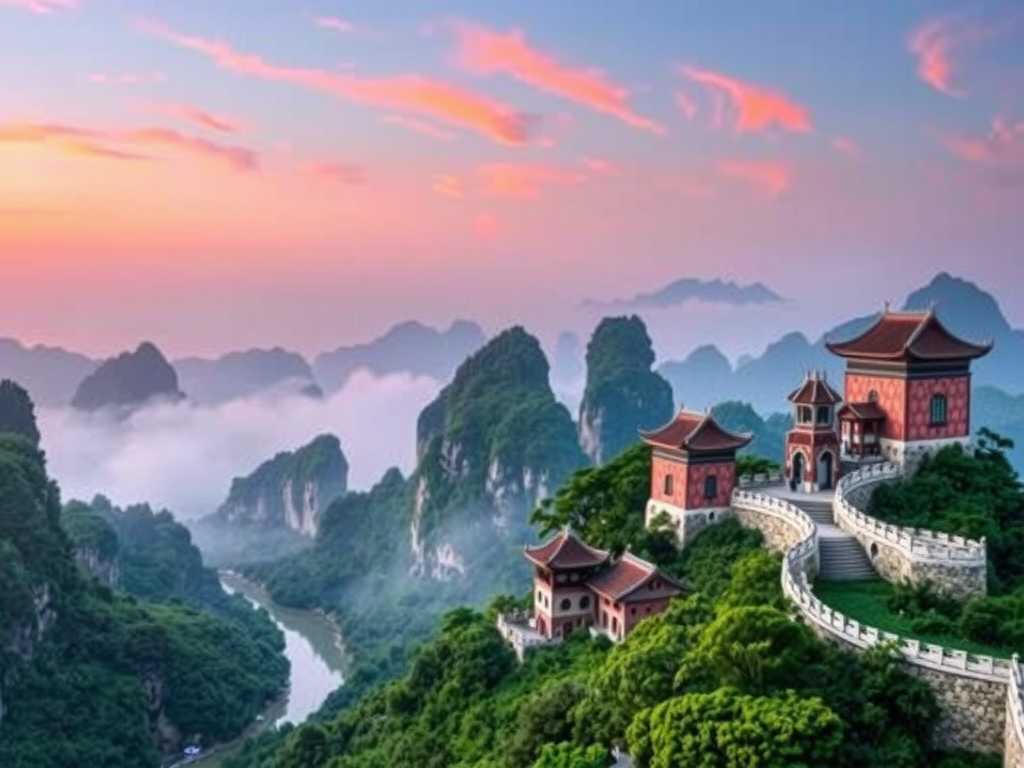
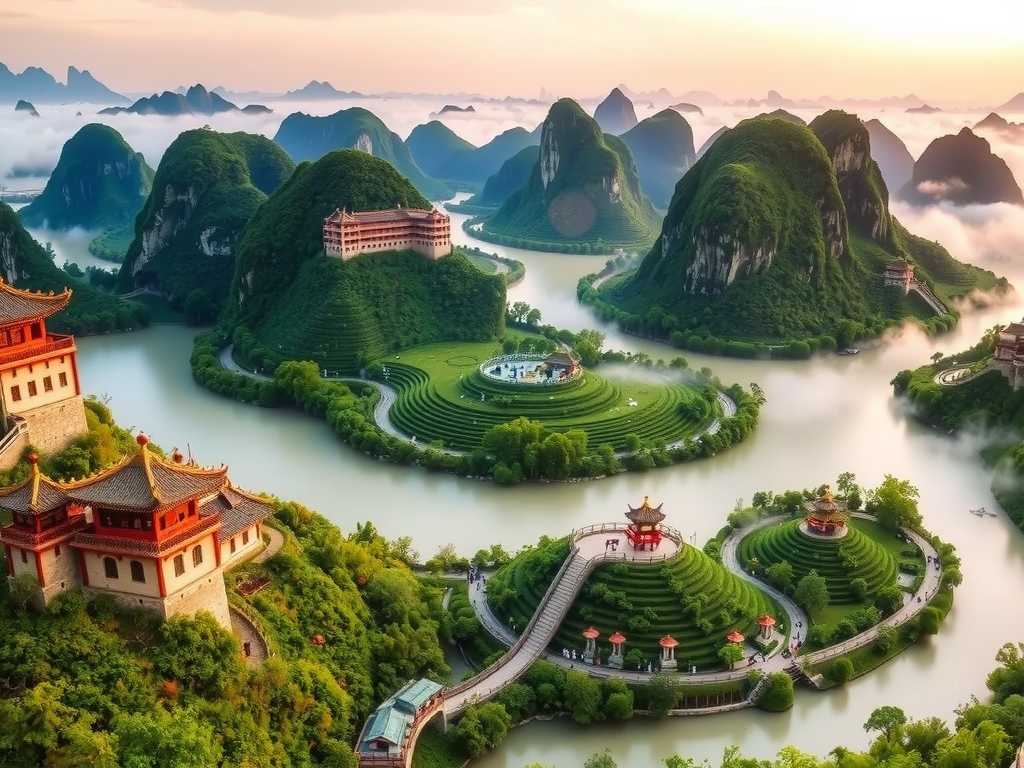
Li River & Karst Peaks: A Landscape Painting Come to Life A cruise from Guilin to Yangshuo is a journey into a classic Chinese painting. The serene Li River winds through a dreamscape of limestone karst peaks, their reflections shimmering in the water. It’s a place of profound peace and natural beauty. For an active adventure, rent a bike and explore the countryside paths, passing through small villages and rice paddies.
-
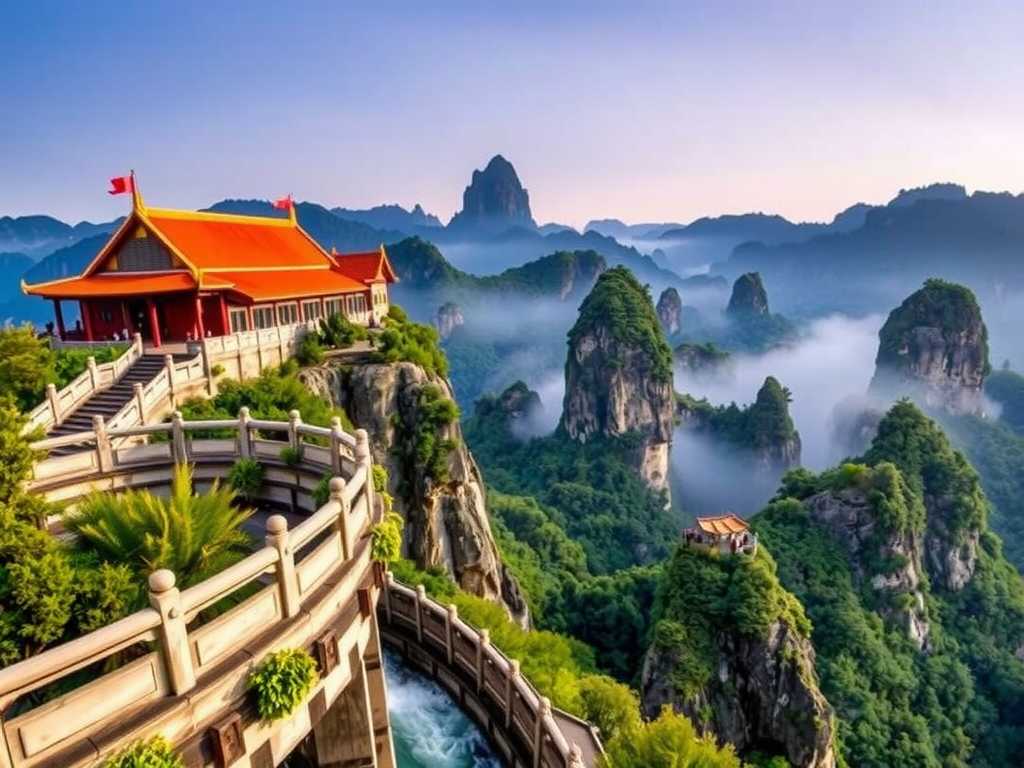
Zhangjiajie National Forest Park: Pandora on Earth Inspired the floating mountains in Avatar? You’ll find their real-life counterpart here. Towering sandstone pillars, shrouded in mist, create a surreal and mystical environment. Take the Bailong Elevator—the world’s tallest outdoor lift—for breathtaking panoramic views. Hiking trails of various difficulties let you immerse yourself in this otherworldly quartz-sandstone forest.
-
The Yellow Mountains (Huangshan): A Poet’s Inspiration Renowned for their granite peaks, hot springs, sea of clouds, and peculiarly shaped pine trees, Huangshan has been a muse for artists and poets for centuries. Sunrise here is a spiritual event. Whether you hike up or take a cable car, the ever-changing vistas of mist and rock are guaranteed to leave you speechless. It’s a premier destination for landscape photography and quiet contemplation.
Cultural and Urban Explorations
China’s vibrant culture shines in its bustling metropolises and ancient towns, where tradition and hyper-modernity coexist.
-
Modern Marvels: Shanghai’s Skyline and Beyond Shanghai’s Pudong district presents a vision of the future. The Oriental Pearl Tower, Jin Mao Tower, and Shanghai Tower create an unforgettable silhouette, especially when illuminated at night. A Huangpu River cruise offers the perfect vantage point. This dazzling display of architecture is a testament to China’s rapid development and global vision.
-
Ancient Water Towns: Zhujiajiao and Zhouzhuang Escape the urban rush to the canals of Zhujiajiao, known as “Shanghai’s Venice.” Glide under ancient stone bridges on a wooden boat, past well-preserved Ming and Qing dynasty buildings. It’s a charming glimpse into a slower, more traditional way of life, just an hour from the city’s core.
-
The Potala Palace: A Spiritual Beacon In Lhasa, Tibet, the majestic Potala Palace rises from Red Mountain. This fortress-like complex was the winter palace of the Dalai Lamas and remains a paramount symbol of Tibetan Buddhism. Its white and red walls, golden roofs, and countless chapels house immense cultural and religious treasures. The visit requires acclimatization to the altitude but rewards with an unparalleled spiritual and architectural experience.
Planning Your Practical Journey of Wonder
To transform this dream itinerary into reality, a few practical tips are essential. First, secure your visa well in advance. Domestic flights and high-speed trains are efficient for covering long distances; book tickets online via reliable travel platforms. Consider shoulder seasons (April-May, September-October) for pleasant weather and thinner crowds. Learning a few basic Mandarin phrases will greatly enhance your interactions. Most importantly, approach each site with respect for local customs and preservation rules.
What is the best time of year to visit the Great Wall? Spring (April-May) and autumn (September-October) offer the most comfortable temperatures and clear skies, making for excellent hiking conditions and photography. Summers can be hot and crowded, while winters are cold but offer a stark, beautiful landscape with very few tourists.
How many days should I spend in Xi’an to see the Terracotta Army properly? A full two days in Xi’an is ideal. Dedicate one day to the Terracotta Army and the accompanying museum, which requires a half-day trip from the city center. Use your second day to explore Xi’an’s ancient city wall, the Muslim Quarter, and the Big Wild Goose Pagoda to get a complete feel for this historic capital.
Is it difficult to travel to Zhangjiajie? Access has improved significantly. Zhangjiajie Hehua International Airport connects to major Chinese cities. Alternatively, you can take a high-speed train to Zhangjiajie West Station from Changsha or other hubs. Once there, the national park has a good internal bus system and cable cars, though navigating the vast park benefits from a clear map or a local guide for first-time visitors.
From the stone dragons of the Great Wall to the futuristic towers of Shanghai, a journey through China’s top attractions is a voyage through time itself. It challenges perceptions, delights the senses, and creates memories that resonate deeply. By embracing both its profound ancient heritage and its dynamic present, you unlock a travel experience that is truly a journey of wonder. Start planning, and prepare to be transformed.
发表评论