 admin
admin China’s Natural & Cultural Scenic Gems: An Ultimate Traveler’s Guide
Planning a trip to China can feel overwhelming. With a landmass rivaling a continent and a history spanning millennia, how do you choose where to go? Many travelers struggle to move beyond the well-trodden path of Beijing and Shanghai, missing the profound depth of the country’s true soul. The real magic lies in discovering the breathtaking places where China’s majestic natural landscapes and its profound cultural heritage are not just side-by-side, but deeply intertwined. This guide is designed to solve that exact problem. We will navigate beyond the major metropolises to explore China’s most spectacular natural and cultural scenic gems—destinations where mountains hold ancient poems, rivers flow with legends, and villages preserve timeless traditions.
Understanding the Harmony of Landscape and Culture
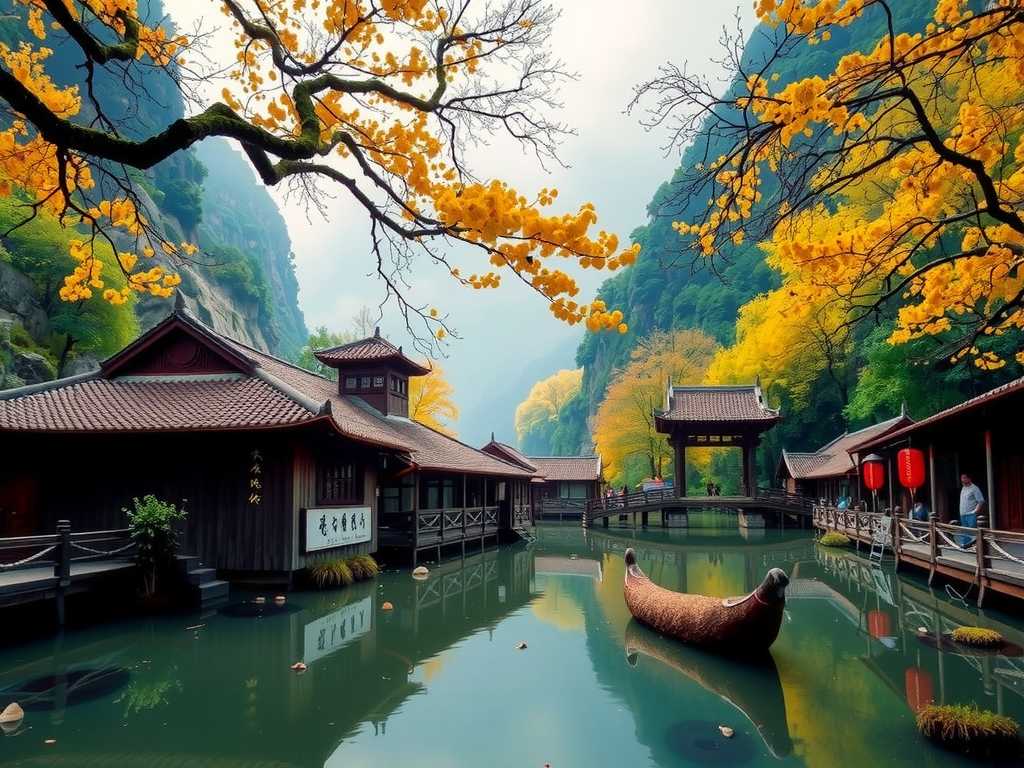
In China, nature and culture are not separate entities. For thousands of years, philosophers, poets, and painters have drawn inspiration from the land, embedding spiritual and aesthetic values into specific types of scenery. This concept is known as “Shanshui” (山水), literally “mountain-water,” which represents more than just physical geography; it symbolizes a harmonious ideal and a source of artistic and philosophical contemplation. Recognizing this connection is key to appreciating why certain places are held in such reverence. As noted by cultural historian Dr. Li Wen, “The Chinese landscape is a palimpsest. Every peak, grove, and winding river has been observed, described, and codified by generations of scholars, turning geography into a rich cultural text.” Your journey, therefore, becomes a reading of this living text.
The Iconic Fusion: Must-See World Heritage Sites
These destinations are globally recognized for their outstanding universal value, offering the most direct and awe-inspiring examples of nature and culture in dialogue.
The Avatar Mountains and Heavenly Pillars of Zhangjiajie Rising from the subtropical forests of Hunan Province, the otherworldly quartz-sandstone pillars of Zhangjiajie National Forest Park seem to defy physics. These peaks, some over 1,000 meters tall, inspired the floating “Hallelujah Mountains” in the film Avatar. But their significance runs deeper than cinema. For centuries, these formations have been part of local Tujia and Miao ethnic minority folklore, seen as stone forests planted by deities. The experience is multifaceted: hike along cliff-hugging paths, brave the glass-bottomed Zhangjiajie Grand Canyon Bridge, and observe the mist weaving through the pillars—a scene straight out of a classical Chinese ink painting.
The Sacred Pilgrimage: Mount Huangshan (Yellow Mountain) No list of China’s scenic gems is complete without Huangshan. Frequently cited as the subject of the most famous Shanshui paintings, this mountain range in Anhui Province is the archetype of the sublime. Its “four wonders”—grotesquely shaped granite peaks, ancient, gnarled pine trees, seas of cloud that obscure and reveal vistas, and hot springs—have been celebrated in art and literature for over a millennium. A visit here is a physical and aesthetic journey. Ascend by cable car or thousands of stone steps, pass through gates with poetic names like “Beginning to Believe Peak,” and witness a sunrise that has captivated emperors and poets alike. It is a landscape perfected by human interpretation.
The Engineering Marvel: Dujiangyan and Mount Qingcheng While not a single natural spectacle, this Chengdu-area site represents humanity working with nature, a core Daoist principle. Dating back to 256 BC, the Dujiangyan Irrigation System is a still-functional, dam-less hydro-engineering project that tamed the Min River, preventing floods and irrigating the fertile Sichuan plains. Just adjacent lies Mount Qingcheng, one of the birthplaces of Daoism, dotted with serene temples nestled in lush, tranquil forests. Together, they form a UNESCO site that perfectly illustrates the Chinese ideal of harmonizing human necessity (irrigation) with spiritual pursuit (Daoist contemplation) within a natural setting.
Beyond the Classics: Hidden and Regional Treasures
Venture further to discover equally stunning locations that offer deeper immersion with fewer crowds.
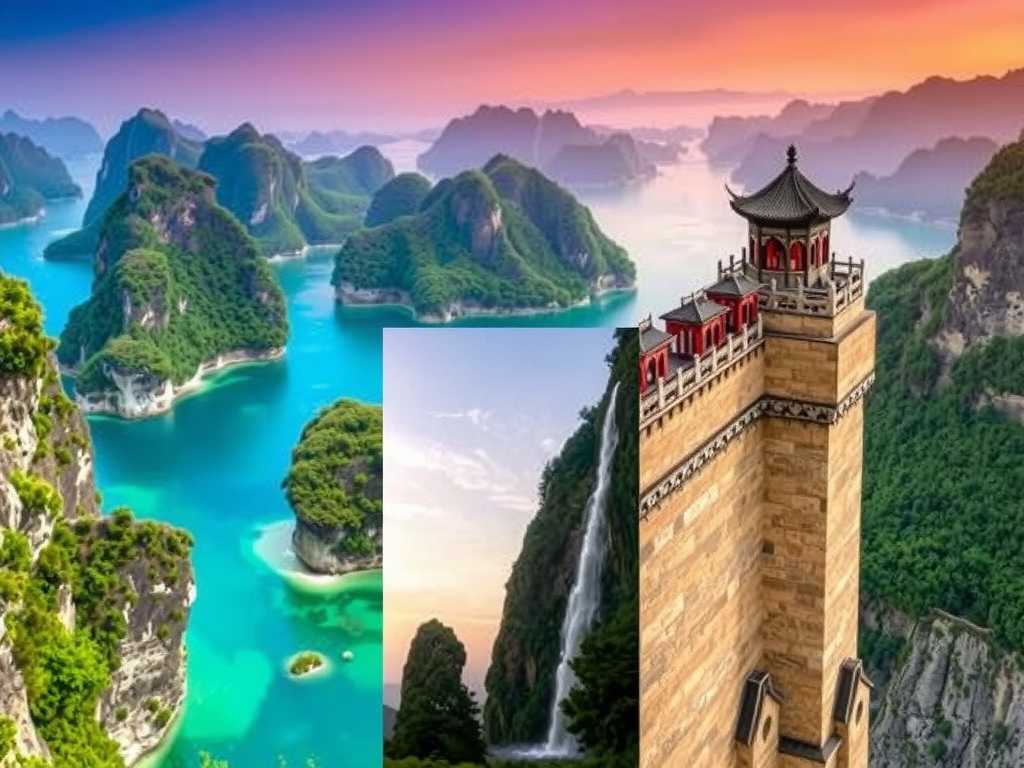
The Terraced Masterpiece of the South: Longji Rice Terraces In Guangxi Province, the Longji (Dragon’s Backbone) Rice Terraces are a stunning testament to human ingenuity shaping the landscape over 500 years. Carved into steep mountainsides by the Zhuang and Yao ethnic groups, these terraces spiral from riverine valleys up to mist-shrouded peaks. The view changes dramatically with the seasons: flooded and reflective like silver ribbons in spring, emerald green in summer, golden with ripe grain in autumn, and occasionally dusted with snow in winter. Staying in a traditional wooden stilt-house village here connects you to an ancient agricultural rhythm and offers breathtaking panoramic hikes.
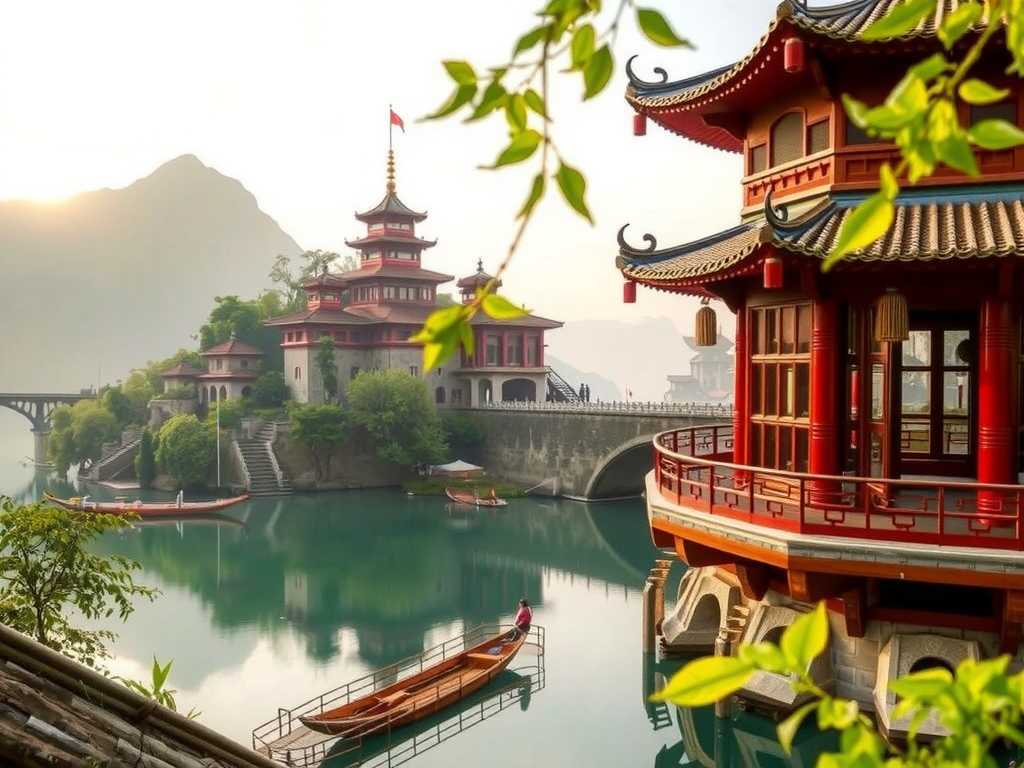
The Ancient Water Towns of the Yangtze Delta For a gentler, lyrical fusion, explore canal towns like Wuzhen or Xitang near Shanghai. These are living museums of Ming and Qing dynasty architecture, where stone bridges arch over slow-moving canals, and willow trees brush against waterside verandas. The culture here is one of intimate daily life intertwined with water—boats deliver goods, women wash vegetables by the canal, and tea houses hum with quiet conversation. Visit a traditional dye workshop, watch a shadow puppet show, and take a boat ride at night when the red lanterns are lit, reflecting on the black water. It’s a profoundly peaceful glimpse into China’s vernacular cultural landscape.
The Tibetan Plateau’s Spiritual Heart: Yading Nature Reserve In the remote mountains of Sichuan, bordering Tibet, lies Yading, often called “the last Shangri-La.” This sacred valley boasts three snow-capped sacred peaks (Chenresig, Jampayang, and Chanadorje) considered physical manifestations of Buddhist deities. Crystal-clear lakes, alpine meadows, and ancient glaciers complete the scene. For Tibetan pilgrims, it’s a site for koras (circumambulation hikes). For travelers, it’s an opportunity for high-altitude trekking in an environment where every element of nature is imbued with deep spiritual and cultural meaning, far from the modern world’s rush.
Practical Insights for Planning Your Journey
To truly connect with these scenic gems, thoughtful planning is essential. First, consider timing. Natural landscapes are season-sensitive: spring (Apr-May) and autumn (Sep-Oct) generally offer the best weather and colors. Summer can be crowded and rainy, while winter provides stark, crowd-free beauty in places like Huangshan, though some areas may be cold or inaccessible.
Second, embrace slow travel. The depth of these places unfolds with time. Instead of trying to see five cities in ten days, choose two or three core destinations and explore them thoroughly. Hire a local guide at heritage sites; their stories about folklore, history, and ecology will transform your view from scenic to meaningful.
Finally, travel with respect. These are living cultural landscapes. Follow designated paths, support local family-run guesthouses and crafts, and be mindful of customs, especially in ethnic minority regions and sacred spaces. Your conscious approach ensures these gems are preserved for future generations.
How many days should I budget for a trip focusing on these scenic areas? A meaningful trip requires at least 10-14 days. This allows for 3-4 days in 2-3 different regions, accounting for travel time between destinations, which can be significant. For example, you could combine Zhangjiajie (3 days) with a Yangtze Delta water town (2 days) and Huangshan (2 days), with travel days in between.
Is it difficult to travel to these destinations independently if I don’t speak Chinese? While major sites like Zhangjiajie and Huangshan have developed tourism infrastructure with some English signage, travel to remote areas like Yading or Longji villages is challenging without Mandarin. For a seamless and deeper experience, especially for first-time visitors, using a reputable travel agency to arrange drivers, guides, and hotels is highly recommended. They can also handle permits required for certain Tibetan regions.
What is the best way to appreciate the cultural significance of these natural sites? Preparation is key. Before you visit, read about Chinese landscape painting and poetry, or watch documentaries on Daoism and Buddhist influences. At the site, opt for a knowledgeable local guide who can explain the historical and literary references. Most importantly, allow time for quiet contemplation—sit by a lake in Yading, watch the clouds drift on Huangshan, or observe daily life in a water town. The culture is often felt in the atmosphere as much as it is seen in the monuments.
From the pillar-like peaks that touch the clouds in Zhangjiajie to the serene, human-scale canals of ancient water towns, China’s scenic gems offer a journey through a landscape that is as culturally rich as it is visually stunning. These are places where you don’t just see scenery; you experience a worldview shaped by millennia of interaction between people and their environment. By moving beyond the standard itinerary to seek out these profound fusions of nature and culture, you unlock the true, enduring heart of China—a journey that rewards the senses, enriches the mind, and remains etched in memory long after you return home.
发表评论