 admin
admin Top China Scenic Spots for Unforgettable Trips
Planning a trip to China can feel overwhelming. With a landmass so vast and a history spanning millennia, how do you choose where to go to experience the very best? You want more than just a checklist of famous names; you seek destinations that offer profound beauty, cultural immersion, and memories that last a lifetime. This guide cuts through the noise to bring you the absolute top China scenic spots that deliver unforgettable journeys, blending ancient wonders with breathtaking natural landscapes.
We’ve structured this not just as a list, but as a curated travel blueprint. Each destination is chosen for its unique ability to showcase a different facet of China’s incredible diversity, ensuring your itinerary is rich, balanced, and deeply rewarding.
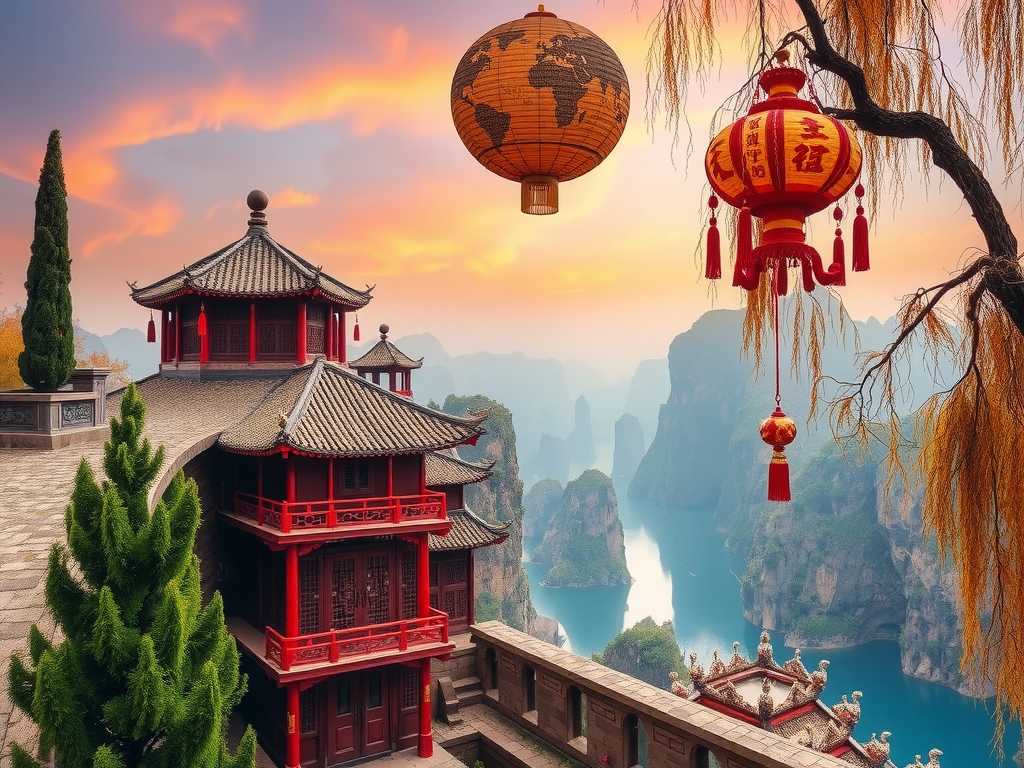
The Great Wall: A Walk Through History on Mountain Ridges
No list of top China scenic spots is complete without the Great Wall. Stretching over 13,000 miles, it’s a testament to human perseverance. But to avoid the crowds and get the most authentic experience, segment choice is key.
For first-timers, the Mutianyu section offers a perfect blend of accessibility and majestic views. It’s well-restored, less crowded than Badaling, and features a thrilling toboggan ride down. For the adventurous hiker, the Jiankou section presents a raw, wild wall snaking along steep ridges—a photographer’s dream but requiring good fitness.
The best times to visit are spring (April-May) and autumn (September-October) for pleasant weather and stunning seasonal colors. As historian and author William Lindesay notes, “The Wall is not just a line of stone; it’s a landscape feature that teaches us about geography, defense, and the flow of history.” Stand on its ramparts at sunset, and you’ll feel that history come alive.
Guilin & Yangshuo: A Painting Come to Life
If you’ve ever seen a classical Chinese landscape painting, you’ve seen Guilin. This region in southern China is the poetic ideal of natural beauty, characterized by karst limestone peaks that rise dramatically from the Li River plains.
The essence of the experience is a Li River cruise from Guilin to Yangshoo. As you drift down the serene water, watch the peaks change shape with every turn—the scene is so iconic it’s featured on China’s 20 RMB banknote. For active exploration, rent a bicycle in Yangshuo and ride through the countryside, past rice paddies and quaint villages with those surreal peaks as your constant backdrop.
Beyond the scenery, engage with the local culture. Take a cooking class to learn Guilin rice noodle secrets, or try your hand at traditional cormorant fishing. This combination of effortless scenic beauty and hands-on activity solidifies its place among the top China scenic spots for a relaxing yet engaging retreat.
Zhangjiajie National Forest Park: The Avatar Mountains
Prepare to have your perception of reality shifted. Zhangjiajie National Forest Park in Hunan province looks like a lost world. Thousands of quartz-sandstone pillars, some over 1,000 meters tall, soar into the sky, often shrouded in mist. Its otherworldly beauty famously inspired the floating “Hallelujah Mountains” in the film Avatar.
Navigate the park via its dizzying network of cliffside walkways and the Bailong Elevator, a glass elevator built onto the side of a cliff. The Tianzi Mountain and Yuanjiajie areas offer the most spectacular pillar views. For the truly brave, the Zhangjiajie Glass Bridge is one of the world’s highest and longest pedestrian bridges.
Due to its immense popularity, visiting on weekdays and purchasing tickets online in advance is highly recommended. The park’s unique geology, formed over 300 million years, offers a stark contrast to China’s historical sites, proving the country’s scenic spots are as diverse as its culture.
The Terracotta Army, Xi’an: An Emperor’s Eternal Guard
Moving from natural wonders to an archaeological marvel, the Terracotta Army in Xi’an is a non-negotiable stop. Discovered in 1974 by local farmers, this vast underground mausoleum guards the tomb of China’s first emperor, Qin Shi Huang. It is often called the “Eighth Wonder of the Ancient World.”
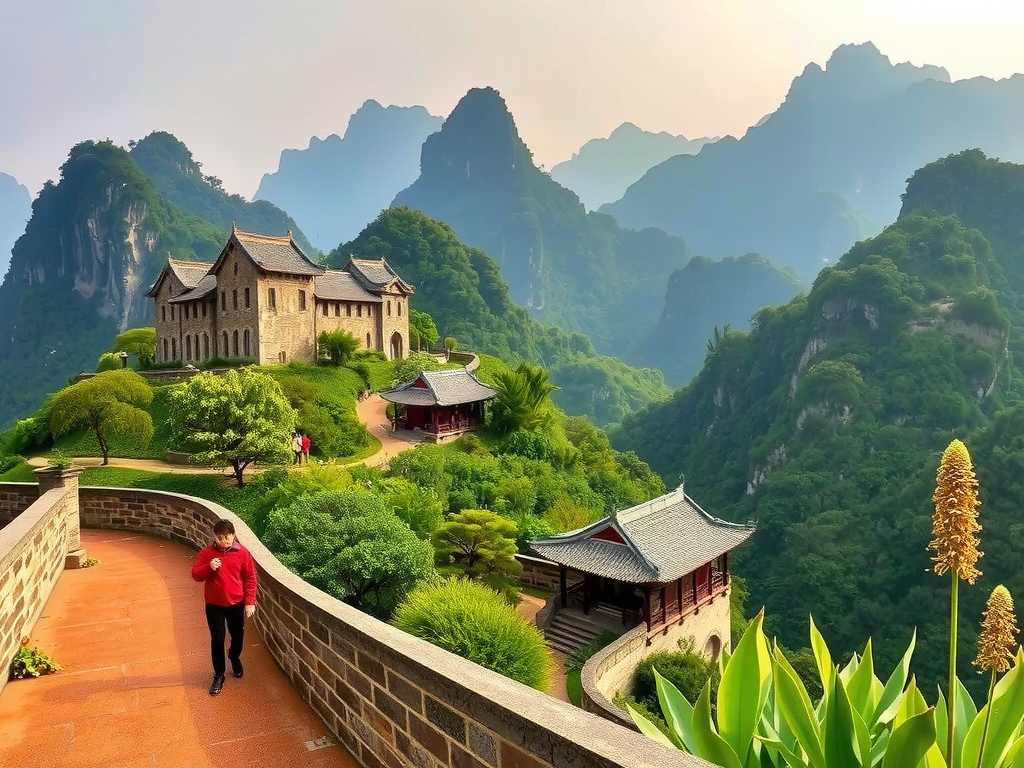
The scale is staggering. Three main pits contain over 8,000 life-sized soldiers, 130 chariots, and 670 horses, each with unique facial features, hairstyles, and armor. Pit 1 is the most impressive, displaying the main army in battle formation. To fully appreciate the context, consider hiring a licensed guide at the site. They can explain the intricate details and the immense effort behind this 2,200-year-old project, which, according to archaeological reports, involved an estimated 700,000 workers over nearly 40 years.
Pair your visit with a walk on the Xi’an City Wall and a visit to the Muslim Quarter for a perfect day blending ancient history and vibrant local culture.
Jiuzhaigou Valley: A Symphony of Colorful Lakes
Nestled in the mountains of northern Sichuan, Jiuzhaigou Valley is a UNESCO site that redefines the color blue. This nature reserve is a series of multi-level waterfalls and over 100 stunning, crystal-clear lakes in hues of turquoise, emerald, and sapphire, set against a backdrop of snowy peaks and dense forests.
Highlights include Five-Flower Lake (Wuhua Hai), where you can see ancient tree trunks preserved in its translucent depths, and Nuorilang Waterfall, one of China’s widest highland waterfalls. The park is vast and best explored over two days using its efficient shuttle bus system. Autumn is the premier time to visit, when the golden and red foliage contrasts spectacularly with the blue waters.
The local Tibetan and Qiang cultures add another layer to the visit. The valley’s pristine ecology is carefully protected, making it a premier example of China’s commitment to preserving its most fragile and beautiful scenic spots.
The Potala Palace, Lhasa: The Roof of the World
For a truly spiritual and geographical high point, journey to Lhasa in Tibet. Dominating the city’s skyline is the awe-inspiring Potala Palace, the former winter residence of the Dalai Lamas. This massive structure, built at an altitude of 3,700 meters, is a masterpiece of Tibetan architecture and a central site of Tibetan Buddhism.
A visit involves climbing a series of staircases (take it slow to acclimatize to the altitude). Inside, explore the intricate chapels, tombs of past Dalai Lamas, and countless Buddhist statues and artifacts. The white and red palaces symbolize religious and secular power, respectively. As travel writer and cultural expert Michelle Peters highlights, “The Potala is not just a palace; it’s the living heart of Tibetan identity, a fortress of faith that has endured for centuries.”
Combine your visit with the Jokhang Temple and a kora (pilgrimage circuit) around Barkhor Street to feel the pulse of Tibetan devotion. The journey to this high-altitude wonder is demanding but delivers an unforgettable cultural and visual spectacle.
Huangshan (The Yellow Mountains): The Legendary Peaks
Huangshan, or the Yellow Mountains, is the quintessential Chinese mountainscape. For centuries, it has been celebrated in poetry, painting, and legend. Its iconic features are granite peaks emerging from a sea of clouds, uniquely shaped pine trees clinging to the rocks, and hot springs at the base.
A visit typically involves a cable car ascent followed by hiking along well-maintained paths linking the various peaks—Bright Summit, Lotus Peak, and Celestial Capital Peak are among the most famous. Many visitors opt to stay overnight at a summit hotel to witness both the unforgettable sunset and the magical sunrise over the cloud ocean.
The area’s beauty changes with the seasons: winter brings snow-capped peaks and rime ice, creating a monochromatic wonderland. Its enduring inspiration for artists makes Huangshan more than a hike; it’s a walk through a living work of art, cementing its status as one of China’s most iconic scenic spots.
What is the best time of year to visit most top scenic spots in China? The ideal windows are generally spring (April to May) and autumn (September to October). These seasons offer mild temperatures, lower humidity, and beautiful natural scenery, whether it’s spring blossoms or autumn foliage. Summer can be hot and crowded, while winter is cold but offers unique, crowd-free experiences at places like the Great Wall or Huangshan.
How can I manage crowds at popular destinations like the Great Wall or Zhangjiajie? Always aim to visit on a weekday rather than a weekend or Chinese public holiday. Arrive as soon as the site opens in the morning. Book all tickets online in advance whenever possible. For the Great Wall, choose less-visited sections like Mutianyu over Badaling. Research and consider hiring a local guide who knows the best times and routes.
Is it difficult for English speakers to travel between these scenic spots? Major tourist destinations have significantly improved English signage and services in recent years. High-speed trains connect cities like Beijing, Xi’an, and Guilin efficiently, with ticket machines and apps offering English options. In remote areas like Jiuzhaigou or Tibet, joining a reputable tour or hiring a private guide is highly recommended for a smoother, more informative experience.
From the imperial grandeur of Beijing and Xi’an to the poetic landscapes of Guilin and Jiuzhaigou, China’s top scenic spots offer a journey through both space and time. Each destination provides a unique lens through which to understand this vast country’s soul—its history, its artistic spirit, and its profound natural beauty. By choosing a mix from this guide, you’ll craft an itinerary that is not just a trip, but a collection of truly unforgettable experiences. Start planning, and prepare to be amazed.

发表评论