 admin
admin China’s Scenic Attractions: Must-See Spots for Every Traveler
Planning a trip to China can feel overwhelming. With a landmass spanning continents and a history stretching back millennia, how do you possibly choose where to go? You want to experience the authentic majesty, the iconic views, and the hidden gems without getting lost in the crowd or missing the true essence of the country. This guide cuts through the noise, presenting a curated selection of China’s scenic attractions that are absolute must-see spots, blending natural wonders, profound cultural heritage, and practical travel insights.
From the rolling hills of the south to the rugged deserts of the west, China’s diverse landscapes offer unparalleled visual feasts. This journey will help you prioritize your itinerary, ensuring you witness the places that define this incredible nation.
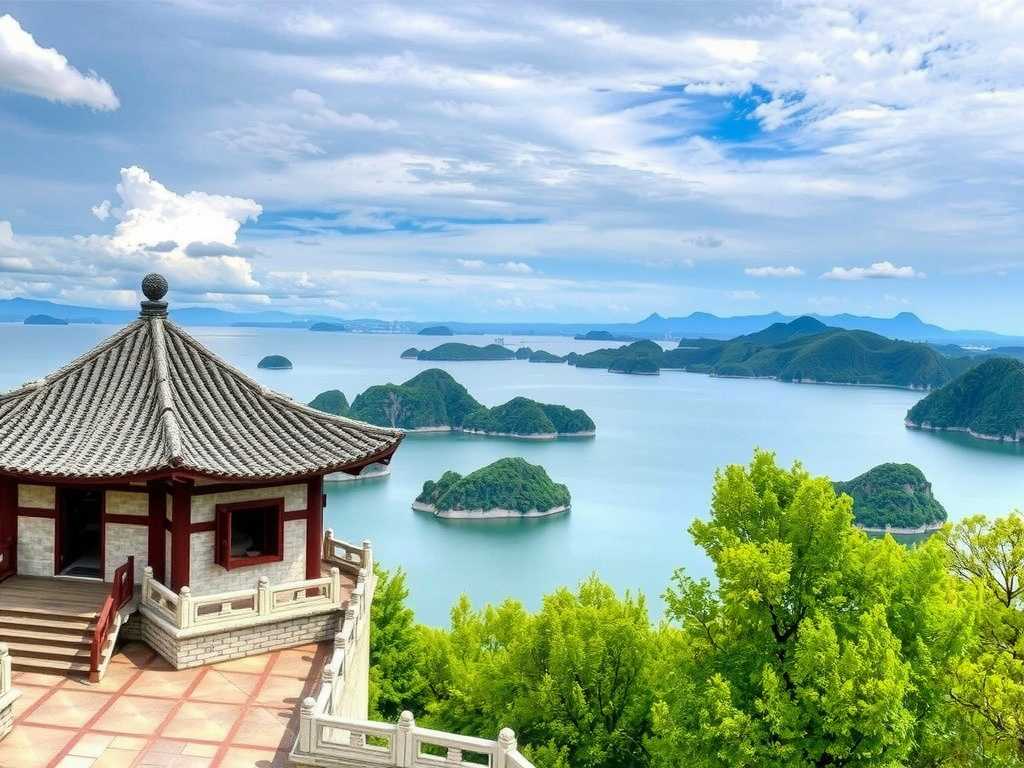
The Great Wall: A Serpentine Marvel Across Mountains
No list of China’s scenic attractions is complete without the Great Wall. Stretching over 13,000 miles, it is not just a wall but a symbol of perseverance etched into the very spine of northern China’s mountains. The view of its endless snaking path disappearing over rugged peaks is a sight that truly humbles every visitor.
For the best scenic experience, skip the overly crowded Badaling section. Instead, head to Mutianyu for its stunning forested backdrop and excellent restoration, or to Jinshanling for a more rugged, photogenic hike. Visiting at sunrise or during the autumn when the hills blaze with color transforms the experience from a historical visit into a profound scenic adventure. As noted by cultural historian Dr. Li Wei, "The Wall’s power lies in its harmony with the landscape—it follows the terrain’s contours, making it a man-made structure that appears utterly natural."
The Li River & Karst Peaks of Guilin: A Painting Come to Life
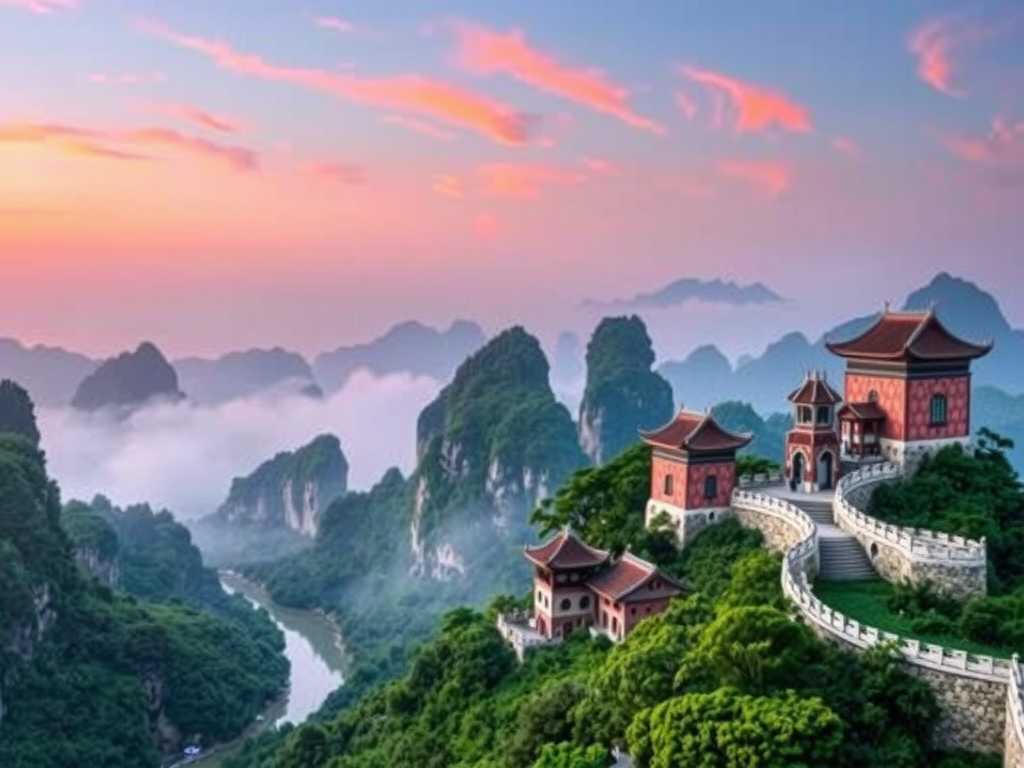
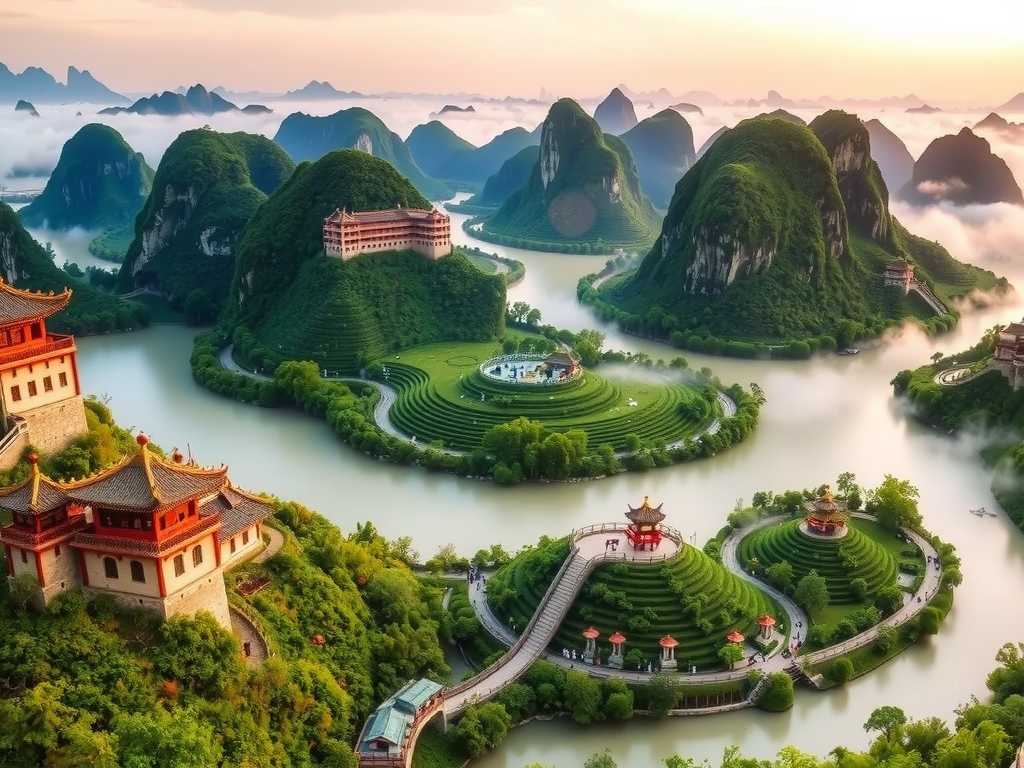
If the Great Wall represents majestic human endeavor, the Li River in Guilin embodies nature’s delicate artistry. This region is the quintessential image of China’s scenic attractions: sheer limestone karst peaks shrouded in mist, rising dramatically from emerald-green rivers and rice paddies.
A leisurely cruise from Guilin to Yangshuo is the premier way to absorb this 50-mile gallery of natural art. Key viewpoints include the Nine-Horse Fresco Hill and Xingping Town, whose landscape is famously depicted on the 20 RMB banknote. For active travelers, a bamboo raft ride or a cycling tour through the countryside surrounding Yangshuo offers an intimate, ground-level perspective of this serene beauty.
The Terracotta Army in Xi’an: An Underground Scenic Wonder
While not a natural landscape, the Terracotta Army in Xi’an presents a breathtaking scenic spectacle of a different kind. The sheer scale of thousands of life-sized, uniquely detailed soldiers, chariots, and horses arranged in battle formation in Pit 1 is visually staggering. Discovered in 1974, this must-see spot offers a silent, powerful panorama of ancient China’s military might and artistic sophistication.
To appreciate the scenery of this archaeological marvel, take your time viewing from the elevated walkways that circle the main pit. The details—from the intricate armor to the varied facial expressions—become more apparent the longer you look. It’s recommended to hire a local guide who can narrate the history and point out specific, remarkable figures, turning rows of statues into a vivid historical tableau.
The Yellow Mountains (Huangshan): The Realm of Mist and Pines
Huangshan, or the Yellow Mountains, is arguably the most celebrated mountain scenery in all of Chinese art and literature. Its iconic granite peaks, often piercing through a sea of clouds, twisted hardy pines, and hot springs create a dynamic, ever-changing scenic masterpiece. This is a destination for the senses, where the view shifts with the weather, offering a different spectacle at every moment.
Key scenic spots include Beginning-to-Believe Peak for iconic pine tree views, Bright Summit for sweeping panoramas, and the ethereal Flying Over Rock. For the most rewarding experience, consider an overnight stay at a mountain-top hotel. This allows you to witness both the unforgettable sunset and the magical sunrise over the "Cloud Ocean," a phenomenon that makes you feel above the world.
The Potala Palace in Lhasa: A Monument Against the Sky

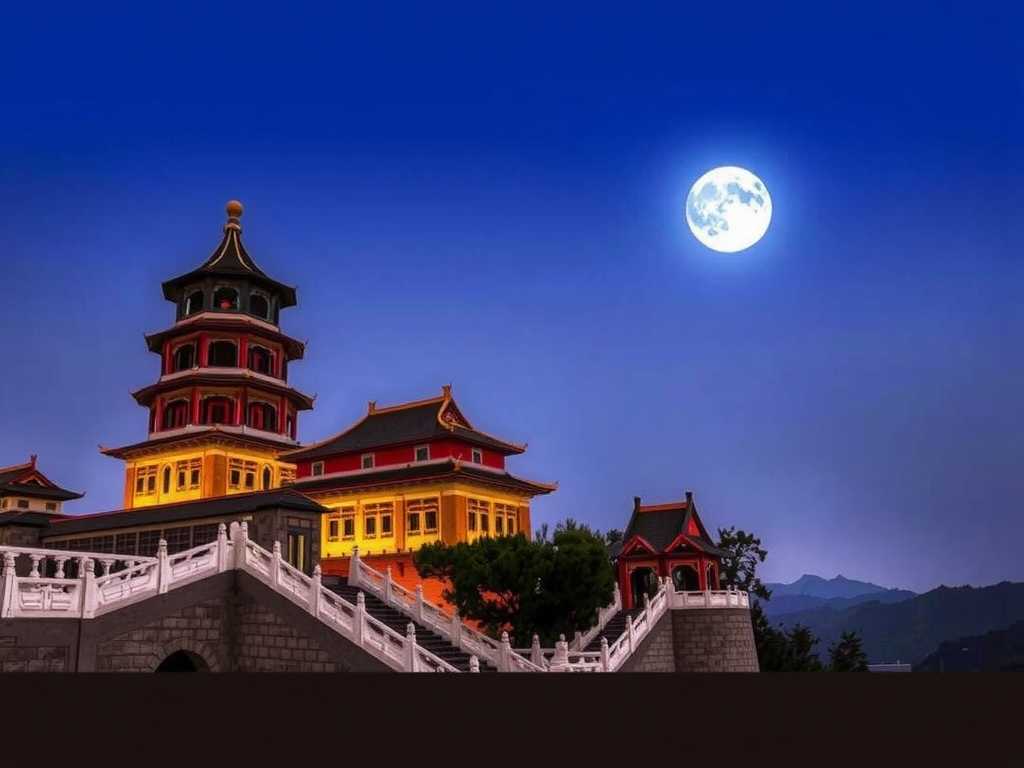
Towering over the city of Lhasa at 12,000 feet, the Potala Palace is a scenic and spiritual landmark like no other. This massive fortress-like structure, with its white and maroon walls and golden roofs, stands starkly against the deep blue Tibetan sky and surrounding mountains. The sight of it, whether illuminated by the sun or spotlit at night, is awe-inspiring.
The scenic experience here is twofold: viewing the palace’s majestic exterior from various angles in Lhasa, and then exploring its intricate interior of chapels, tombs, and artifacts. The climb up the numerous stone steps can be challenging due to the altitude, but each turn offers a new, breathtaking frame of this architectural wonder, making it a must-see spot that captures the soul of Tibet.
Zhangjiajie National Forest Park: Avatar’s Floating Peaks
For a scene that feels plucked from a science-fiction fantasy, Zhangjiajie National Forest Park in Hunan province is unmatched. Thousands of towering quartz-sandstone pillars, many over 600 meters tall, rise densely from the forest floor, frequently wrapped in mist. This otherworldly landscape famously inspired the "Hallelujah Mountains" in the film Avatar.
Navigate this scenic wonder via the park’s extensive network of walking trails, cable cars, and the breathtaking glass-bottomed Zhangjiajie Grand Canyon Bridge. The Yuanjiajie Scenic Area and the Tianzi Mountain Nature Reserve offer the most concentrated and dramatic views of these pillar peaks. It’s a place that redefines your perception of natural beauty.
What is the best time of year to visit China for these scenic spots? Spring (April-May) and Autumn (September-October) are generally ideal nationwide, offering mild temperatures and beautiful natural colors. However, specific sites have unique appeals, like the Yellow Mountains’ winter snowscapes or Guilin’s misty summer rains.
How can I avoid the biggest crowds at these popular attractions? Always aim to arrive right at opening time or later in the afternoon. Visit on weekdays rather than weekends, and consider shoulder seasons (late spring/early fall). Booking tickets online in advance is now crucial for many sites like the Forbidden City and Terracotta Army.
Are these scenic attractions suitable for families with young children or travelers with mobility issues? Accessibility varies. Sites like the Great Wall (Mutianyu with cable car) and Zhangjiajie (with elevators and cable cars) offer good options. The Li River cruise is very relaxed. However, the Potala Palace involves many stairs at high altitude, and hiking in Huangshan can be strenuous. Always research specific sections and access aids available.
Exploring China’s scenic attractions is a journey through time, art, and the raw power of nature. Each must-see spot, from the ancient stone of the Great Wall to the floating peaks of Zhangjiajie, tells a part of China’s grand story. By planning around these iconic destinations, you move beyond simple sightseeing to experiencing the profound vistas that have shaped a civilization. Start with these wonders, and you’ll lay the foundation for an unforgettable encounter with the scenic heart of China.

发表评论