 admin
admin Scenic China: Must-Visit Tourist Spots for Your Ultimate Journey
Planning a trip to China can feel overwhelming. With a landmass rivaling a continent and thousands of years of history, how do you choose where to go? You want more than just a checklist; you seek profound experiences, breathtaking scenery, and authentic cultural immersion. This guide cuts through the noise to bring you the essential must-visit tourist spots in China, blending iconic landmarks with local secrets for a truly unforgettable adventure.

Begin your journey where China’s ancient heart beats strongest. The historical triangle of Beijing, Xi’an, and Shanghai offers a unparalleled narrative of the nation’s past, present, and future.
The Imperial Grandeur of Beijing No visit is complete without standing on the Great Wall. Stretching over mountains, this serpentine marvel is a testament to human perseverance. For a less crowded yet equally stunning experience, head to the Mutianyu or Jinshanling sections. Back in the city center, the Forbidden City demands a full day. As you walk through its successive gates and vast courtyards, you’re tracing the steps of emperors. Time your visit to coincide with sunrise at nearby Jingshan Park for a panoramic view of the golden roofs awakening. Don’t overlook the Temple of Heaven, where Ming and Qing emperors performed solemn rites for good harvests. Its architectural symbolism and the local life in its surrounding park provide a perfect cultural snapshot.
The Terracotta Army and Ancient Xi’an Traveling southwest, Xi’an is your gateway to the Silk Road. The Army of Terracotta Warriors is, without doubt, one of the world’s most significant archaeological finds. Viewing the thousands of life-sized, uniquely detailed figures in Pit 1 is a humbling experience. Experts like Dr. Zhang Weixing, a lead archaeologist at the site, often emphasize that "each warrior tells a story, offering an irreplaceable window into Qin dynasty military, art, and social structure." Complement this with a walk or bike ride atop the remarkably intact City Walls at dusk, followed by a feast in the Muslim Quarter, where the aroma of sizzling lamb skewers and flatbread fills the air.
Shanghai: Where Futuristic Skyline Meets Nostalgic Alleys Shanghai presents a dramatic contrast. The Bund showcases a living museum of colonial-era architecture facing the pulsating, futuristic skyline of Pudong across the Huangpu River. For a tactile experience, get lost in the labyrinthine lanes of the Old City or visit the serene Yu Garden, an oasis of classical design. As noted in the 2023 Global Urban Tourism Index, Shanghai consistently ranks high for its unique "dual-layer" appeal—seamlessly offering both hyper-modern and deeply traditional experiences within a few metro stops.
China’s natural canvas is as diverse as its culture. From jagged karst peaks to serene rice terraces, these landscapes inspire awe.
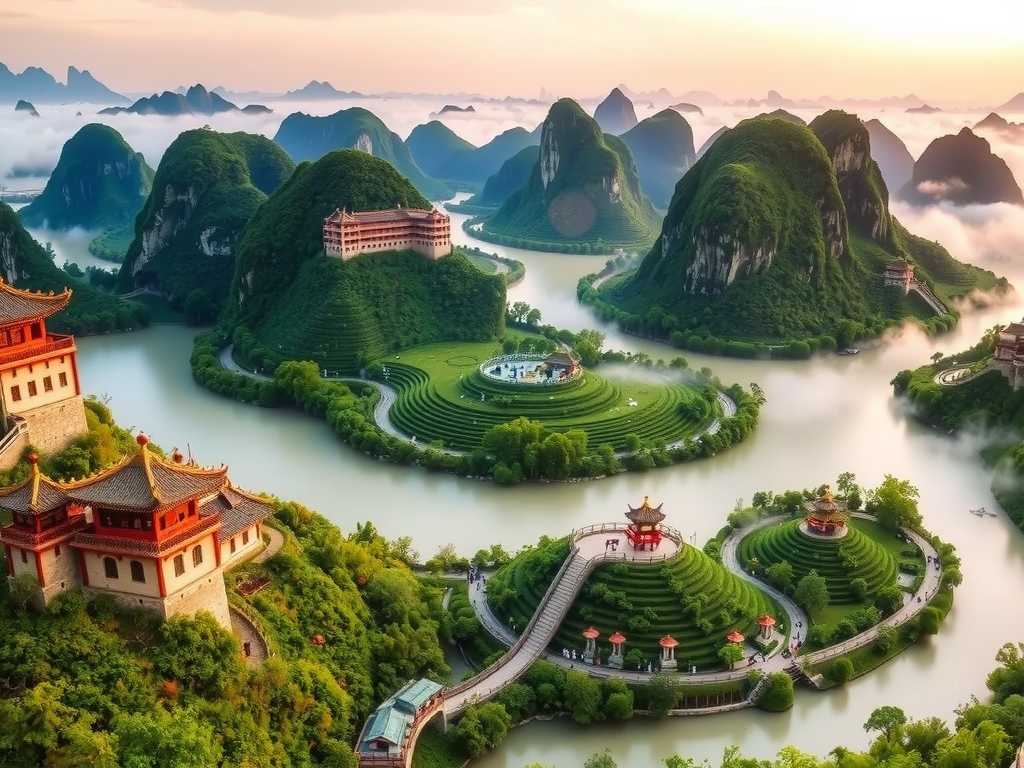
The Li River and Karst Peaks of Guilin The poetic landscape of Guilin and Yangshuo is the image on countless postcards. A Li River cruise from Guilin to Yangshuo is the classic way to absorb the surreal karst mountains. For active travelers, renting a bamboo raft on the quieter Yulong River or cycling through villages like Xingping offers intimate encounters with this dreamlike scenery. The region perfectly embodies the Chinese philosophical ideal of harmony between humans and nature.
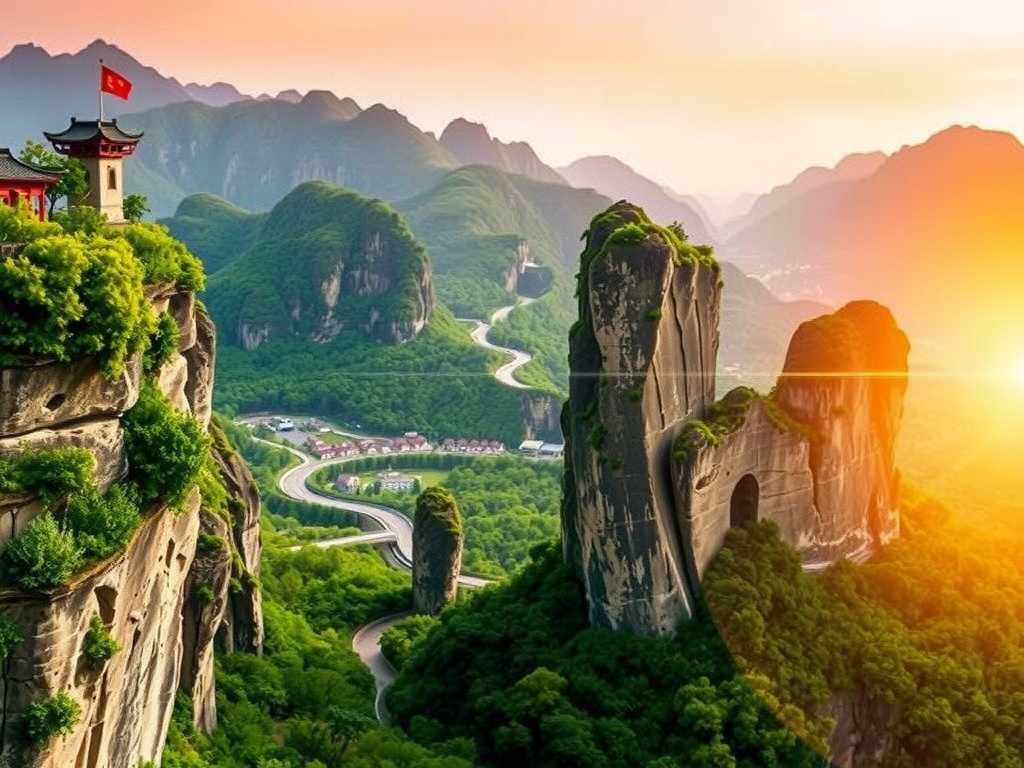
The Avatar Mountains and Zhangjiajie’s Pillars In Hunan province, Zhangjiajie National Forest Park seems ripped from a fantasy novel. Towering sandstone pillars, some over 1,000 meters tall, inspired the floating "Hallelujah Mountains" in the film Avatar. Walking the glass-bottomed Zhangjiajie Grand Canyon Bridge or taking the Bailong Elevator carved into a cliff face are adventures in themselves. The park’s complex ecosystem, home to rare species, adds a layer of ecological wonder to the visual spectacle.
The Rainbow Palette of Zhangye Danxia For a different color palette, the Zhangye Danxia Landform Geological Park in Gansu looks like an artist’s palette. These rolling hills are striped in vibrant reds, yellows, and greens—a result of mineral deposits and sandstone sculpted over 24 million years. The colors are most dramatic at sunrise or sunset, when the low light intensifies the hues.
Beyond the mainland, unique cultural and geographical gems offer profound experiences.
The Potala Palace and Himalayan Vistas of Tibet Lhasa, Tibet, is a destination for the soul. The awe-inspiring Potala Palace, once the winter palace of the Dalai Lama, dominates the skyline. The spiritual atmosphere is palpable as pilgrims circle the Jokhang Temple, Tibet’s most sacred site. Acclimatize properly, and consider visiting with a knowledgeable local guide to deepen your understanding of Tibetan Buddhist culture respectfully and meaningfully.
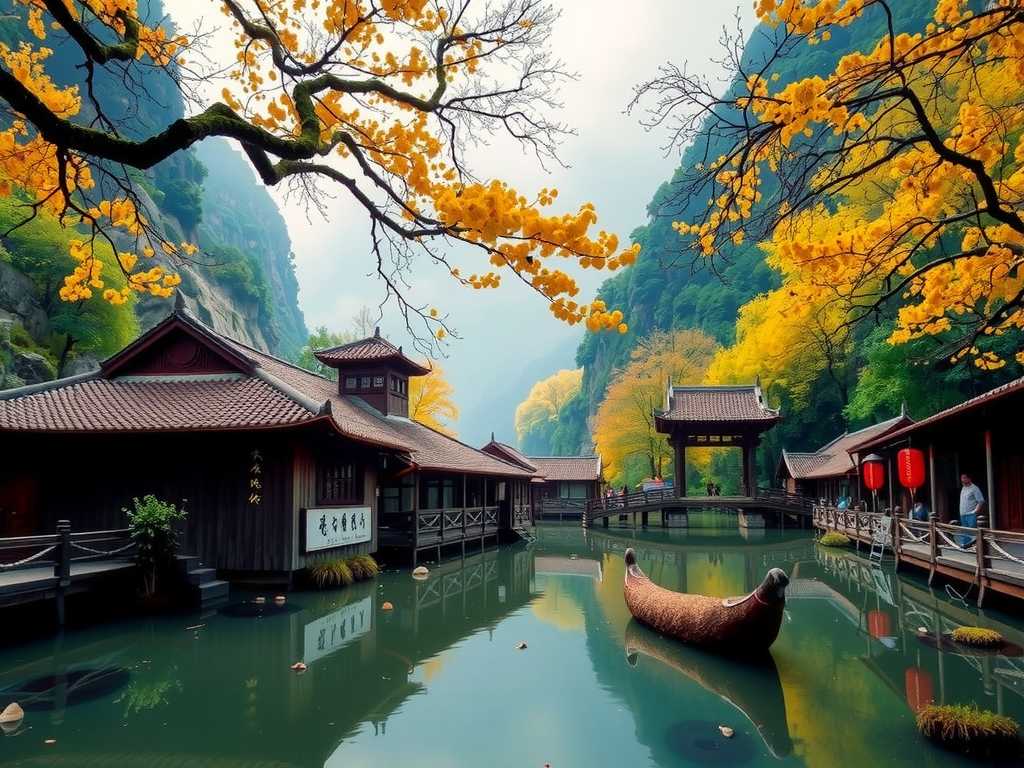
The Water Towns of the Yangtze Delta For a glimpse into China’s canal-based life, the water towns near Shanghai, like Zhujiajiao or Wuzhen, are enchanting. Glide along quiet canals on a wooden boat, passing under stone bridges and past whitewashed houses with black-tiled roofs. Wuzhen, in particular, masterfully preserves its ancient workshops, where you can see traditional indigo dyeing and bamboo crafting in action.
How many days do I need for a first trip to China? A well-paced first trip covering the highlights (e.g., Beijing, Xi’an, Shanghai, plus one natural site like Guilin) typically requires at least 10-14 days. This allows for travel time and deeper exploration without being rushed.
What is the best time to visit China for good weather and fewer crowds? The shoulder seasons of April-May and September-October are generally ideal. You’ll enjoy mild temperatures, less rainfall, and fewer domestic tourists compared to the summer holidays and Golden Week in October.
Is it difficult to travel in China without speaking Mandarin? While knowing basic phrases is helpful, it’s entirely feasible to travel without Mandarin. Major tourist cities have English signage in airports, metro stations, and key attractions. Translation apps are invaluable for menus and daily interactions, and hotel staff can often assist with directions or taxi instructions.
From the imperial might of the Great Wall to the serene beauty of the Li River, China’s must-visit tourist spots offer a journey through time and terrain. Each destination provides a distinct piece of the vast puzzle that is this ancient civilization. By blending iconic sites with local interactions and natural wonders, your trip will move beyond sightseeing to become a collection of meaningful stories and lasting impressions. Start planning, embrace the diversity, and prepare to be captivated.
发表评论