 admin
admin Discover Hidden Scenic Gems in China: Your Ultimate Guide to Off-the-Beaten-Path Adventures
Tired of crowded tourist traps and generic itineraries? Do you dream of experiencing China's authentic beauty beyond the Great Wall and the Forbidden City? You're not alone. Many travelers seek unique landscapes and cultural encounters, yet often find themselves following the same well-trodden paths. This guide is designed for you—the curious explorer ready to discover hidden scenic gems in China. We'll move past the iconic postcard spots and delve into breathtaking, lesser-known destinations that offer serenity, stunning visuals, and deep cultural immersion.

Why Venture Off the Beaten Path in China?
China's vast territory holds countless secrets. While major cities and landmarks are impressive, the soul of the country often resides in its remote valleys, ancient villages, and untouched natural reserves. According to a recent report by the China Tourism Academy, there is a growing trend, especially among international repeat visitors, towards "in-depth tourism" focusing on ecological and cultural experiences in less-developed regions. Travel expert Dr. Li Wei notes, "The true essence of a journey lies in unexpected encounters and landscapes that haven't been packaged for mass consumption. These hidden gems not only provide unparalleled beauty but also support local communities in a more sustainable way."
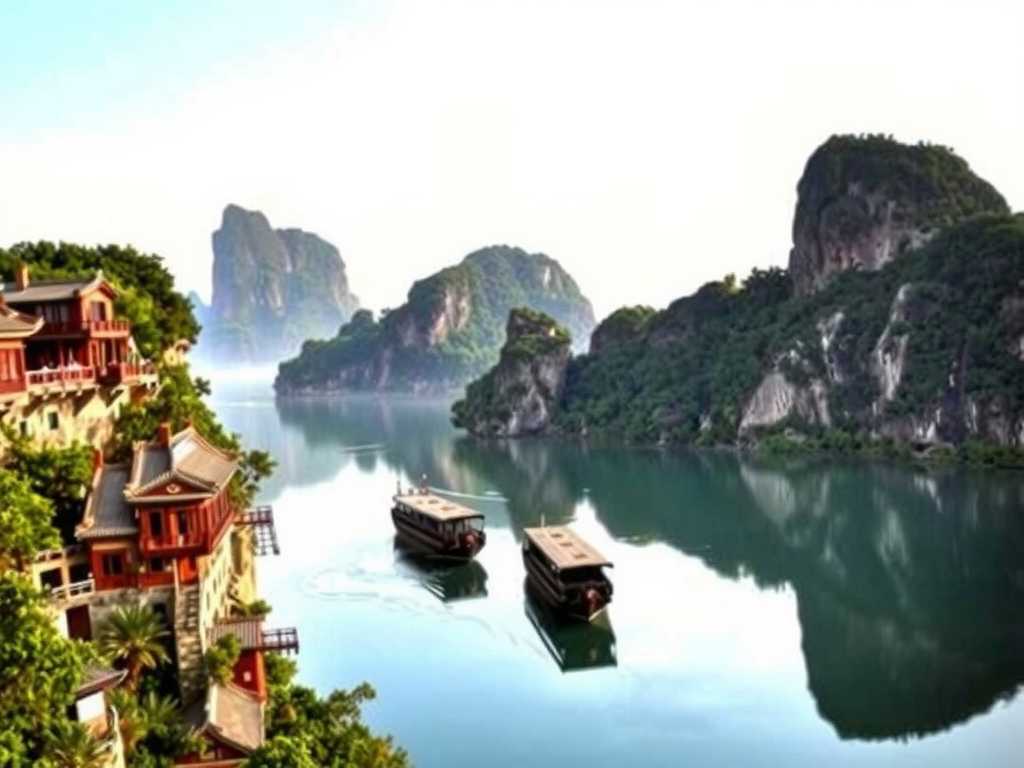
Top Hidden Scenic Gems Across China's Diverse Regions
To help you plan, we've categorized these secret spots by their primary allure. Remember, the journey to these places is part of the adventure.
Secluded Mountain Landscapes and Valleys
The Enigmatic Kanas Nature Reserve in Xinjiang Far in China's northwestern corner, Kanas is often called "the Switzerland of the East." But such comparisons don't do it justice. Its unique allure lies in the turquoise Kanas Lake, mysterious legends of a lake monster, and the surrounding forests of Siberian larch. The true hidden gem here is the tiny village of Hemu. A settlement of the Mongolian Tuva people, Hemu features traditional wooden houses set against a backdrop of golden birch forests and snow-capped peaks. Visiting in autumn transforms the area into a fiery canvas of red and gold, a sight few international tourists witness.
The Heavenly Pool of Zhangjiajie, Beyond the Avatar Mountains While Zhangjiajie National Forest Park gains fame for its quartz-sandstone pillars, the nearby Tianzi Mountain (天子山) area offers a more tranquil experience. Instead of jostling for space at the popular viewing decks, take a hike along the less-crowded trails around the "Imperial Brush Peak" and the "Fairy Maiden Presenting Flowers." You might find yourself alone with the clouds weaving through the stone forest. For the truly adventurous, the unspoiled Suoxi Valley presents pristine streams, secluded waterfalls, and a richer biodiversity.
Ancient Villages Frozen in Time
The Water Town Secret: Nanxun in Zhejiang Skip the commercial hustle of Zhouzhuang and Wuzhen. Nanxun offers a more refined and quiet water town experience. Its unique architectural style blends Ming and Qing dynasty Chinese designs with subtle European influences, a testament to its history as a wealthy silk merchant town. Stroll along the canal in the early morning, visit the elegant Little Lotus Village library garden, and cross the charming Hundred Rooms residential corridor. The atmosphere is one of dignified history, not staged performance.
The Cave Dwellings of Ningxia: Western Xia Imperial Tombs and More Venture into the arid landscapes of Ningxia to find a historical hidden scenic gem unlike any other. The Western Xia Imperial Tombs, known as the "Oriental Pyramids," are the eroded mausoleums of a lost kingdom. Their desolate beauty is profound. Nearby, you can visit the Shapotou desert resort or, better yet, seek out traditional yaodong (cave dwellings) where communities have adapted to the loess plateau for centuries. This region tells a story of human resilience against a dramatic natural backdrop.
Pristine Lakes and Untouched Coastlines
Xingkai Lake (Khanka Lake) on the Russian Border Straddling the border between China and Russia, Xingkai Lake is one of the largest freshwater lakes in Asia yet remains off the radar for most. The Chinese side features vast reed marshes, clean sandy beaches, and an important habitat for migratory birds. The lake is exceptionally shallow and warm in summer, making it perfect for a peaceful swim. The surrounding area is part of the Xingkai Lake National Nature Reserve, ensuring its ecological protection. It's a paradise for birdwatchers and those seeking vast, open horizons.
The Volcanic Geopark of Wudalianchi in Heilongjiang Formed by volcanic eruptions between 1719 and 1721, Wudalianchi is a UNESCO Global Geopark comprising five interconnected lakes and fourteen volcanoes. The landscape is eerily beautiful, with forests of volcanic rock, mineral-rich lakes of different colors, and therapeutic cold springs. Hike up to the crater of Laoheishan Volcano for a panoramic view of the lava fields and forests. The area feels primordial and powerful, a stark contrast to China's bustling eastern metropolises.
Practical Tips for Discovering Your Own Hidden Gem
Finding these places requires a shift in mindset and planning. Here is a practical framework to guide you.
Research Beyond Mainstream Guides. Use Chinese social media platforms like Xiaohongshu (Little Red Book) or travel forums like Mafengwo to find photos and blogs from domestic travelers. They often uncover spots not listed in international guidebooks.
Embrace Slow Travel. Allocating more time to a single region allows for deeper exploration. Instead of trying to see multiple provinces, choose one and explore its secondary cities and countryside.
Consider Hiring a Local Guide. In remote areas, a local guide from the community is invaluable. They provide first-hand experience, unlock access to places you wouldn't find alone, and share stories that bring the location to life. This directly supports the local economy.
Travel Responsibly. The privilege of visiting untouched places comes with responsibility. Follow the principles of "Leave No Trace," respect local customs, and minimize your environmental impact. Your actions help preserve these scenic gems for future explorers.
Navigating Your Journey with Confidence
You might still have some questions before embarking on your trip to these lesser-known areas.
Is it safe to travel to these remote locations in China? Yes, China is generally very safe for travelers. However, remote areas require extra preparation. Inform someone of your itinerary, ensure you have reliable maps (download offline versions), and be aware of weather conditions. Registering with your embassy is always a good precaution for any international travel.
How is the transportation and language barrier? Transportation can be a mix of trains, long-distance buses, and private cars. High-speed rail networks are extensive, but the final leg often requires a local bus or taxi. Language barriers are more pronounced outside major cities. Learning a few basic Mandarin phrases, using translation apps, and having your destination written in Chinese characters will be immensely helpful.
What is the best time of year to visit these hidden gems? This varies greatly by region. For Kanas and northern areas like Heilongjiang, summer and early autumn are ideal. For southern water towns like Nanxun, spring and autumn offer pleasant temperatures. Always check local climate patterns and avoid national holiday periods like Golden Week in October, when domestic travel surges dramatically.
Exploring China's hidden scenic gems is a rewarding endeavor that offers a more intimate and authentic understanding of the country's diversity. It connects you with stunning natural wonders, profound history, and welcoming communities away from the crowds. With thoughtful planning and an adventurous spirit, you can uncover landscapes and stories that most visitors never see. Start looking beyond the famous landmarks—your unique Chinese adventure awaits.
发表评论