 admin
admin Discover the Wonders: Your Ultimate Guide to Top-Rated China Scenic Attractions & Trips
Planning a trip to China can feel overwhelming. With a landmass rivaling a continent and thousands of years of history, how do you choose where to go? You want more than just a checklist; you seek breathtaking landscapes, profound cultural immersion, and seamless travel experiences. This guide cuts through the noise, offering a curated selection of top-rated China scenic attractions and trips designed for unforgettable discovery.
Understanding China’s Geographic and Cultural Tapestry
China’s vastness offers distinct regional characters. The east boasts modern metropolises and classical gardens. The west presents epic mountain ranges and high-altitude plateaus. The south is famous for karst hills and riverine landscapes, while the north holds imperial history and grassland frontiers. A well-planned trip often combines elements from different regions to capture the country’s full spectrum. According to the China Tourism Academy, over 65% of repeat visitors prioritize "diverse experiential travel," mixing natural wonders with cultural heritage.
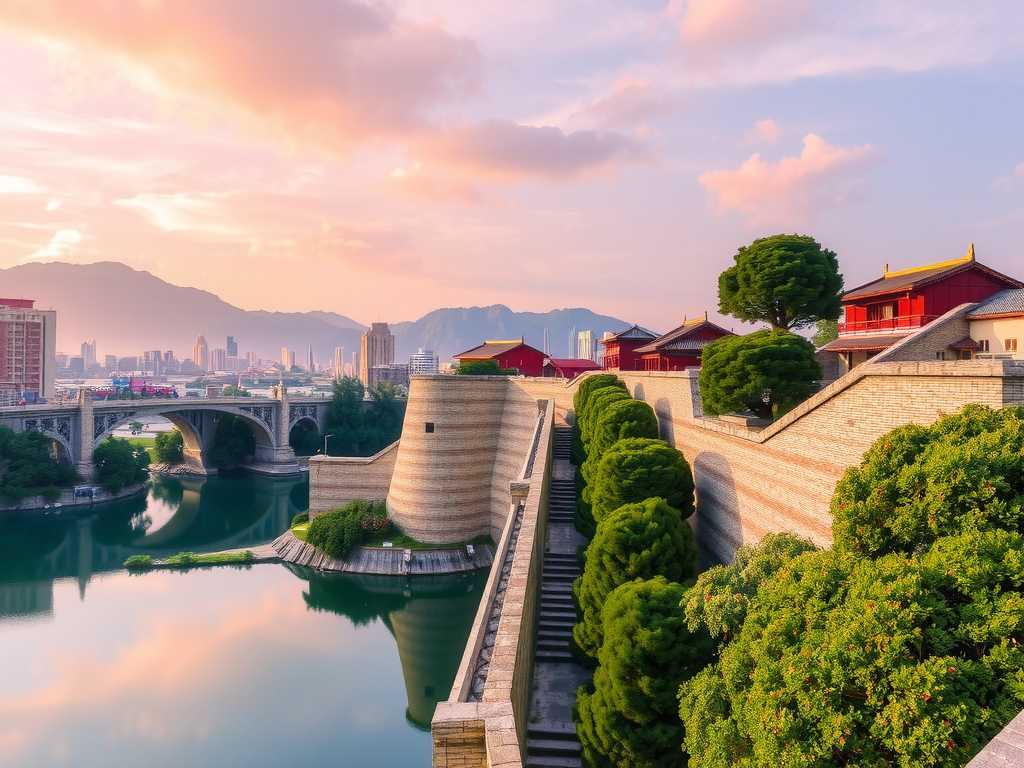
The Iconic Must-Sees: China’s Crown Jewels
These legendary sites are top-rated for a reason. They form the cornerstone of many first-time itineraries.
The Great Wall: A Walk Through History
Stretching over 13,000 miles, the Great Wall is more than a monument; it's a physical narrative of China’s past. For the best experience, avoid the overcrowded Badaling section. Instead, head to Mutianyu for its stunning forested views and cable car access, or Jinshanling for a more rugged, photogenic hike. As historian Dr. Lin Wei notes, "The Wall's power lies in its context—contemplate the ambition it took to build it across such treacherous terrain."
The Terracotta Army: An Underground Empire
Discovered in 1974 in Xi'an, this army of thousands of life-sized clay soldiers guards the tomb of China’s first emperor, Qin Shi Huang. Each figure is uniquely detailed. Allocate at least half a day here. Viewing the pits from the elevated walkways offers a staggering perspective on the scale of this 2,200-year-old archaeological marvel.
The Li River & Karst Peaks: A Painting Come to Life
The landscape between Guilin and Yangshuo is the quintessential image of South China. A Li River cruise is the premier way to witness the towering limestone karsts shrouded in mist. For active travelers, a bike ride through Yangshuo’s countryside paths brings you closer to rural life. This region consistently ranks as a top-rated scenic attraction for its serene, almost surreal, beauty.
Beyond the Classics: Hidden Gems and Regional Treasures
To truly escape the crowds and discover China’s soul, venture off the well-trodden path.
Zhangjiajie National Forest Park: Avatar’s Hallelujah Mountains
The inspiration for the floating mountains in Avatar, Zhangjiajie’s quartz-sandstone pillars are a geological wonder. Walk the glass-bottomed skywalks, ride the Bailong Elevator built into a cliff face, and explore the lush valleys below. It’s a top-rated China trip for adventure seekers and photographers alike.

Jiuzhaigou Valley: A Palette of Alpine Colors
Located in Sichuan province, Jiuzhaigou is a UNESCO site famed for its multi-colored lakes, waterfalls, and snow-capped peaks. The water is so clear and vividly blue-green it seems unreal. Autumn, when the foliage turns fiery red and gold, offers the most spectacular scenery, though it requires advance planning due to visitor limits aimed at preservation.
The Silk Road: A Journey Through Time
Trace the ancient trade route through China’s northwestern provinces. Start in Xi'an, then journey to the desert oasis of Dunhuang to see the Mogao Caves' Buddhist art and sing on the Echoing-Sand Mountain. Further west, the Kashgar Sunday Bazaar offers a vibrant taste of Uyghur culture. This trip blends history, ethnic diversity, and stark desert landscapes.
Crafting Your Perfect Itinerary: Practical Tips for a Seamless Journey
Knowing where to go is half the battle. Here’s how to build your trip.
Best Times to Visit for Optimal Scenery
China’s climate varies wildly. Spring (April-May) and Autumn (September-October) are generally ideal nationwide, with pleasant temperatures and vibrant nature. Summer is busy and hot but perfect for Tibet and northern grasslands. Winter offers crowd-free access to the Great Wall and magical snowy vistas in Harbin.
Navigating Transportation and Accommodation
China’s high-speed rail network is efficient, comfortable, and perfect for city-to-city travel. For remote scenic areas, domestic flights or private drivers are necessary. Book trains via the official 12306 website or reliable apps like Trip.com. For a truly immersive experience in rural areas like Yunnan or Guangxi, consider a boutique heritage guesthouse.
Embracing Local Culture and Etiquette
A few simple gestures enhance your experience. Learn basic Mandarin phrases. Always present and receive items (like business cards or money) with both hands. Be mindful when photographing locals—always ask permission. Participating in a local tea ceremony or a countryside cooking class can transform a simple visit into a deep cultural exchange.
Traveling Responsibly: Preserving China’s Beauty
The popularity of top-rated China scenic attractions brings the responsibility of sustainable travel. Stay on marked trails in natural parks to protect ecosystems. Carry a reusable water bottle and refuse single-use plastics. Support local economies by purchasing handicrafts directly from artisans. Your conscious choices help ensure these wonders endure for generations.
Frequently Asked Questions
What is the best way to manage the language barrier while traveling in China? Utilize translation apps like Pleco or Google Translate (with a VPN). Major tourist sites have English signage, and carrying a hotel card with its address in Chinese is invaluable for taxi rides. Most importantly, approach interactions with patience and a smile.
How many days are sufficient for a first-time trip covering the highlights? A minimum of 10-14 days allows for a paced itinerary covering two to three major regions, such as Beijing-Xi'an-Shanghai, or Beijing plus the Zhangjiajie/Guilin landscapes. Rushing to see too much can be exhausting. Depth often trumps breadth for a more rewarding experience.
Is it safe to travel independently in China for non-Mandarin speakers? Yes, it is generally very safe. The transportation infrastructure is tourist-friendly, and major cities have clear metro systems. For remote scenic areas or complex routes like the Silk Road, joining a small-group tour or hiring a local guide can simplify logistics and enrich your understanding immensely.
From the imperial grandeur of the Forbidden City to the serene waters of Jiuzhaigou, China offers a journey that engages all senses. By blending iconic landmarks with lesser-known treasures, respecting local customs, and planning thoughtfully, your exploration of these top-rated China scenic attractions and trips will be far more than a vacation—it will be a chapter of a lifetime. The adventure awaits, ready to reveal its stories to you.




发表评论