 admin
admin China’s Scenic Marvels: A Travel Adventure Beyond Imagination
Planning a trip to China can feel overwhelming. With a landmass rivaling a continent and thousands of years of history, where do you even begin? Many travelers struggle to move beyond the iconic Great Wall and Forbidden City, missing the profound diversity of landscapes and cultural experiences that make China a true travel adventure. This guide is crafted to solve that exact problem. We will journey through China’s most breathtaking scenic marvels, providing a clear, step-by-step pathway from the misty peaks of the south to the vast deserts of the west, ensuring your adventure is as seamless as it is unforgettable.
Crafting Your Ultimate China Adventure Itinerary
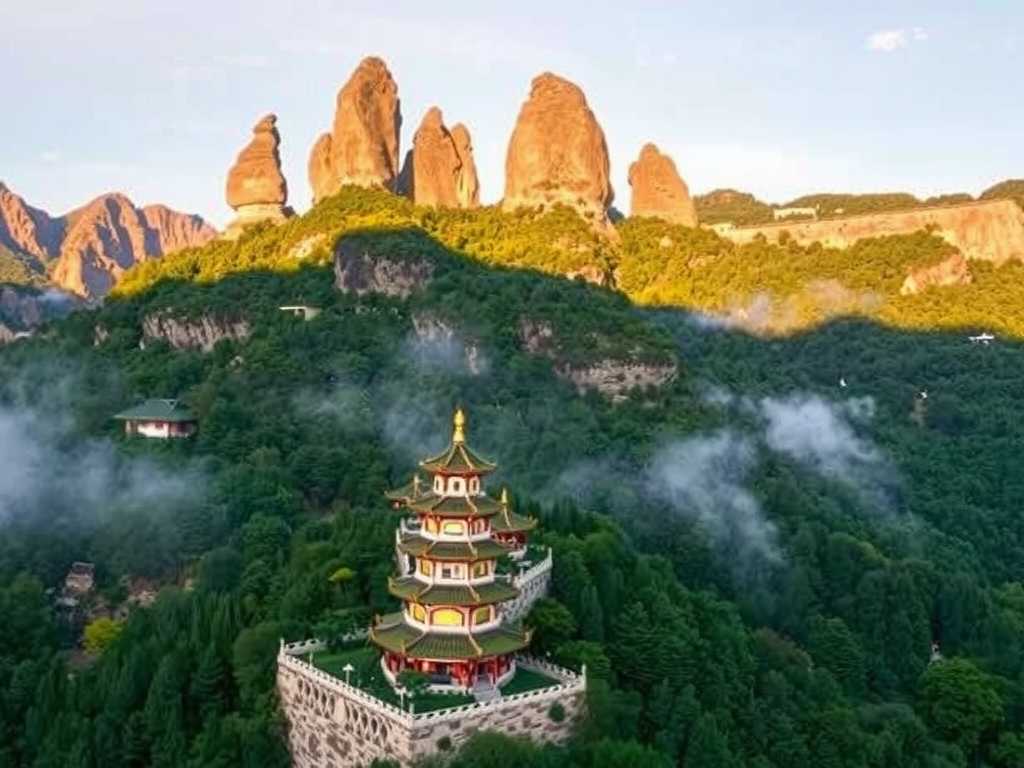
A successful journey across China requires thoughtful planning. The country’s sheer size means that climate, culture, and terrain shift dramatically from region to region. Your adventure should align with your interests, whether they lean towards hiking, photography, history, or culinary discovery.
Prioritizing destinations based on geographic clusters saves valuable time. For instance, pairing the Zhangjiajie National Forest Park with the nearby ancient town of Fenghuang is more efficient than combining it with a trip to the Tibetan Plateau. According to a 2023 report by the China Tourism Academy, travelers who cluster their visits within specific provinces or regions report 40% higher satisfaction due to reduced transit fatigue and deeper cultural immersion.
Always consider the season. Spring (April-May) and autumn (September-October) generally offer the most pleasant weather nationwide. However, some marvels, like the snow-covered landscapes of Jiuzhaigou Valley or the summer grasslands of Inner Mongolia, are seasonal spectacles.
The Southern Karst: A Surreal Landscape Sculpted by Time
Venturing into southern China, particularly Guangxi and Guizhou provinces, feels like stepping onto another planet. Here, the karst topography creates a dreamscape of jagged limestone peaks, hidden rivers, and vast caverns.
Guilin and the Li River: The Picture-Perfect Classic The journey from Guilin to Yangshuo by boat along the Li River is the quintessential introduction to this region. As noted by renowned travel photographer Michael Yamashita, “The Li River landscape is a masterclass in composition, where water, mountain, and light perform a daily symphony.” The 83-kilometer cruise passes by water buffalo farmers, bamboo groves, and iconic peaks like Elephant Trunk Hill. This is not just a sightseeing trip; it’s a immersion into a timeless, poetic China depicted in centuries of ink paintings.
Zhangjiajie National Forest Park: The Avatar Mountains For a more dramatic and vertical adventure, Zhangjiajie in Hunan province is unmatched. Its towering sandstone pillars, some over 1,000 meters tall, inspired the floating “Hallelujah Mountains” in the film Avatar. Exploring this UNESCO Global Geopark involves a combination of cable car rides, cliff-hugging walkways like the thrilling Zhangjiajie Glass Bridge, and hikes through lush forests. The view from the Tianzi Mountain summit, especially at sunrise when peaks pierce through a sea of clouds, is a life-defining travel moment.
The Tibetan Plateau: Roof of the World
Traveling to the Tibetan Plateau is an adventure for the soul. This high-altitude realm offers stark, powerful beauty and a deeply spiritual culture. Acclimatization is crucial here; plan to spend your first few days in Lhasa gently.
Potala Palace and Sacred Lakes Lhasa, the heart of Tibetan Buddhism, is dominated by the awe-inspiring Potala Palace. A UNESCO World Heritage site, it’s a monumental fortress-palace containing countless chapels, tombs, and artifacts. Beyond Lhasa, the crystal-clear waters of Yamdrok Lake, one of Tibet’s three great sacred lakes, shimmer in stunning shades of turquoise against barren mountains. The drive around its shores is an adventure in itself, offering panoramic vistas that feel profoundly peaceful.
Mount Everest Base Camp For the ultimate high-altitude quest, the north face of Mount Everest (Qomolangma) is accessible from Tibet. The journey to Rongbuk Monastery and Everest Base Camp is rugged, but standing in the shadow of the world’s highest peak is an unparalleled achievement. The view of Everest’s majestic north face, unobstructed and towering against a deep blue sky, is a powerful reminder of nature’s grand scale.
The Ancient Silk Road: Deserts and Oasis Cities
Trace the footsteps of merchants and explorers along the ancient Silk Road in China’s arid northwest. This route is a historical adventure through desert dunes, eroded canyons, and once-prosperous oasis towns.
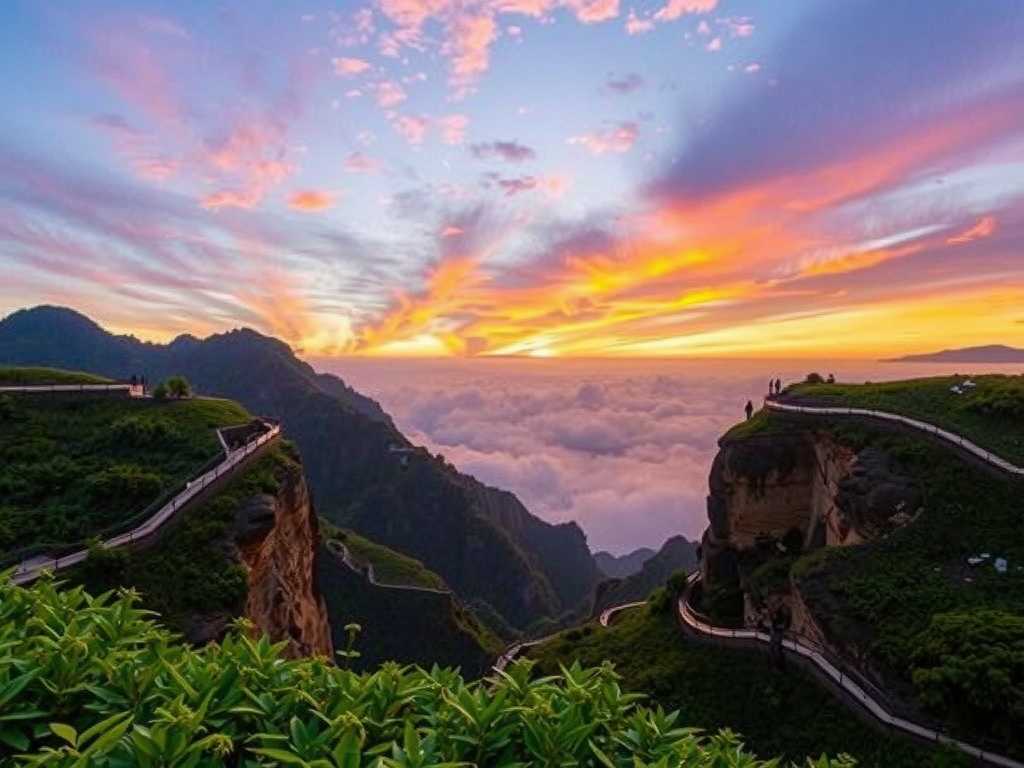
The Rainbow Mountains of Zhangye Zhangye Danxia National Geological Park is a geological wonder. Its striped mountains, in vibrant reds, yellows, and greens, look like a layered cake painted by an artist. Formed by millions of years of mineral deposits and erosion, the best time to witness their full glory is at sunset or after rain, when the colors are most intense. It’s a photographer’s paradise and a stunning example of Earth’s artistic power.
The Mogao Caves and Singing Sand Dunes In Dunhuang, two contrasting marvels await. The Mogao Caves, a UNESCO site, are a treasure trove of Buddhist art, with nearly 500 caves housing exquisite murals and statues spanning a millennium. Just outside the city, the Mingsha Shan (Singing Sand Dunes) and the crescent-shaped Yueyaquan Spring create a classic desert oasis scene. Climbing the dunes at dusk to watch the sunset over the endless sands is a magical, serene experience.
Practical Tips for Navigating Your Adventure
To fully enjoy these scenic marvels, a few practical steps are essential. First, secure the correct visa well in advance. While major cities have modern infrastructure, remote areas may have limited connectivity, so downloading offline maps and translation apps is wise. For internal travel, China’s high-speed rail network is efficient and comfortable for long distances, while domestic flights connect major hubs. When visiting ethnic regions or religious sites like those in Tibet, always be mindful and respectful of local customs and regulations.
What is the best time of year to visit Zhangjiajie National Forest Park? The optimal times are spring (April-May) and autumn (September-October). These seasons offer comfortable temperatures, clear skies, and vibrant greenery or autumn colors. Summer can be hot, humid, and crowded, while winter may see some icy paths, though the snow-dusted peaks are uniquely beautiful.
How many days should I allocate for a basic Tibet itinerary? A minimum of 5-7 days is recommended for a foundational Tibet adventure. This allows for two days in Lhasa to acclimate and visit the Potala Palace and Jokhang Temple, plus time for a day trip to Yamdrok Lake. A journey to Everest Base Camp typically requires an additional 4-5 days round-trip from Lhasa.
Are these scenic destinations suitable for family travel with children? Many destinations are family-friendly with proper planning. The Li River cruise, the pandas in Chengdu, and the city walls of Xi’an are excellent for all ages. For more rugged adventures like high-altitude Tibet or long hikes in Zhangjiajie, carefully consider your children’s fitness and adaptability. Opting for cable cars and shorter, manageable trails can make these wonders accessible.
Embarking on a journey to explore China’s scenic marvels is more than a vacation; it’s an expedition through layers of history, culture, and some of the planet’s most dramatic geology. From the serene karst rivers to the formidable Himalayan peaks, each landscape tells a unique story. By planning thoughtfully, traveling respectfully, and embracing the unexpected, your travel adventure across China will leave you with not just photographs, but a profound sense of connection to this vast and endlessly fascinating land. The marvels await—your adventure begins with a single step onto this ancient soil.

发表评论