 admin
admin Scenic China: Explore the Best Tourist Sites for an Unforgettable Journey
Planning a trip to China can feel overwhelming. With a landmass rivaling a continent and a history spanning millennia, how do you possibly choose where to go? The common pain points are real: information overload, fear of missing iconic landmarks, and the challenge of balancing famous sites with authentic, less-crowded experiences. This guide is designed to cut through the noise. We’ll navigate China’s breathtaking diversity, from ancient wonders to natural masterpieces, helping you craft an itinerary that is both deeply rewarding and perfectly tailored to your travel dreams.
Your Essential Guide to China’s Geographic Wonders

China’s vast landscape is a traveler’s palette, offering every hue of adventure. Understanding its geographic and cultural regions is the first step to a meaningful journey.
The Historical Heartland: North & Central China This region is the cradle of Chinese civilization. Here, you walk through chapters of imperial history.
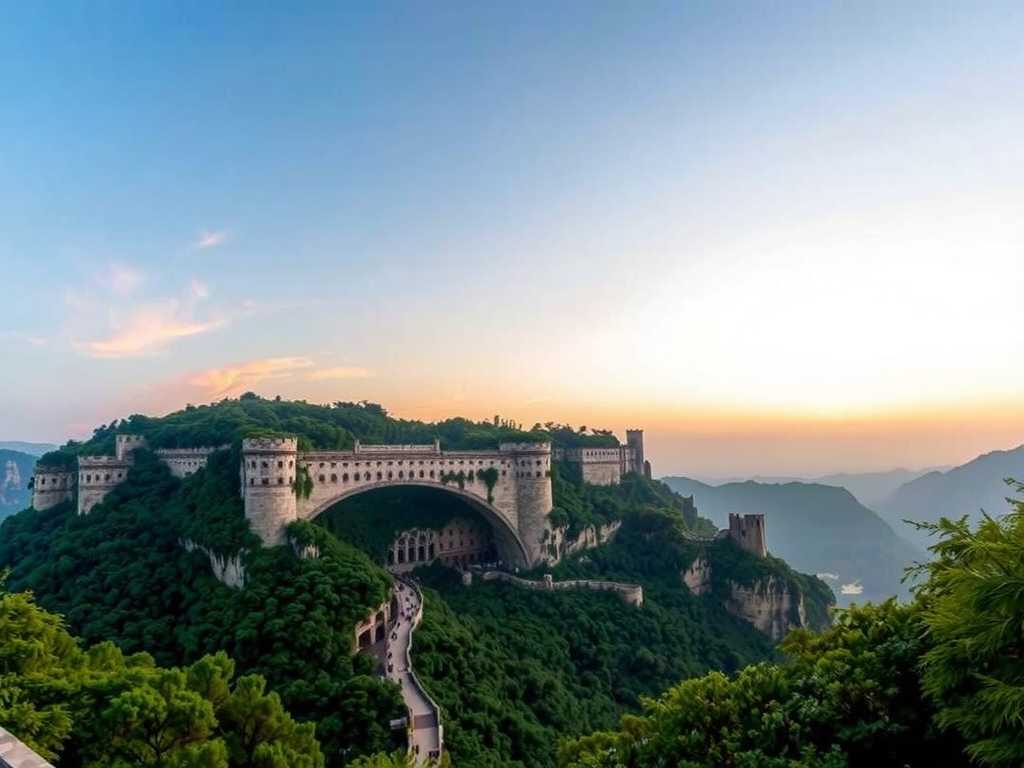
- The Great Wall: Stretching over mountains and deserts, the Great Wall is an undeniable symbol of perseverance. For the best experience, consider sections like Mutianyu for family-friendly accessibility or Jinshanling for spectacular, rugged hikes with fewer crowds.
- The Terracotta Army, Xi’an: A silent, awe-inspiring army buried for over two millennia. As noted by archaeologist Li Xiuzhen, "Each figure was individually crafted, making the site not just a mass grave, but a gallery of ancient portraiture and technology."
- The Forbidden City, Beijing: The world’s largest imperial palace complex offers a profound glimpse into the lives of Ming and Qing emperors. Plan to spend at least half a day exploring its grand halls and intricate courtyards.
The Picturesque South: Landscapes & Minority Cultures South of the Yangtze River, the scenery softens into lush hills, water towns, and dramatic karst formations.
- Guilin & Yangshuo: The iconic karst mountain scenery along the Li River is the landscape of classical Chinese painting. A bamboo raft cruise or a cycling tour through rice paddies are quintessential experiences.
- Zhangjiajie National Forest Park: The inspiration for the floating mountains in Avatar. Its towering sandstone pillars shrouded in mist create a truly otherworldly landscape.
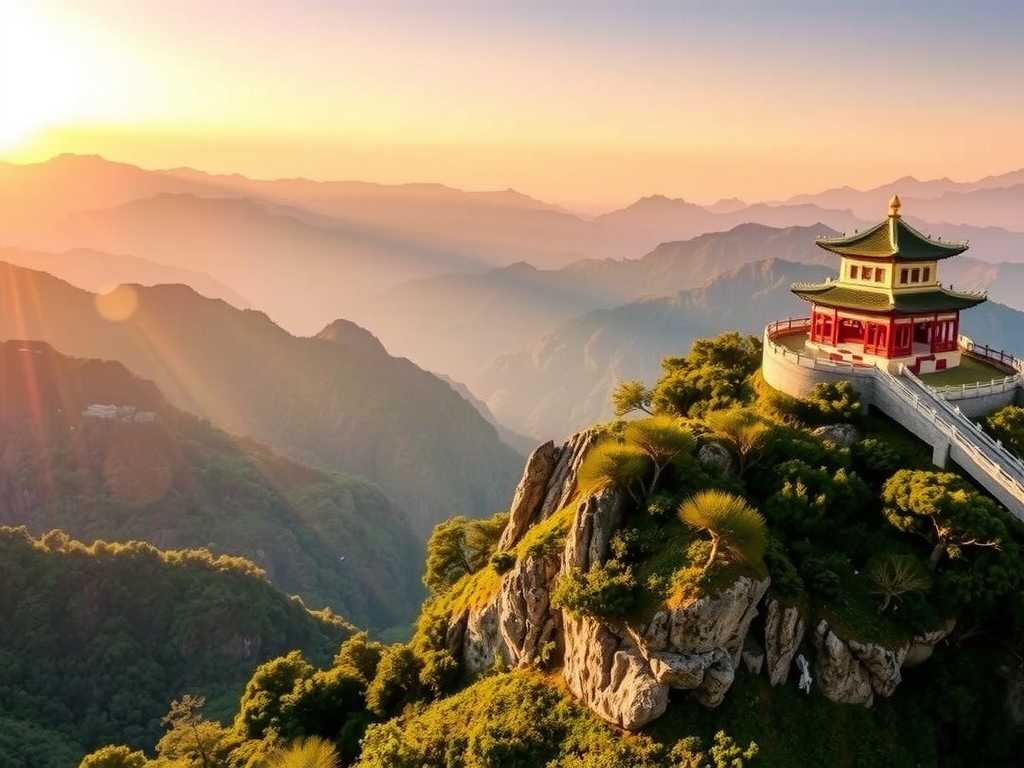
- Huangshan (Yellow Mountain): Famous for its "sea of clouds," peculiarly shaped granite peaks, and ancient pine trees. Sunrise here is a transformative event for many visitors.
The Rugged & Spiritual West: Tibet & the Silk Road This is the region for epic vistas and profound cultural immersion.
- Tibetan Plateau: The Potala Palace in Lhasa is not just an architectural marvel but the spiritual heart of Tibetan Buddhism. The journey here offers unparalleled high-altitude scenery.
- Jiuzhaigou Valley: A UNESCO site famed for its multi-colored lakes, waterfalls, and snow-capped peaks—a pristine natural paradise.
- Silk Road Gems: Explore the echoing Mogao Caves in Dunhuang, filled with Buddhist art, and the photogenic Rainbow Mountains of Zhangye.
Crafting Your Perfect Scenic China Itinerary
A successful trip hinges on smart planning that aligns with your interests, time, and travel style.
For First-Timers (10-14 Days): The Classic Trail This route covers the non-negotiable highlights. Start in Beijing (3-4 days) for the Great Wall and Forbidden City. Fly to Xi’an (2 days) for the Terracotta Army. Then, proceed to Guilin/Yangshuo (3 days) for relaxation and scenery. End in Shanghai (2 days) for a contrast of futuristic skyline and historic water towns like Zhujiajiao. This loop offers a balanced taste of history, nature, and modernity.
For Nature & Photography Enthusiasts (2+ Weeks) Devote time to China’s most spectacular natural canvases. Begin with Zhangjiajie (3 days) for its pillar forests. Travel to Guilin (3 days) for river scenery. Then, embark on a journey to Jiuzhaigou Valley (2-3 days), requiring careful flight and land transport planning. Consider adding Lijiang and the Tiger Leaping Gorge in Yunnan for Himalayan foothills and rich minority culture.

For the Culturally Curious: Beyond the Beaten Path Seek out authentic cultural experiences in rural China. Visit Pingyao Ancient City in Shanxi for well-preserved Ming-era architecture. Explore the Fujian Tulou, the remarkable earthen roundhouses of the Hakka people. Participate in a local festival, such as the Torch Festival in Yunnan or the Dragon Boat Festival along the southern rivers.
Practical Travel Wisdom for a Seamless Experience
Navigating China smoothly requires some key know-how.
- Best Times to Visit: Spring (April-May) and Autumn (September-October) offer the most pleasant weather nationwide. Summer can be hot and crowded; winter is cold in the north but ideal for southern regions like Yunnan.
- Visa & Transport: Apply for a tourist visa (L-visa) well in advance. Within China, the high-speed rail network is efficient, comfortable, and scenic. For long distances, domestic flights are time-saving. Didi (China’s Uber) and metro systems in major cities are user-friendly.
- Cultural Etiquette: A few simple phrases in Mandarin ("Ni hao" for hello, "Xie xie" for thank you) go a long way. Be mindful when visiting religious sites. Tipping is not customary but is appreciated in tourist-facing roles. Always carry tissues and hand sanitizer, as these are not always provided in public restrooms.
What are the most scenic places in China that aren't overly touristy? While iconic sites are popular for a reason, consider Kanas Lake in Xinjiang for alpine beauty rivaling Switzerland, Xiapu Mudflats in Fujian for stunning photographic opportunities at sunrise, or Wuyuan in Jiangxi for serene ancient villages surrounded by rapeseed flower fields in spring. These destinations offer breathtaking scenery with a more local feel.
Is it difficult for English speakers to travel independently in China? It can be challenging but is entirely feasible with preparation. In major cities and tourist hubs, basic English is understood in hotels and at attractions. Utilize translation apps like Pleco or Google Translate (with a VPN), have your hotel’s name and addresses written in Chinese characters, and embrace non-verbal communication. Joining small-group day tours for specific sites can also ease logistics.
How should I prioritize my time if I only have one week? With one week, focus on depth over breadth. A Beijing-Xi’an combination is ideal. Spend four days in Beijing for the Great Wall, Forbidden City, Summer Palace, and hutongs. Then, take a high-speed train to Xi’an for two days to see the Terracotta Army, City Wall, and Muslim Quarter. This gives a powerful immersion into China’s ancient imperial history and its most legendary monuments.
China’s scenic splendor is a gift that keeps revealing itself, from the silent majesty of its mountains to the vibrant pulse of its living history. By focusing on the regions that call to you, planning with both iconic and hidden gems in mind, and traveling with an open heart, you move beyond simply visiting sites to truly experiencing the soul of this magnificent country. Your unforgettable journey through the best tourist sites in scenic China awaits.


发表评论