 admin
admin China’s Breathtaking Scenic Destinations: Your Ultimate Travel Guide
Planning a trip to China can feel overwhelming. With a landmass so vast and a history spanning millennia, how do you choose where to go beyond the well-trodden path of the Great Wall and the Forbidden City? The real challenge isn’t finding scenic spots—it’s discovering the truly awe-inspiring ones that align with your travel dreams, whether you seek serene landscapes, cultural immersion, or adrenaline-pumping adventure. This guide cuts through the noise to showcase China’s most breathtaking scenic destinations, offering you a clear, authoritative roadmap for an unforgettable journey.
Unveiling China’s Diverse Natural Canvas
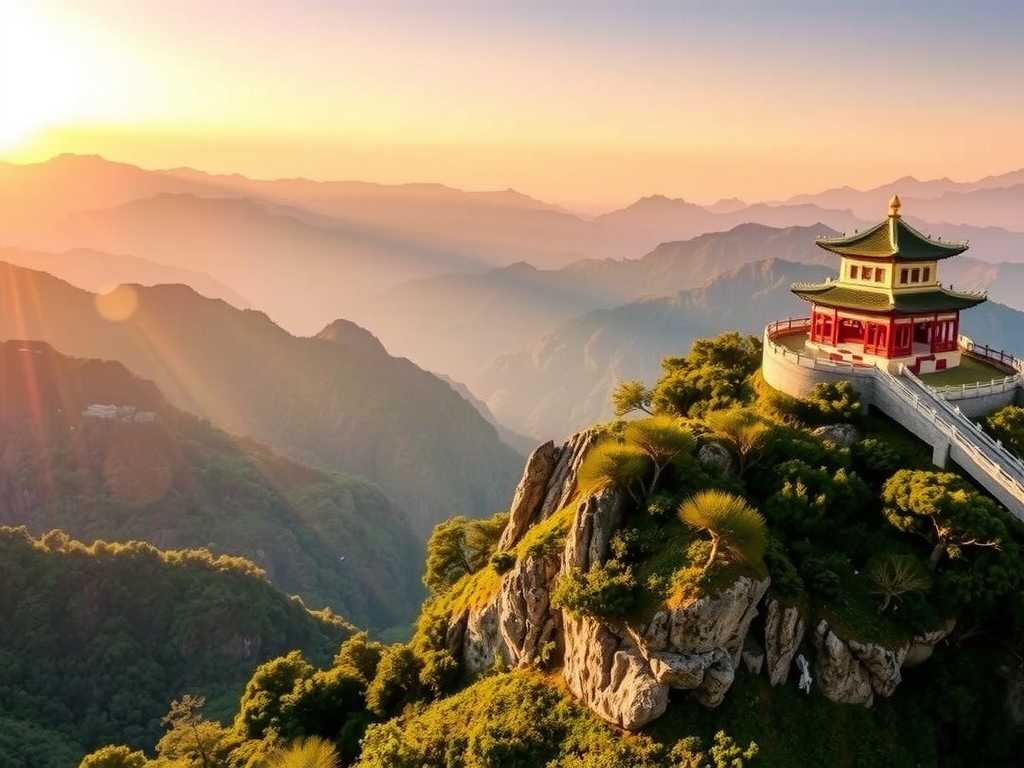
China’s geography is a masterpiece of contrasts, offering everything from jagged karst peaks and terraced rice paddies to vast deserts and crystal-clear lakes. Understanding this diversity is the first step to planning your perfect itinerary.
The Ethereal Beauty of Guilin and Yangshuo
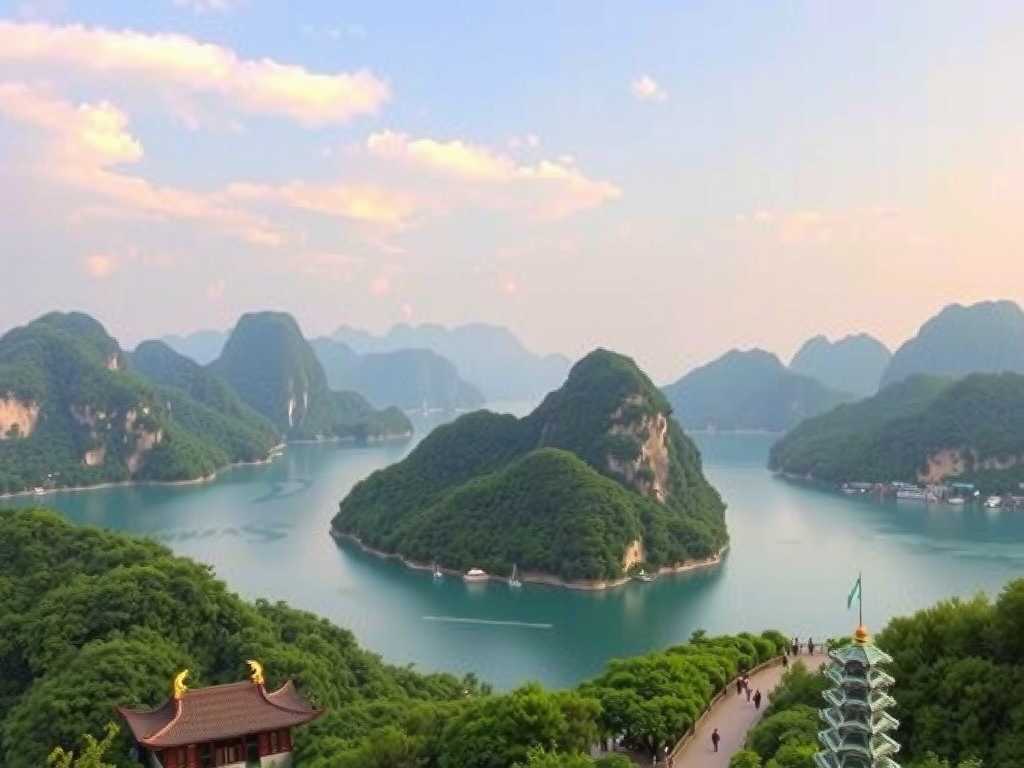
The phrase “East or west, Guilin landscape is best” is a famous Chinese saying for a reason. Here, the Li River winds its way through a dreamscape of limestone karst hills that seem to rise magically from the earth. This isn’t just a postcard view; it’s an immersive experience.
- Cruising the Li River: The journey from Guilin to Yangshuo is the quintessential way to absorb the scenery. As noted by travel anthropologist Dr. Li Wen, “The Li River cruise offers a moving panorama that has inspired Chinese poets and painters for centuries. It’s less about a destination and more about witnessing a living art form.” Keep your camera ready for the iconic view of Nine-Horse Fresco Hill and Xingping, the scene featured on the 20 RMB banknote.
- Yangshuo’s Countryside: Disembark in Yangshuo and trade the boat for a bicycle. Ride through valleys dotted with the iconic peaks, past working rice fields and small villages. For a unique perspective, try bamboo rafting on the quieter Yulong River.
- Practical Tip: The best times to visit are spring (April-May) and autumn (September-October) for pleasant temperatures and clear skies. Summer can be hot and rainy, while winter is mild but often misty, which can create a mysteriously beautiful, fog-shrouded landscape.
The Rainbow Mountains of Zhangye Danxia
Prepare to have your perception of color redefined. The Zhangye Danxia National Geological Park in Gansu province looks like a layered cake painted by an exuberant artist. These rolling hills are striped in vibrant reds, yellows, oranges, and greens—a result of mineral deposits and sandstone being sculpted by wind and rain over 24 million years.
The colors are most intense after rainfall, when the rocks are damp. Sunrise and sunset are the golden hours for photography, as the low angle of the sun intensifies the hues and creates dramatic shadows across the ridges. Boardwalks throughout the park guide visitors to the best viewpoints while protecting the fragile sandstone. This destination is a powerful reminder, as highlighted in a UNESCO World Heritage report on similar landforms, of how geological processes can create landscapes of extraordinary aesthetic value.
The Heavenly Lake of Tian Shan
Nestled high in the Xinjiang region’s Tianshan Mountains, Tianchi, or “Heavenly Lake,” is a stunning alpine lake surrounded by snow-capped peaks and dense pine forests. The water, fed by glacial melt, shifts from deep blue to brilliant emerald depending on the light and season.
The journey to the lake itself is part of the adventure, involving a scenic drive up winding mountain roads. Once there, you can take a boat ride on the serene waters, hike along well-marked trails for different vantage points, or simply soak in the pristine, cool air—a welcome respite from the summer heat of the lowlands. The area is also rich in the culture of the local Kazakh minority, and you may see their yurts dotted around the pastures.
Journey to the Avatar Mountains: Zhangjiajie
If you’ve ever seen the floating Hallelujah Mountains in the movie Avatar, you’ve seen Zhangjiajie. The Zhangjiajie National Forest Park in Hunan province is home to thousands of towering quartz-sandstone pillars, many over 200 meters tall, shrouded in mist and topped with verdant greenery.
- Exploring the Park: The scale is immense. Key areas include Yuanjiajie (the inspiration for the Avatar mountains), Golden Whip Stream for a peaceful valley walk, and Tianzi Mountain for sweeping panoramic views. The Bailong Elevator, a glass elevator built onto the side of a cliff, offers a thrilling (and quick) ascent.
- The Glass Bridge: For the brave, the Zhangjiajie Grand Canyon Glass Bridge—one of the longest and highest transparent-bottomed bridges in the world—provides a heart-pounding way to view the dizzying depths below. It’s a testament to how modern engineering can create new ways to experience ancient landscapes.
The Otherworldly Landscape of the Yellow Mountains (Huangshan)
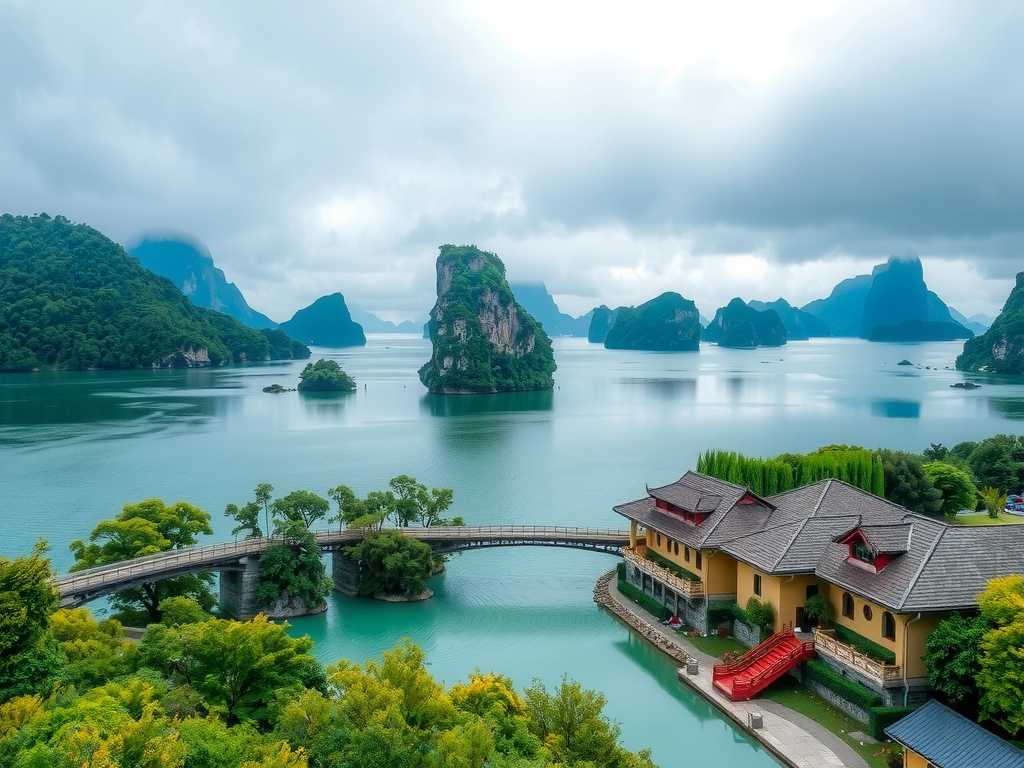
Huangshan is the quintessential Chinese mountain of legend and art. Its four wonders—strangely-shaped pines, hot springs, sea of clouds, and grotesque rock formations—combine to create a scene that feels perpetually shrouded in myth. This is a destination for hikers and photographers seeking that classic, misty “ink painting” come to life.
Accommodation on the mountain ranges from basic dormitories to more comfortable hotels, allowing visitors to catch a sunrise from peaks like Bright Summit Peak or Beginning-to-Believe Peak. The descent (or ascent) can be made via one of several cable cars, or on foot for the truly ambitious, passing by iconic sights like the Welcoming Guest Pine.
Beyond the Mainstream: Hidden Gems for the Intrepid Traveler
For those looking to venture further, China holds countless lesser-known wonders.
The Yuanyang Rice Terraces in Yunnan are a masterpiece of human ingenuity. Carved into the slopes of the Ailao Mountains by the Hani people over 1,300 years ago, these terraces turn into vast mirrors at sunrise and sunset during the spring watering season, reflecting the sky in endless layers.
Jiuzhaigou Valley in Sichuan, a UNESCO World Heritage site, is a fairy-tale world of multi-colored lakes, waterfalls, and snow-capped peaks. While access can be regulated to protect the environment, its ethereal beauty—with lakes bearing names like Five-Flower Lake and Panda Lake—makes it worth the planning effort.
Kanas Lake in northern Xinjiang, near the borders of Kazakhstan and Russia, rivals the lakes of Canada and Switzerland. Surrounded by dense taiga forests and alpine meadows, its deep blue waters are the subject of local legends about mysterious creatures. It’s a perfect destination for hiking, horseback riding, and experiencing the culture of the nomadic Tuvan people.
How do I travel between these scenic destinations in China? China’s high-speed rail network is efficient, comfortable, and connects major cities near many scenic areas (e.g., to Guilin, Zhangjiajie, Zhangye). For remote locations like Jiuzhaigou or Kanas, domestic flights to regional airports are often the best option, followed by local buses or private transfers. Always plan travel times carefully, as distances are great.
What is the best time of year to visit for optimal scenery? Autumn (September to early November) is generally ideal nationwide, with stable weather, clear skies, and beautiful foliage. Spring (April-May) is also excellent, especially for blooming flowers. However, specific destinations have unique seasons—visit Yuanyang Terraces from November to April for the reflective water, and Zhangjiajie in any season for different atmospheric effects (mist in spring/summer, snow in winter).
Are these destinations suitable for family travel or older travelers? Yes, but with planning. Destinations like Guilin (with its relaxed cruises) and Zhangye (with its boardwalks) are very accessible. Huangshan and Zhangjiajie involve significant walking and stairs, but cable cars and sedan-chair services are available at extra cost to assist with elevation changes. Always check the accessibility of specific attractions within each park and choose accommodations close to park entrances to minimize fatigue.
China’s breathtaking scenic destinations offer more than just a photo opportunity; they provide a profound connection to both nature and history. From the painterly hills of Guilin to the geological wonder of Zhangye and the majestic peaks of Huangshan, each landscape tells a unique story. By aligning your visit with the right season and preparing for the practicalities of travel, you can move seamlessly from one awe-inspiring vista to the next. Your journey through these remarkable places will not only fill your album with stunning pictures but also leave you with a deep appreciation for the natural and cultural tapestry of China. Start planning your route, and prepare to be amazed.

发表评论