 admin
admin China’s Scenic Gems: Must-Visit Travel Spots for Every Explorer
Planning a trip to China can feel overwhelming. With a landmass rivaling a continent and thousands of years of history, how do you choose where to go beyond the well-trodden path of Beijing and Shanghai? The real challenge isn't finding destinations, but identifying those truly unique China travel spots that offer authentic beauty, profound culture, and unforgettable experiences. This guide cuts through the noise to reveal China's most spectacular scenic gems, helping you craft an itinerary that moves beyond the postcard to touch the soul of this ancient land.
From the ethereal landscapes that inspired countless poems to hidden villages where time stands still, these destinations showcase the breathtaking diversity of China's geography and heritage. We'll navigate these wonders with practical insights, ensuring your journey is as smooth as it is spectacular.
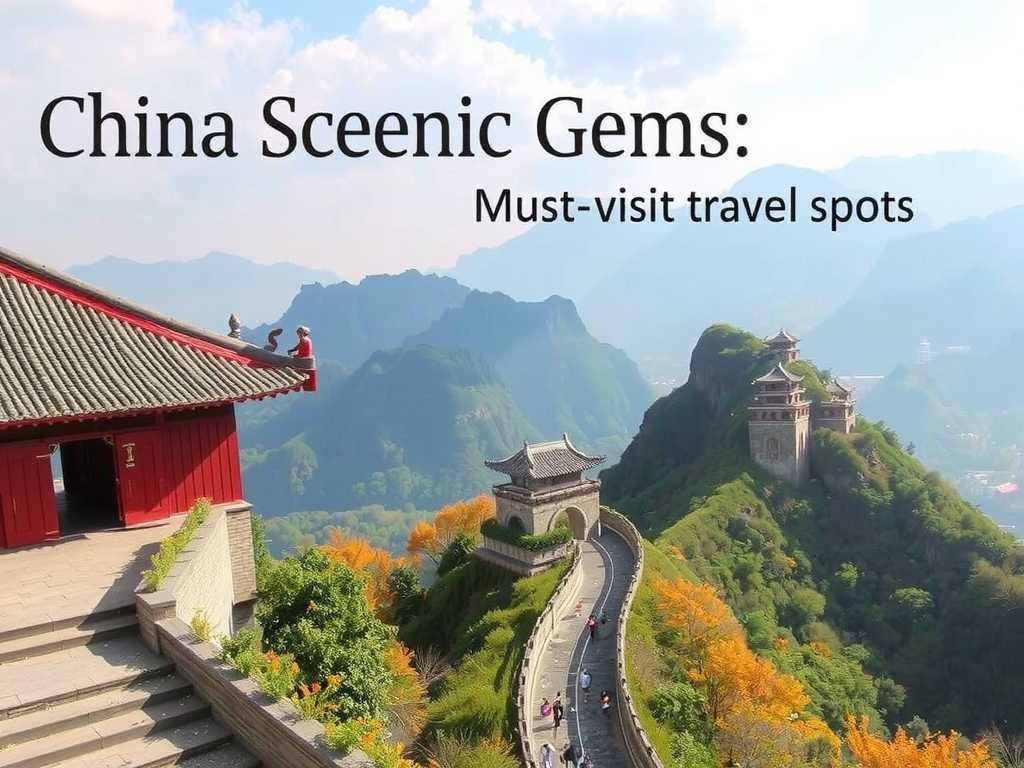
Unveiling China's Geographical Masterpieces
China's vast territory gifts it with some of the planet's most dramatic natural scenery. These are not just views; they are immersive experiences that redefine your sense of scale and beauty.

The Avatar Mountains: Zhangjiajie's Floating Peaks
The Zhangjiajie National Forest Park in Hunan Province is where reality mimics fantasy. Thousands of quartz-sandstone pillars, some over 1,000 meters tall, rise abruptly from the misty forest floor. This surreal landscape famously inspired the floating Hallelujah Mountains in the film Avatar.
To truly appreciate its majesty, take the Bailong Elevator—the world's tallest outdoor lift—carved into the side of a cliff. For the adventurous, the glass-bottomed Zhangjiajie Grand Canyon Bridge offers heart-pounding views. The best times to visit are spring and autumn, when the mist creates a mystical atmosphere and the crowds are thinner than in peak summer.
The Rainbow Mountains: Danxia Landform
Nature's palette comes alive at the Zhangye Danxia National Geological Park in Gansu Province. These mountains aren't painted; their vibrant stripes of red, yellow, orange, and green are the result of over 24 million years of mineral deposits and tectonic shifts. The colors are most vivid at sunrise or sunset, when the low-angle light intensifies the hues.
Photography enthusiasts should head to the best scenic spots in China like the park's viewing platforms No. 1 and No. 4 for the most panoramic vistas. A 2019 study by the Chinese Academy of Geological Sciences highlighted the Danxia landform as a "unique geological chronicle," offering insight into the Earth's climatic history.
The Li River: A Painting Come to Life
The classic Chinese landscape painting is not an exaggeration; it is the Li River in Guilin. A cruise from Guilin to Yangshuo along this serene river is a journey through a dreamscape of karst peaks, bamboo groves, and water buffalo grazing near the shore.
The 83-kilometer stretch is the essence of China's scenic gems. For a more intimate experience, hire a local guide for a bamboo raft ride on the Yulong River, a quieter tributary. As renowned travel writer Paul Theroux once noted, "The Li River is the one place where the cliché holds true: it is like stepping into a painting."
Cultural and Historical Treasures Beyond the Great Wall
While natural wonders astound, China's depth lies in the seamless integration of human history with its environment. These sites tell stories of dynasties, philosophies, and enduring ways of life.
The Water Towns of the Yangtze Delta
Step back in time in towns like Zhouzhuang, Wuzhen, or Xitang. Known as the "Venice of the East," these ancient towns are crisscrossed by canals, connected by stone bridges, and lined with whitewashed houses from the Ming and Qing dynasties. The best way to explore is by a hand-rowed boat, gliding under low arches as the boatwoman sings a local folk song.
Stay overnight to experience the magic after the day-trippers leave. Wake up to the sound of lapping water and enjoy a morning stroll along cobbled lanes before the crowds arrive—a pro tip for experiencing the most authentic must-visit travel spots in the region.
The Sacred Mount Huangshan
More than a mountain, Huangshan (the Yellow Mountains) in Anhui is a cultural icon. It has been a source of inspiration for Chinese shan shui (mountain-water) ink painting and literature for centuries. Its iconic features are the "Four Wonders": peculiarly shaped granite peaks, hot springs, winter snowscapes, and a "sea of clouds" that envelops the peaks.
Hiking the trails here is a pilgrimage. The Eastern Steps are steeper but offer iconic views like the "Flying Over Rock." For sunrise, secure a spot at the Bright Summit Peak. According to UNESCO, which lists Huangshan as a Mixed Cultural and Natural World Heritage site, it represents "the pivotal role that mountains have played in Chinese culture and art."
The Tibetan Plateau's Jewel: Shangri-La
Formerly known as Zhongdian, Shangri-La in Yunnan Province offers a taste of Tibetan culture without needing to enter Tibet itself. Perched at over 3,200 meters, it's a gateway to breathtaking landscapes and deep spirituality. Visit the Songzanlin Monastery, a sprawling complex resembling a miniature Potala Palace, where the chants of monks fill the air.
The nearby Pudacuo National Park, part of the Three Parallel Rivers protected area, showcases pristine alpine lakes, meadows, and forests. Acclimatize slowly to the altitude, stay hydrated, and respect local customs by walking clockwise around stupas and temples.
Planning Your Journey to China's Hidden Gems
Experiencing these wonders requires thoughtful planning. Here’s how to ensure a seamless adventure.
Best Times to Visit
China's climate is diverse. Generally, spring (April-May) and autumn (September-October) offer the most pleasant weather nationwide—mild temperatures and less rainfall. Summer can be hot and crowded, while winter offers unique beauty in places like Huangshan or the ice festivals in Harbin, though some northern regions can be extremely cold.
Navigating Logistics and Etiquette
Domestic flights connect major hubs, but China's high-speed rail network is often the most efficient and scenic way to travel between regions. Book tickets online in advance via reliable travel apps. For remote China travel spots like parts of Zhangye or Shangri-La, hiring a private driver or joining a small tour can maximize your time.
Always carry your passport for hotel check-ins and ticket purchases. A few Mandarin phrases like "nǐ hǎo" (hello) and "xiè xie" (thank you) go a long way. Remember, tipping is not a standard practice in mainland China.
Sustainable Travel Practices
As these destinations gain popularity, responsible travel is crucial. Stay on marked trails in natural parks to protect fragile ecosystems. Support local communities by choosing family-run guesthouses and buying handicrafts directly from artisans. Use refillable water bottles and be mindful of waste, as recycling infrastructure can vary. Your visit should help preserve these scenic gems for future generations.
What is the best way to avoid crowds at popular sites like Zhangjiajie? Arrive right as the parks open (usually 7-8 AM) or visit during the shoulder seasons (late April-May or September-October). Also, explore lesser-known trails within the parks instead of heading directly to the most famous photo spots.
Are these destinations suitable for family travel with young children? Yes, but with planning. Destinations like the Li River cruise or the water towns are very family-friendly. For more strenuous hikes like Huangshan or high-altitude areas like Shangri-La, assess your family's fitness and allow extra time for acclimatization and rest.
How many of these scenic gems can I realistically visit on a two-week trip? A two-week itinerary allows for a fulfilling pace. A recommended circuit could combine two major regions: for example, the cultural and natural wonders of Zhangjiajie and the Li River/Guilin area, or pair the history of the water towns with the majesty of Huangshan. Trying to cover more than three major distant regions in two weeks will lead to a rushed experience.
China's true splendor lies in its incredible variety, where ancient tradition and awe-inspiring nature exist in harmony. From the rainbow ridges of Zhangye to the misty peaks of Huangshan, each destination offers a unique window into the soul of this vast country. By venturing beyond the iconic cities, you discover the landscapes that have shaped Chinese art, philosophy, and life for millennia. Let this guide be your starting point for an adventure that promises not just sights, but stories and memories that will last a lifetime. Your journey to the heart of China's most breathtaking scenery awaits.

发表评论