 admin
admin Explore China’s Natural Scenic Masterpieces: Your Ultimate Guide to Unforgettable Journeys
Planning a trip to China can feel overwhelming. With a landmass so vast and diverse, how do you choose which natural wonders to see? You might worry about missing hidden gems, navigating complex logistics, or simply not knowing where to start to experience the true essence of China’s landscapes. This guide is designed to solve that. We’ll move beyond the well-trodden path of the Great Wall and Forbidden City to explore China’s natural scenic masterpieces—the breathtaking mountains, mystical rivers, and surreal geological formations that have inspired poets and painters for millennia. By the end, you’ll have a clear, actionable plan to discover the soul-stirring beauty of this ancient land.
Why China’s Natural Landscapes Are Unmatched
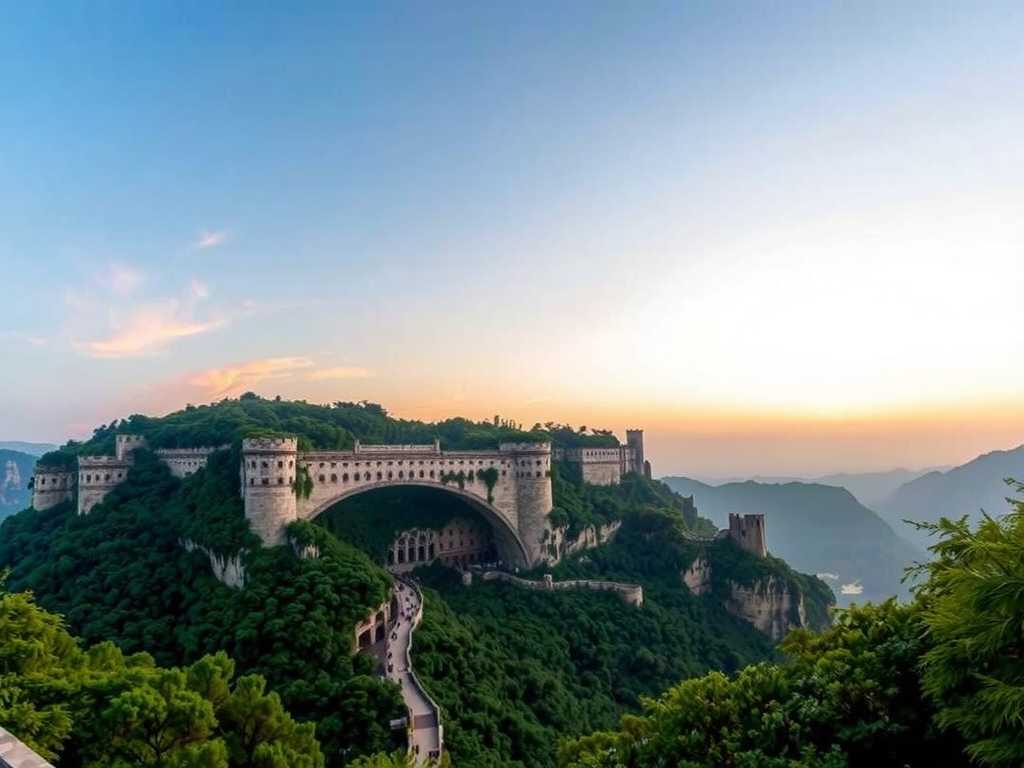
China’s geography is a story of epic scale and contrast. From the roof of the world in Tibet to the subtropical karst forests in the south, its natural scenic masterpieces are not just visually stunning; they are deeply woven into the nation’s cultural and spiritual identity. According to a report by the China National Tourism Administration, visits to natural heritage sites and national parks have seen a consistent annual growth of over 15%, reflecting a global shift towards experiential and nature-based travel. Dr. Li Wen, a cultural geographer at Peking University, notes, “Chinese landscapes are traditionally viewed as ‘living paintings.’ They are meant to be experienced with all senses—a philosophy that makes visiting them profoundly different from a typical scenic overlook.”
This section will help you understand what makes these places unique and how to approach them with the right mindset.
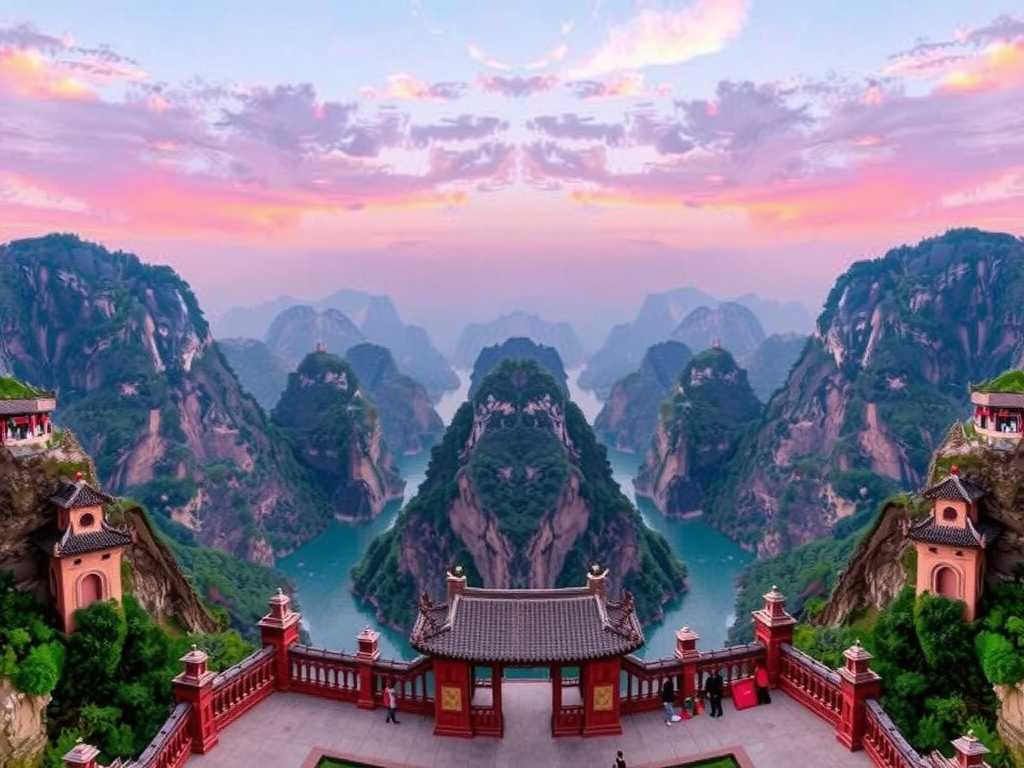
A Curated Journey Through China’s Top Natural Masterpieces
To truly explore China’s natural scenic masterpieces, we’ve categorized them by theme and experience. This structure helps you match destinations with your personal travel style, whether you seek serene reflection or adventurous exploration.
The Cathedral Peaks: Avatar Mountains and Limestone Pillars
If you dream of walking through a painting of floating peaks and misty valleys, this region is for you.
- Zhangjiajie National Forest Park, Hunan: Often credited as the inspiration for the floating Hallelujah Mountains in the film Avatar, Zhangjiajie’s thousands of quartz-sandstone pillars are a geological wonder. The park’s glass-bottomed skywalk and the Bailong Elevator built onto the side of a cliff offer thrilling perspectives. For the best experience, visit at sunrise when the mist clings to the peaks, creating that iconic, otherworldly scene.
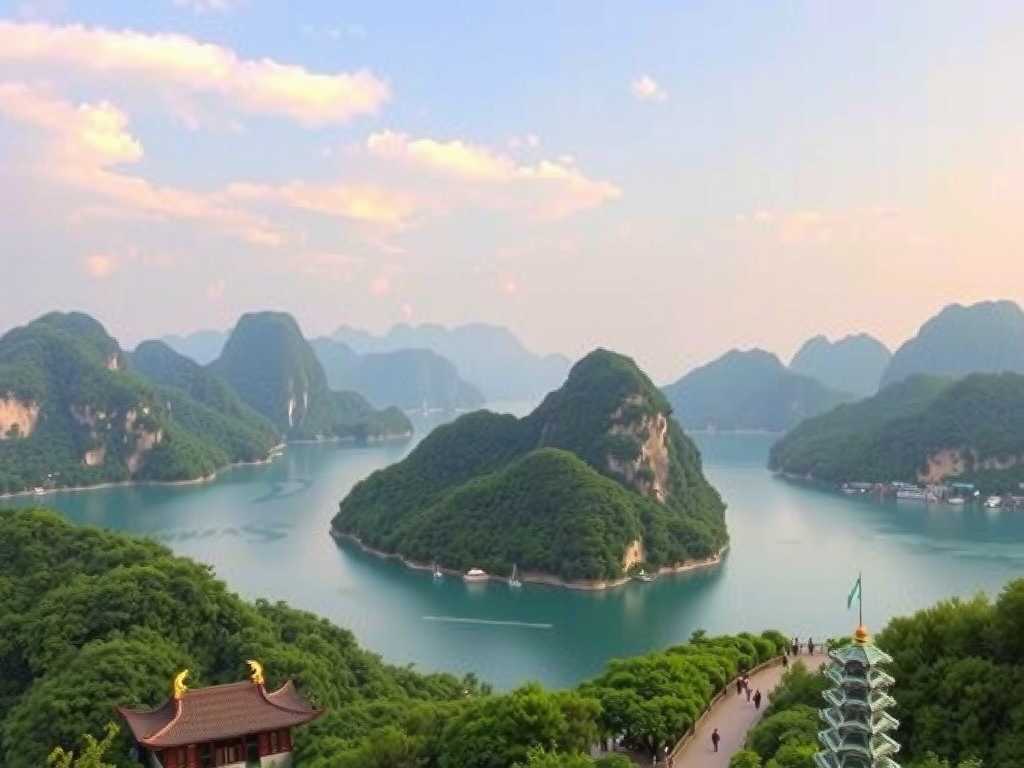
- Guilin and Yangshuo, Guangxi: The classic Chinese landscape of karst hills rising from serene rivers is epitomized here. A Li River cruise from Guilin to Yangshuo is a journey through a living scroll painting. For a more active way to explore China’s natural scenic masterpieces, rent a bicycle and ride through the countryside, passing rice paddies and local villages with these majestic hills as your constant backdrop.
The Colored Palettes: Lakes and Terraces
These destinations showcase nature’s artistry with vibrant, mineral-rich waters and meticulously sculpted landforms.
- Jiuzhaigou Valley, Sichuan: A UNESCO World Heritage site, Jiuzhaigou is a fairy-tale world of multi-colored lakes, cascading waterfalls, and snow-capped peaks. The stunningly clear, turquoise, and green waters are a result of high mineral content and ancient travertine dams. Each season paints the valley in a new light, from vibrant autumn foliage to icy winter sculptures.
- Yuanyang Rice Terraces, Yunnan: While man-made, these terraces are a masterpiece of human-nature harmony. Carved into the slopes of the Ailao Mountains over 1,300 years ago by the Hani people, they create a breathtaking tapestry of reflecting water or golden rice, depending on the season. The interplay of light, cloud, and water creates a photographer’s paradise at dawn.
The Sacred Summits: Mountains of Pilgrimage
These mountains are more than just hikes; they are spiritual journeys that have been destinations for pilgrims and seekers for centuries.
- Mount Huangshan (The Yellow Mountains), Anhui: The quintessential Chinese mountain, Huangshan is famous for its “four wonders”: peculiarly shaped granite peaks, hot springs, sea of clouds, and hardy, twisted pine trees. Hiking its steep paths feels like traversing a classic ink-wash painting. As travel writer and China expert Simon Norton advises, “Spend at least one night on the mountain. Waking up above the clouds to witness the sunrise is a transformative experience that day-trippers miss.”
- Mount Everest North Base Camp, Tibet: For the ultimate high-altitude adventure, the journey to the Tibetan side of Everest offers a raw, powerful landscape. The view of the world’s highest peak from Rongbuk Monastery is unparalleled. This trip requires careful acclimatization and respect for the extreme environment, but the reward is standing in the presence of the earth’s greatest topographic feature.
Planning Your Visit: Essential Tips for a Seamless Experience
Knowing where to go is half the battle. Here’s how to ensure your trip is smooth and rewarding.
- Best Times to Visit: China’s climate varies wildly. Generally, spring (April-May) and autumn (September-October) offer the most comfortable temperatures and stable weather for most regions. Avoid national holidays like Golden Week in October, when domestic tourism peaks.
- Sustainable Travel Practices: The fragility of these ecosystems is paramount. Always stay on marked trails, carry out all trash, and respect wildlife. Support local communities by choosing homestays or locally-owned guides. Your visit should help preserve these natural scenic masterpieces for future generations.
- Navigating Logistics: For remote parks like Jiuzhaigou or Zhangjiajie, booking a local tour or private driver is often the most efficient option. High-speed trains brilliantly connect major cities to gateway towns. Use reliable apps for domestic flights and train tickets, and always have your passport (and Tibet Travel Permit, if needed) ready.
Answering Your Key Questions
What is the most accessible natural wonder for first-time visitors to China? Guilin and Yangshuo are highly recommended for first-timers. The infrastructure is well-developed for tourists, the landscapes are iconic yet easily enjoyed via a relaxed river cruise or bike ride, and the area offers a perfect blend of natural beauty and cultural immersion without being overly strenuous.
Is it safe to hike independently in China’s national parks? In major, well-established parks like Zhangjiajie or Huangshan, the trails are clearly marked and generally safe for independent hiking. However, hiring a local guide for remote areas, high-altitude treks (like near Everest), or for deeper cultural and ecological insight is strongly advised. Always inform someone of your plans, check weather forecasts, and carry adequate supplies.
How can I avoid the crowds at these popular sites? Two strategies are key: timing and location. Visit during shoulder seasons (late spring or early autumn) on weekdays. For any site, arrive as soon as it opens or stay late in the afternoon when most tour groups have left. Research less-visited sections of the parks; for example, in Zhangjiajie, the Tianzi Mountain area can be slightly quieter than the Yuanjiajie section.
China’s natural treasures offer far more than a photo opportunity; they invite you into a deeper narrative of earth, culture, and spirit. From the serene reflection of a rice terrace to the awe-inspiring vista from a sacred peak, each masterpiece tells a part of China’s profound story. With thoughtful planning and a respectful approach, your journey to explore China’s natural scenic masterpieces will become a collection of moments that resonate long after you return home. Let the landscapes be your guide, and prepare for an adventure that will redefine your sense of wonder.

发表评论