 admin
admin China’s Cultural & Scenic Attractions Guide: Your Ultimate Travel Companion
Planning a trip to China can feel overwhelming. With a vast territory spanning thousands of years of history, how do you choose where to go beyond the well-trodden path of the Great Wall and the Terracotta Army? The challenge isn't finding attractions—it's crafting an itinerary that seamlessly blends breathtaking natural scenery with profound cultural depth. This comprehensive China’s Cultural & Scenic Attractions Guide is designed to solve that exact problem. We move past simple lists to provide a curated journey, helping you experience the authentic soul of China where ancient traditions and stunning landscapes exist in harmony.
Understanding China’s Dual Heritage: Culture and Nature Intertwined
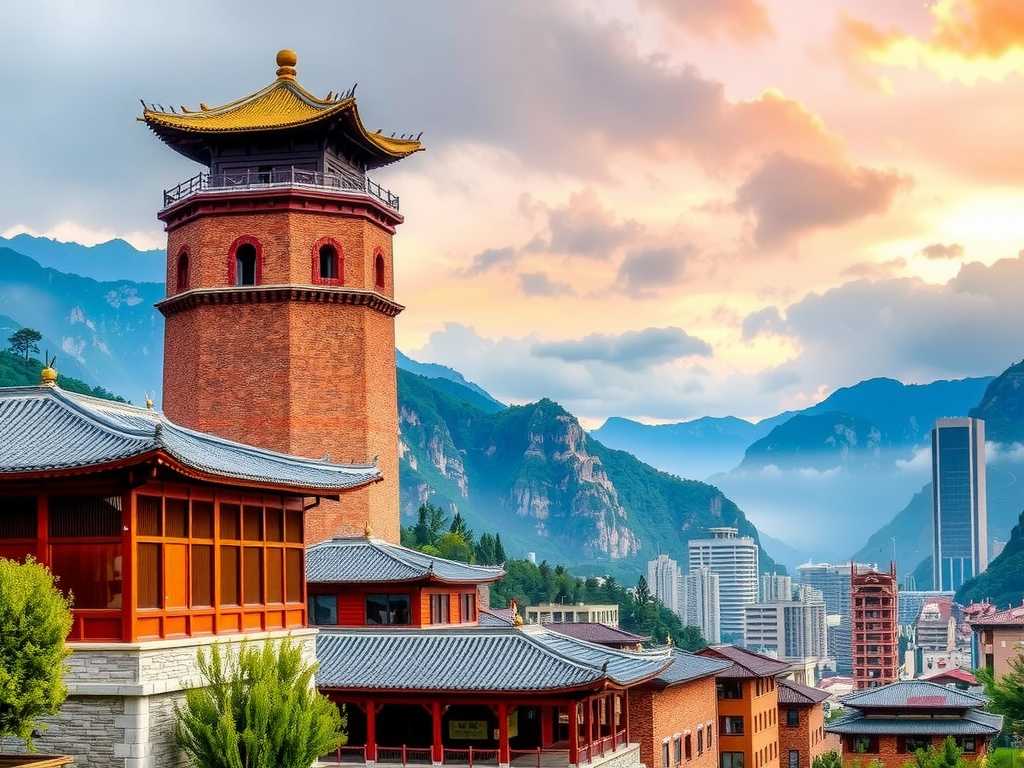
China’s identity is a unique tapestry where human civilization and natural grandeur are deeply connected. Unlike destinations where history and scenery are separate, here, they are often one and the same. Sacred mountains are dotted with millennia-old temples; ancient water towns are built in perfect synergy with rivers and canals. Recognizing this interconnection is key to a truly enriching visit. According to Dr. Li Wen, a cultural historian at Peking University, "The Chinese philosophical concepts of harmony between man and nature are not abstract ideas. They are physically manifested in the placement of a pavilion to capture a mountain view or the design of a garden to mimic the natural world." Your journey, therefore, should aim to witness this philosophy in action.
Curated Itineraries: From Imperial Grandeur to Rural Serenity
To navigate China’s immense offerings, we’ve structured recommendations around cohesive themes rather than just geographical locations. This approach helps you build a trip with a consistent narrative and deeper understanding.
-
The Imperial Heartland & Mountain Retreats This route focuses on the historical power centers and the sacred landscapes that inspired emperors.
- Beijing’s Cultural Canvas: Begin with the Forbidden City, a supreme example of imperial architecture and political history. Then, escape to the Fragrant Hills (Xiangshan) in autumn, where fiery red maple leaves create a scene celebrated in classical poetry, offering a perfect example of cultural appreciation of nature.
- The Sacred Tai Shan: Travel to Shandong province to ascend Mount Tai. This UNESCO site is the most revered of China’s Five Great Mountains. Your climb is not just a hike; it’s a pilgrimage past stone inscriptions, ancient gates, and temples, culminating in a sunrise view that has been a ritual for centuries.
-
The Poetic Water Towns of the Yangtze Delta Experience the softer, lyrical side of Chinese culture in the canal towns near Shanghai and Suzhou.
- Suzhou’s Classical Gardens: More than just parks, these are masterpieces of landscape design, creating idealized microcosms of the natural world within city walls. The Humble Administrator’s Garden and Lingering Garden are UNESCO-listed testaments to this art form.
- Zhouzhuang and Tongli: Glide through ancient canals on a wooden boat in these well-preserved towns. The sight of whitewashed houses with black-tiled roofs reflected in calm waters, connected by stone bridges, is a living painting of China’s agrarian and mercantile past.
-
The Dramatic Landscapes of Guilin and Zhangjiajie This journey is for those seeking nature’s most spectacular canvases, which have fundamentally shaped Chinese art and literature.
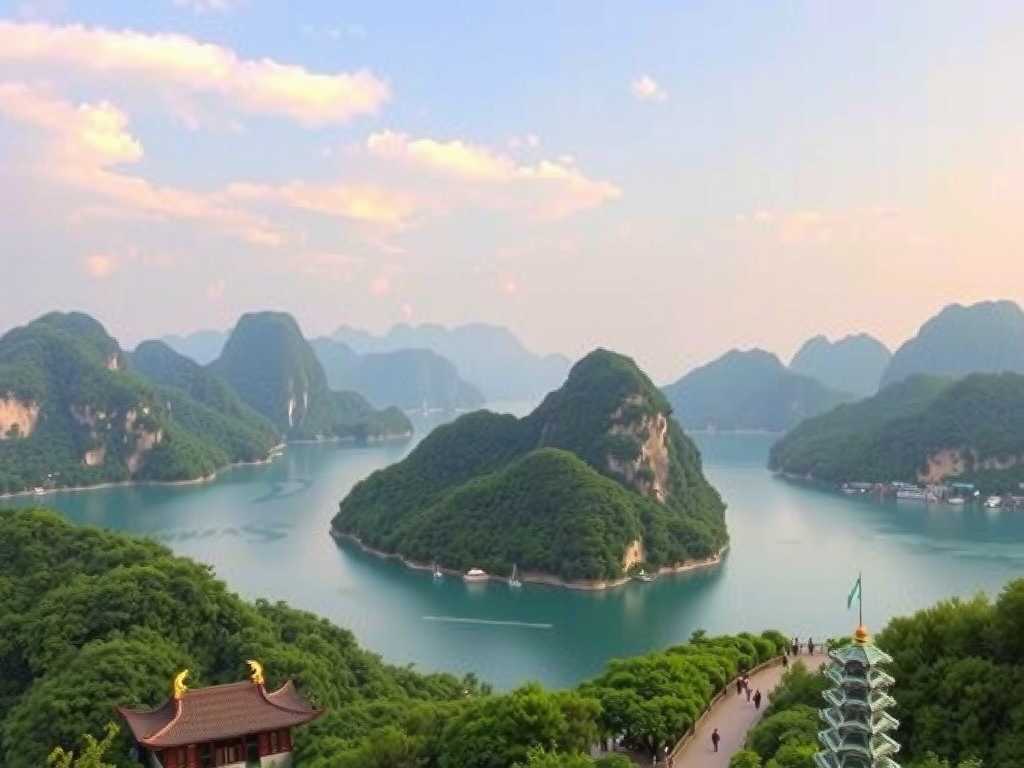
- Guilin’s Karst Peaks: The Li River cruise from Guilin to Yangshuo is iconic for a reason. The surreal limestone karst pillars rising from the riverbanks have been the subject of countless scroll paintings and poems. It’s a direct immersion into the classic Chinese artistic vision.
- Zhangjiajie’s Avatar Mountains: In Hunan province, the towering quartz-sandstone pillars of Zhangjiajie National Forest Park seem from another planet. These otherworldly natural pillars in China inspired the floating Hallelujah Mountains in the film Avatar. Walking the cliff-hugging glass walkways or viewing the sea of peaks from Tianmen Mountain adds a thrilling dimension to the scenic beauty.
-
The Ancient Silk Road Oases Trace the path of traders and explorers through deserts and mountains, where cultures converged.
- Dunhuang’s Mogao Caves: A true cultural treasure trove in the Gobi Desert. These caves house a millennium’s worth of Buddhist art, with breathtaking murals and statues. The nearby singing sand dunes of Mingsha Shan offer a powerful contrast of human spiritual endeavor against vast natural forces.
- Jiayuguan Pass and the Rainbow Mountains: Visit the western end of the Great Wall at Jiayuguan, a formidable fortress in the desert. Then, witness the Zhangye Danxia Landform’s colorful hills, a geological wonder where striped mountains in red, yellow, and blue create a vibrant, painterly landscape unlike any other.
Practical Insights for an Enriching Journey
To transform your sightseeing into meaningful experience, consider these expert-backed tips.
- Timing is Everything: Align your visit with cultural festivals. Experiencing the lantern displays during the Spring Festival or the dragon boat races in June adds a vibrant, living layer to your cultural understanding. Similarly, visit scenic areas in their prime seasons—autumn for Jiuzhaigou’s colorful lakes, spring for the rapeseed flower terraces in Wuyuan.
- Engage with Depth: Move beyond photography. Attend a traditional tea ceremony to understand its philosophy. Try a short calligraphy class. In scenic areas, learn the names and stories of the specific peaks or rocks—many have poetic names like "Elephant Trunk Hill" or "Five Old Men Peak," anchoring the view in local legend.
- Sustainable Exploration: As highlighted in a 2023 report by the China Sustainable Tourism Research Center, visitor management in fragile ecosystems like Jiuzhaugou Valley is crucial. Choose eco-certified tour operators, stay on marked paths in natural reserves, and support local communities by purchasing handicrafts directly from artisans.
Navigating Your Trip: Logistics Made Simple
A smooth trip enhances your ability to connect with the places you visit.
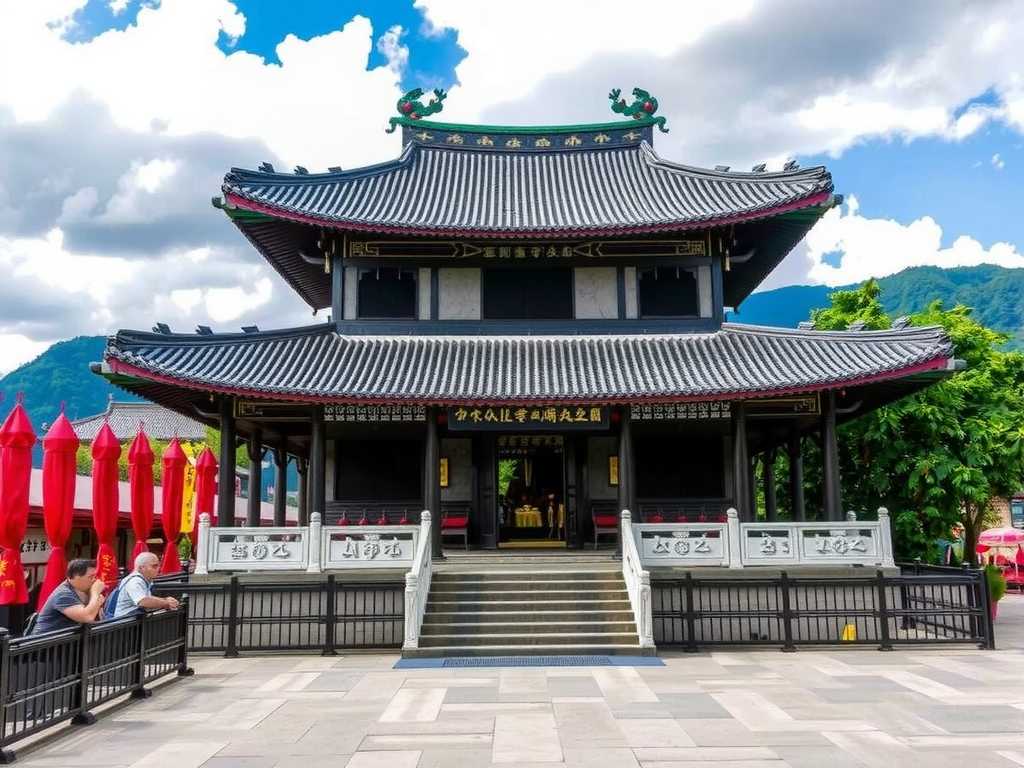
- Visa and Planning: Ensure you apply for your tourist visa (L-Visa) well in advance. Domestic travel is efficient; high-speed trains connect major hubs comfortably, while domestic flights cover longer distances. For remote areas like parts of Tibet or Xinjiang, special travel permits are required—plan these months ahead.
- Cultural Etiquette: A few simple gestures go a long way. Learn basic Mandarin phrases. Present and receive business cards or gifts with both hands. When visiting temples or someone’s home, modest dress is appreciated. This respect opens doors to warmer interactions.
Common Questions from Travelers
What is the best time of year to visit China for both culture and scenery? Late spring (May-June) and early autumn (September-October) are generally ideal nationwide. You’ll avoid the extreme heat and crowds of summer and the cold of winter, while enjoying pleasant weather for both city exploration and hiking. Autumn is particularly magical for its clear skies and fall foliage in many regions.
Are these attractions suitable for family travel with children? Absolutely. Many sites offer engaging experiences for children. The pandas in Chengdu, biking through the Yangshuo countryside, walking on the Great Wall, or the funicular rides in Zhangjiajie are often big hits. The key is to balance itinerary intensity—mix active scenic days with more relaxed cultural days.
How can I avoid the crowds at major sites like the Forbidden City or Li River? Two strategies are highly effective. First, visit during the shoulder or off-seasons (late fall, early winter outside major holidays). Second, for any popular site, arrive right at opening time or during the last entry window of the day. For the Li River, consider taking a cruise from the less-congested Yangdi to Xingping section instead of the standard route.
China offers a journey that engages all the senses and the intellect. From the silent majesty of a mist-shrouded mountain peak to the intricate brushstroke in a ancient temple mural, each experience contributes to a profound understanding of this civilization. By following the pathways where culture and nature meet, you move beyond being a spectator to becoming a participant in a living story. Your adventure into the heart of China’s heritage awaits.

发表评论