 admin
admin Discover China's Scenic Treasures & Culture: Your Ultimate Travel Guide
Planning a trip to China can feel overwhelming. With a landmass rivaling a continent and a history spanning millennia, where do you even begin? Many travelers find themselves stuck between iconic, crowded sites and the fear of missing out on the authentic, breathtaking experiences that lie beyond the guidebooks. You want more than just photos; you seek a deep connection with ancient landscapes and living traditions. This guide is designed to cut through the complexity, offering a curated journey into the heart of China's scenic treasures and culture. We’ll move beyond the well-trodden path to reveal how natural wonders and cultural heritage are intricately woven into the fabric of this incredible nation.
The philosophy of harmony between humanity and nature is deeply rooted in Chinese thought, shaping both its landscapes and cultural practices. As noted by cultural historian Dr. Li Wen, "You cannot separate the majesty of a Chinese mountain from the poetry it inspired, or the serenity of a garden from the philosophical principles that designed it." This journey explores that very connection.

From Imperial Grandeur to Natural Splendor: The Northern Circuit
The north offers a stark, powerful beauty, where history is written on a monumental scale.
-
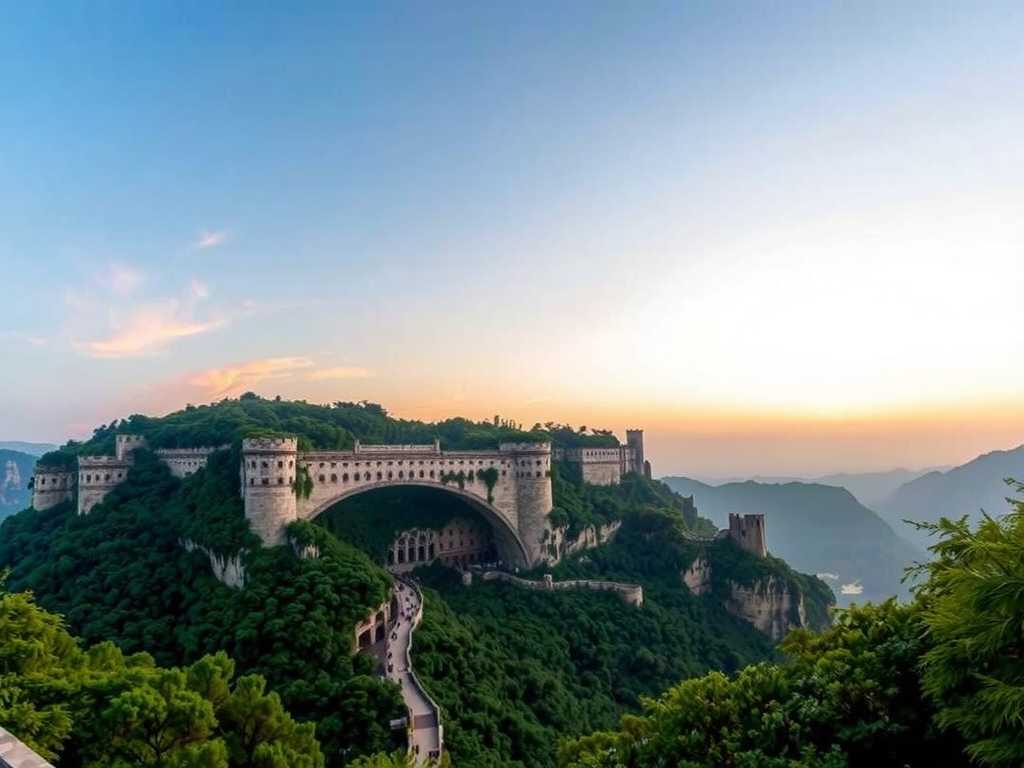
The Great Wall: More Than a Snapshot Stretching over mountains and deserts, the Great Wall is the ultimate symbol of perseverance. To move beyond the crowds, consider hiking a restored but less-visited section like Jinshanling. Here, you can walk along watchtowers with panoramic views, truly feeling the structure's defensive purpose. The surrounding landscape changes dramatically with the seasons, from lush green summers to a stark, snow-dusted majesty in winter.
-
The Forbidden City & Beijing's Hutongs In central Beijing, the Forbidden City’s symmetrical grandeur showcases imperial power. To understand the human scale of history, step into the neighboring hutongs. These ancient alleyways, best explored by rickshaw in the early morning, reveal a community-oriented way of life. Sharing a breakfast of jianbing (savory crepe) with locals provides a cultural immersion no palace hall can match.
-
The Terracotta Warriors: An Army of History In Xi'an, the silent Terracotta Army guards the tomb of China's first emperor. Each life-sized figure bears unique facial features, a testament to astonishing ancient craftsmanship. Visiting with a knowledgeable guide unlocks the stories behind their creation and the Qin Dynasty's legacy, transforming rows of statues into a vivid historical narrative.
Land of Peaks, Poetry, and Water: The Eastern & Central Heartland
This region is the cradle of Chinese philosophy, art, and some of its most iconic picturesque landscapes.
-
The Yellow Mountains (Huangshan): A Painter's Inspiration Huangshan is the epitome of China's scenic beauty. Its granite peaks, often piercing through a sea of clouds, have been the subject of classical ink paintings for centuries. A predawn hike to witness the sunrise from Bright Summit Peak is a spiritual experience. The area is also famous for its ancient, gnarled pine trees and hot springs, offering hikers a perfect respite.
-
The Li River & Karst Landscapes The serene cruise from Guilin to Yangshuo presents a panorama of sheer karst limestone peaks rising from misty rivers and rice paddies. It’s a living scroll painting. For active immersion, rent a bicycle and ride through nearby villages like Xingping, where you can witness rural life against this surreal backdrop. The region's culture is rich with ethnic Zhuang and Yao minority traditions.
-
West Lake, Hangzhou: Cultivated Serenity West Lake exemplifies the Chinese ideal of designed natural beauty. Every pavilion, willow tree, and causeway is placed with poetic intention. Stroll along Su Causeway at dusk or take a boat to the secluded Lesser Yingzhou Island. As Marco Polo reportedly described it, Hangzhou is "the city of heaven," where the lake’s tranquility has inspired scholars and artists for over a thousand years.
Colors, Plateaus, and Ancient Kingdoms: The Southwest Frontiers
Venture southwest for dramatic geography, vibrant ethnic cultures, and colors that defy imagination.
-
Zhangjiajie's Avatar Mountains The towering sandstone pillars of Zhangjiajie National Forest Park seem from another planet. Walking the vertigo-inducing glass skywalks or taking the Bailong Elevator built into the cliff face offers unparalleled views. The area’s raw, mystical beauty famously inspired the floating Hallelujah Mountains in the film Avatar.
-
Yuanyang's Terraced Rice Fields In Yunnan province, the Hani people have sculpted entire mountains over 1,300 years into cascading terraces. At sunrise or sunset, the water-filled paddies transform into a breathtaking mosaic of sky reflections, shifting from silver to gold to deep blue. Visiting during planting or harvest seasons lets you observe this sustainable agricultural practice, a UNESCO World Heritage site, in action.
-
The Potala Palace & Tibetan Culture Standing atop Red Hill in Lhasa, the majestic Potala Palace is the spiritual heart of Tibetan Buddhism. Its white and red walls house countless chapels and artifacts. The surrounding Jokhang Temple, circled by devout pilgrims, pulses with an intense, authentic energy. This region offers a profound look into a deeply spiritual culture and the stark beauty of the Himalayan plateau.
Integrating Culture with Your Scenic Journey
To truly connect, move from observation to participation.
- Culinary Adventures: Food is culture. Take a dumpling-making class in Xi'an, sample spicy hotpot in Chengdu, or learn the delicate art of Dim Sum in Hong Kong. Each flavor tells a story of local ingredients and history.
- Hands-On Heritage: Join a short-term workshop. Try your hand at traditional calligraphy in Suzhou, create pottery in Jingdezhen (the "Porcelain Capital"), or learn a few steps of Tibetan folk dance. These experiences create lasting memories and understanding.
- Festival Timing: Align your visit with cultural events. Experience the lantern-lit magic of the Mid-Autumn Festival, the dragon boat races during Dragon Boat Festival, or the colorful splendor of Tibetan New Year (Losar). It’s culture in full, vibrant celebration.
How many days are needed for a first trip to China that covers both scenery and culture? For a balanced first trip covering highlights like Beijing, Xi'an, and one scenic area (e.g., Guilin or Zhangjiajie), a minimum of 10-12 days is recommended. This allows for essential historical sites and a deep dive into one major natural landscape without excessive rush.
What is the best time of year to visit for optimal scenery and comfortable travel? Spring (April-May) and Autumn (September-October) are generally ideal nationwide. These seasons offer mild temperatures, less rainfall, and beautiful natural colors—spring blossoms or autumn foliage. However, specific destinations have unique appeals, like Harbin's Ice Festival in winter or the rainbow colors of Yuanyang's terraces in winter.
Is it difficult to travel independently in China if I don't speak Mandarin? While challenging, independent travel is increasingly feasible. Major cities and tourist sites have improved English signage. Essential translation apps, hotel booking apps, and digital payment methods (like Alipay TourPass) are invaluable tools. For remote scenic areas or deep cultural immersion, however, hiring a local guide or joining a small-group tour can significantly enhance your experience and ease logistical hurdles.
China’s true essence lies in the seamless dance between its physical grandeur and its enduring cultural spirit. It’s in the mist that clings to a mountain peak that inspired a thousand poems, and in the hands of a craftsman shaping clay using centuries-old techniques. By venturing beyond the iconic postcard views to engage with the stories, tastes, and people, your journey transforms into a meaningful exploration. You don't just visit China; you begin to understand the depth of its scenic treasures and culture, creating a personal narrative within its ancient, ongoing story.
发表评论