 admin
admin China's Must-Experience Scenic Attractions: Your Ultimate Travel Bucket List
Planning a trip to China can feel overwhelming. With a landmass rivaling a continent and thousands of years of history, how do you choose where to go? The fear of missing out on truly iconic landscapes and cultural treasures is real for every traveler. This guide cuts through the noise, focusing on China's must-experience scenic attractions that offer unparalleled beauty and profound cultural depth. We’ll navigate from ancient wonders to natural masterpieces, ensuring your journey captures the essence of this magnificent country.
The Timeless Majesty: The Great Wall of China
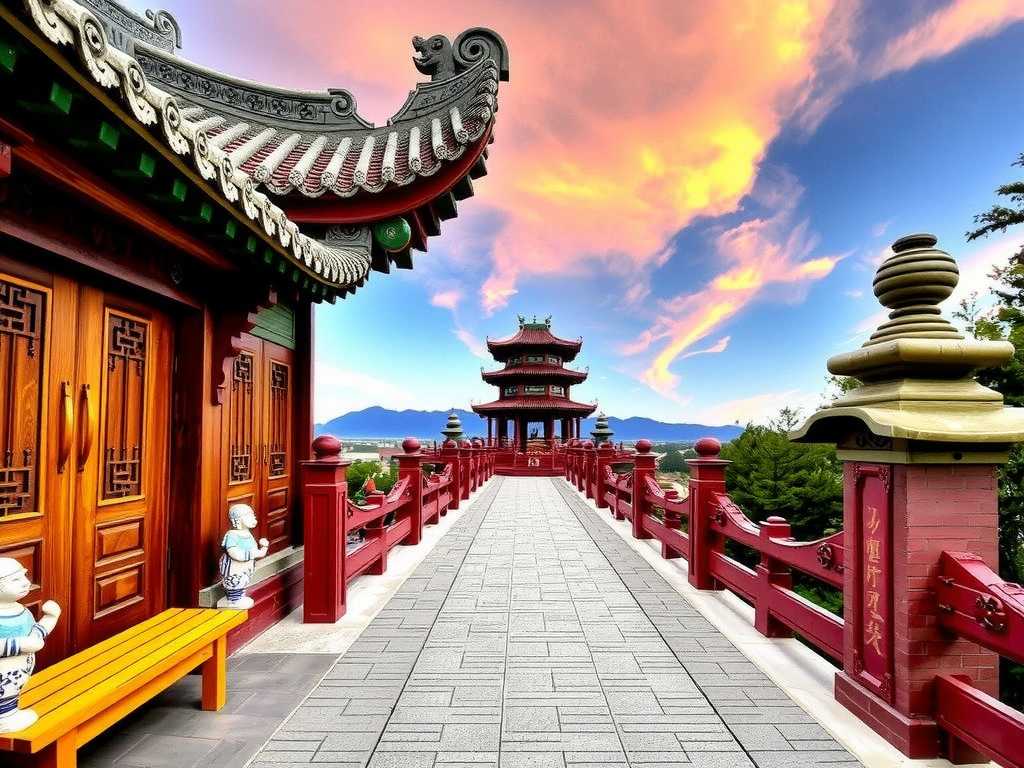
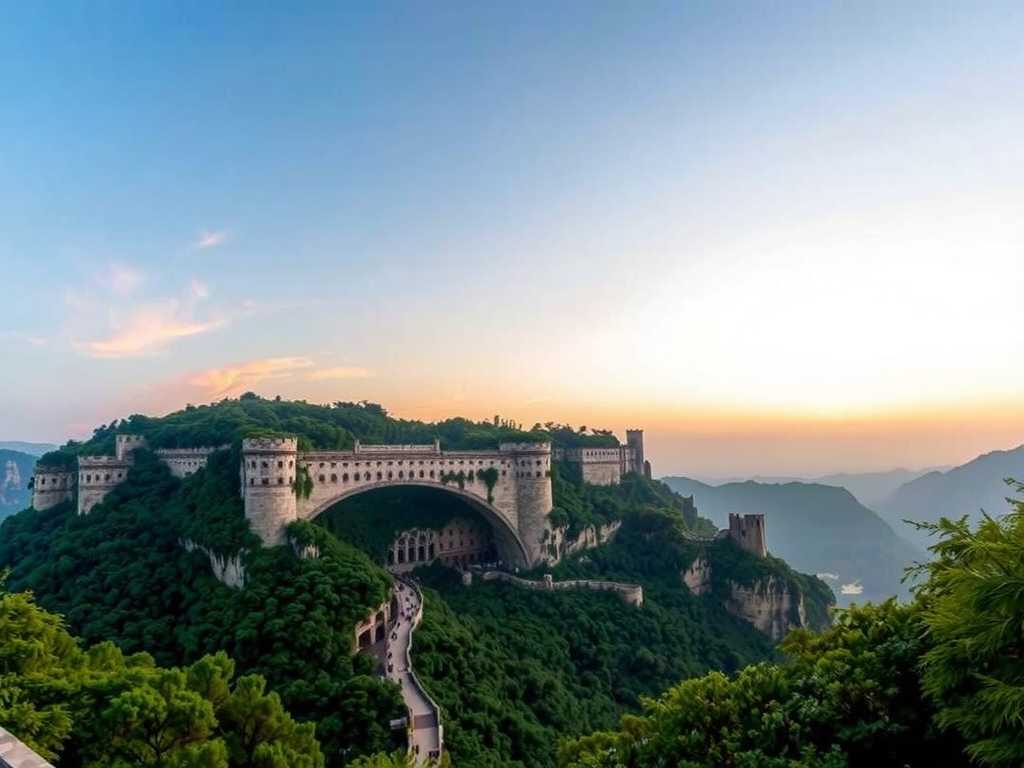
No list of China's scenic attractions is complete without the Great Wall. Stretching over 13,000 miles, it is not a single wall but a series of fortifications. Its construction spanned centuries, primarily to protect empires from northern invasions. The sense of history is palpable underfoot.
Choosing Your Section For first-timers, the Mutianyu section offers a superb balance. It is well-restored, less crowded than Badaling, and features stunning mountain views. A cable car ride up and a thrilling toboggan ride down add to the experience. For seasoned hikers, the Jiankou section provides raw, unrestored beauty and photographic challenges, but requires good fitness and caution.
Why It's a Must-Experience Walking the Great Wall is a physical and historical journey. It represents human perseverance. As UNESCO notes, it is an "absolute masterpiece" and the only man-made structure visible from low Earth orbit. The panoramic vistas of rolling hills and watchtowers disappearing into the horizon are unforgettable.
The Avatar-Inspired Peaks: Zhangjiajie National Forest Park
Imagine a landscape of thousands of sandstone pillars towering over 200 meters high, shrouded in mist and lush greenery. This is Zhangjiajie in Hunan Province, the inspiration for the floating Hallelujah Mountains in the film Avatar.
Navigating the Otherworldly Terrain The park is vast. The Yuanjiajie Scenic Area is home to the "Avatar Hallelujah Mountain" (Southern Sky Column). The Golden Whip Stream hike is a gentler, stunning walk along a crystal-clear river flanked by colossal pillars. For the brave, the glass bridge at Zhangjiajie Grand Canyon and the Bailong Elevator—an outdoor cliff-side lift—offer heart-pounding perspectives.
A Geological Wonder These quartz-sandstone formations are the result of 300 million years of physical erosion. The park is a UNESCO Global Geopark. Botanist and explorer Professor Wei Qi of Central South University has stated, "Zhangjiajie's ecosystem is a living laboratory, hosting numerous rare plant and animal species found nowhere else on Earth." The ever-changing mist transforms the scenery by the minute, making every visit unique.
The Mountain of Daoist Serenity: Huangshan (The Yellow Mountains)
Huangshan, or the Yellow Mountains, in Anhui Province is the quintessential Chinese mountainscape, immortalized in countless poems and ink paintings. It is famed for its "four wonders": peculiarly shaped granite peaks, hot springs, sea of clouds, and hardy Huangshan pine trees.
Key Experiences on the Summit A sunrise above a "sea of clouds" is a transformative event. Staying overnight at a summit hotel is highly recommended to witness it. The iconic "Guest-Greeting Pine" is a symbol of resilience. Hiking the steep staircases along the Western Steps or taking the cable car both lead to vistas of breathtaking grandeur.
Cultural and Natural Fusion Huangshan has inspired Chinese art and literature for over a millennium. It embodies the Daoist pursuit of harmony between humans and nature. The surrounding ancient villages like Hongcun and Xidi, with their graceful Hui-style architecture and reflective ponds, offer a peaceful counterpoint to the mountain's majesty.
The Dramatic Karst Canvas: Guilin and Yangshuo
The landscape of Guilin and Yangshuo in Guangxi is the picture on the postcard. Limestone karst peaks rise majestically from the Li River plains, creating a scene of serene beauty best experienced at a slow pace.
The Essential Li River Cruise The boat journey from Guilin to Yangshuo is the highlight. As you drift down the tranquil river, you’ll pass water buffalo, bamboo groves, and fishermen with cormorants. The view of the peak reflected in the water is iconic. For active travelers, a bamboo raft ride on the Yulong River offers a more intimate encounter.
Immersing in Rural Charm Yangshuo itself is a hub for cycling, rock climbing, and cooking classes. Riding a bike through the Ten-Mile Gallery, a road flanked by karst peaks and rice paddies, is a delightful way to spend an afternoon. At night, the Impression Sanjie Liu outdoor light show, directed by Zhang Yimou and set on the Li River itself, is a spectacular cultural performance.
The Colossal Engineering Marvel: The Terracotta Army
While not a "natural" scenic attraction, the Terracotta Army in Xi'an is a sight of such scale and historical significance that it redefines the term. Discovered in 1974 by farmers, this vast subterranean army guards the tomb of China's first emperor, Qin Shi Huang.
A Glimpse into an Ancient Empire The scale is staggering. Three main pits contain over 8,000 life-sized soldiers, 130 chariots, and 670 horses, each with unique facial features, hairstyles, and armor. Pit 1, the largest, holds the main infantry formation and is the most awe-inspiring. The ongoing excavation and restoration work, visible to visitors, add a dynamic layer to the experience.
Why It Captivates The site provides unparalleled insight into the military, artistic, and organizational prowess of the Qin Dynasty (221-206 BC). As Dr. Li Xiuzhen, a senior archaeologist at the site, explains, "The Terracotta Army is not just art; it's a complete historical document in clay, telling us about technology, society, and the ambition of an emperor who unified China." It is a powerful, humbling encounter with antiquity.
What is the best time of year to visit these attractions in China? Spring (April-May) and Autumn (September-October) are generally ideal nationwide, offering mild temperatures and pleasant weather. However, consider regional variations: Huangshan's sea of clouds is more frequent in winter, while Guilin's rivers are fullest after the spring rains but before the summer heat.
Are these destinations suitable for family travel with children? Yes, with planning. The Great Wall (Mutianyu), Zhangjiajie (with cable cars), and a Li River cruise are engaging for older children. Balance active days with cultural ones. The Terracotta Army can be fascinating for kids interested in history, though younger children may find it less interactive.
How can I travel sustainably while visiting these natural sites? Always stay on marked paths to protect fragile ecosystems, especially in Zhangjiajie and Huangshan. Carry out all trash, use refillable water bottles, and support local businesses. Consider visiting during shoulder seasons to help reduce overtourism pressures on these precious environments.
From walking the ancient stones of the Great Wall to drifting past the dreamlike peaks of Guilin, China's must-experience scenic attractions offer a journey through both breathtaking geography and living history. Each destination presents a unique dialogue between humanity and the natural world, whether through awe-inspiring construction or spiritual reverence for landscape. By focusing on these iconic sites, you build an itinerary that captures the profound depth and spectacular beauty that define a trip to China. The memories forged amidst these wonders will last a lifetime.

发表评论