 admin
admin Explore China’s Scenic Beauty: Must-See Spots for Every Traveler
Planning a trip to China can feel overwhelming. With a landmass so vast and a history spanning millennia, how do you even begin to choose where to go? You want more than just crowded tourist traps; you crave authentic experiences, breathtaking landscapes, and cultural immersion. The challenge is knowing which destinations truly deliver that promise and how to prioritize them in a limited time. This guide is designed to solve that exact problem. We will explore China’s scenic beauty by highlighting the absolute must-see spots, from iconic wonders to hidden gems, helping you craft an unforgettable journey.
Why China’s Landscapes Are Unmatched
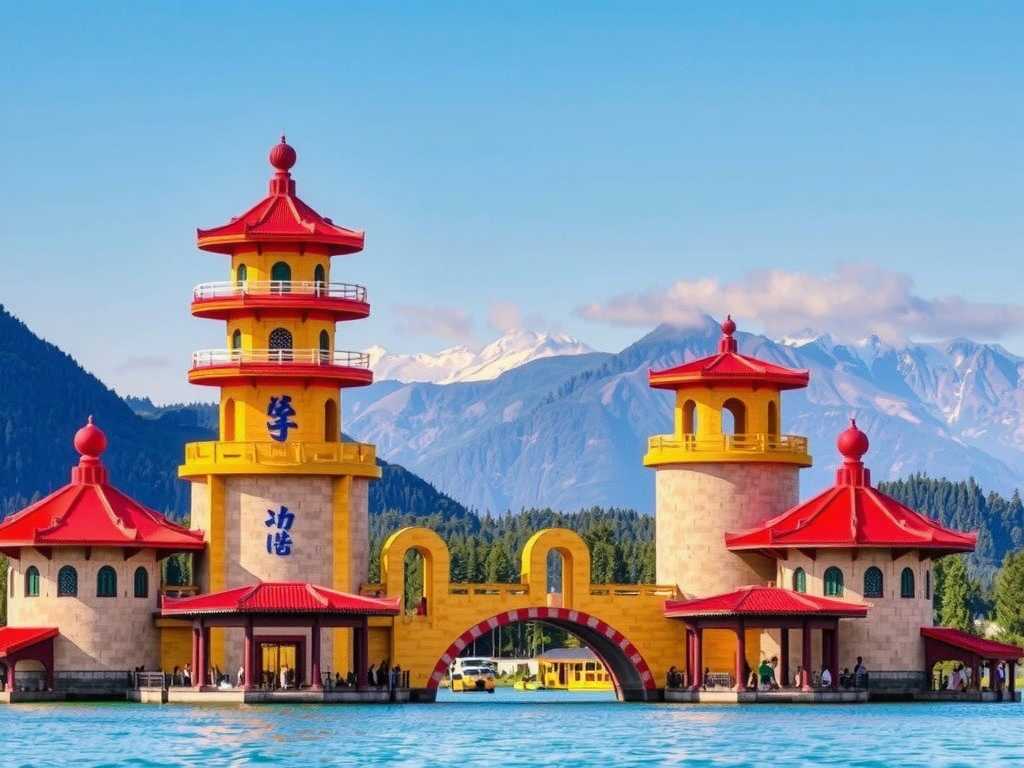
China’s geographical diversity is staggering. From the towering Himalayas in the west to the fertile plains of the east, and from the arid deserts of the north to the tropical rainforests of the south, the variety is unparalleled. This isn’t just about pretty pictures; it’s about experiencing ecosystems and vistas that have shaped one of the world’s oldest civilizations. According to a report by the China National Tourism Administration, over 65% of international visitors cite "natural scenery" as a primary reason for their visit, underscoring the powerful draw of the country’s physical beauty. Understanding this diversity is the first step to planning a trip that matches your interests, whether they lean toward serene landscapes, adventurous hikes, or cultural landscapes seamlessly integrated with nature.
The Iconic Wonders: China’s World-Famous Landscapes
No exploration of China’s scenic beauty is complete without witnessing its most celebrated sites. These are places of profound historical and natural significance.
The Great Wall: A Serpentine Marvel Across Mountains
Stretching over 13,000 miles, the Great Wall is more than a monument; it’s a landscape transformation. The most scenic sections, like Mutianyu or Jinshanling, offer a powerful experience. Here, you walk along ancient stone pathways that snake dramatically over rugged mountain ridges, surrounded by lush forests. The view of the wall disappearing over endless peaks is a quintessential Chinese panorama. For the best experience, visit early in the morning to avoid crowds and witness the wall in the soft morning light.
The Li River & Karst Peaks of Guilin
The poetic landscape of Guilin and Yangshuo is what traditional Chinese ink paintings are based on. A Li River cruise from Guilin to Yangshuo is a journey through a dreamscape of sheer limestone karst peaks, misty waters, and bamboo groves. It’s a serene and almost surreal display of nature’s artistry. As noted by travel anthropologist Dr. Mei Lin, "The Li River landscape represents a harmonious ideal in Chinese culture, where nature is not wild but beautifully composed." You can explore further by biking through the countryside, passing rice paddies and local villages nestled between these iconic peaks.
The Terracotta Army in Xi’an: An Underground Scenic Wonder
While not a natural landscape, the Terracotta Army in Xi’an presents a breathtaking human-made spectacle. The scale is the scenery. Standing before pits housing thousands of life-sized, uniquely crafted warriors and horses is awe-inspiring. It showcases an ancient emperor’s power to command a landscape of clay, offering a profound glimpse into China’s imperial history and artistic ambition.
Hidden Gems and Regional Diversity
Beyond the icons, China’s true scenic depth is revealed in its diverse regions, each offering a completely different atmosphere and beauty.
The Otherworldly Beauty of Zhangjiajie National Forest Park
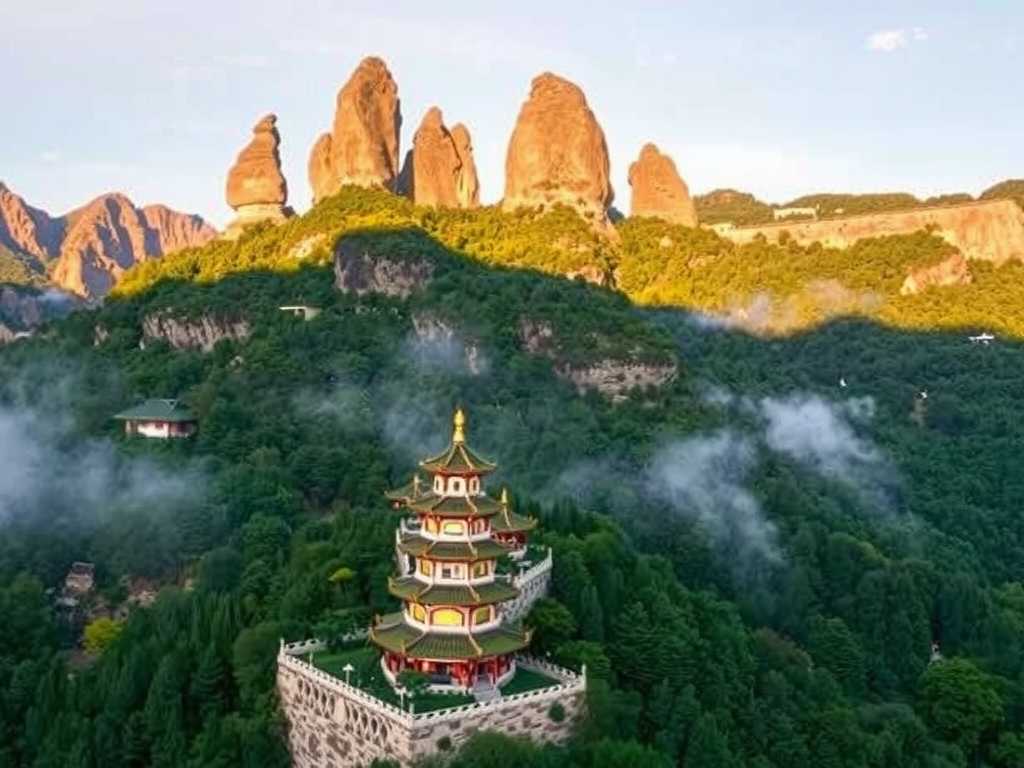
Imagine towering sandstone pillars, some over 1,000 meters tall, shrouded in mist and topped with dense, green canopy. This is Zhangjiajie in Hunan Province, the inspiration for the floating Hallelujah Mountains in the film Avatar. Walking the cliff-hugging glass walkways or taking the Bailong Elevator through the pillars feels like stepping onto another planet. The park is a hiker’s paradise, with trails offering perspectives from the valley floor to the mountain summits.
The Colorful Lakes of Jiuzhaigou Valley
Located in Sichuan Province, Jiuzhaigou Valley is a UNESCO site famed for its multi-colored lakes, cascading waterfalls, and snow-capped peaks. The water is so clear and mineral-rich that it reflects stunning shades of turquoise, blue, and green. Places like Five-Flower Lake and Pearl Shoal Waterfall look almost digitally enhanced. The valley is particularly spectacular in autumn when the blue waters contrast with golden and red foliage.
The Tibetan Plateau: Roof of the World
For high-altitude grandeur, the Tibetan Plateau around cities like Lhasa and Shigatse is unmatched. The pristine beauty of Yamdrok Lake, a turquoise sapphire set against brown mountains, and the awe-inspiring north face of Mount Everest from the Rongbuk Monastery are sights that redefine majesty. This region offers not just scenery but a deep spiritual atmosphere, with monasteries like the Potala Palace adding cultural depth to the dramatic physical landscape.
Practical Tips for Exploring China’s Scenic Spots
To fully enjoy these destinations, a bit of planning is essential. First, consider the season. Spring (April-May) and autumn (September-October) generally offer the most pleasant weather and beautiful natural colors. Summer can be hot and crowded, while winter offers unique, stark beauty in the north but cold conditions. Second, invest time in logistics. Domestic flights and high-speed trains connect major hubs, but reaching remote parks like Jiuzhaigou often requires additional bus or car travel. Booking tickets online in advance for major attractions is highly recommended. Finally, embrace local guides. At historical sites like the Great Wall or natural reserves like Zhangjiajie, a knowledgeable guide can provide context and lead you to the best viewpoints, greatly enhancing your experience.
What is the best time of year to visit China for scenic travel? The ideal times are spring (April to May) and autumn (September to October). During these periods, you’ll encounter mild temperatures, less rainfall, and beautiful seasonal foliage—blossoms in spring and vibrant colors in autumn—making outdoor exploration and photography most enjoyable.
Are these scenic spots suitable for family travel with children? Absolutely, but choose destinations wisely. The Great Wall’s Mutianyu section has a cable car, making it accessible. A Li River cruise is relaxing for all ages. Zhangjiajie involves more walking and stairs, so it’s better for families with older children. Always check for family-friendly facilities like cable cars, paved paths, and rest areas when planning.
How can I avoid the largest crowds at popular sites like the Great Wall or Zhangjiajie? Two strategies are key: timing and location. Arrive right at opening time or later in the afternoon to avoid peak tour group hours. For the Great Wall, choose restored but less crowded sections like Jinshanling or Simatai instead of Badaling. In Zhangjiajie, enter the park at a less popular gate and plan your route against the typical tour group flow. Visiting on a weekday also significantly reduces crowds.
China’s scenic beauty offers a journey through every type of natural wonder imaginable, each intertwined with layers of culture and history. From walking the ancient stone ridges of the Great Wall to cruising the serene waters of the Li River, and from marveling at the jagged peaks of Zhangjiajie to reflecting by the colorful lakes of Jiuzhaigou, the experiences are as diverse as the land itself. By venturing to both the iconic and the lesser-known, you move beyond simple sightseeing to truly connect with the landscape that has shaped a nation. Your adventure into this breathtaking scenery awaits.

发表评论