 admin
admin China’s Iconic Scenic Sites: Journey Now to Experience Timeless Wonders
Have you ever dreamed of walking along the Great Wall, gazing at the ethereal peaks of Guilin, or standing before the silent Terracotta Army, but felt overwhelmed by the sheer scale of China and unsure where to start? The common pain point for many travelers is the paradox of choice—with so many iconic scenic sites in China, planning an efficient, deep, and authentic journey can seem like a daunting task. This guide is crafted to solve that. We’ll navigate China’s most breathtaking landscapes and cultural treasures, providing you with a clear, authoritative roadmap to transform your dream into a well-planned, unforgettable adventure. Your journey to experience China’s iconic scenic sites starts here.
Understanding the Allure of China’s Landscapes

China’s geography is a grand canvas painted with incredible diversity. From the arid deserts of the northwest to the lush rice terraces of the south, and from the towering Himalayan ranges to the serene waters of the Yangtze River, the variety is staggering. This physical grandeur is deeply interwoven with millennia of history, philosophy, and art. As noted by cultural historian Dr. Li Wei, "China's scenic sites are never just about natural beauty; they are cultural texts written on mountains, rivers, and forests, reflecting Confucian ideals of harmony and Daoist principles of balance." This fusion is what makes visiting these places a profoundly enriching experience, far beyond mere sightseeing.
The Must-Visit Iconic Scenic Sites: A Curated Journey
To help you prioritize, we focus on sites that are universally acclaimed for their unique blend of natural splendor and cultural significance.
The Great Wall: A Serpentine Marvel Across Mountains
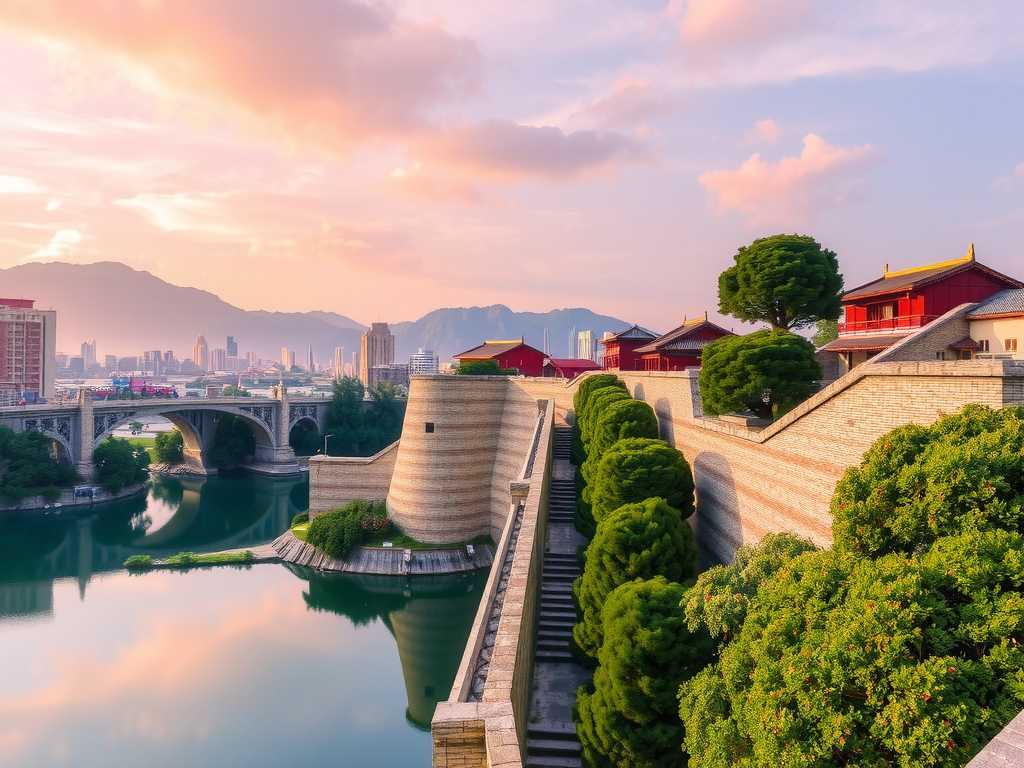
No visit to China is complete without witnessing the Great Wall. Stretching over 13,000 miles, it is not a single structure but a series of fortifications. For the best experience, skip the overly crowded Badaling section. Instead, consider Mutianyu for its stunning forested views and convenient cable car, or Jinshanling for a more rugged, photogenic hike. The best times are spring (April-May) and autumn (September-October) for pleasant weather. Remember, the Wall is steep; wear sturdy shoes and start early to avoid the midday crowds.
The Li River & Karst Peaks of Guilin and Yangshuo
This is the landscape of classical Chinese paintings come to life. The journey from Guilin to Yangshuo via a Li River cruise is the highlight. You’ll glide past sheer limestone karst peaks, bamboo groves, and water buffaloes—a scene of timeless pastoral beauty. Once in Yangshuo, rent a bicycle and explore the countryside. The Yulong River area offers peaceful bamboo rafting. For a panoramic view, hike up to Xianggong Hill at sunrise. The region is beautiful year-round but is particularly magical in the misty months of spring.
The Terracotta Army in Xi’an: An Emperor’s Silent Guard
Discovered in 1974, the Terracotta Army in Xi’an is one of the greatest archaeological finds of the 20th century. Over 8,000 life-sized soldiers, chariots, and horses stand in battle formation, each with unique facial features, guarding the tomb of China’s First Emperor, Qin Shi Huang. Spend time in Pit 1, the largest and most impressive. Hiring a knowledgeable local guide is highly recommended to understand the historical context and the astonishing craftsmanship behind these clay figures, which according to a recent UNESCO report, revolutionized our understanding of ancient Chinese military, art, and technology.
The Zhangjiajie National Forest Park: Avatar’s Floating Mountains
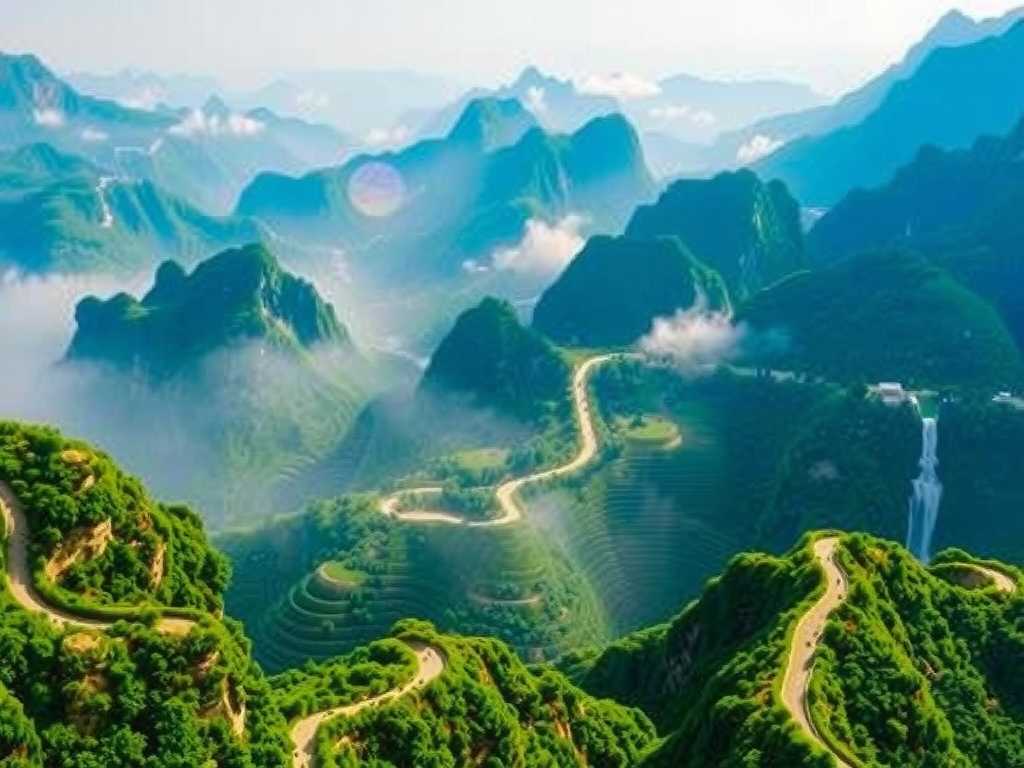
If you’ve seen the movie Avatar, you’ve seen inspiration drawn from Zhangjiajie. This national park in Hunan province features thousands of towering quartzite sandstone pillars shrouded in mist, creating a surreal, otherworldly landscape. The Avatar Hallelujah Mountain is the most famous pillar. Key attractions include the Bailong Elevator (a glass elevator built on a cliff), the Golden Whip Stream walk, and the thrilling glass walkway on Tianmen Mountain. Due to its popularity, booking park tickets and accommodation in the nearby town well in advance is crucial.
The Forbidden City & The Great Wall of Beijing
While the Great Wall is on the outskirts, the Forbidden City sits at the very heart of Beijing. As the imperial palace for 24 emperors during the Ming and Qing dynasties, it is the world’s largest palace complex. Its meticulous symmetry, vibrant yellow-glazed roofs, and vast courtyards symbolize celestial order and imperial power. Plan for at least half a day. Navigate from the Meridian Gate south to north, exploring the grand halls like the Hall of Supreme Harmony before reaching the Imperial Garden. Pairing a visit here with the Great Wall offers a perfect day encompassing both imperial might and defensive grandeur.
Planning Your Journey: Essential Tips for a Seamless Experience
A successful trip requires thoughtful preparation. First, timing is key. National holidays (e.g., Chinese New Year, Golden Week in October) see massive domestic travel; avoid them if possible. Shoulder seasons (spring and autumn) offer the best balance of good weather and fewer crowds.
Regarding visas, most travelers will need to apply for a tourist visa (L Visa) in advance. Check the latest requirements with your local Chinese embassy, as policies can change. For getting around, China’s high-speed rail network is efficient, comfortable, and connects major cities near these scenic sites. For remote areas like Zhangjiajie, domestic flights are often the best option.
Embrace local apps: Didi for ride-hailing, Alipay or WeChat Pay for cashless transactions, and a reliable VPN if you need access to Google services. Learning a few basic Mandarin phrases will also greatly enhance your interactions and is always appreciated by locals.

How many days should I allocate for a first-time trip covering major sites? For a well-paced trip covering Beijing (Great Wall, Forbidden City), Xi’an (Terracotta Army), and Guilin/Yangshuo (Li River), a minimum of 10-12 days is recommended. This allows for travel time and a deeper experience at each location without feeling rushed.
What is the best way to manage language barriers at these scenic sites? Major iconic sites have English signage and often offer audio guides. However, downloading a translation app like Pleco or Google Translate (with offline packs) is invaluable. For complex needs, such as hiring a driver or a guide, booking through a reputable travel agency in advance can ensure smooth communication.
Are these scenic sites suitable for family travel with children? Absolutely, but with planning. The Great Wall can be strenuous, but sections like Mutianyu have cable cars. The Terracotta Army is fascinating for older children. Guilin’s boat rides and bicycle trips are generally family-friendly. Always prioritize comfort, carry snacks, and build in rest time. Sites like the Forbidden City involve a lot of walking, so consider a stroller for young kids.
Embarking on a journey to China’s iconic scenic sites is more than a vacation; it’s a passage through living history and some of the planet’s most dramatic landscapes. From the man-made wonder of the Great Wall to the natural sculpture of Zhangjiajie, each destination offers a unique window into the soul of China. With careful planning, an open mind, and this guide in hand, you are now equipped to move from dream to reality. The landscapes that have inspired poets and emperors for centuries await your footsteps. Your journey to discover the timeless wonders of China’s iconic scenic sites begins the moment you decide to go.


发表评论