 admin
admin China's Top Scenic Attractions: Your Ultimate Travel Guide
Planning a trip to China can feel overwhelming. With a landmass so vast and a history spanning millennia, how do you possibly choose where to go? You’re searching for those iconic, breathtaking experiences—the places that define China's top scenic attractions—but sifting through endless information is a challenge. This guide cuts through the noise. We’ve compiled the essential destinations, blending ancient wonders with natural masterpieces, to help you craft an unforgettable journey through China's most spectacular landscapes and cultural sites.
Essential Destinations for Your China Itinerary
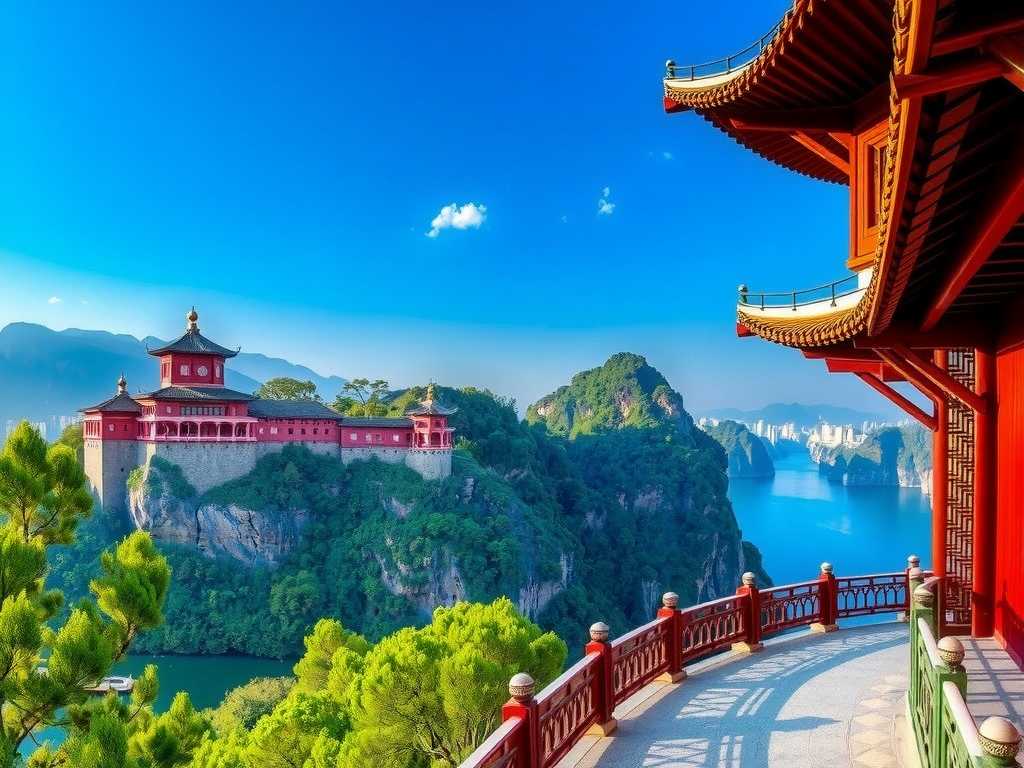
To truly experience China, you must visit its pillars of natural beauty and human achievement. These sites are not just tourist spots; they are the soul of the nation.
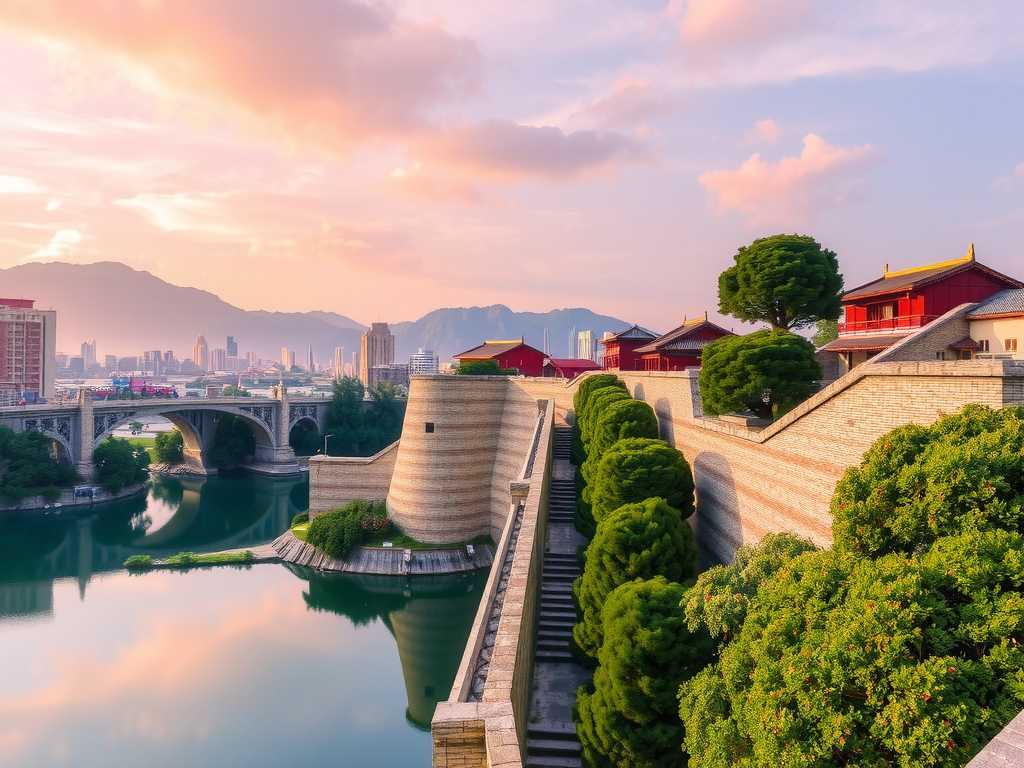
The Great Wall: A Walk Through History Stretching over 13,000 miles, the Great Wall is an undeniable symbol of China. Forget the idea of seeing it all; the key is choosing the right section. For first-timers, the Mutianyu section offers a superb balance. It’s well-restored, less crowded than Badaling, and features stunning forested views. For the adventurous, Jiankou provides rugged, wild beauty perfect for hiking photographers. As historian Dr. William Lindesay notes, "Each brick tells a story of defense, perseverance, and administrative might." Visit at sunrise to avoid crowds and witness the wall snaking dramatically over mountain ridges.
The Li River & Karst Peaks: A Painting Come to Life The landscape of Guilin and Yangshuo is the classic image of China found on postcards and scroll paintings. A Li River cruise from Guilin to Yangshuo is the best way to absorb this serene beauty. The journey unfolds like a slow-paced dream, with sheer limestone karst peaks shrouded in mist rising from the emerald-green water. For an active perspective, rent a bicycle and ride through the countryside paths around Yangshuo, passing through local villages and rice paddies with those iconic peaks always on the horizon.
The Forbidden City & Imperial Beijing At the heart of Beijing lies the world’s largest and best-preserved ancient wooden structure complex: the Forbidden City. For nearly 500 years, it was the exclusive domain of emperors. To navigate its 980 buildings, focus on the central axis: the Meridian Gate, the Hall of Supreme Harmony, and the Imperial Garden. Pair this with a visit to the nearby Temple of Heaven, where emperors performed sacred rituals. For a deeper understanding, consider that the complex’s layout is a physical manifestation of ancient cosmological beliefs, designed to align earthly power with the heavens.
The Terracotta Army: An Emperor's Eternal Guard Discovered in 1974 by local farmers, the Terracotta Army in Xi’an is one of the greatest archaeological finds of the 20th century. This vast subterranean army of over 8,000 life-sized soldiers, horses, and chariots was created to protect China’s First Emperor, Qin Shi Huang, in the afterlife. Standing before Pit 1, the largest excavation, the scale is humbling. Each figure has unique facial features, hairstyles, and armor, offering an incredible glimpse into the military and artistic prowess of the Qin Dynasty. It’s a powerful, must-see historical travel destination in China.
Planning Your Visit: Practical Tips and Strategies
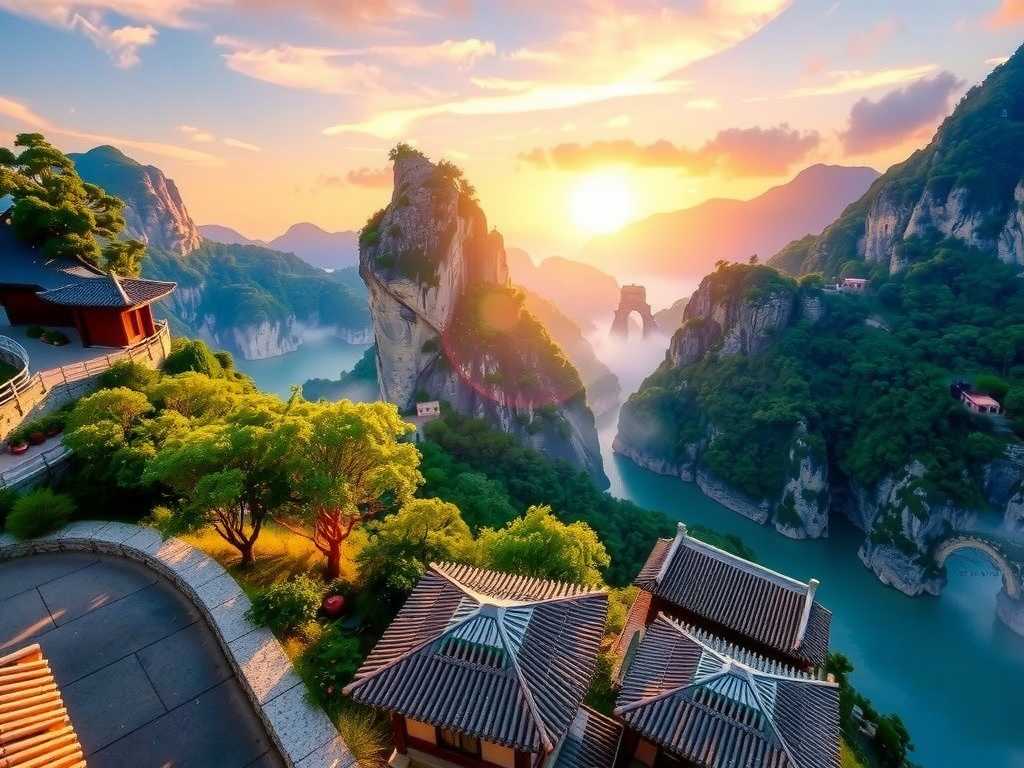
Knowing where to go is half the battle. How you plan your trip will define your experience.
Best Times to Visit for Optimal Experience China’s climate is diverse. Generally, spring (April-May) and autumn (September-October) offer the most pleasant weather nationwide—mild temperatures and less rainfall. This is ideal for visiting the Great Wall, Shanghai, and classical gardens. Summer can be hot and humid, but it’s suitable for the high-altitude regions like Tibet. Winter offers fewer crowds and magical snowy scenes on the Wall, though northern China is very cold. Always check for local festivals, like Spring Festival or Golden Week, which bring massive domestic travel.
Navigating Transportation and Accommodation China’s high-speed rail network is a traveler’s dream—efficient, comfortable, and punctual. It’s often the best way to connect between major cities like Beijing, Xi’an, and Shanghai. For remote scenic areas, domestic flights are necessary. Book trains a few days in advance via travel apps or at stations. Accommodation ranges from international luxury chains in major cities to charming guesthouses (like kezhan) in rural areas like Yunnan or Guangxi. Using a VPN to access common booking and mapping sites is a practical tip for most international visitors.
Cultural Etiquette and Travel Essentials A few simple gestures go a long way. Learn basic Mandarin phrases like Ni hao (Hello) and Xie xie (Thank you). When visiting temples or minority regions, dress modestly. Tipping is not customary. Always carry tissues and hand sanitizer, as public restrooms may not supply them. Most importantly, have an open mind and be patient—embracing the differences is part of the adventure. Ensure you have the correct visa and keep a digital and physical copy of your passport with you at all times.
Beyond the Classics: Hidden Gems and Regional Wonders
While the icons are essential, China’s depth is revealed in its lesser-known regions.
The Avatar Mountains of Zhangjiajie The towering, quartz-sandstone pillars of Zhangjiajie National Forest Park in Hunan province seem from another planet—so much so that they inspired the floating Hallelujah Mountains in the film Avatar. Explore the park’s glass walkways, cable cars, and endless viewing platforms that offer dizzying perspectives over a sea of stone pillars. It’s a premier destination for spectacular natural scenery in China and is best visited over 2-3 days to fully appreciate its scale.
The Rainbow Mountains of Danxia Located in Zhangye, Gansu province, the Danxia landforms are a geological wonder. These mountains display striking stripes of red, orange, and yellow, formed by mineral deposits and erosion over 24 million years. The best time to visit is at sunrise or sunset when the low light intensifies the colors, creating a surreal, painterly landscape. It’s a remote destination, but the photographic opportunities are unparalleled.
The Water Towns of the Yangtze Delta For a taste of ancient China’s canal-based life, visit a water town like Wuzhen or Zhouzhuang near Shanghai. Often called the "Venice of the East," these towns feature stone bridges arching over quiet canals, traditional whitewashed houses, and cobbled lanes. Stay overnight to experience the serene atmosphere after the day-trippers have left, with the sound of water lapping against old piers.
How can I avoid huge crowds at major sites like the Great Wall? The most effective strategies are to visit during off-peak seasons (late autumn or winter), arrive right at opening time, or choose less-visited sections like Mutianyu over Badaling. Booking a weekday visit also significantly reduces crowd exposure.
What is the best way to handle payments, as a foreign tourist? While cash is still accepted, mobile payments (WeChat Pay and Alipay) dominate. As a tourist, your best option is to use an international credit card (UnionPay, Visa, or Mastercard are widely accepted in hotels and larger stores) and carry a moderate amount of Chinese Yuan (RMB) cash for small vendors and markets.
Is independent travel feasible in China without speaking Mandarin? Yes, it is entirely feasible, especially in major cities and tourist areas where signs are often bilingual. Translation apps like Google Translate (with offline packs downloaded) or Pleco are invaluable tools. Carrying a hotel business card with its address in Chinese can also help with taxi rides.
China’s top scenic attractions offer a journey through time and terrain, from man-made marvels that defy imagination to natural landscapes that inspire awe. By blending the iconic with the unexpected, planning wisely for seasons and logistics, and traveling with cultural awareness, you transform a simple trip into a profound exploration. The memories forged while standing on the ancient stones of the Wall or drifting down the Li River will stay with you long after you return home, a testament to the enduring allure of this vast and varied land.

发表评论