 admin
admin China’s Scenic Treasures: Your Ultimate Travel Inspiration
Are you overwhelmed by the sheer size and diversity of China, unsure where to begin planning a trip that captures its true essence? You dream of iconic landscapes, ancient culture, and authentic experiences, but guidebooks offer endless lists, leaving you paralyzed by choice. This guide cuts through the noise. We move beyond the well-trodden path of a few major cities to reveal the profound depth of China’s scenic treasures, offering structured inspiration to craft your perfect journey.
Understanding the Diversity of China’s Landscapes
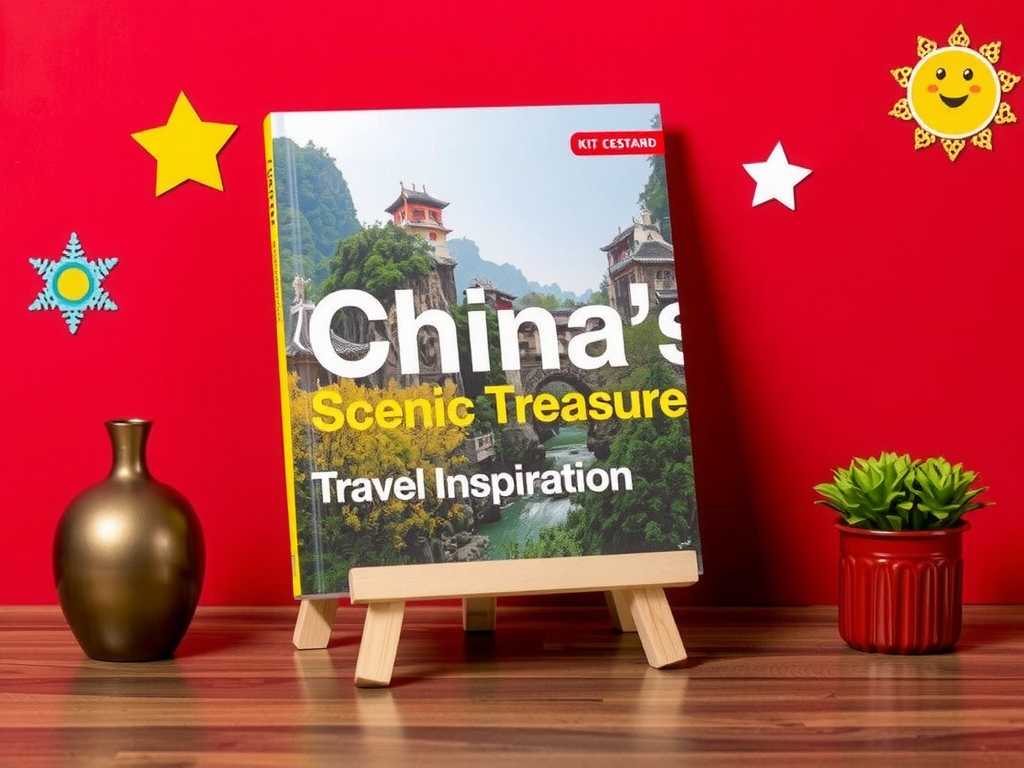
China’s geography is a masterpiece of contrasts, offering a different world in each region. To truly appreciate its scenic treasures, one must understand this vast canvas.

-
The Majestic West: Peaks and Plateaus Here, raw, untamed nature dominates. The Himalayas stake their claim in Tibet, with Mount Everest’s north face presenting a challenge for the world’s most ardent climbers. The Tibetan Plateau, often called the "Roof of the World," is a spiritual landscape of high-altitude lakes like Yamdrok and boundless skies. Further north, Xinjiang’s otherworldly beauty shines in the singing sand dunes of the Taklamakan Desert and the surreal red rock formations of the Flaming Mountains.
-
The Lush South: Rivers and Karst Forests This is China’s watercolor painting. Guilin and Yangshuo are legendary for their karst limestone peaks that rise dramatically from the Li River, best experienced by a leisurely bamboo raft cruise. Neighboring Yunnan province adds a cultural layer, where the serene waters of Erhai Lake meet the snow-capped Jade Dragon Snow Mountain, all within the shadow of ancient towns like Lijiang.
-
The Historic North: Canyons and Ancient Walls The north tells a story of erosion and endurance. The Grand Canyon of the Yellow River in Shanxi showcases the power of China’s "Mother River." Meanwhile, the grasslands of Inner Mongolia offer a glimpse into a nomadic way of life that has persisted for millennia. Of course, snaking through these varied landscapes are sections of the Great Wall, from the restored majesty of Mutianyu to the wild, crumbling beauty of Jiankou.
Curated Journeys: Themed Itineraries for Every Traveler
With such diversity, the best approach is to travel by theme. These curated journeys into China’s scenic treasures provide focus and depth.
-
The Silk Road Odyssey Trace the ancient network of trade routes that connected East and West. Start in Xi’an to see the Terracotta Army, then journey west. In Dunhuang, witness the Buddhist art of the Mogao Caves before riding a camel into the sunset at the Singing Sand Dunes. Continue to Turpan’s grape valleys and the ruined city of Jiaohe, ending in Kashgar’s vibrant Sunday Bazaar, a crossroads of culture for over 2,000 years.
-
The Panoramic Peaks and Rivers Tour Designed for the landscape purist, this route is a visual feast. Begin with the Avatar Mountains (Zhangjiajie National Forest Park) in Hunan, where towering quartzite sandstone pillars inspired cinematic worlds. Next, cruise the Three Gorges of the Yangtze River, a passage of sheer cliffs and misty vistas. Conclude in Huangshan (the Yellow Mountains) in Anhui, famed for its "sea of clouds," granite peaks, and ancient, gnarled pine trees—a quintessential Chinese painting come to life.
-
The Hidden Valleys and Minority Cultures Loop Venture into Southwest China for cultural immersion. In Yunnan’s Shangri-La, explore Tibetan monasteries and pristine Pudacuo National Park. Travel to Yuanyang to see the breathtaking, terraced rice fields carved into the mountains by the Hani people for centuries. As noted by cultural anthropologist Dr. Li Wen, "These landscapes are not just scenery; they are a living record of human adaptation and harmony with nature." Finally, visit Guizhou’s remote villages, like those of the Miao and Dong minorities, where traditional wooden stilt houses and vibrant festivals remain untouched by time.
Practical Wisdom for Experiencing China’s Depths
Inspiring destinations require practical planning. These tips ensure your exploration of China’s natural and cultural wealth is seamless and respectful.
- Timing Your Visit: Seasons dramatically alter the scenery. Spring (April-May) and autumn (September-October) generally offer the most pleasant weather and vibrant colors. For specific sights, plan for the油菜花 (rapeseed flower) bloom in March in Jiangxi, or the golden larch trees in Huangshan in November.
- Navigating Beyond Cities: While high-speed trains connect major hubs, reaching remote scenic treasures often requires a combination of domestic flights, local drivers, or tourist buses. Consider hiring a local guide for inaccessible areas; their expertise unlocks stories and access you’d miss alone.
- Traveling with Respect: Many stunning landscapes are ecologically fragile or hold deep cultural significance. Adhere to park rules, stay on designated paths, and carry out all waste. When visiting minority regions, seek permission before photographing people, and support local communities by choosing homestays or buying handicrafts directly from artisans.
Your Questions, Answered
What is the best way to avoid crowds at popular scenic spots? Arrive either right at opening time or later in the afternoon, as most tour groups operate mid-morning. For places like the Great Wall or Zhangjiajie, choose less-renovated sections (e.g., Jinshanling over Badaling, Tianzishan over Yuanjiajie). Traveling during shoulder seasons (late spring or early autumn) on weekdays also makes a significant difference.
Is it feasible to travel independently to these remote areas if I don’t speak Chinese? It is feasible but requires more preparation. In major scenic areas, signage is often bilingual (Chinese/English). Essential apps like a translation tool (Pleco, Google Translate), a maps app (Maps.me works offline), and Didi (ride-hailing) are crucial. For complex multi-destination trips in regions like Yunnan or Sichuan, partnering with a reputable local travel agency for private car and driver services can save immense time and stress.
How should I balance visiting iconic sites with discovering hidden gems? Adopt a "hub-and-spoke" model. Use a well-connected city as your base (e.g., Chengdu for Sichuan, Kunming for Yunnan). Dedicate time to the iconic site nearby (Jiuzhaigou Valley, Stone Forest), then allocate days for excursions to lesser-known areas recommended by locals or niche travel forums—like visiting the Tibetan villages of Danba instead of just staying in Kangding.
China’s true magic lies in the journey between the postcard-perfect moments—the unexpected vista from a mountain pass, the shared smile with a local farmer, the profound silence of an ancient forest. By looking beyond the familiar and embracing the continent-sized diversity of its landscapes and cultures, you move from being a spectator to an explorer. Let these scenic treasures be your guide, not just to places, but to experiences that reshape your understanding of natural beauty and human history. Your adventure into the heart of China awaits.


发表评论