 admin
admin Explore China’s Scenic Landscapes & Culture: Your Ultimate Guide to an Authentic Journey
Planning a trip to China can feel overwhelming. With its vast territory and profound history, you might wonder: How do I move beyond the typical tourist spots? How can I truly connect with both the breathtaking scenery and the living culture? Many travelers end up with a fragmented experience, missing the deep stories behind the landscapes. This guide is designed to solve that. We’ll navigate China’s majestic natural wonders and vibrant cultural tapestry together, ensuring your journey is as enriching as it is visually stunning.
Understanding the Harmony of Landscape and Culture
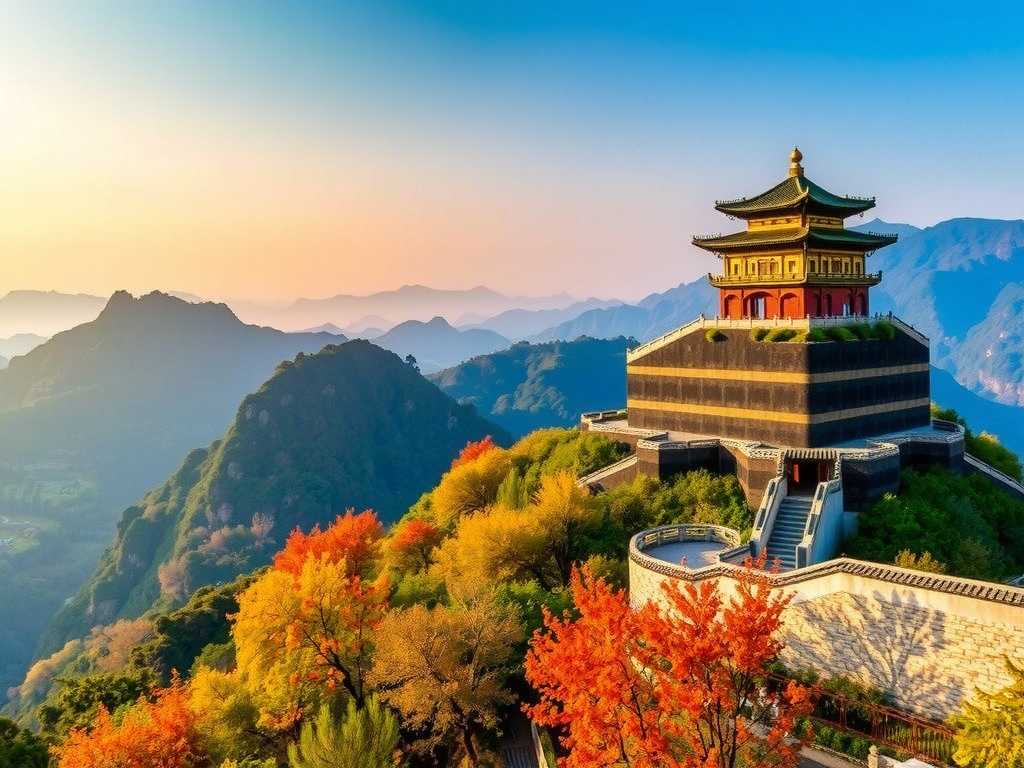
China’s beauty isn’t just in its mountains and rivers; it’s in how millennia of human civilization have interacted with them. This philosophy of harmony is key to a deeper exploration. You’ll find that every scenic masterpiece often has a cultural soul.
The Philosophical Foundations: Daoism and Buddhism Ancient Chinese philosophies shaped how people perceive and inhabit landscapes. Daoism emphasizes unity with nature, leading to the construction of serene temples in misty mountains, like those in Wudang. Buddhism inspired the carving of sacred grottoes, such as the Longmen Grottoes, directly into cliffsides. Understanding this helps you see a mountain not just as a geological form, but as a spiritual anchor.
Architecture as a Bridge Traditional architecture is the physical manifestation of this harmony. The curved roofs of pavilions in Guilin’s karst hills or the ancient water towns like Zhouzhuang, where canals mirror white-walled homes, show a deliberate design to complement, not conquer, the environment. It’s a dialogue between human ingenuity and natural beauty.
Crafting Your Scenic and Cultural Itinerary
To explore China’s scenic landscapes & culture effectively, a thoughtful itinerary blending iconic and in-depth experiences is essential. Here’s a regional breakdown to help you plan.
Northern China: Imperial Grandeur and Rugged Frontiers This region offers a powerful contrast between man-made majesty and raw natural power.
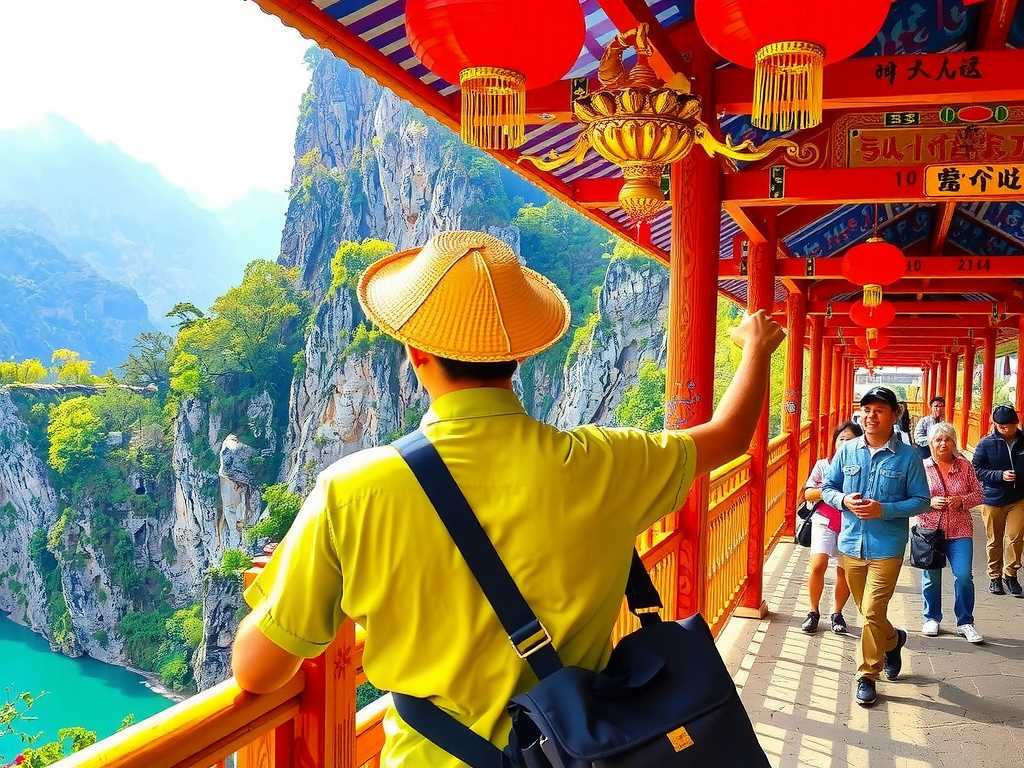
- The Great Wall Snaking Through Mountains: Don’t just visit Mutianyu. For a more immersive experience, consider hiking the "wild" Jinshanling section. Seeing the wall weave over endless rugged peaks underscores its strategic purpose and the sheer human effort involved, blending history with dramatic scenery.
- The Forbidden City and Tibetan Buddhism: In Beijing, the Forbidden City is the apex of imperial culture. Complement this with a day trip to the Chengde Mountain Resort. This UNESCO site replicates landscapes from across China and houses the majestic Putuo Zongcheng Temple, a fusion of Han and Tibetan architectural styles, showcasing cultural integration.
Eastern China: Poetic Waterscapes and Refined Arts Here, elegance and literature infuse gentle landscapes.
- The Classical Gardens of Suzhou: More than just pretty parks, these are microcosms of the universe designed for contemplation. As noted by garden historian Chen Congzhou, they use techniques like "borrowed scenery" to create an illusion of space, representing the pinnacle of literati culture.
- West Lake, Hangzhou: This is a landscape perfected by poetry and care. Stroll along its causeways, visit Lingyin Temple, and understand why it has inspired painters and poets for centuries. It’s the epitome of the Chinese ideal where culture cultivates nature.
Southwest China: Dramatic Landforms and Ethnic Mosaics Prepare for breathtaking topography and vibrant indigenous cultures.
- Zhangjiajie’s Avatar Mountains and Minority Villages: The towering quartz-sandstone pillars are a geological wonder. Pair this with a visit to a nearby Tujia or Miao ethnic village. Experience their stilted architecture, colorful dress, and lively festivals to see a completely different, enduring cultural layer of China.
- The Karst Symphony of Guilin and Yangshuo: Take a Li River cruise through the iconic karst peaks. Then, go deeper by cycling through countryside paths, trying your hand at rice farming, or learning a local folk song from a villager. The landscape here is the backdrop to a slower, agricultural way of life.
Western China: The Ancient Silk Road and Tibetan Highlands This is the route of epic journeys and spiritual heights.
- Dunhuang: Where Desert Meets Devotion: Witness the stunning Mingsha Sand Dunes and the crescent-shaped Yueya Spring. Then, enter the Mogao Caves, a treasury of Buddhist art preserved for over a millennium. According to a 2023 cultural tourism report, sites like Dunhuang show a 40% increase in travelers seeking "historical depth," highlighting this growing demand.
- Tibetan Culture in Sichuan and Yunnan: Explore Shangri-La (Zhongdian) or Litang instead of Lhasa for a less crowded experience. Witness Tibetan monasteries perched on hillsides, join locals circling ancient prayer wheels, and feel the profound spiritual connection to the vast, high-altitude plains.
Practical Tips for an Immersive Experience
To move from sightseeing to true exploration, a shift in approach is needed.
- Travel Slow: Spend at least 3-4 nights in one region. A homestay in a Fujian tulou (earthen building) or a Yunnan minority village offers unparalleled cultural insight.
- Learn a Few Phrases & Customs: Basic Mandarin phrases like "谢谢 (xièxie - thank you)" go a long way. Learn simple customs, such as presenting a business card with two hands. This shows respect and often leads to warmer interactions.
- Engage with Local Crafts: Take a short calligraphy class in Xi’an, a tea ceremony workshop in Fujian, or a batik dyeing lesson in Guizhou. Creating something yourself creates a lasting memory and understanding.
- Use Local Guides: For historical sites, a knowledgeable local guide can unveil stories and meanings you’d certainly miss on your own, enriching your grasp of the context.
What is the best time of year to explore China’s diverse landscapes? Spring (April-May) and Autumn (September-October) are generally ideal nationwide, offering pleasant temperatures and beautiful natural colors. However, for specific experiences like Harbin’s ice festival, winter is perfect, and summer is great for the Tibetan plateau.
How can I visit culturally sensitive sites, like Tibetan areas, respectfully? Always ask for permission before photographing people, especially monks. Dress modestly at religious sites by covering shoulders and knees. Circumambulate stupas and mani stone piles in a clockwise direction. These actions demonstrate cultural awareness.
Is it difficult to travel to remote scenic areas in China? Infrastructure has improved dramatically. High-speed trains connect major hubs, and domestic flights are extensive. Remote areas like Zhangjiajie or Jiuzhaigou have airports. For very rural locations, private drivers or organized small-group tours are recommended for convenience and safety.
China’s true magic lies in the seamless weave of its physical and human tapestry. From the Great Wall’s stoic defiance to a mist-shrouded peak that inspired a thousand poems, each destination offers a dual reward. By seeking out these connections—between river and rice terrace, mountain and monastery, silk and song—you transform a simple vacation into a journey of genuine discovery. The most lasting impression won’t just be a photograph of a beautiful place, but the feeling of having briefly understood its place in the heart of a civilization.
发表评论