 admin
admin Scenic China: The Ultimate Travel Guide
Planning a trip to China can feel overwhelming. Where do you even begin in a country this vast, with millennia of history, dizzying modern cities, and landscapes that look like they’re from another planet? The sheer scale and diversity are both the main attraction and the biggest challenge for travelers. This guide cuts through the complexity. We’ll provide a clear, practical framework to help you discover the most scenic places in China, plan efficiently, and experience the trip of a lifetime.
Understanding China’s Geographic Diversity

China’s terrain is a dramatic tapestry, shaping not just its scenery but also its culture and climate. Broadly, it descends from the high west to the lower east.
The Tibetan Plateau, often called "The Roof of the World," dominates the west. Here, you’ll find the majestic Himalayas, crystal-clear alpine lakes like Namtso, and a unique high-altitude culture. Moving east, the terrain drops into basins and plateaus, such as the otherworldly karst landscapes of Guilin and the stone forests of Yunnan. The great rivers—the Yangtze and Yellow River—carve their way through these regions, creating gorges and fertile plains. Finally, the eastern coastal belt is home to sprawling metropolises, gentle hills, and long coastlines. This geographic ladder creates distinct travel zones, each requiring different preparation and offering unique visual rewards.
Top Scenic Destinations You Can’t Miss
To truly experience scenic China, focus on these iconic regions that showcase its natural and cultural grandeur.
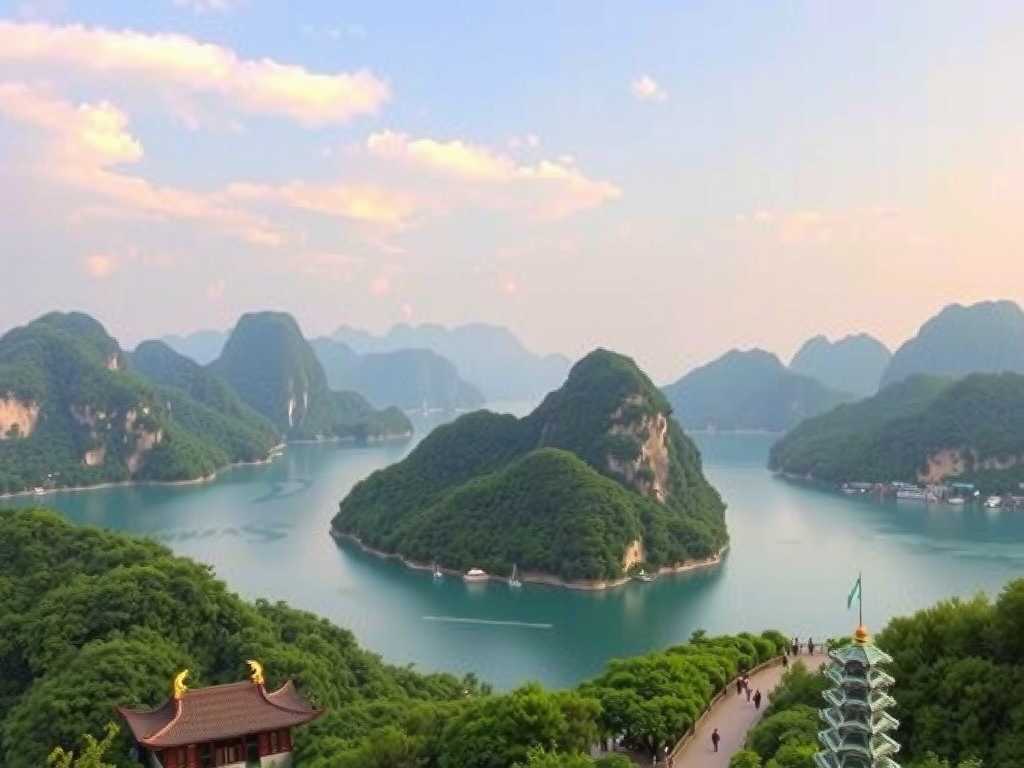
The Classic Panorama: Guilin & Yangshuo The phrase "East or west, Guilin landscape is best" is known to every Chinese person for a reason. The Li River winds through a dreamscape of karst pinnacles, their reflections perfectly mirrored in the calm water. This isn’t just a view from a boat; it’s an immersive experience. Hike or cycle through the rice paddies of Yangshuo, with these limestone towers as your constant backdrop. For the quintessential photo, the view from Xianggong Hill at sunrise is unparalleled. As travel photographer Li Wei notes, "The mist rising off the Li River at dawn transforms the scenery into a living Chinese watercolor painting."
The Rugged West: Zhangjiajie & Jiuzhaigou For drama and raw natural beauty, head west. Zhangjiajie National Forest Park in Hunan inspired the floating Hallelujah Mountains in Avatar. Towering sandstone pillars, shrouded in mist and connected by vertigo-inducing glass walkways, create a scene from a fantasy novel. Meanwhile, in Sichuan, Jiuzhaigou Valley is a symphony of color. Its multi-level waterfalls, vividly blue and green travertine lakes, and dense forests look almost unreal. Visit in autumn when the foliage turns the valley into a blazing canvas of reds and golds.
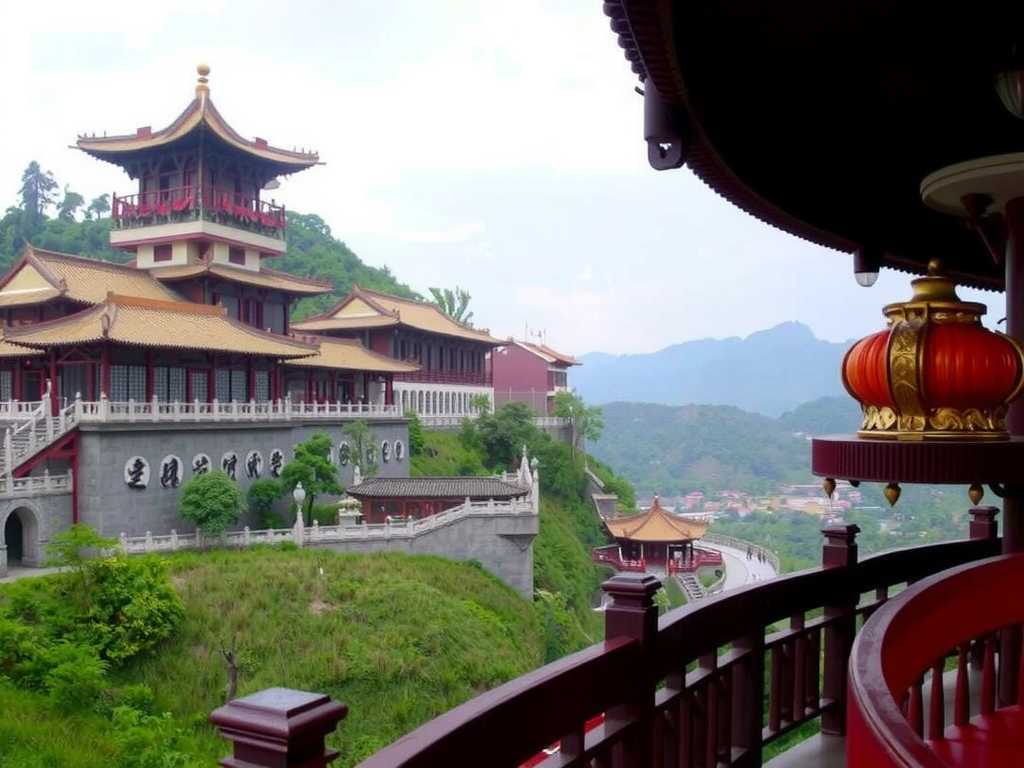
The Cultural Landscape: Yellow Mountains & The Li River Some landscapes are deeply woven into China’s artistic soul. Huangshan (the Yellow Mountains) is the ultimate example. Its granite peaks, often piercing through a "sea of clouds," twisted pine trees, and hot springs have been the subject of poets and painters for centuries. Hiking its steps is a journey through living art. Similarly, the pastoral scenery along the Li River, with water buffalo and fishermen with cormorants, represents the idealized Chinese rural landscape that has been celebrated for generations.
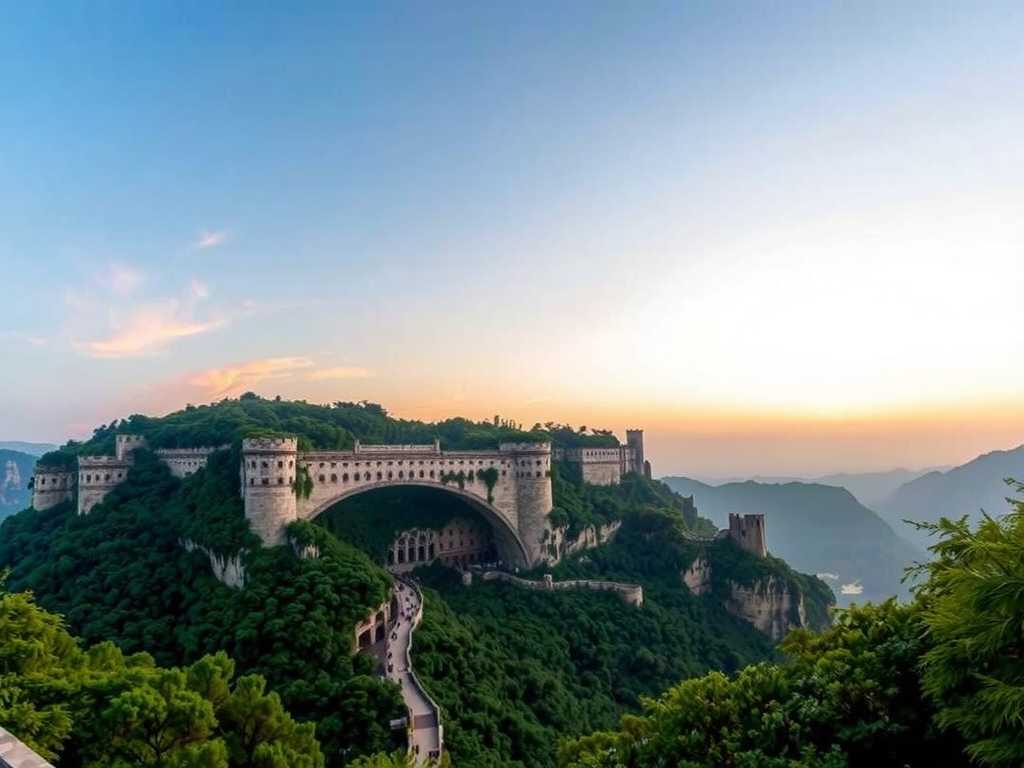
The Man-Made Marvel: The Great Wall & Terracotta Army China’s scenery isn’t only natural. The Great Wall snaking over the mountain ridges north of Beijing is a breathtaking fusion of human endeavor and topography. The less-crowded sections like Jinshanling offer the most scenic hikes. In Xi’an, the Terracotta Army presents a different kind of awe—a vast underground tableau of thousands of life-sized soldiers, a powerful and silent testament to imperial ambition.
Essential Planning: When to Go and How to Get Around
Timing and transportation are key to enjoying China’s scenery.
The best times are generally spring (April-May) and autumn (September-October), when temperatures are mild and skies are clearer. Summer can be hot, humid, and crowded, while winter offers stark beauty in the north (like the Great Wall in snow) but is extremely cold. Be mindful of major Chinese holidays like Golden Week, when domestic travel peaks.
China’s high-speed rail network is a scenic and efficient way to travel between major hubs. It connects you to gateway cities for most scenic areas. For remote regions like Tibet or Jiuzhaigou, flying is often necessary. Within destinations, a mix of tourist buses, private drivers, and local guides is recommended. As highlighted in the China Tourism Academy Annual Report, integrated transport-tour packages have significantly improved accessibility to major scenic spots in the last five years.
Experiencing Scenic China Like a Pro
To move beyond just seeing the sights and to truly experience them, adopt these practices.
First, venture beyond the main observation deck. At places like the Yellow Mountains, hiking a lesser-tread path can reward you with solitude and unexpected vistas. Second, engage with the landscape. Try a bamboo raft ride in Yangshuo, join a local fisherman on the Li River at dawn, or participate in a tea-picking session in a Hangzhou plantation. These activities create a deeper connection. Finally, respect the environment. China’s natural sites are precious and often fragile. Always stay on marked trails, carry out all trash, and follow local guidelines to help preserve these wonders.
Immersing Yourself in Local Culture and Cuisine
The scenery is half the story; the local life within it completes the picture. In rural Yunnan, visit a weekly market in the shadow of the mountains. In Zhangjiajie, learn about the Tujia minority culture. Food is a direct link to the land. Sample fresh bamboo rice in Guilin, hearty lamb dishes in the northern grasslands, or the distinctive "stinky tofu" of Hunan province, whose bold flavors mirror its dramatic landscapes. Staying in a traditional guesthouse (kezhan) or a local homestay can offer authentic insights and warm hospitality you won’t find in international hotel chains.
What is the best way to avoid crowds at major scenic spots in China? Arrive as early as the site opens, ideally on a weekday. Research and visit less-famous but equally stunning alternative sections, like the Simatai section of the Great Wall instead of Badaling, or Shuanglong Bay in Yangshuo for a quieter Li River experience.
Do I need a special permit to visit Tibet or other restricted areas? Yes, travel to the Tibet Autonomous Region requires a Tibet Travel Permit, which must be arranged through a registered tour agency as part of a guided group. Other sensitive border areas may also require permits, so always check regulations for your specific itinerary well in advance.
How should I prepare for the high altitude in places like Tibet or Jiuzhaigou? Spend your first day or two acclimatizing with minimal activity. Stay hydrated, avoid alcohol, and eat light meals. Consider talking to your doctor about altitude sickness medication beforehand. It’s crucial to listen to your body and not ascend too quickly.
From the painterly hills of Guilin to the epic scale of the Tibetan plateau, scenic China offers a lifetime of discoveries. Success lies in thoughtful planning—choosing the right season, embracing efficient transport, and seeking authentic experiences within the landscape. By understanding its diversity and approaching it with respect and curiosity, you transform a simple tour into a profound journey. Start dreaming, start planning, and prepare to be humbled by the breathtaking beauty of this ancient land.


发表评论