 admin
admin Discover China’s Breathtaking Natural Scenic Sites: An Ultimate Traveler’s Guide
Planning a trip to China and feeling overwhelmed by the sheer number of destinations? You’re not alone. Many travelers dream of experiencing China’s legendary landscapes but struggle to move beyond the well-trodden path of its iconic cities. The real challenge lies in knowing where to find those truly awe-inspiring natural wonders and how to experience them authentically, without the crowds. This guide is crafted to solve that exact problem. We will navigate beyond the Great Wall and the Forbidden City to explore the soul-stirring beauty of China’s breathtaking natural scenic sites, offering you a clear, step-by-step blueprint for an unforgettable journey into the heart of Asia’s most diverse landscapes.
Why China’s Natural Landscapes Are Unmatched
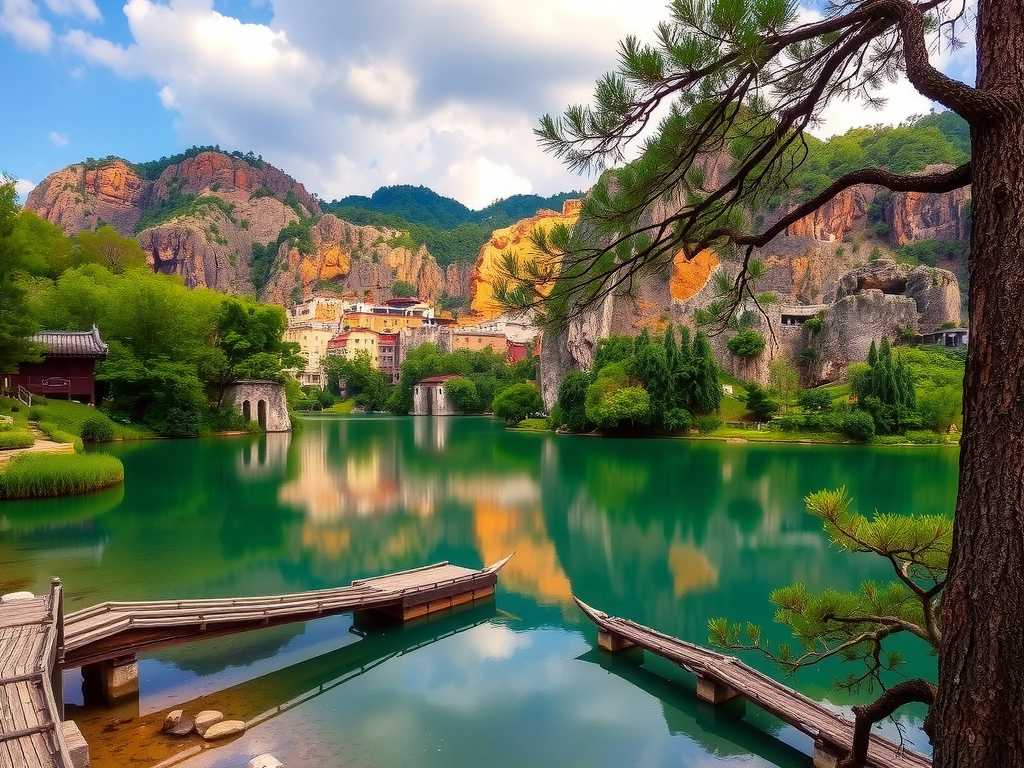
China’s vast territory encompasses an almost unimaginable range of ecosystems. From the highest plateau on Earth to some of the planet’s most spectacular karst formations, the country’s geological and climatic diversity has created a portfolio of natural masterpieces. According to a report by the China National Tourism Administration, natural scenic areas account for over 60% of the country’s protected land, highlighting their national and global significance. This isn’t just about pretty views; it’s about encountering environments that have shaped culture, history, and biodiversity for millennia. For the discerning traveler, these sites offer more than a photo opportunity—they provide a profound connection to the natural world.
Top Tier Destinations: Must-See Natural Wonders
To truly appreciate the scale of China’s offerings, we must break them down into key regions, each with its own unique character and must-visit locations.
The Surreal Karst Landscapes of Guilin and Zhangjiajie
Southern China is home to landscapes that seem lifted from a classical Chinese painting. In Guilin, the Li River winds serenely through a dreamscape of limestone pinnacles. As renowned travel writer and photographer Peter Hessler once noted, “The hills of Guilin are a geological genre unto themselves.” A cruise here is non-negotiable. Further west, Zhangjiajie National Forest Park presents a radically different karst experience. Its towering sandstone pillars, some over 1,000 meters tall, inspired the floating “Hallelujah Mountains” in the film Avatar. Walking the glass-bottomed skywalks or riding the Bailong Elevator built into the cliff face offers perspectives that defy belief.
The Majestic Peaks of Huangshan and Zhangye Danxia
For those drawn to mountains, two sites stand apart. Huangshan, or the Yellow Mountains, is the epitome of Chinese mountain scenery. Its granite peaks frequently pierce through a “sea of clouds,” with ancient, gnarled pine trees clinging to the rocks. Visiting at sunrise is a transformative experience. In stark contrast, the Zhangye Danxia Landform in Gansu province is a spectacle of color. These rainbow mountains, formed by mineral deposits and sandstone over 24 million years, look like a layered cake painted by nature. The best time to witness their fiery reds, vibrant yellows, and deep oranges is at sunset or after rainfall.
The Pristine Lakes of Jiuzhaigou and the Tibetan Plateau
The water features of China’s scenic sites are equally mesmerizing. Jiuzhaigou Valley in Sichuan is a UNESCO World Heritage Site famed for its multi-level waterfalls, colorful lakes, and snow-capped peaks. The water is so clear and mineral-rich that it reflects an astonishing palette of blues and greens. Higher up, on the Tibetan Plateau, you’ll find Qinghai Lake, China’s largest inland saltwater lake, and the sacred Yamdrok Lake. Their intense turquoise and sapphire hues set against the stark, high-altitude landscape create a sense of serene isolation and spiritual grandeur.
Planning Your Journey: A Practical Framework
Knowing where to go is only half the battle. A successful trip requires smart planning. Here is a practical framework to ensure a smooth experience.
Best Times to Visit for Optimal Experience
Timing is critical due to China’s seasonal extremes. Generally, spring (April-May) and autumn (September-October) offer the most pleasant weather and vibrant scenery—think spring blossoms or autumn foliage. Summer can be hot, humid, and crowded, though it’s ideal for high-altitude destinations like Tibet. Winter offers stark, crowd-free beauty in places like Huangshan, but some northern sites can be extremely cold and partially inaccessible. Always check regional climate patterns for your specific destinations.
Navigating Permits and Sustainable Travel Tips
Access to some pristine areas requires permits, most notably for Tibet and parts of Sichuan like Jiuzhaigou, which often require booking through a licensed tour operator. This regulation helps manage tourist impact. Embracing sustainable travel practices is not just encouraged but essential. Stay on marked trails, carry out all trash, respect local customs (especially in ethnic minority regions), and consider visiting during shoulder seasons to help disperse visitor numbers. Your mindfulness helps preserve these breathtaking natural scenic sites for future generations.
How to Capture the Perfect Photograph
The beauty of these places demands to be captured. For karst landscapes like Guilin, use a polarizing filter to enhance sky and water contrast. In Zhangjiajie, fog is common; use it to your advantage to create moody, layered shots. For the colorful mountains of Zhangye, the golden hours around sunrise and sunset are non-negotiable to capture the full intensity of the colors. A sturdy tripod is invaluable for long exposures of waterfalls in Jiuzhaigou or the starry skies over Qinghai Lake.
Beyond the View: Cultural and Ecological Significance
The value of these landscapes extends far beyond their visual appeal. They are deeply woven into China’s cultural and ecological fabric.
Local Legends and Historical Connections
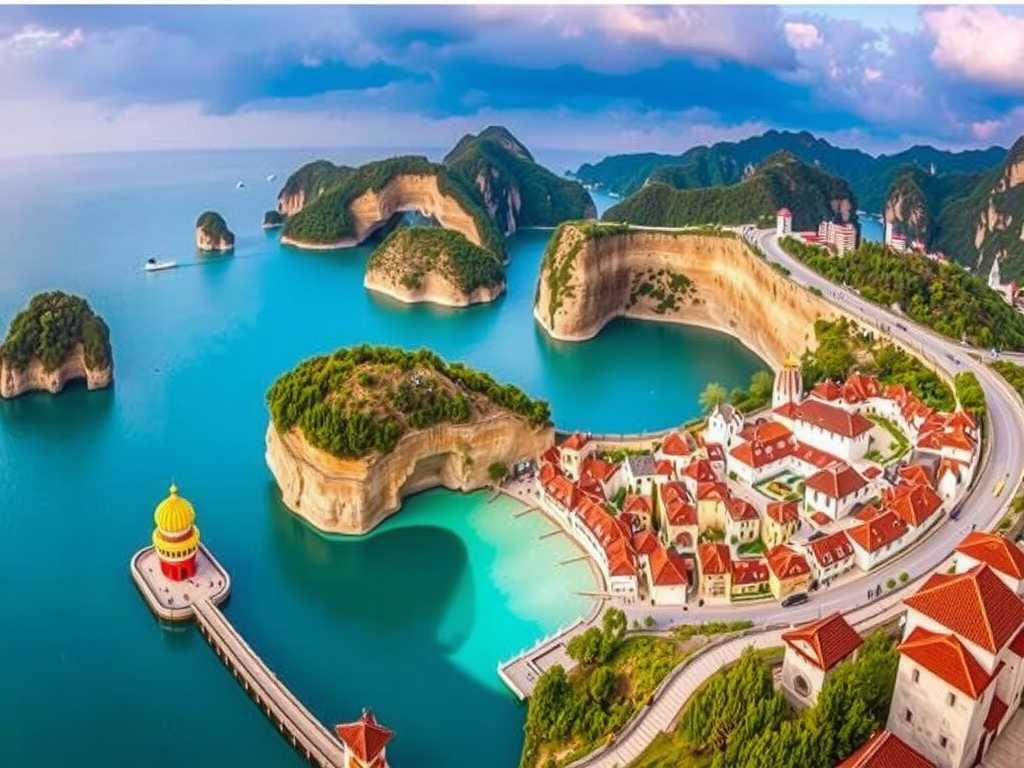
Many sites are steeped in lore. The peaks of Huangshan have inspired poets and painters for centuries. The unique formations in Zhangjiajie are often given names based on Chinese mythology. Understanding these stories, perhaps by hiring a local guide, enriches the experience from mere sightseeing to cultural immersion. You’re not just looking at a rock; you’re witnessing a figure from a thousand-year-old legend.
Conservation Efforts and Biodiversity Hotspots
These scenic areas are vital sanctuaries for wildlife. Jiuzhaigou is a refuge for giant pandas and golden snub-nosed monkeys. The wetlands around Qinghai Lake are crucial for migratory birds. China has established numerous national parks and geoparks to protect these ecosystems. By visiting responsibly, you contribute to the economic argument for their continued preservation, supporting a model where tourism and conservation can work in tandem.
Frequently Asked Questions
What is the most accessible natural scenic site for a first-time visitor to China? Guilin and the Li River are highly recommended for first-timers. The infrastructure is well-developed, with easy connections from major cities, and the scenery is iconic without being overly strenuous to access. A one or two-day cruise or bike tour offers a perfect introduction.
Are these natural sites suitable for family travel with children? Yes, but with selection and planning. Destinations like Jiuzhaigou have well-maintained boardwalks suitable for strollers. Zhangjiajie’s cable cars and elevators reduce hiking difficulty. It’s crucial to manage expectations regarding walking distances, altitude, and crowds, and choose accommodations close to park entrances.
How can I avoid the largest crowds at popular sites like Zhangjiajie or Jiuzhaigou? Two strategies are key: timing and itinerary. Visit on weekdays rather than weekends or Chinese public holidays. Arrive at the park gate right at opening time to enter ahead of the main tour groups. Secondly, consider staying inside or very near the park to access trails before day-trippers arrive, and explore lesser-known sections of the parks which are often equally beautiful.
China’s natural treasures offer a journey through some of the planet’s most dramatic and diverse scenery. From the painterly karst hills of the south to the colorful geological wonders of the west and the serene, high-altitude lakes of the plateau, each destination presents a unique chapter in the story of Earth’s beauty. With thoughtful planning, a respect for preservation, and a spirit of adventure, exploring these landscapes becomes more than a vacation—it becomes a deep, personal encounter with the natural world. Let this guide be your first step toward witnessing these unparalleled wonders yourself.



发表评论