 admin
admin China’s Cultural Scenic Attractions: Explore the Soul of an Ancient Civilization
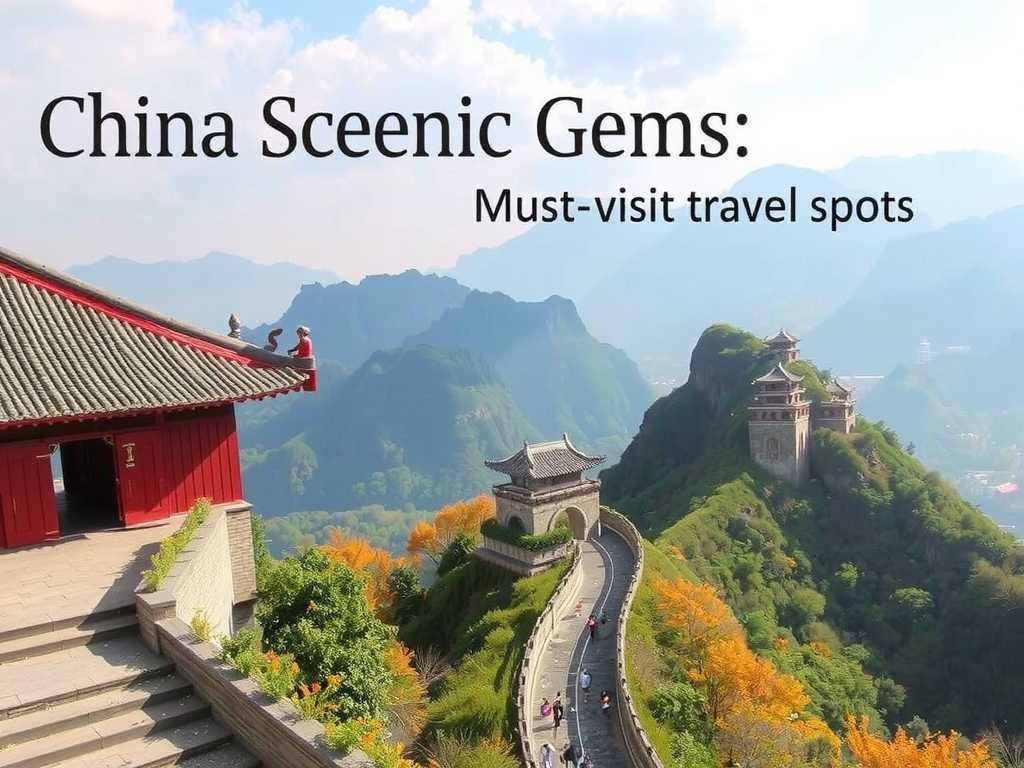
Planning a trip to China can feel overwhelming. With a landmass so vast and a history spanning millennia, how do you move beyond the well-trodden path of the Great Wall and the Forbidden City to discover the authentic soul of the nation? Many travelers seek not just a photo opportunity, but a deep, meaningful connection with a living culture. The true magic of a journey here lies in discovering its cultural scenic attractions—places where breathtaking natural beauty is inseparably woven with profound historical and spiritual significance. This guide is designed to help you explore these treasures, offering a curated path to experiences that resonate long after you return home.
Understanding the Essence of China’s Cultural Landscapes
Unlike a standard scenic spot, a cultural scenic attraction in China represents a harmonious fusion of human ingenuity and the natural world. According to Professor Li Wen of the Chinese Academy of Cultural Heritage, "These sites are physical embodiments of philosophical concepts like Taoist harmony with nature or Confucian ideals of scholarly retreat. They are not just places to see, but environments to be felt and understood." This philosophy transforms a mountain from mere geology into a sacred space, and a garden from a planted plot into a poetic canvas.
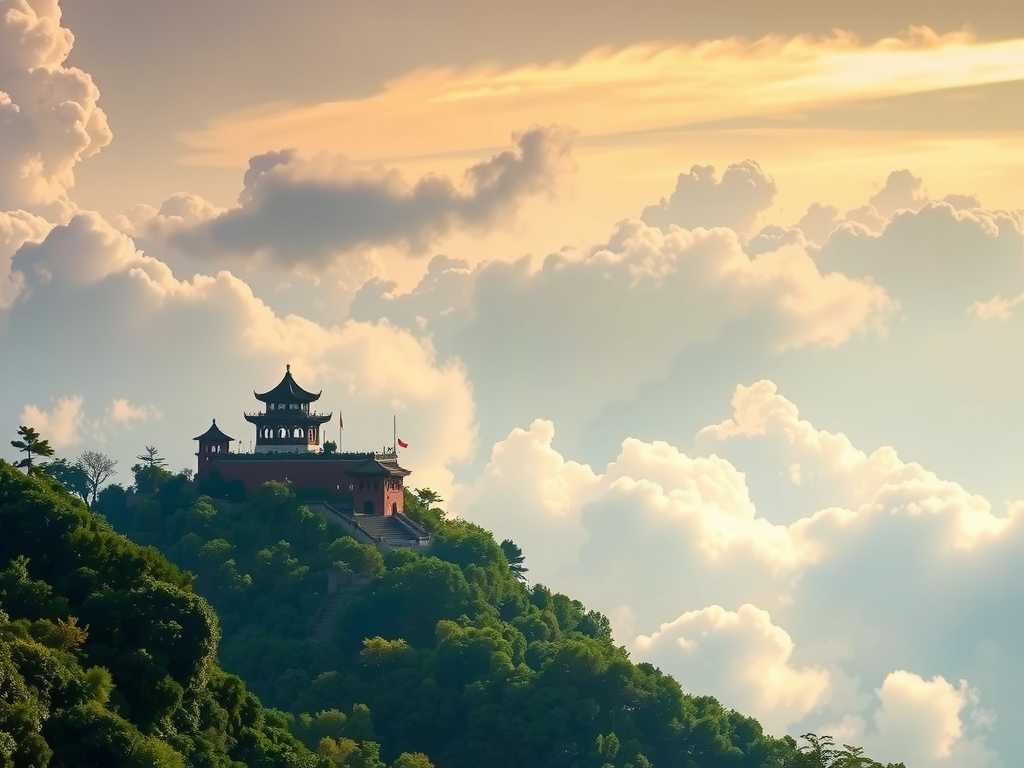
Your exploration should aim to appreciate this duality. Look for the way ancient pavilions frame a mountain peak, how a winding path is designed to reveal views sequentially like a scroll painting, or how the sound of water in a garden is carefully orchestrated. This mindful approach unlocks a deeper layer of travel, turning sightseeing into a form of cultural dialogue.
A Regional Guide to Iconic Cultural Scenic Attractions
To navigate China’s cultural geography, it’s helpful to explore by region, each offering distinct flavors of history and landscape.
The Jiangnan Water Towns: Poetic Canals and Classical Gardens
South of the Yangtze River, the Jiangnan region epitomizes a softer, lyrical side of Chinese aesthetics.
- Suzhou’s Classical Gardens: More than just beautiful backyards, these are microcosms of the universe. The Humble Administrator’s Garden and the Lingering Garden use rocks, water, plants, and pavilions to create idealized landscapes that reflect the owner’s inner world. Strolling through them is a lesson in balance, subtlety, and the art of finding vastness in a small space.
- Zhouzhuang & Tongli: These ancient water towns, often called the "Venices of the East," offer a glimpse into canal-based life. Stone bridges arch over sluggish waterways, and Ming-Qing dynasty houses line the shores. The best way to explore China’s ancient water town culture is by taking a gentle boat ride at dusk, gliding past waterside homes as lanterns begin to glow.
The Heartland of Imperial Power: Mountains and Monuments
Central and Northern China are where you’ll find the grandest scales of both architecture and terrain.
- Mount Tai (Taishan) in Shandong: More than a scenic mountain, Taishan is China’s most sacred peak, a central pillar in imperial and folk religion for 3,000 years. Emperors made pilgrimages here to legitimize their rule. The climb up the 7,000-step "Stairway to Heaven" is a physical and spiritual journey past temples, stone inscriptions, and finally, a sunrise that symbolizes renewal.
- The Longmen Grottoes near Luoyang: Where nature provides the canvas for devotion. Over centuries, artisans carved tens of thousands of Buddhist statues and inscriptions directly into the limestone cliffs of the Yi River. The sheer scale and artistry, particularly of the central Vairocana Buddha, showcase a pinnacle of Buddhist rock-cut architecture, making it a premier cultural scenic attraction for history enthusiasts.
The Southwest: Ethnic Mosaics and Terraced Peaks
Here, culture is defined by the vibrant ethnic minorities and their symbiotic relationship with the land.
- Yuanyang Rice Terraces in Yunnan: Created by the Hani people over 1,300 years ago, these are not merely farmland but a staggering work of landscape art. The terraces cascade down the slopes of the Ailao Mountains, transforming with the light and seasons. In spring, they are mirrors of the sky; in autumn, a golden tapestry. They represent a sustainable agricultural system deeply tied to Hani cosmology and social structure.
- Lijiang Ancient Town: A UNESCO site, Lijiang blends Naxi Dongba culture, Han influences, and a stunning mountain backdrop. Its cobbled lanes, crisscrossed by canals, lead to the Black Dragon Pool, where the iconic view of the Jade Dragon Snow Mountain framed by a classical pavilion perfectly captures the region’s cultural and scenic fusion.
Practical Tips for a Deeper Exploration Journey
To truly connect with these sites, move beyond the checklist approach.
- Engage with Context: Read a poem or historical anecdote about the place before you visit. Knowing that a garden was built by a retired scholar, or that a mountain path was trodden by a famous poet, enriches the experience immensely.
- Timing is Everything: Visit cultural scenic attractions during weekdays or shoulder seasons to avoid crowds. More importantly, consider the time of day—the atmosphere of a Taoist mountain temple at dawn is profoundly different from at midday.
- Seek Local Interpretation: Hire a local guide at key sites. A good guide can explain the symbolism behind garden layouts, the stories in temple murals, and the customs of local ethnic groups, providing the "why" behind the "what you see."
- Travel Slowly: Choose one or two regions to explore in depth rather than rushing across the country. This allows for serendipitous discoveries and a more relaxed pace to absorb the ambiance.
Preserving the Legacy for Future Travelers
As visitors, we have a responsibility. These sites are fragile. Adhere to all posted guidelines, avoid touching ancient carvings or murals, and dispose of waste properly. Supporting local artisans by purchasing genuine handicrafts helps sustain living cultural traditions. Remember, we are temporary guests in a continuum of history that spans thousands of years.
What are the best lesser-known cultural scenic attractions in China? Beyond the famous sites, consider Mount Wutai for its Tibetan Buddhist monasteries, the ancient forest paths of Mount Huangshan, or the Tulou (earthen roundhouses) of Fujian, which are unique communal living structures set amidst lush mountains.
How do I respectfully visit religious or spiritual sites within these attractions? Dress modestly, speak quietly, and follow any specific rules (like removing shoes or not photographing certain areas). Observe local worshippers and follow their lead. It’s a place of active practice, not just a museum.
Is it possible to explore these places independently, or are tours better? Many sites are accessible for independent travelers, especially with modern translation apps and good planning. However, for remote areas, complex historical contexts, or language barriers, a well-chosen private or small-group tour led by a specialist can significantly enhance depth and understanding.
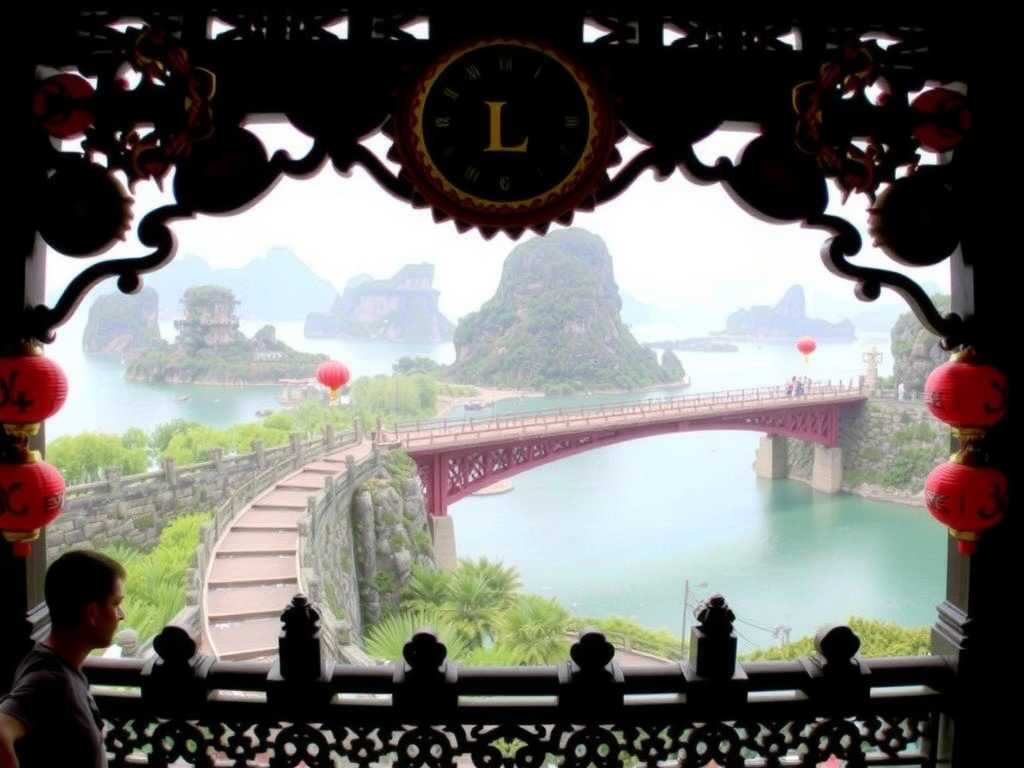
China’s cultural scenic attractions offer a journey through time, philosophy, and breathtaking artistry. They challenge us to look deeper, to see the mountain not just as rock, but as a temple; the garden not just as plants, but as philosophy. By seeking out these intersections of nature and human spirit, your travel transforms from a simple vacation into a meaningful exploration of one of the world’s most enduring and captivating civilizations. Start planning your journey to look beyond the surface and connect with the true heart of the Middle Kingdom.
发表评论