 admin
admin Top China Scenic Trips: Unforgettable Experiences for Every Traveler

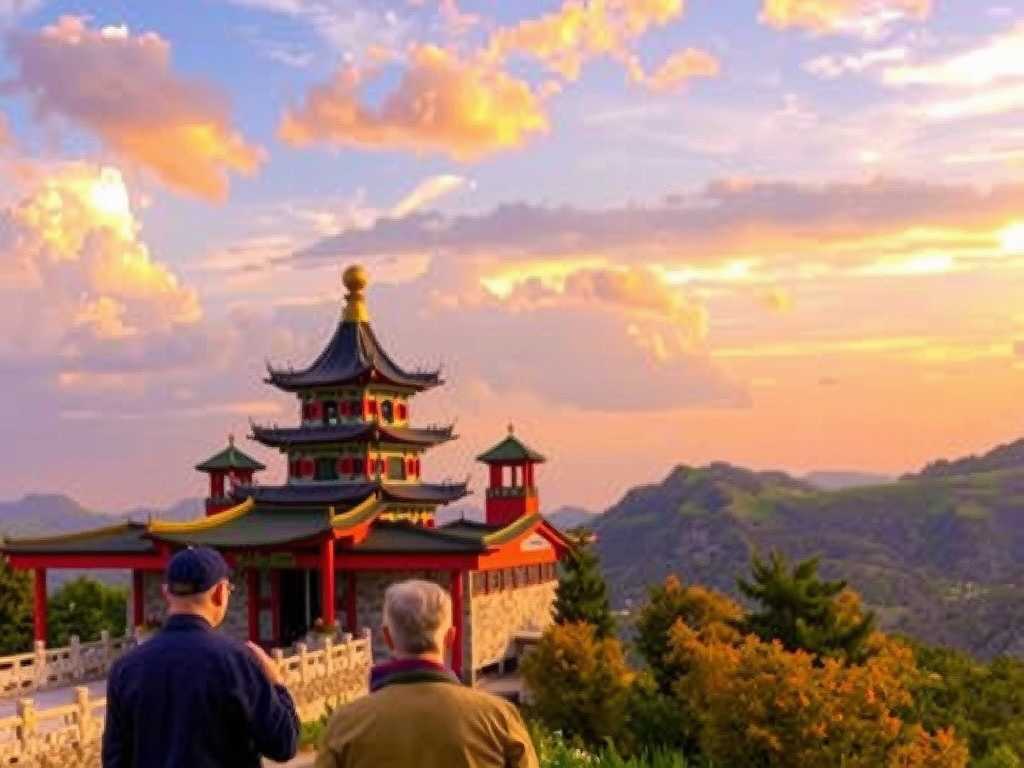
Planning a journey to China can feel overwhelming. With a landmass rivaling a continent and millennia of history, how do you choose where to go? The fear of missing out on truly breathtaking scenery is real. Many itineraries stick to well-trodden city paths, leaving the country's most spectacular natural and cultural landscapes unexplored. This guide is crafted to solve that. We dive deep into the most scenic trips across China, offering unforgettable experiences that blend awe-inspiring vistas with profound cultural immersion. Forget the checklist tourism; here, we focus on journeys that will stay with you long after you return home.
The key to an unforgettable China scenic trip lies in diversity. From the jagged karst peaks of the south to the vast grasslands of the north, each region offers a unique masterpiece. According to a recent report by the China Tourism Academy, over 70% of international visitors cite "experiencing unique natural scenery" as their primary motivation for visiting. This isn't just about sightseeing; it's about connecting with landscapes that have inspired poets and painters for centuries.

Navigating China's Geographic Marvels
To truly appreciate China's scenic diversity, it helps to understand its three-step topographic ladder descending from west to east. This geography creates dramatic contrasts within a single trip.
The Roof of the World: Tibetan Plateau Adventures A journey to Tibet is more than a trip; it's a pilgrimage into high-altitude splendor. The iconic Potala Palace in Lhasa is your cultural gateway, but the real scenic magic unfolds on the road. The friendship highway to Everest Base Camp offers staggering views of the Himalayas, with peaks like Shishapangma and, of course, Mount Everest itself piercing the sky. For a truly unforgettable experience, visit Yamdrok Lake, a turquoise jewel set against barren mountains. Travel expert Dr. Li Wen notes, "The landscapes of Tibet challenge your perspective. The sheer scale and purity of the environment create a sense of awe that is increasingly rare in the modern world." Remember to acclimatize properly in Lhasa before venturing higher.
The Southwest: Karst Forests and Terraced Hills Guilin and Yangshuo in Guangxi province are the poster children for China's scenic beauty for a reason. The Li River cruise from Guilin to Yangshuo is a journey through a living Chinese painting, where limestone karst peaks shrouded in mist rise vertically from the riverbanks. For active travelers, cycling through the Yulong River valley offers intimate access to rice paddies and rural life. Venture further to Longji Rice Terraces, where generations of Zhuang and Yao people have sculpted entire mountains into cascading ribbons of water and green. The best times for this scenic trip are spring (water-filled terraces) and autumn (golden harvest).
The Northwest: Deserts, Dunes, and Colorful Mountains This region redefines the color palette of nature. Start with the Rainbow Mountains of Zhangye Danxia. These geological wonders feature striated hills in vibrant reds, yellows, and greens, best viewed at sunset when the colors glow. Then, experience the silence of the desert at the Singing Sand Dunes and Crescent Moon Lake near Dunhuang. A camel trek at dusk here is unforgettable. Finally, the Jiayuguan Pass marks the western end of the Great Wall, standing solemnly against a backdrop of the stark Qilian Mountains. This trip combines geological wonder with profound historical resonance along the ancient Silk Road.
Cultural Journeys Through Scenic Landscapes
Some of China's most scenic trips are where human ingenuity meets natural beauty, creating harmonious landscapes that tell a story.
The Yangtze River: A Voyage Through the Three Gorges A cruise on the Yangtze River, Asia's longest, takes you through the heart of China. The highlight is sailing through the Three Gorges—Qutang, Wu, and Xiling. These towering cliffs have inspired countless legends. Modern engineering marvels are also part of the scenery; the massive Three Gorges Dam is a sight that prompts reflection on humanity's relationship with nature. Shore excursions to lesser-known temples and the Shennong Stream add cultural depth. Opt for a smaller, heritage-focused cruise ship for a more intimate and educational experience.
The Yellow Mountain (Huangshan): A Peak Experience Huangshan is the quintessential Chinese mountain, famed for its granite peaks, hot springs, sea of clouds, and peculiarly shaped pine trees. It's a landscape so iconic it has influenced Chinese art for centuries. A hike here is challenging but rewarding. Spend a night at the summit to witness both sunset and sunrise over the cloud-shrouded peaks. The nearby ancient villages of Hongcun and Xidi, with their misty ponds and Hui-style architecture, offer a perfect, serene counterpoint to the mountain's grandeur. This combination makes for a perfectly balanced scenic and cultural trip.
The Water Towns of the Yangtze Delta For a gentler, lyrical scenic experience, the ancient water towns like Zhouzhuang, Tongli, or Wuzhen offer a glimpse into China's canal-based culture. Glide along quiet canals on a wooden boat, passing under stone bridges and alongside whitewashed houses with black-tiled roofs. It's a living scene of tranquility. Visit in the early morning to see the towns without the crowds, when the light is soft and the waterways are calm. These towns showcase how scenery and daily life have been intertwined for centuries.
Off-the-Beaten-Path Scenic Wonders
For those seeking solitude and raw beauty, China holds secret gems far from the main tourist circuits.
The Heavenly Lake of Tianshan, Xinjiang Nestled high in the Tianshan mountain range, this alpine lake appears like a sapphire set among snow-capped peaks and spruce forests. The journey from Urumqi itself is scenic, passing through Kazakh yurt camps. The air is crisp, and the water is a stunning, deep blue. It's a slice of Central Asian landscape within China's borders, offering a completely different cultural and visual experience.
The Yuanyang Rice Terraces, Yunnan While Longji is famous, the Yuanyang terraces in Yunnan are arguably more dramatic. Carved into the slopes of the Ailao Mountains by the Hani people over 1,300 years, they create breathtaking geometric patterns across vast areas. At sunrise, the flooded terraces reflect the sky like a giant mosaic of mirrors. The interplay of light, cloud, and water is a photographer's dream and a testament to sustainable human-landscape interaction.
The Kanas Lake Nature Reserve, Northern Xinjiang Dubbed "the Switzerland of China," Kanas Lake is known for its mysterious "lake monster" legend and its stunning boreal scenery. Emerald waters are surrounded by dense taiga forests, alpine meadows, and villages of the Tuva ethnic group. Autumn is particularly spectacular when the larch trees turn a brilliant gold. It's a remote, pristine destination for hiking, photography, and connecting with ethnic cultures.
What is the best time of year for scenic trips in China? Spring (April-May) and Autumn (September-October) are generally ideal nationwide, offering mild weather and beautiful natural colors (spring blossoms, autumn foliage). However, specific destinations have unique best times: summer for Tibet and northern grasslands, winter for seeing the snow-capped Huangshan or the ice festival in Harbin.
How should I balance scenic spots with cities in my itinerary? A successful trip often pairs a major city (like Beijing, Shanghai, or Xi'an) with 1-2 contrasting scenic regions. For example, combine Beijing's history with the grasslands of Inner Mongolia, or Shanghai's modernity with the water towns and Huangshan. This provides a holistic view of China's complexity.
Are these scenic destinations accessible for independent travel, or do I need a tour? Major scenic areas like Guilin, Zhangye, and Huangshan are well-developed for independent travel with good transport and hotel options. However, remote regions like Tibet, parts of Xinjiang, and deep countryside areas often require special permits or have limited transport, making organized tours or private guides a more practical and enriching choice for navigation and cultural insight.
China's vastness holds a scenic trip for every type of traveler, from the serene to the sublime. The true unforgettable experience lies not just in witnessing these landscapes but in understanding their deep connection to the culture and people. Whether you find peace on a misty mountain, wonder in a desert oasis, or inspiration in a terraced field, these journeys offer more than photos—they offer perspective. Start planning not just a visit, but an immersion into the world's most enduring landscapes.

发表评论