 admin
admin Scenic Wonders: Top Attractions in China
Planning a trip to China can feel overwhelming. With a landmass so vast and a history spanning millennia, how do you possibly choose where to go? You want to experience the iconic sights, but also crave authentic beauty beyond the postcards. This guide cuts through the noise, presenting a curated journey through China’s most breathtaking scenic wonders. We’ll move from ancient man-made marvels to landscapes that seem sculpted by the gods themselves, ensuring your itinerary captures the profound diversity and soul of this incredible country.
The Great Wall: A Dragon Across Mountains
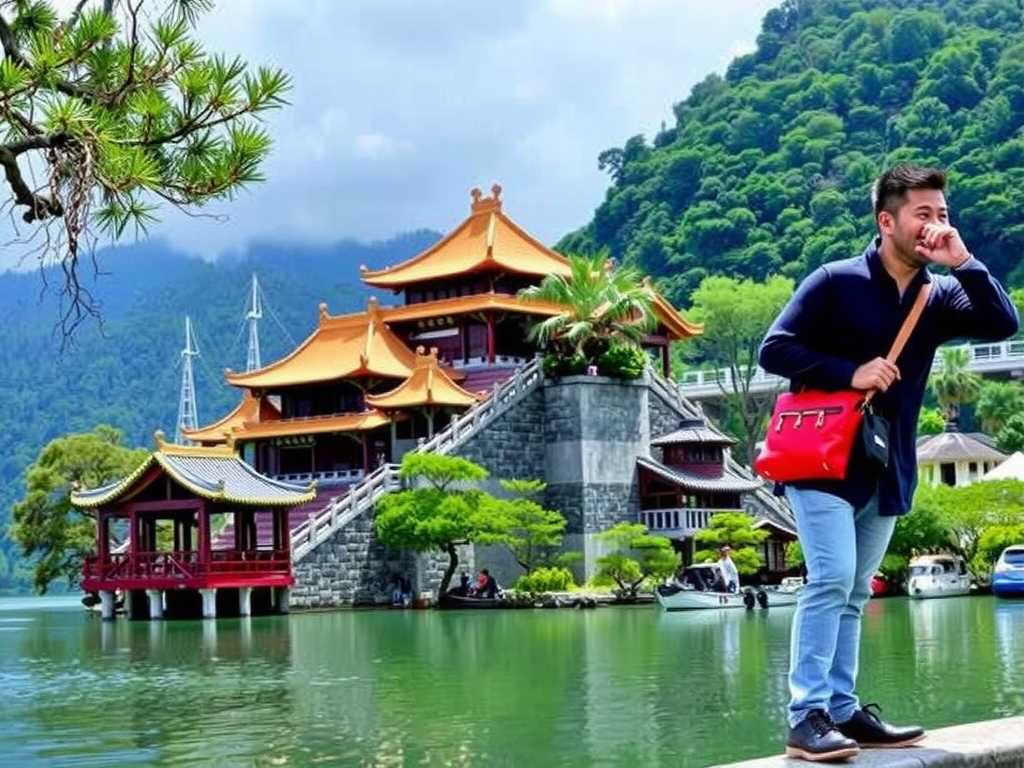
No list of China’s scenic wonders is complete without the Great Wall. Stretching over 13,000 miles, it is not just a wall but a symbol of perseverance. The most visited and restored section is Badaling, easily accessible from Beijing and offering magnificent, panoramic views. For a less crowded but equally stunning experience, head to Mutianyu. Here, you can hike along beautifully preserved battlements surrounded by dense forests and even take a thrilling toboggan ride down. For the adventurous, Jiankou offers a wild, unrestored section known for its steep climbs and dramatic, photogenic ruins—a true testament to the wall’s original, rugged character.
The Li River & Karst Peaks of Guilin
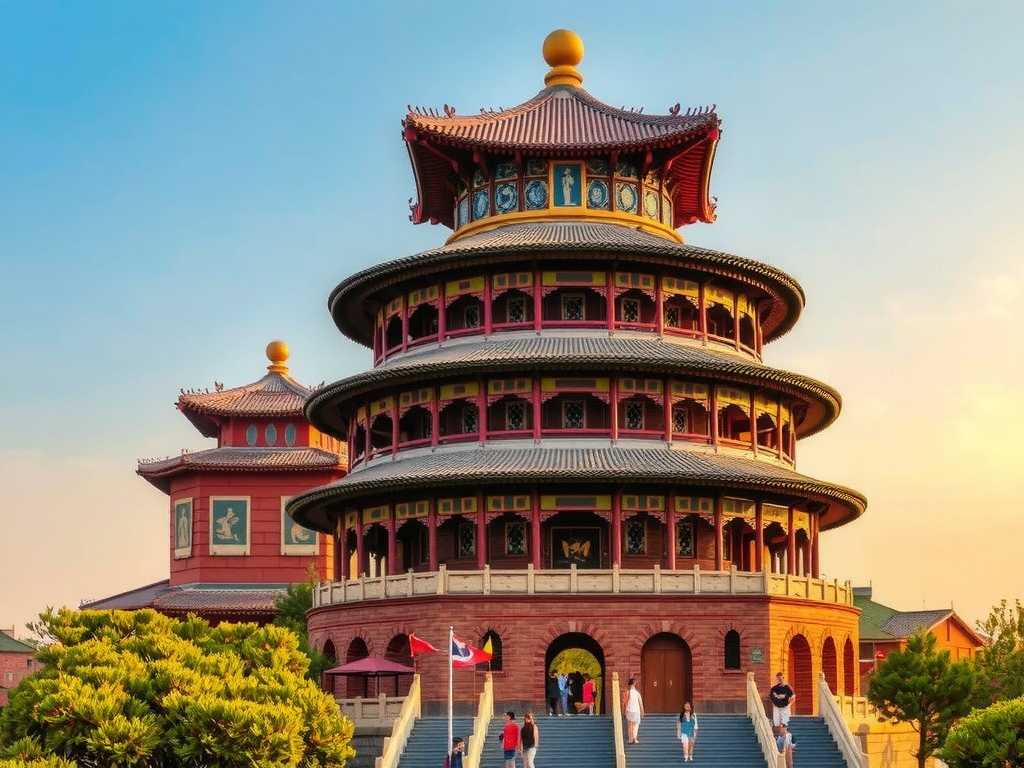
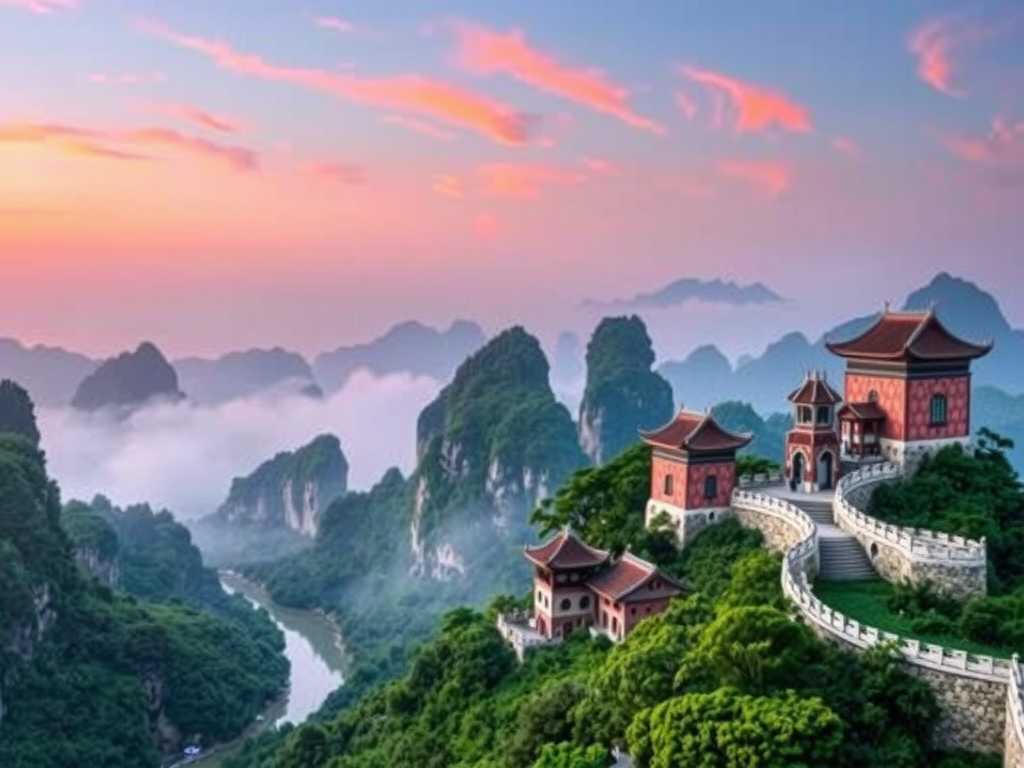
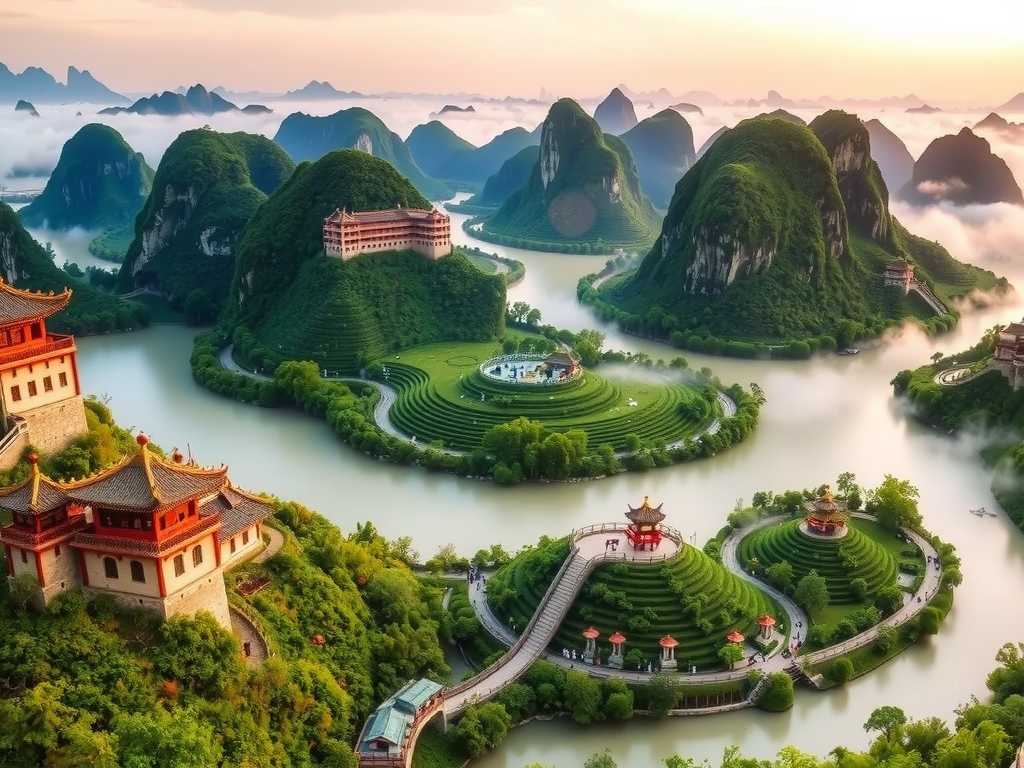
The landscape of Guilin and Yangshuo is the very image of classical Chinese painting come to life. The Li River cruise from Guilin to Yangshuo is the quintessential way to experience this. As you drift down the serene, jade-green water, you’ll pass endless peaks of surreal karst topography shrouded in mist—a scene immortalized on the 20 RMB note. For an active immersion, rent a bamboo raft on the Yulong River, cycle through patchwork fields dotted with limestone hills, or hike up to the Xianggong Mountain viewpoint for a sunrise that paints the entire river valley in gold.
The Terracotta Army: An Underground Empire
Discovered by farmers in 1974, the Terracotta Army in Xi’an is one of the greatest archaeological finds of the 20th century. This vast subterranean necropolis guards the tomb of China’s first emperor, Qin Shi Huang. Standing in Pit 1, facing thousands of life-sized soldiers, each with unique facial features, hairstyles, and armor, is an awe-inspiring experience. According to Dr. Zhang Weixing, a leading archaeologist involved with the site, “The level of craftsmanship and organization reveals not just a fear of the emperor, but a highly sophisticated society with advanced art, technology, and military structure.” It’s a powerful, silent army that speaks volumes about ancient ambition and belief.
The Potala Palace: A Summit of Faith
Towering over the city of Lhasa at 12,000 feet, the Potala Palace is an architectural marvel and the spiritual heart of Tibetan Buddhism. This massive fortress-palace, with its iconic white and red walls, seems to grow organically from the Red Hill. Once the winter residence of the Dalai Lamas, its interior is a labyrinth of over 1,000 rooms, chapels, and stupas filled with priceless treasures, intricate murals, and countless statues. The climb up the long stairway is a physical and symbolic journey, offering breathtaking views of the Lhasa valley and a profound sense of peace and majesty.
Zhangjiajie’s Avatar Mountains
The towering, quartz-sandstone pillars of Zhangjiajie National Forest Park look like they belong on another planet. These majestic formations, some over 1,000 meters tall, inspired the floating “Hallelujah Mountains” in the film Avatar. Explore the park via its dizzying glass-bottomed Zhangjiajie Grand Canyon Bridge, ride the Bailong Elevator (the world’s tallest outdoor lift) carved into a cliff face, or walk the thrilling Glass Walkway clinging to the side of a precipice. The ever-shifting mists that weave through the pillars create a constantly changing, mystical landscape.
The Forbidden City & Imperial Beijing
At the very center of Beijing lies the Forbidden City, the world’s largest and best-preserved ancient wooden palace complex. For 500 years, it was the exclusive domain of emperors. Walking through its series of grand gates, courtyards, and magnificent halls like the Hall of Supreme Harmony, you tread the same stones as Ming and Qing dynasty rulers. Its precise symmetry, vibrant yellow-glazed roofs, and intricate details embody imperial authority and cosmological principles. Pair this with a visit to the Temple of Heaven, where emperors performed sacred rituals, to fully grasp the celestial mandate of ancient Chinese power.
Jiuzhaigou Valley: A Palette of Alpine Colors
Jiuzhaigou Valley, a UNESCO World Heritage site in Sichuan province, is a fairy-tale landscape of multi-colored lakes, cascading waterfalls, and snow-capped peaks. The water, incredibly clear and tinted vivid turquoise, blue, and green by mineral deposits and reflected foliage, is its defining wonder. Key sights include Five-Flower Lake (Wuhua Hai), where submerged ancient tree trunks are visible on the crystal floor, and Pearl Shoal Waterfall, a wide, curtain-like cascade. Visiting in autumn, when the surrounding forests explode in reds and golds, is considered peak season for a reason—the contrast with the blue waters is utterly spectacular.
West Lake: Poetic Serenity in Hangzhou
West Lake in Hangzhou represents the refined, poetic ideal of Chinese garden landscape design. As the saying goes, “Above there is heaven, below there are Suzhou and Hangzhou.” This is not a landscape of dramatic thrills, but of subtle, curated beauty meant for contemplation. Stroll or bike along its causeways, visit pagodas on surrounding hills, and take a boat to its little islands. Each season offers a different charm: spring blossoms, summer lotus flowers, autumn moonlight, and winter snow. It’s a scenic wonder that has inspired poets and artists for centuries and offers a peaceful respite from urban life.
Mount Huangshan: The Legendary Yellow Mountains
Mount Huangshan (the Yellow Mountains) is the ultimate embodiment of the classic Chinese “shan shui” (mountain-water) painting. Its iconic features are granite peaks piercing through a “sea of clouds,” uniquely shaped Huangshan pine trees clinging to rocks, and hot springs. The experience is about the hike and the ever-changing vistas. Key spots include Beginning-to-Believe Peak, Flying Over Rock, and the Bright Summit for sunrise. A 2019 report by the China Tourism Academy noted that over 65% of visitors cite the “cloud sea” phenomenon as their primary reason for visiting, highlighting its status as a must-see natural spectacle.
The Rainbow Mountains of Zhangye
The Zhangye Danxia Landform Geological Park looks like a layered cake painted by a giant. These “rainbow mountains” are the result of over 24 million years of mineral deposits and tectonic shifts, creating stripes of red, yellow, orange, and green across rolling hills. The colors are most vibrant after rainfall or at sunset when the low angle of the sun intensifies the hues. Walking along the boardwalks through this otherworldly terrain feels like exploring Mars. It’s a powerful reminder of the artistic force of geological time.
What is the best time of year to visit China for these scenic spots? Spring (April-May) and Autumn (September-October) are generally ideal nationwide, offering mild weather and beautiful natural scenery. However, consider regional variations: summer is perfect for Tibet and high-altitude areas like Jiuzhaigou, while winter offers stunning snowscapes on the Great Wall and Huangshan with fewer crowds.
How many days should I budget to see China’s top attractions? A focused trip covering 3-4 major regions (e.g., Beijing-Xi’an-Shanghai-Guilin) requires a minimum of 10-14 days. To include more remote wonders like Tibet or Zhangjiajie at a comfortable pace, consider 18-21 days. Internal flights or high-speed train travel are efficient but require time allocation.
Is it difficult for foreign tourists to travel independently in China? Major cities and tourist sites are increasingly foreigner-friendly with improved signage and translation apps. However, language barriers persist in remote areas, and independent travel requires careful planning for visas, online bookings (which often require Chinese payment methods), and navigation. Many opt for guided tours or private drivers for logistical ease, especially for complex itineraries.
From the stone soldiers buried for millennia to the rainbow-colored hills shaped by eons, China’s scenic wonders offer a journey through both human history and planetary artistry. Each destination provides a unique lens into the country’s soul—its imperial ambitions, spiritual depth, poetic sensibilities, and raw natural power. By venturing beyond a single city, you weave these disparate threads into a rich, unforgettable tapestry of experience. Start planning not just a trip, but a pilgrimage to these places that have defined a civilization and continue to inspire awe in every visitor.
发表评论