 admin
admin China’s Scenic Marvels: Your Ultimate Travel Inspiration
Planning a trip to China can feel overwhelming. With a landmass rivaling a continent and thousands of years of history, where do you even begin? The common pain point isn't a lack of destinations, but an abundance of them, leading to decision paralysis. You want more than just a checklist; you seek profound experiences, breathtaking landscapes, and cultural immersion that feels both authentic and awe-inspiring. This guide is designed to cut through the noise, offering structured travel inspiration by exploring China’s most spectacular scenic marvels, categorized to match your travel style and ignite your wanderlust.
Unveiling the Geographical Tapestry of China
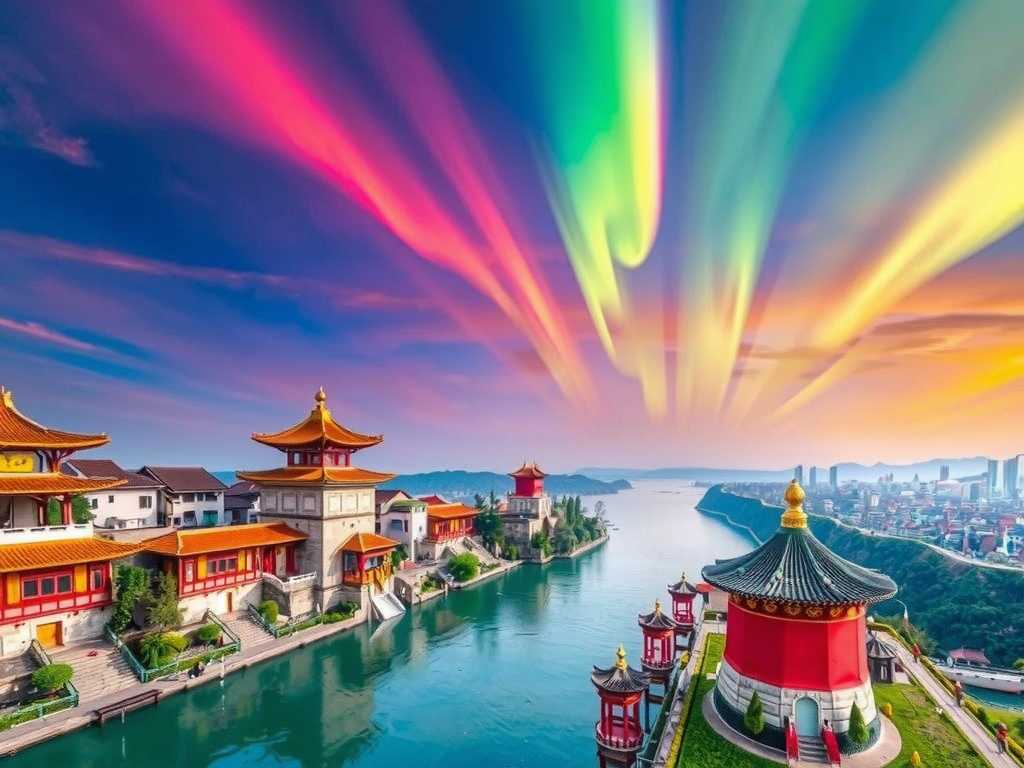
China’s vast territory is a masterpiece of geographical diversity. From the roof of the world to sculpted karst forests and surreal desert landscapes, understanding these regions is the first step to planning your journey.
The Majestic Heights: Tibet and the Himalayas The Tibetan Plateau, often called the "Third Pole," offers a travel experience like no other. The spiritual and scenic epicenter is, without doubt, the Potala Palace in Lhasa. This monumental fortress-palace, a UNESCO World Heritage site, is not just an architectural wonder but a living museum of Tibetan Buddhism. As travel historian Dr. Liam Chen notes in his research, "The Potala Palace's integration into the rocky ridge of Marpo Ri mountain is a profound statement of harmony between human endeavor and nature, a theme central to understanding this region." Beyond Lhasa, the Mount Everest Base Camp (North Face) in Tibet presents a humbling encounter with the planet’s highest peak. The journey there, passing turquoise lakes like Yamdrok and ancient monasteries, is as impactful as the destination itself.
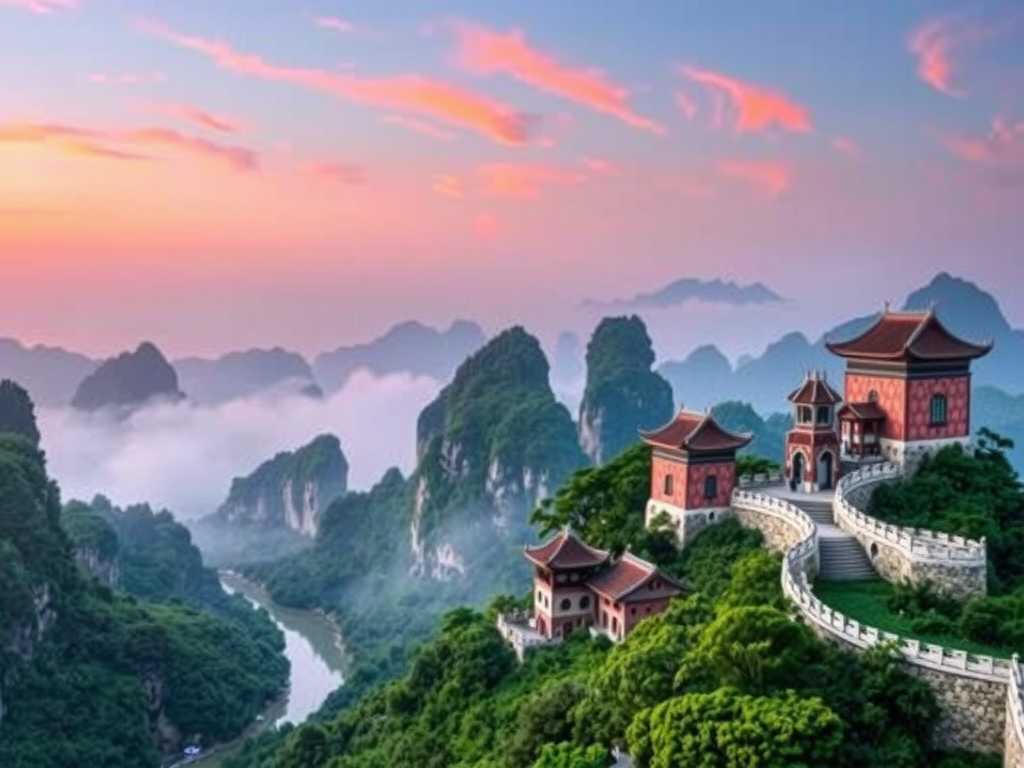
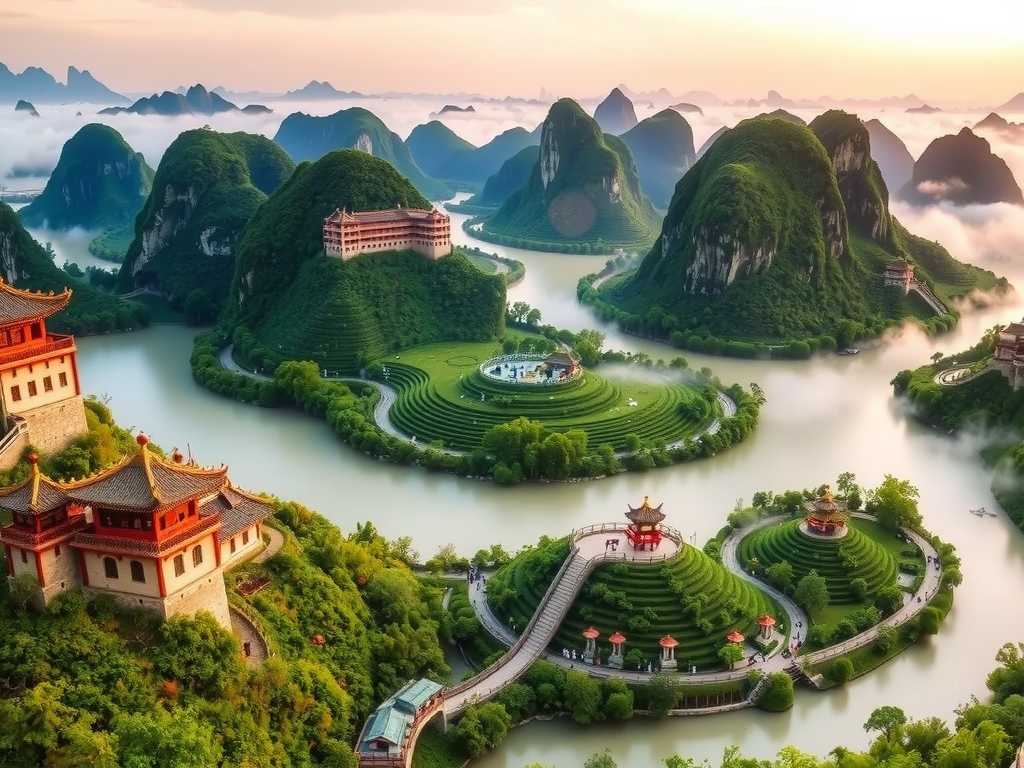
The Ethereal Karst Landscapes: Guilin and Yangshuo If you’ve ever seen a classical Chinese painting of misty, pinnacle-shaped mountains rising from serene rivers, you’ve glimpsed the Guilin and Yangshuo region. This is the quintessential image of China’s scenic beauty. A Li River cruise from Guilin to Yangshuo is the premier way to absorb this panorama. The 83-kilometer journey unfolds like a scroll painting, with landmarks like Elephant Trunk Hill and Nine Horses Fresco Hill. For active inspiration, cycling through Yangshuo’s countryside, weaving past rice paddies and bizarre karst towers, provides an intimate connection with the landscape. The Longji Rice Terraces, a few hours north, add another layer of awe, showcasing how human cultivation can enhance natural beauty in stunning, ribbon-like patterns across mountain slopes.
The Otherworldly Deserts: Dunhuang and the Silk Road For inspiration drawn from history and stark, powerful beauty, the deserts of China’s northwest are unparalleled. The Mogao Caves near Dunhuang are a sanctuary of Buddhist art preserved for millennia by the dry desert air. Housing countless statues and exquisite murals, they represent a cultural crossroads of the ancient Silk Road. Just outside Dunhuang, the Singing Sand Dunes and Crescent Moon Lake present a miraculous natural phenomenon—a lush, spring-fed oasis nestled between towering golden dunes. Further into the Gobi Desert, the Zhangye Danxia National Geological Park looks like a palette spilled from the sky. Its rainbow-colored, striped mountains, formed by mineral deposits and seismic activity, offer some of the most unique and photogenic landscapes in all of China.
Cultural Landscapes That Define a Civilization
Some of China’s scenic marvels are inseparable from human history and ingenuity. These are not just places to see, but places to feel the weight and triumph of centuries.
The Great Wall: A Serpentine Marvel Across Mountains No list of China’s scenic marvels is complete without the Great Wall. To avoid the crowds and find both inspiration and tranquility, venture beyond the Badaling section. The Jinshanling to Simatai hike offers a partially restored to wild experience, with watchtowers clinging to dramatic, rolling mountain ridges. It provides the iconic, postcard-perfect views in a more immersive setting. For a rugged, completely unrestored experience, Jiankou Wall, known for its steep, photogenic "Arrow Nock" section, attracts adventurers and photographers seeking its raw, crumbling majesty against a backdrop of dense forest.
The Water Towns of the Yangtze Delta: Zhouzhuang and Tongli South of the Yangtze River, a network of ancient canals, stone bridges, and whitewashed houses with black-tiled roofs offers a softer, poetic form of inspiration. Towns like Zhouzhuang and Tongli are living postcards of Ming and Qing dynasty waterborne life. Gliding through their narrow canals on a hand-rowed boat, passing under centuries-old stone arches, feels like traveling back in time. These towns are best experienced by staying overnight, allowing you to witness the serene atmosphere after the day-trippers have left.
The Sacred Mountains: Huangshan and Zhangjiajie In Chinese tradition, certain mountains are imbued with deep spiritual significance. Huangshan (the Yellow Mountains) is the most celebrated. Its scenery of granite peaks piercing through a "sea of clouds," gnarled pine trees clinging to rocks, and hot springs has inspired poets and artists for over a millennium. A sunrise from one of its summits is a truly transcendent experience. In contrast, Zhangjiajie National Forest Park in Hunan province offers a landscape so fantastical it inspired the floating Hallelujah Mountains in the film Avatar. Thousands of towering quartz-sandstone pillars, shrouded in mist and draped with greenery, create a labyrinthine forest of stone that can be explored via cliff-hugging walkways and glass-bottomed bridges.
Practical Travel Inspiration: Crafting Your Journey
Finding inspiration is one thing; turning it into an itinerary is another. Here’s how to approach planning your trip to China’s scenic marvels.
Best Times to Visit for Optimal Scenery Timing is crucial to witness these marvels at their best. Generally, spring (April-May) and autumn (September-October) offer the most temperate and stable weather nationwide, with comfortable temperatures and clear skies. This is ideal for visiting the Great Wall, Guilin, and the water towns. For Tibet and high-altitude areas, late spring to early autumn is safest to avoid extreme cold. The rainbow mountains of Zhangye are most vibrant after rain, which is more frequent in summer. Huangshan’s famous sea of clouds is most prevalent in winter and spring.
Navigating Logistics and Sustainable Travel China’s high-speed rail network is a marvel in itself, efficiently connecting major hubs. For remote areas like Jiuzhaigou or parts of Tibet, domestic flights are essential. Always check if your desired destination requires a special permit (like Tibet), and arrange this well in advance through a licensed travel agency. As you seek inspiration from these fragile ecosystems and cultural sites, practice sustainable travel. Stay on marked paths, carry out all trash, use refillable water bottles, and respect local customs and religious sites. Your mindful presence helps preserve these wonders for future generations.
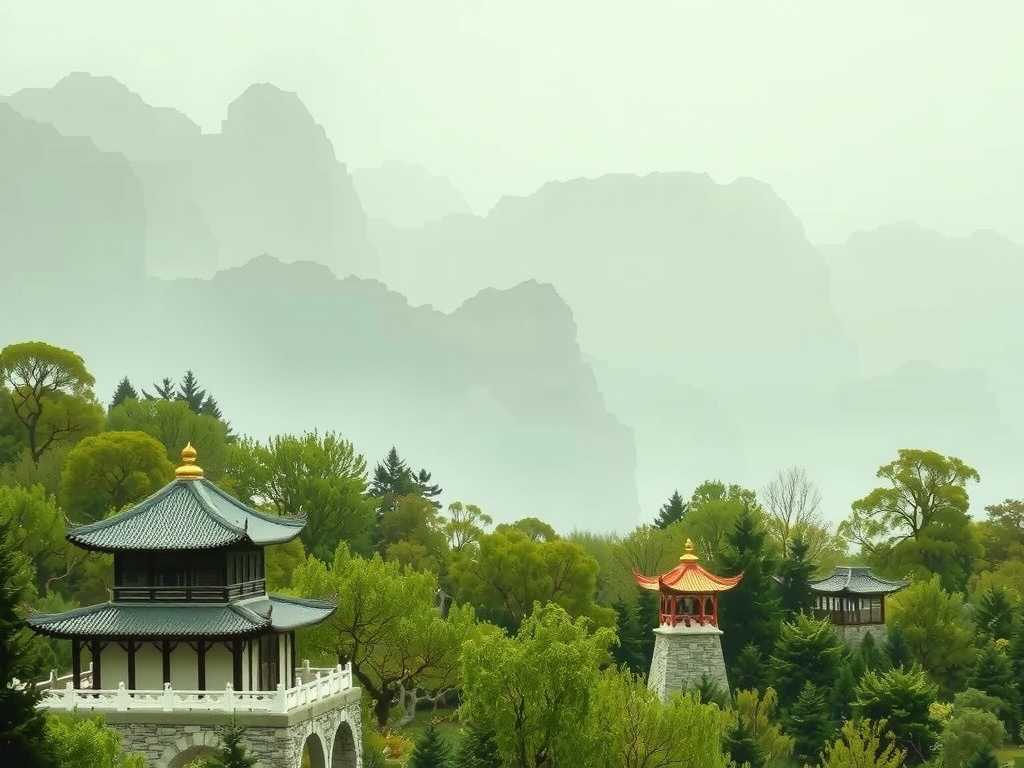
What is the single most breathtaking natural scenery in China? While subjective, Zhangjiajie National Forest Park consistently ranks highest for its utterly unique and surreal landscape. The sheer density and form of its sandstone pillars, often shrouded in mist, create a visual experience unlike any other on Earth, making it a top contender for the most breathtaking single vista.
I have limited time (7-10 days). What’s the most efficient scenic route? Focus on one region. A highly efficient and visually stunning route is the Shanghai-Suzhou-Hangzhou-Huangshan circuit. Start with the modern marvels of Shanghai, experience the classical gardens and water towns of Suzhou, enjoy the poetic West Lake in Hangzhou, and culminate with the majestic peaks of Huangshan. This route offers immense cultural and scenic variety with excellent high-speed rail connections.
Are these scenic areas suitable for family travel with children? Absolutely, with careful selection. The Li River cruise in Guilin is gentle and captivating for all ages. The water towns like Tongli are flat and easy to explore, with boat rides that children love. Sections of the Great Wall like Mutianyu offer a cable car and toboggan slide, making it accessible and fun. For older children, the Avatar mountains in Zhangjiajie and the rainbow peaks of Zhangye are visually stunning and unforgettable. Always prioritize manageable walking distances and check for family-friendly facilities.
发表评论