 admin
admin China’s Must-See Scenic Destinations List: Your Ultimate Travel Guide

Planning a trip to China can feel overwhelming. With a landmass rivaling a continent and thousands of years of history, how do you even begin to choose where to go? You’re searching for that perfect blend of breathtaking natural beauty, profound cultural heritage, and unforgettable experiences. This definitive China’s must-see scenic destinations list is crafted to solve that exact problem. We’ve distilled the vastness of China into a curated selection of iconic and lesser-known gems, providing you with a clear, authoritative guide to planning the journey of a lifetime.
From the ancient wonders sculpted by dynasties past to the dramatic landscapes shaped by nature over eons, this guide covers the essential spots that define China’s scenic splendor.
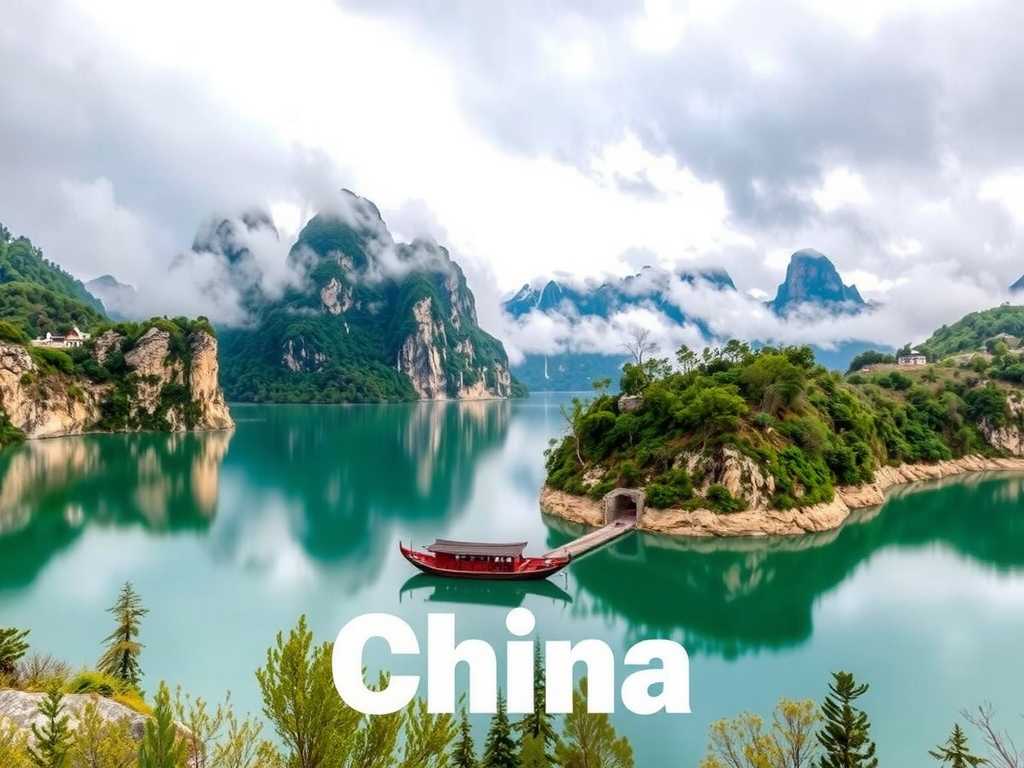
The Iconic Wonders: China’s World-Famous Landmarks
No first-time visit to China is complete without witnessing its most legendary sites. These destinations are famous for a reason, offering awe-inspiring scale and deep historical significance.
The Great Wall of China Stretching over 13,000 miles, the Great Wall is an undeniable feat of human engineering. While the Badaling section is most visited, consider Mutianyu for its stunning forested views and cable car access, or Jinshanling for a more rugged, photogenic hike. The best times to visit are spring (April-May) and autumn (September-October) for pleasant weather.
The Terracotta Army in Xi’an Discovered in 1974, this subterranean army of over 8,000 life-sized soldiers guards the tomb of China’s first emperor, Qin Shi Huang. Each figure is uniquely detailed, offering a mesmerizing window into the past. Allocate at least half a day to fully appreciate the scale of the three main excavation pits and the accompanying museum.
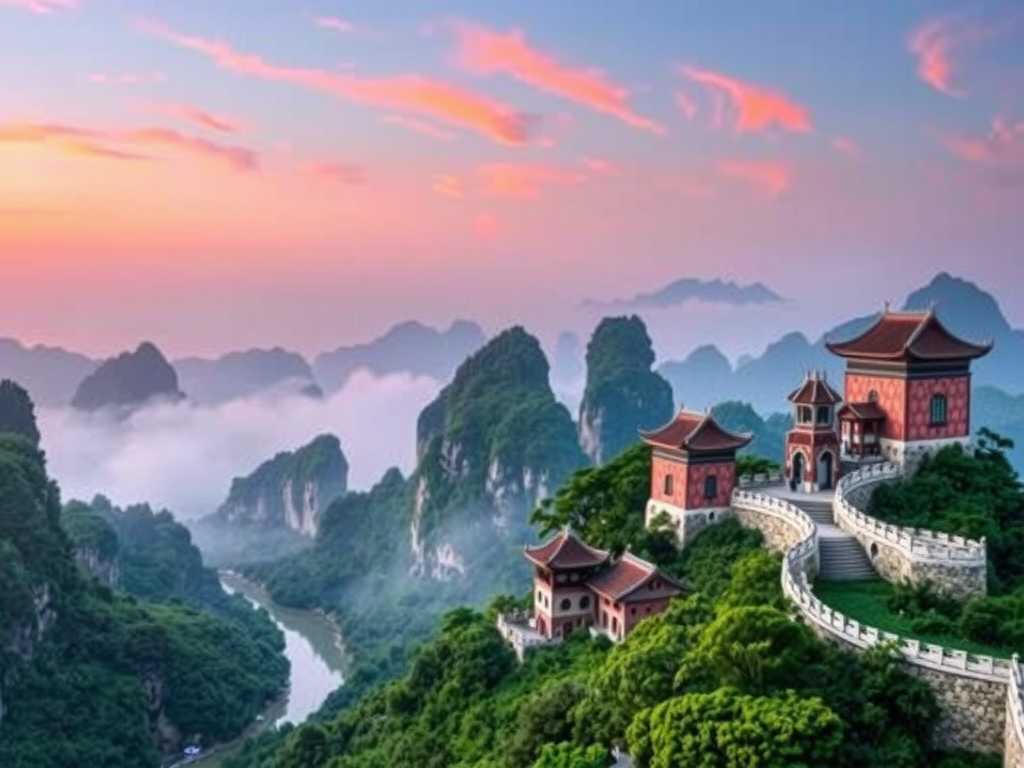
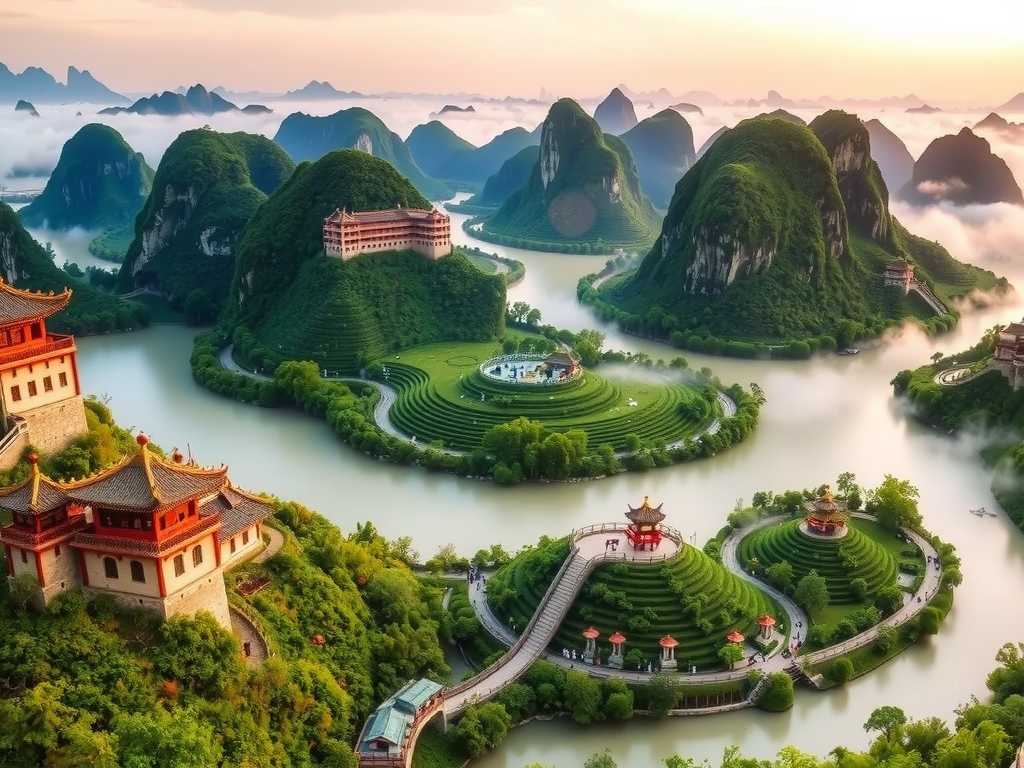
The Li River & Karst Mountains of Guilin The painterly landscape of Guilin and Yangshuo is the image of classical Chinese art come to life. A Li River cruise from Guilin to Yangshuo is the highlight, where you’ll glide past towering limestone karst peaks and water buffalo grazing along the banks. For an active adventure, rent a bicycle and explore the countryside paths.
Natural Masterpieces: China’s Diverse Landscapes
Beyond its man-made marvels, China’s natural scenery is incredibly diverse, ranging from colorful sandstone mountains to serene alpine lakes.
Zhangjiajie National Forest Park Believed to be the inspiration for the floating Hallelujah Mountains in Avatar, Zhangjiajie’s otherworldly quartz-sandstone pillars are a geological wonder. Walk the glass-bottomed Zhangjiajie Grand Canyon Bridge, ride the Bailong Elevator built into a cliff face, and explore the pathways winding through the surreal stone forest.
Jiuzhaigou Valley A UNESCO World Heritage site in Sichuan province, Jiuzhaigou is a fairy-tale world of multi-colored lakes, cascading waterfalls, and snow-capped peaks. The water is so clear and vividly colored—in shades of turquoise, emerald, and sapphire—due to high mineral content and aquatic plant life. Autumn is particularly spectacular when the surrounding forests burst into gold and crimson.
The Yellow Mountains (Huangshan) Famed for its “four wonders”—peculiar pines, grotesque rocks, a sea of clouds, and hot springs—Huangshan is a pinnacle of Chinese scenic beauty. Hiking its steep trails rewards you with ethereal, mist-shrouded vistas that have inspired poets and painters for centuries. Spending a night at a summit hotel to catch both sunset and sunrise is highly recommended.
Cultural & Historical Heartlands
Some destinations offer a profound journey through China’s living history and enduring traditions.
The Forbidden City & Beijing As the imperial palace for 24 emperors across the Ming and Qing dynasties, the Forbidden City in Beijing is the world’s largest palace complex. Its meticulous symmetry, grand halls, and intricate details symbolize ancient cosmological beliefs and absolute power. Pair your visit with a trip to the Temple of Heaven and a walk through the traditional hutong alleyways.
The Potala Palace & Tibet Perched atop Red Hill in Lhasa, the majestic Potala Palace is the spiritual and political heart of Tibetan Buddhism. Its towering white and maroon walls contain over 1,000 rooms, including sacred stupas, meditation caves, and countless artifacts. Visiting requires careful planning due to altitude and travel regulations, but the cultural immersion is unparalleled.
The Classical Gardens of Suzhou Dubbed the “Venice of the East,” Suzhou is celebrated for its elegant canals and classical gardens. These UNESCO-listed gardens, like the Humble Administrator’s Garden, are masterpieces of miniature landscape design, where every pavilion, rockery, and water feature is arranged to create harmony and poetic symbolism.
Underrated Gems Worth the Journey
To venture beyond the classic itinerary, these destinations offer exceptional beauty with fewer crowds.
Kanas Lake in Xinjiang Nestled in the Altai Mountains near China’s border with Kazakhstan and Mongolia, Kanas Lake is renowned for its deep blue waters and surrounding dense taiga forests. Local legend speaks of a large creature dwelling in its depths. The area is also home to the traditional villages of the Tuva people.
Xiapu Mudflats in Fujian A paradise for photographers, Xiapu boasts the largest mudflat in China. At low tide, the intricate patterns left by receding waters, combined with traditional fishing poles, seaweed racks, and fishing boats, create stunning abstract compositions, especially at sunrise and sunset.
Zhangye Danxia Landform Located in Gansu province, the Zhangye Danxia National Geopark features rainbow-colored mountains striped with mineral deposits in red, yellow, blue, and green. The best light for viewing and photography is at dawn or dusk, when the low sun intensifies the vibrant hues of the rolling hills.
Practical Tips for Planning Your Scenic Tour
To make the most of your trip, consider these expert-backed tips. According to the China Tourism Academy, shoulder seasons (April-May and September-October) consistently offer the best balance of good weather and manageable tourist numbers across most regions.
First, diversify your transport. China’s high-speed rail network is efficient and connects major cities brilliantly, but for remote scenic areas like Jiuzhaigou, domestic flights or private drivers are often necessary. Second, allocate enough time. Rushing through multiple far-flung destinations leads to fatigue. Focus on one or two regions per trip for a deeper experience. Finally, respect local customs. Simple gestures like learning a few Mandarin phrases or understanding basic temple etiquette greatly enrich your interactions.
Frequently Asked Questions
What is the best time of year to visit most scenic spots in China? Spring (April to early June) and autumn (September to October) are generally ideal nationwide, offering mild temperatures and pleasant conditions for outdoor exploration. Summer can be hot and crowded, while winter is excellent for specific regions like Harbin for its ice festival.
How many days should I budget for a trip covering top destinations? A well-paced trip covering 3-4 major destinations (e.g., Beijing, Xi’an, Guilin, and Shanghai) typically requires a minimum of 10-14 days. For a more in-depth journey including one remote area like Tibet or Zhangjiajie, consider 2-3 weeks.
Is it difficult to travel independently to these scenic areas? Major icons like the Great Wall or the Terracotta Army are very accessible via public transport or tours from big cities. However, for national parks and remote cultural sites, language barriers and complex logistics can be challenging. Engaging a reputable local travel agency for those segments can save time and reduce stress significantly.
Embarking on a journey through China’s most spectacular sights is more than a vacation; it’s an exploration through layers of time, culture, and natural artistry. This list provides a foundation, from the indispensable icons to the hidden treasures, empowering you to craft an itinerary that resonates with your personal travel style. By planning thoughtfully and traveling respectfully, you’ll return home with memories not just of places you’ve seen, but of a world you’ve genuinely experienced.
发表评论