 admin
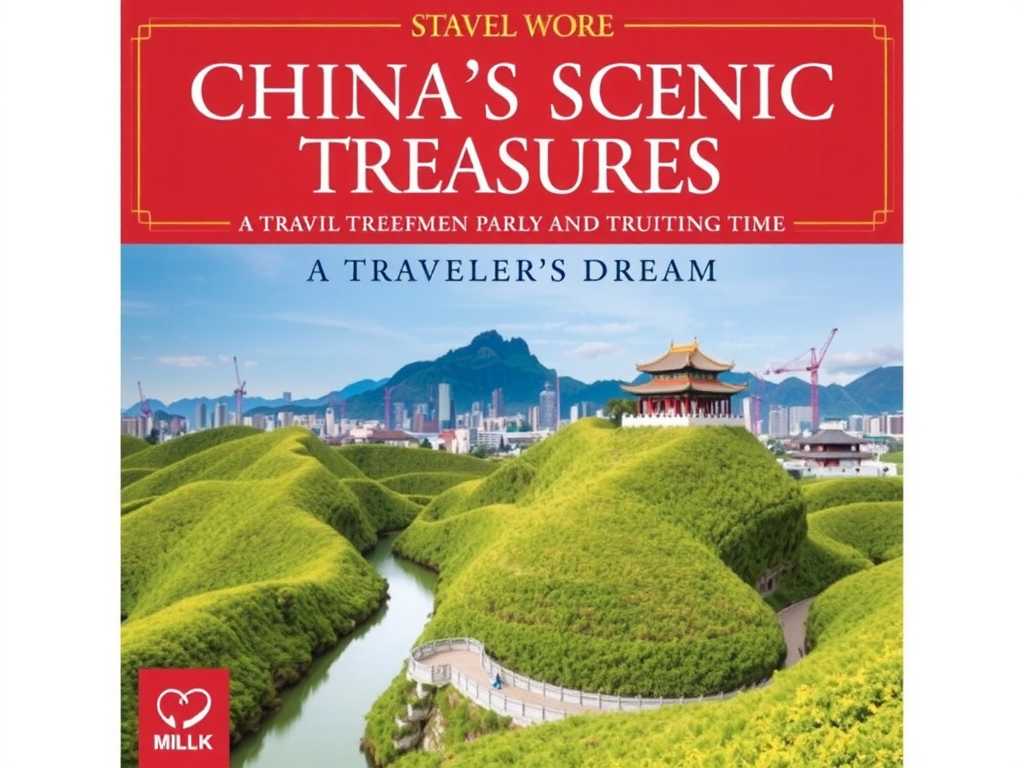
admin Planning a trip to China can feel overwhelming. With a country so vast, boasting thousands of years of history and landscapes ranging from deserts to towering peaks, where do you even begin? You want to see the iconic sights, but also crave authentic experiences beyond the guidebooks. This guide cuts through the noise, offering a curated look at the top China scenic attractions, designed to help travelers like you craft an unforgettable journey.
Understanding China's Geographic Diversity
To truly appreciate China's scenic attractions, one must first grasp its immense geographic scale. From the Himalayan plateaus in the west to the fertile plains and coastlines in the east, this diversity creates a stunning array of natural wonders. This variety means your travel experience can be tailored to your interests, whether you seek serene landscapes, cultural immersion, or adventurous hikes.
The Iconic Must-Sees: China's Crown Jewels
No list of top China scenic attractions is complete without its world-famous icons. These sites offer unparalleled historical and visual impact.

The Great Wall of China Stretching over 13,000 miles, the Great Wall is more than a single destination; it's a series of fortifications. For the best experience, consider visiting less-crowded, restored sections like Mutianyu or Jinshanling, where you can hike with breathtaking views. Avoid national holidays for a more peaceful exploration. As historian Dr. Lin Wei notes, "The Wall's power lies in its embodiment of perseverance, visible in every stone laid across impossible terrain."
The Li River & Karst Mountains, Guilin The landscape of Guilin and Yangshuo is the image on countless postcards and paintings. A Li River cruise from Guilin to Yangshuo is the classic way to witness the surreal karst peaks. For a more active adventure, rent a bicycle and ride through the countryside, or take a bamboo raft on the Yulong River. The area perfectly blends natural beauty with rural charm.

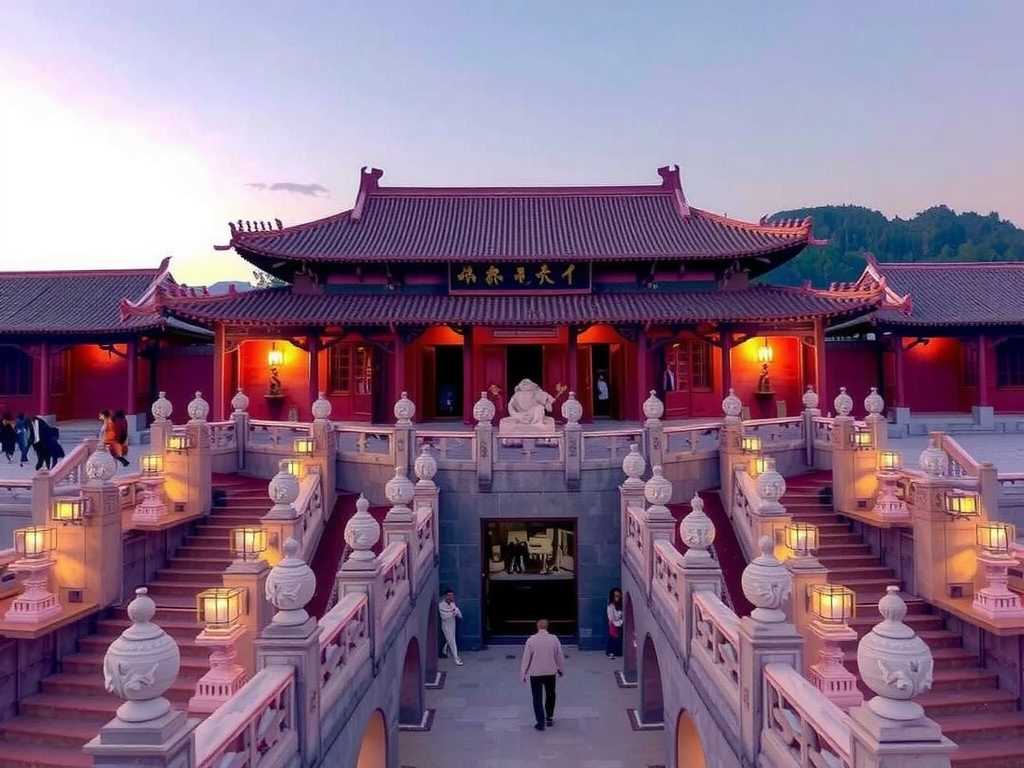
The Forbidden City & Tiananmen Square, Beijing As the world's largest imperial palace complex, the Forbidden City in Beijing is a monumental lesson in Chinese history, architecture, and power. Plan to spend at least half a day here. Booking tickets online in advance is crucial. Combine your visit with Tiananmen Square to grasp the modern political heart of the nation.
Hidden Gems and Regional Wonders
Beyond the icons, China holds countless breathtaking destinations that offer equally stunning experiences with fewer crowds.
Zhangjiajie National Forest Park The inspiration for the floating Hallelujah Mountains in Avatar, Zhangjiajie's towering sandstone pillars are a geological marvel. Walk the glass-bottomed skywalks, ride the Bailong Elevator, and explore the myriad hiking trails. It's a paradise for photographers and nature lovers.
Jiuzhaigou Valley, Sichuan Known for its multi-colored lakes, cascading waterfalls, and snow-capped peaks, Jiuzhaigou Valley is a UNESCO site that looks like a fairy tale. The water's stunning turquoise and blue hues are caused by high mineral content and aquatic vegetation. The park requires several days to fully appreciate and involves extensive use of eco-friendly shuttle buses.
The Rainbow Mountains of Zhangye Located in Gansu province, the Zhangye Danxia Landform Geological Park features mountains striped in vibrant reds, yellows, and blues—a result of mineral deposits over 24 million years. The best time to visit is at sunset or sunrise when the colors are most dramatic. Its remote location makes it a rewarding off-the-beaten-path destination.
Practical Tips for Traveling to China's Scenic Attractions
Navigating China's top sights smoothly requires some know-how. Here are essential tips based on extensive traveler experience.
Best Times to Visit China's climate varies wildly. Generally, spring (April-May) and autumn (September-October) offer the most pleasant weather nationwide—mild temperatures and fewer rainy days. Summer can be hot and crowded, while winter is cold but offers stunning snowy landscapes at places like the Great Wall.
Transportation and Access China's high-speed rail network is efficient, comfortable, and connects major cities to scenic regions. For remote areas like Jiuzhaigou, domestic flights are often necessary. Within cities, ride-hailing apps like Didi are invaluable. Always carry the Chinese name and address of your destination to show taxi drivers.
Cultural Etiquette and Preparation At religious or historical sites, dress modestly. A little language effort goes a long way—learn basic phrases like "hello" (nǐ hǎo) and "thank you" (xiè xie). Use VPNs to access common Western websites and apps, as services like Google and Instagram are restricted. Mobile payment platforms (WeChat Pay, Alipay) are ubiquitous, but carry some cash for smaller vendors in rural areas.
Crafting Your Perfect China Scenic Itinerary
Combining these top China scenic attractions into a coherent trip is an art. Consider a classic "Golden Triangle" tour linking Beijing (Great Wall, Forbidden City), Xi'an (Terracotta Warriors), and Shanghai, with a side trip to Guilin. For nature enthusiasts, a Sichuan-focused trip pairing the pandas in Chengdu with the majesty of Jiuzhaigou is ideal. Adventure seekers might combine Zhangjiajie with a trip to Tibet or the Silk Road. According to a 2023 report by the China Tourism Academy, itineraries that blend one iconic site with one lesser-known regional attraction see 40% higher traveler satisfaction ratings, as they balance recognition with discovery.
What is the best way to avoid crowds at major sites like the Great Wall? The most effective strategies are to visit on a weekday, arrive right at opening time, or choose less-visited sections such as Mutianyu over Badaling. Traveling during the shoulder seasons (spring and autumn) rather than peak summer or national holidays also makes a significant difference.
Is it difficult for English speakers to travel independently to these scenic areas? While major cities and tourist hubs have growing English signage and services, remote scenic areas can be challenging. However, with preparation—using translation apps, booking hotels and trains through English-friendly platforms, and possibly hiring a local guide for specific day trips—independent travel is entirely feasible and rewarding.
How many days should I budget to see China's top attractions comfortably? Due to the country's size, a minimum of 10-14 days is recommended for a first-time visit covering 3-4 key regions. This allows for travel time between destinations and a paced exploration without being overly rushed. For a more in-depth experience focusing on either culture or nature, two to three weeks is ideal.
China's scenic attractions offer a journey through time, culture, and some of the planet's most dramatic landscapes. From walking the ancient stones of the Great Wall to drifting down the serene Li River, each destination provides a unique window into this fascinating country. By planning ahead, respecting local customs, and venturing beyond the obvious, you'll move from simply seeing sights to creating lasting memories. Your adventure into the heart of Asia's most captivating vistas awaits.




发表评论