 admin
admin Explore China’s Scenic Landscapes: Your Ultimate Guide to Unforgettable Tours
Planning a trip to China can feel overwhelming. With a landmass so vast and cultural heritage so deep, how do you move beyond the well-trodden path of Beijing and Shanghai to discover the country’s true scenic soul? Many travelers dream of iconic vistas but struggle with logistics, seasonal timing, and finding authentic experiences that match their interests. This guide is designed to solve that. We’ll navigate China’s breathtaking diversity, from misty mountains to crystal-clear lakes, providing you with the knowledge and inspiration to craft your perfect scenic tour.
Understanding China’s Geographic Diversity
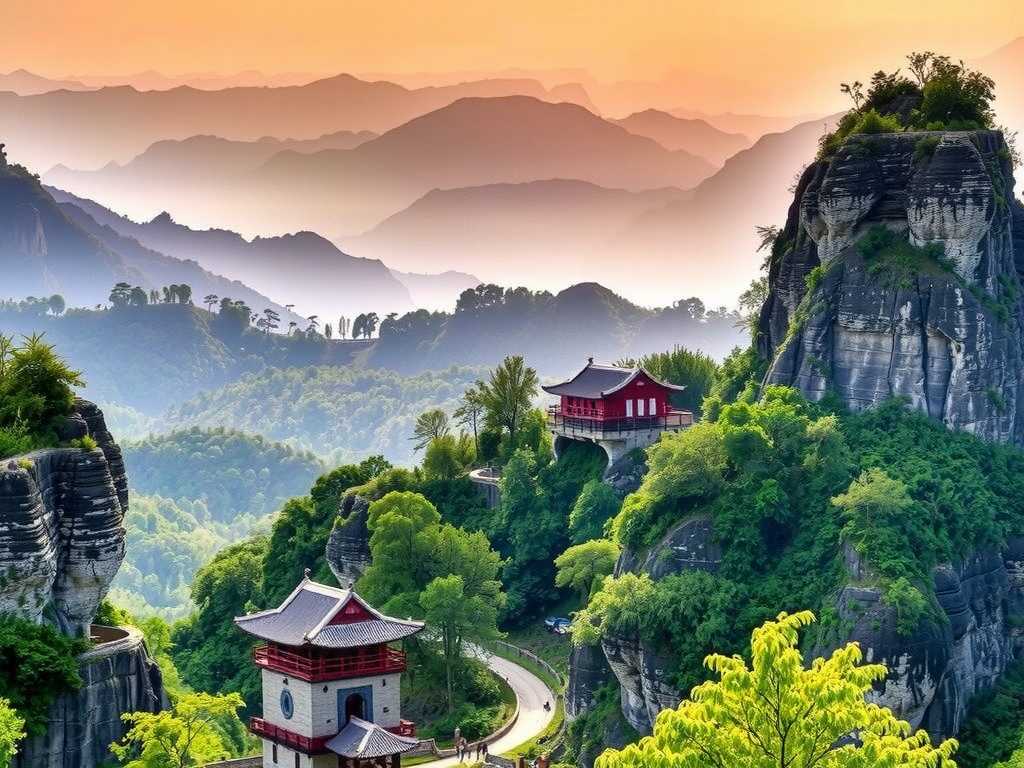
China’s terrain is a dramatic tapestry woven over millennia. To plan effectively, it’s essential to grasp its basic layout. The country descends in three major steps from the high west to the coastal east.
The towering Qinghai-Tibet Plateau, often called "The Roof of the World," dominates the west. Here, landscapes are raw and spiritual. Further east, the second step comprises major basins and plateaus like the Yunnan-Guizhou Plateau, known for its karst formations and ethnic diversity. The final step down to the eastern seaboard is where you find the great alluvial plains and lower hills, home to many classical Chinese garden landscapes.
This geographic staircase creates distinct climatic zones. Your experience exploring China’s scenic landscapes will vary dramatically depending on whether you’re in the arid northwest, the humid subtropical south, or the alpine Tibetan regions. A successful tour respects these rhythms.
Top Regions for Scenic Landscapes Tours
The Majestic Southwest: Yunnan & Sichuan
This region is a cornerstone for any tour focused on natural beauty and cultural fusion. Yunnan offers an astonishing variety. In the north, the snow-capped Meili Mountains stand guard over the deep gorges of the Yangtze. To the south, the UNESCO-listed Stone Forest presents a labyrinth of ancient limestone pillars. For a serene escape, Erhai Lake near Dali provides cycling routes with mountain backdrops.
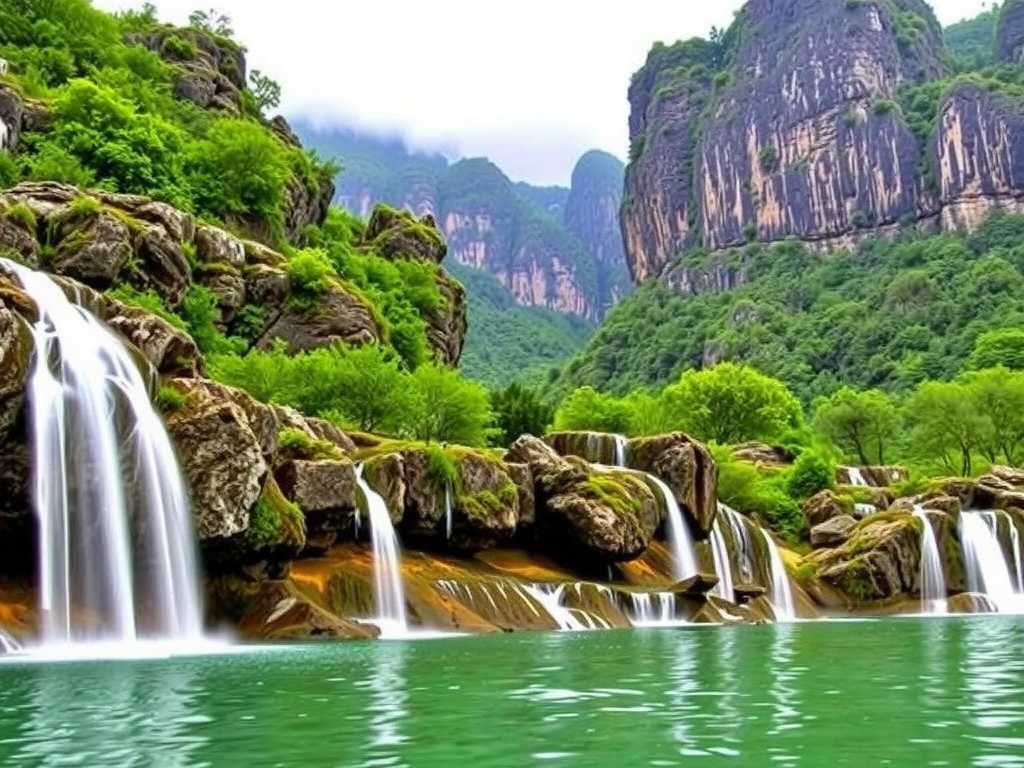
Sichuan, meanwhile, is synonymous with pandas and peaks. The Jiuzhaigou Valley National Park is a fairy-tale world of multi-colored lakes and cascading waterfalls—a must-see, though visitor numbers are managed to protect its fragility. Nearby Huanglong is famed for its travertine terraces of turquoise pools. For the adventurous, trekking around Mount Gongga or visiting the remote Danba Valley with its ancient watchtowers offers unparalleled rewards.
The Classic Beauty of Guilin & Yangshuo
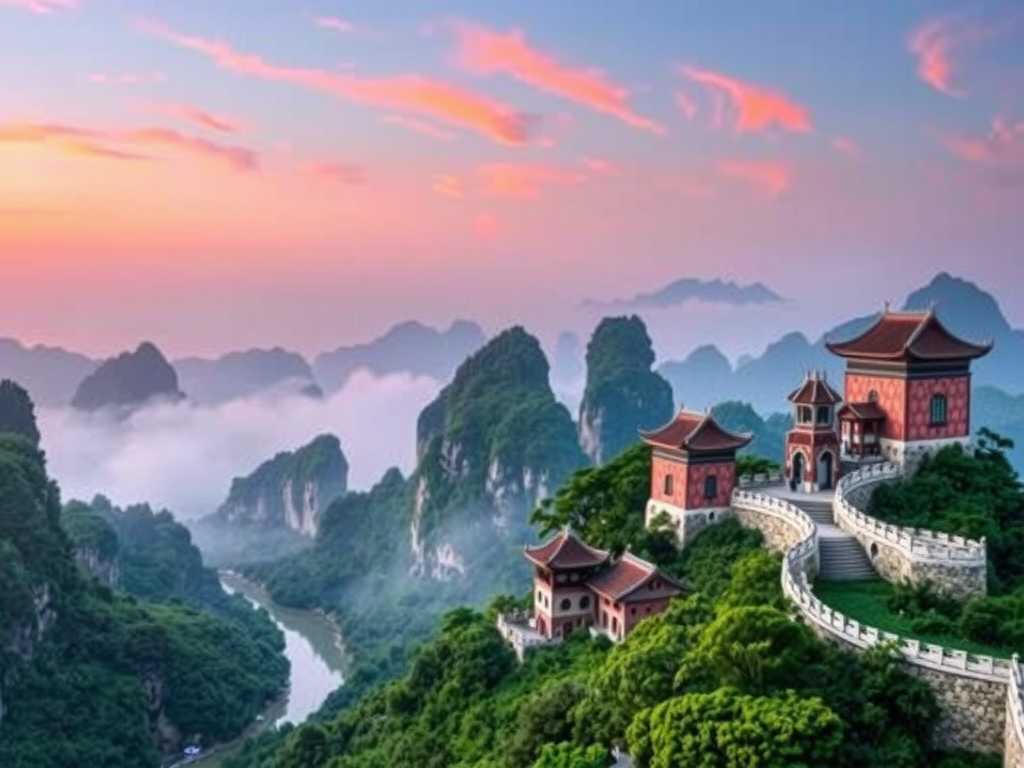
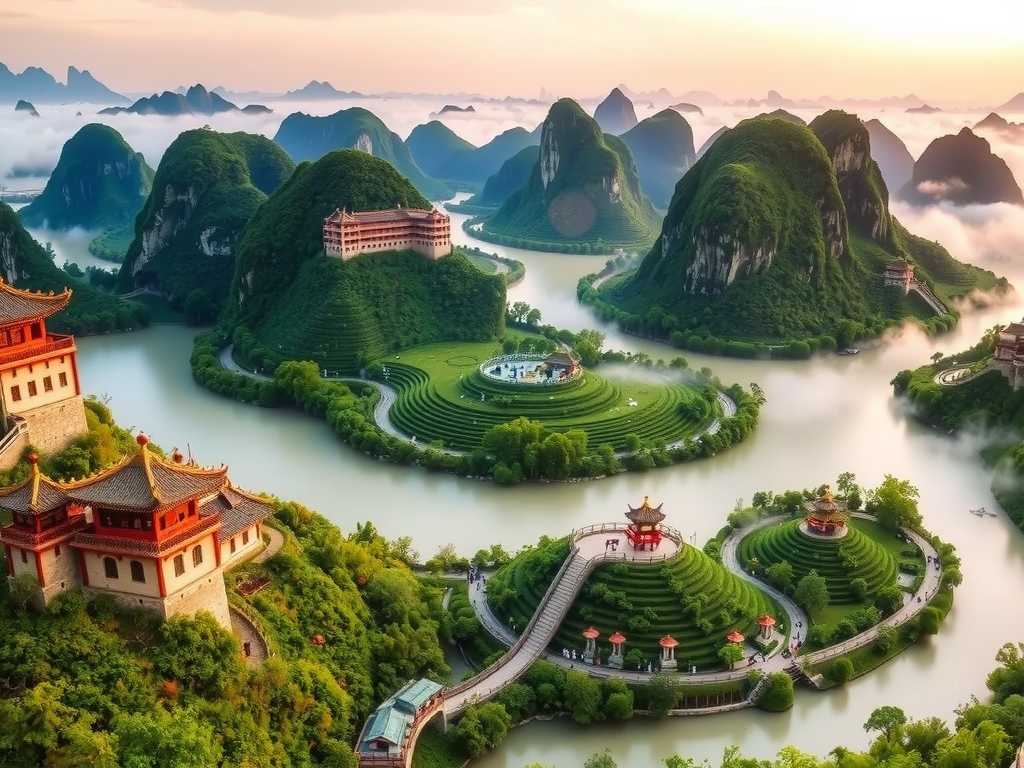
No discussion of China’s scenic tours is complete without the Li River. The journey from Guilin to Yangshuo is the picture-perfect realization of classical Chinese painting: sheer karst peaks draped in greenery, reflected in slow-moving waters. As noted by travel anthropologist Dr. Li Wen, "This landscape has shaped Chinese aesthetic sensibilities for a thousand years, representing the harmonious ideal between humanity and nature."
While a river cruise is the classic approach, consider a bamboo raft on the quieter Yulong River or a cycling tour through the countryside. This allows for deeper immersion into the rural life that exists between those iconic peaks.
The Rugged Northwest: Gansu & Xinjiang
For landscapes that feel otherworldly, head northwest. Gansu’s Zhangye Danxia National Geological Park features rainbow-striped mountains, a spectacular result of mineral deposits and erosion over 24 million years. The sight is particularly stunning at sunrise or sunset. Further along the ancient Silk Road, the Mogao Caves blend human artistic achievement with a stark desert backdrop.
Xinjiang’s scale is breathtaking. The Kanas Lake area, bordering Mongolia and Kazakhstan, resembles the Swiss Alps with its coniferous forests and Tuva culture. In contrast, the Flaming Mountains near Turpan and the vast Taklamakan Desert offer a quintessential desert experience. Tours here often combine epic drives with homestays in local Kazakh or Uyghur communities.
The Alpine Splendors of Tibet
A tour to the Tibet Autonomous Region is more than a trip; it’s a pilgrimage. The soaring Potala Palace in Lhasa is set against a backdrop of relentless blue sky and distant peaks. The holy lake Namtso, one of the highest saltwater lakes in the world, is a place of profound tranquility. The journey to Mount Everest Base Camp (North Face) presents the ultimate Himalayan panorama.
Travel here requires careful planning due to altitude and permit requirements. Acclimatization days are not a suggestion but a necessity. The experience, however, of standing amidst these supreme landscapes is transformative.
Crafting Your Perfect Scenic Tour
Choosing Your Travel Style
Your ideal tour depends on your preferences. Group tours offer hassle-free logistics, expert guides, and built-in social aspects, perfect for first-time visitors or those targeting complex regions like Tibet. Private customized tours provide flexibility, allowing you to dictate pace, interests, and accommodation, ideal for photographers, families, or seasoned travelers. Independent travel offers maximum freedom but requires significant preparation, especially for language and transport in remote areas.
Best Times to Visit
Timing is critical for exploring China’s scenic landscapes. Spring (April-May) and Autumn (September-October) are generally ideal nationwide, with pleasant temperatures and clear skies. Summer brings lush greenery but also crowds and rain, particularly in the south. Winter offers stunning snowy vistas in the north and at high altitude, with far fewer tourists, though some facilities may be limited.
Consider regional specifics: visit Yunnan almost year-round, but target late spring for Sichuan’s alpine flowers. Autumn is perfect for Xinjiang’s golden poplar forests, while winter provides the clearest views of Everest.
*Essential Planning Tips**
- Visas & Permits: Secure your Chinese tourist visa (L-Visa) in advance. Special permits are required for Tibet (arranged via a licensed tour operator) and parts of Sichuan/Yunnan near Tibetan borders.
- Transportation: China’s high-speed rail network is efficient for connecting major hubs. For remote scenic areas, domestic flights or private vehicles are often necessary. Apps like Trip.com or CTrip are invaluable for bookings.
- Cultural & Environmental Respect: Always follow designated paths, carry out all trash, and respect local customs. When visiting minority regions or religious sites, dress and behave modestly. As highlighted in the Sustainable Travel China 2023 report, "Responsible visitation is the single greatest factor in ensuring these landscapes are preserved for future generations."
Bringing Your Scenic Journey to Life
Beyond the destinations, immerse yourself in the experience. Learn a few basic Mandarin phrases. Pack for variable weather, including sturdy walking shoes. Allow for serendipity—sometimes the most memorable view is the one not in the brochure. Whether you’re gazing at the karst towers from a Li River boat, feeling the desert wind in Xinjiang, or witnessing sunrise over a Himalayan peak, touring China’s scenic landscapes is an encounter with the sublime.
Frequently Asked Questions
What is the best way to avoid crowds at major scenic spots like Jiuzhaigou? Arrive right at opening time or visit during the shoulder seasons (late April-May or October after National Day). Booking your tickets online in advance is now mandatory at most major parks and helps manage daily visitor flow.
Are these scenic tours suitable for families with younger children? Absolutely, with careful planning. Focus on regions with easier logistics like Guilin/Yangshuo, the lower areas of Yunnan, or the classic sights around Beijing. Opt for private tours that can adjust pacing and include child-friendly activities. Avoid very high-altitude destinations like Tibet with young children.
How physically demanding are these landscape tours? It varies widely. Guilin river cruises and Zhangye’s boardwalk viewings are low-intensity. Hiking in Jiuzhaigou or Tiger Leaping Gorge requires moderate fitness. Trekking at high altitude in Sichuan or Tibet is demanding and requires prior acclimatization and good health. Always choose an itinerary that matches your fitness level and be honest with your tour operator about your capabilities.
From the painted mountains of Zhangye to the serene waters of Erhai, China’s scenic diversity offers a journey for every type of traveler. With thoughtful planning that considers season, style, and sustainability, you can move beyond the postcard image to experience the living, breathing beauty of this ancient land. Your adventure into the heart of China’s most stunning landscapes awaits.

发表评论