 admin
admin China’s Scenic Gems: Must-Visit Destinations in 2024
Planning a trip to China can feel overwhelming. With a landmass so vast and history so deep, how do you choose where to go beyond the well-trodden paths of Beijing and Shanghai? The real challenge isn't finding destinations, but identifying those truly transformative places that offer authentic beauty, cultural depth, and unique experiences for the modern traveler. This guide cuts through the noise to bring you China’s scenic gems for 2024—carefully curated locations that promise unforgettable adventures and breathtaking vistas.
Why 2024 is the Perfect Year to Explore China's Hidden Treasures
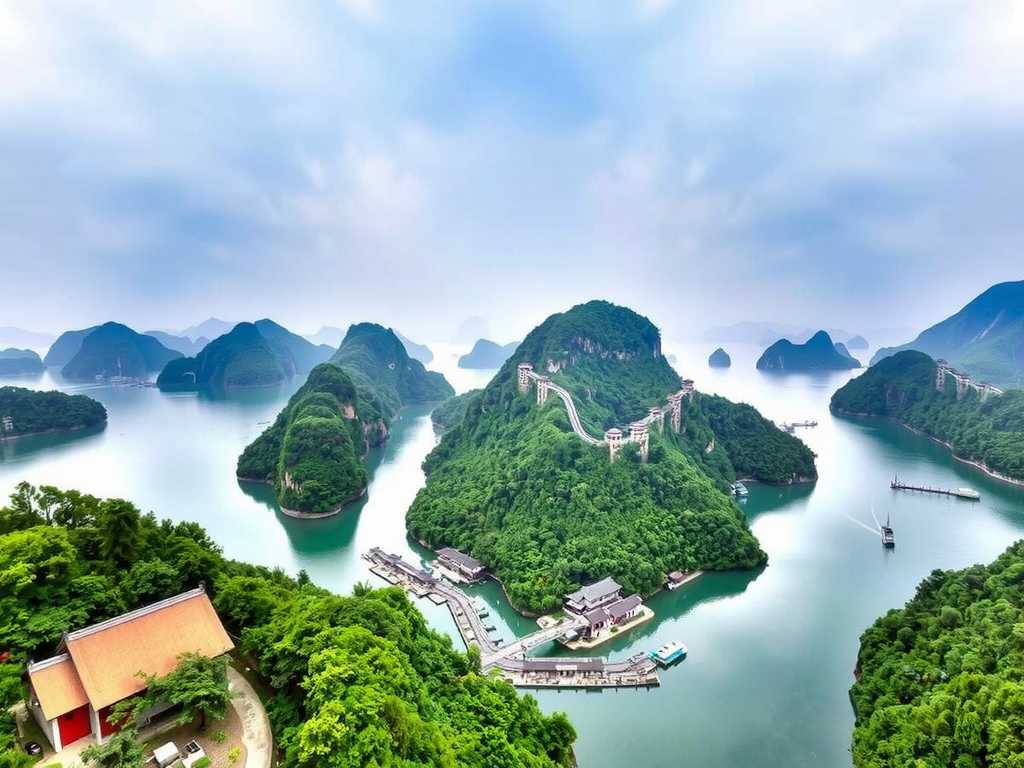
International travel has fully rebounded, and China has enhanced its tourism infrastructure in many lesser-known regions. High-speed rail networks now reach deeper into picturesque countryside, and eco-friendly policies are preserving natural sites better than ever. According to the China Tourism Academy, there is a growing trend towards "in-depth and experiential travel," with visitors seeking destinations that combine natural splendor with cultural authenticity. This shift makes 2024 an ideal time to discover landscapes that feel both timeless and newly accessible.
The Majestic Peaks of Zhangjiajie National Forest Park
Imagine towering sandstone pillars shrouded in mist, a landscape that inspired the floating mountains in the film Avatar. Zhangjiajie, in Hunan Province, is a UNESCO World Heritage Site and arguably one of China’s most stunning scenic gems.
The park's complex ecosystem is home to rare plants and wildlife. To fully experience it, spend at least two days. Walk the glass-bottomed Zhangjiajie Grand Canyon Bridge for a thrilling perspective, or take the Bailong Elevator—an engineering marvel carved into the cliffside—for panoramic views. For the best photography, head to the "First Bridge Under Heaven" at sunrise when the pillars emerge from the clouds.
The Ethereal Blue Waters of Jiuzhaigou Valley
Nestled in the mountains of Sichuan Province, Jiuzhaigou Valley is a symphony of colorful lakes, multi-level waterfalls, and snow-capped peaks. The water's stunning turquoise and azure hues come from high mineral content and unique algae. After recovering from a 2017 earthquake, the park reopened with improved facilities and daily visitor limits to protect its fragile environment.
Key spots include Five-Flower Lake, where submerged ancient trees are visible through crystal-clear water, and Nuorilang Waterfall, one of the widest travertine waterfalls in China. Visit in autumn (October) when the golden and crimson foliage contrasts spectacularly with the blue lakes.
The Ancient Poetry of Guilin and Yangshuo
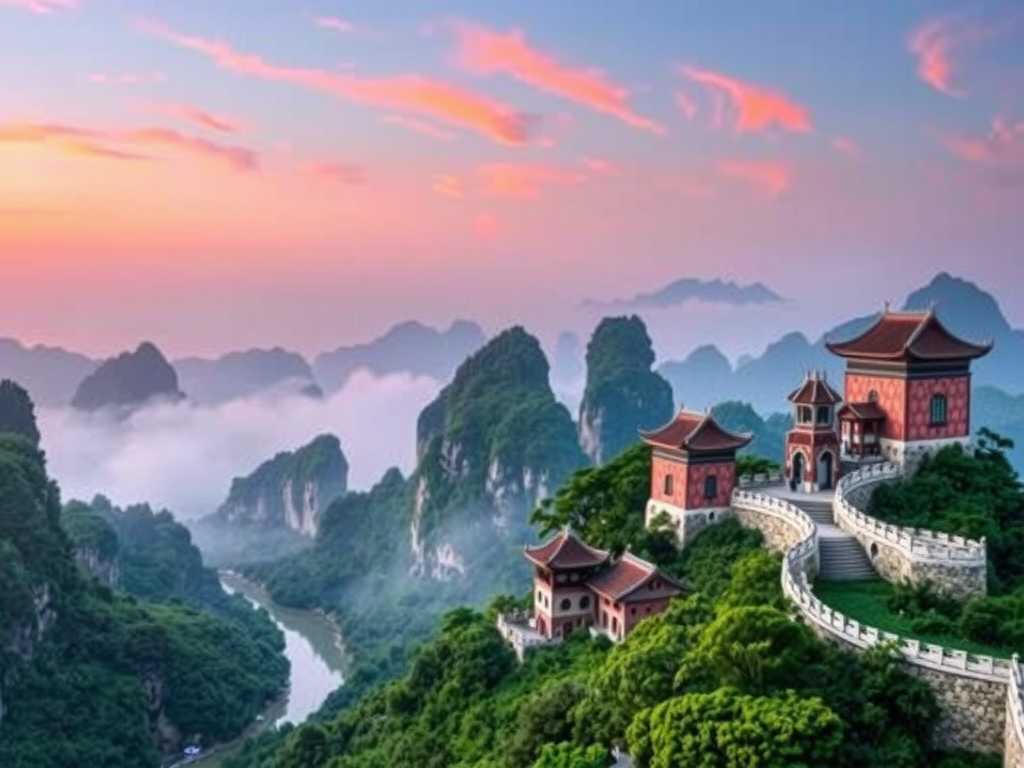
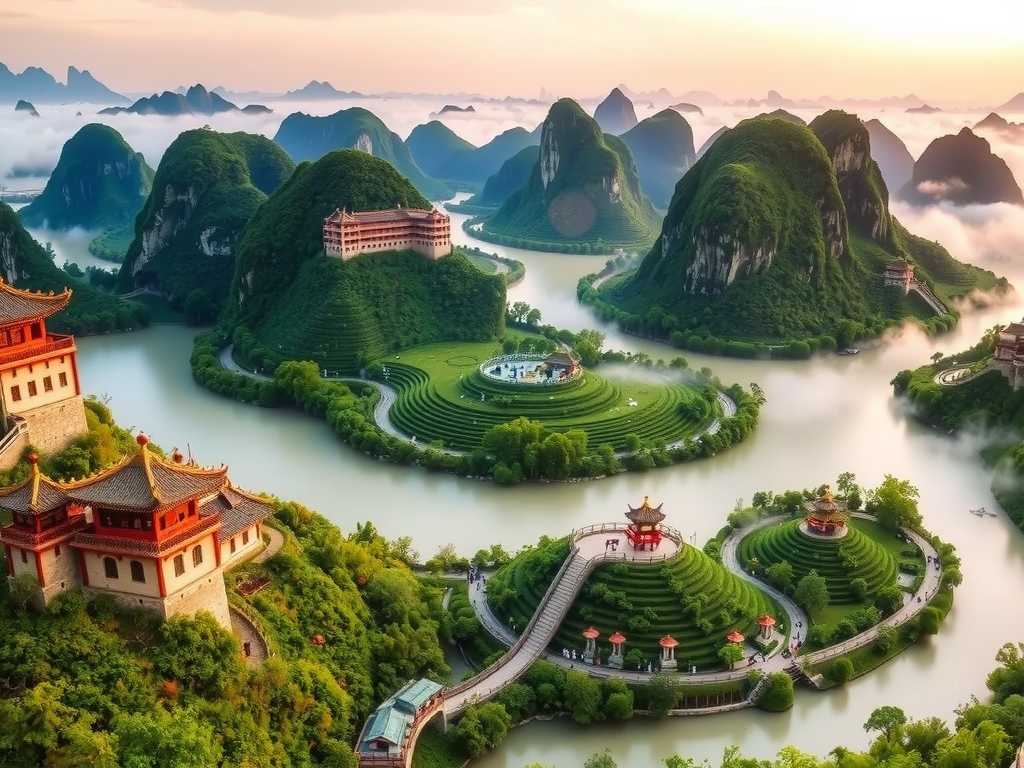
The classic Chinese landscape painting comes to life along the Li River between Guilin and Yangshuo. This is the quintessential image of China’s scenic beauty: karst limestone peaks reflected in serene rivers, with bamboo groves and water buffalo along the banks.
Skip the crowded large cruise ships. Opt for a private bamboo raft ride from Xingping Town or a cycling tour through Yangshuo's countryside. You'll pass through local villages and witness a slower, agricultural way of life. As travel photographer and China expert Robert Kelly notes, "The real magic of Guilin isn't just the postcard view, but the immersive feeling of drifting through a living, breathing work of art."
The Rainbow Mountains of Zhangye Danxia
The Zhangye Danxia Landform in Gansu Province looks like a palette of melted crayons. These rainbow-striped mountains were formed by 24 million years of mineral deposits and tectonic shifts, creating layers of red sandstone, siltstone, and minerals.
The best time to visit is at dusk or dawn when the low-angle sunlight intensifies the colors, making the hills appear to glow. The park is well-organized with boardwalks to protect the delicate rock formations. For the most iconic view, head to the fourth viewing platform which overlooks the "Seven-Color Fan" formation.
The Alpine Serenity of Kanas Lake
Tucked in the far north of Xinjiang, near the borders of Kazakhstan and Russia, Kanas Lake is often called "the Switzerland of the East." Its glacial waters change color with the seasons, from deep blue in summer to jade green in autumn, surrounded by dense Siberian taiga forests.
This region is home to the Tuva ethnic minority. Visiting their villages offers insight into a distinct nomadic culture. Take a boat to the "Guanyu Pavilion" lookout for a view of the lake's mysterious "lake monster" legend. The surrounding Hemu and Baihaba villages are perfect for overnight stays in traditional wooden lodges, offering stargazing opportunities untouched by light pollution.
The Terraced Masterpiece of Yuanyang
The Yuanyang Rice Terraces in Yunnan Province are a testament to human harmony with nature. Carved into the slopes of the Ailao Mountains over 1,300 years ago by the Hani people, these terraces turn into a giant mirror during the winter and spring watering season, reflecting the sky and clouds.
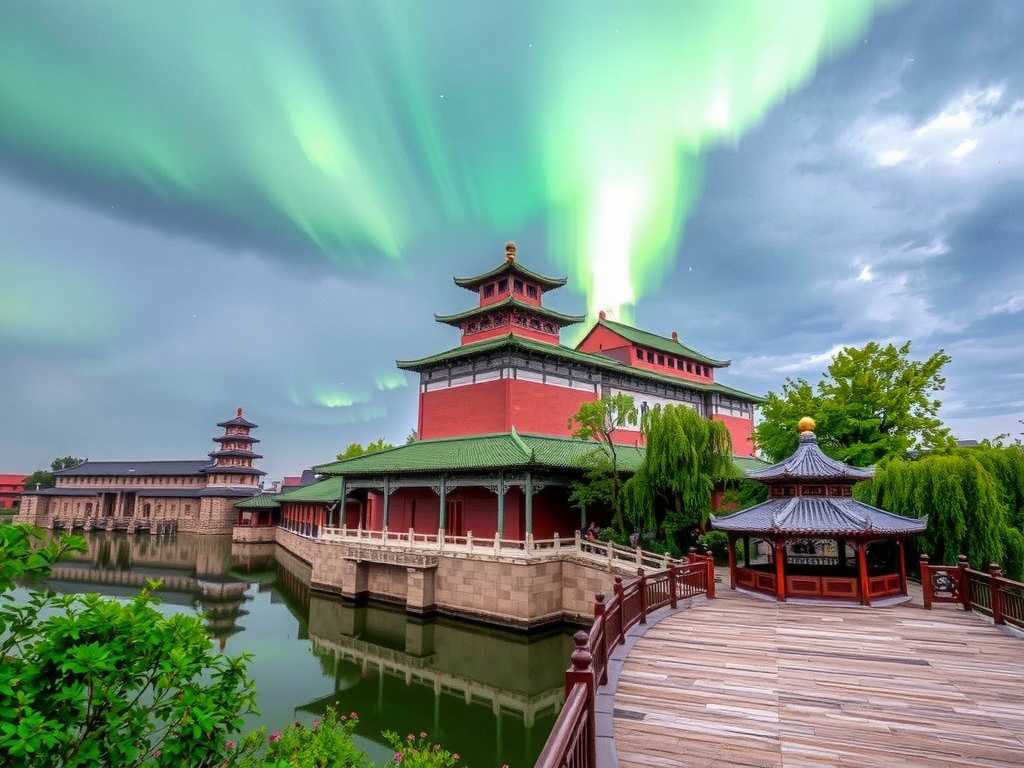
Each season offers a different spectacle: flooded mirrors from December to April, emerald green seedlings in summer, and golden harvest hues in autumn. Duoyishu is the prime spot for sunrise, while Laohuzui (Tiger Mouth) offers a dramatic sunset view over the steepest terraces. Staying in a local Hani village homestay enriches the experience significantly.
How to Plan Your Journey to China's Scenic Gems in 2024
Successfully visiting these destinations requires thoughtful planning. First, consider timing. Spring (April-May) and autumn (September-October) generally offer the best weather nationwide. Book domestic flights and high-speed train tickets well in advance, especially during Chinese public holidays.
Respect local customs and environmental rules. Many pristine sites have strict waste management policies—always carry out what you carry in. Using a reputable local guide not only provides deeper cultural context but also supports the community economy. As highlighted in a recent World Travel & Tourism Council report, "Community-based tourism is key to the sustainable preservation of natural and cultural heritage sites."
What is the best way to travel between these scenic destinations in China? China's high-speed rail network is efficient, comfortable, and connects major hubs near these regions. For remote areas like Kanas or Jiuzhaigou, you'll need to combine rail with domestic flights or private car hires. Using apps like Trip.com or CTrip for booking is highly recommended for English speakers.
Are these destinations suitable for family travel with children? Yes, but with consideration. Destinations like Zhangjiajie and Guilin offer easy walks and boat rides suitable for families. More remote locations like Yuanyang or Kanas involve longer journeys and basic accommodations. Prioritize destinations based on your family's comfort with travel logistics and altitude (Jiuzhaigou is over 2,000m above sea level).
How can I ensure my visit is sustainable and respectful? Choose eco-certified tour operators, stay on marked paths to protect natural formations, and use refillable water bottles. Be mindful when photographing local ethnic minority people—always ask for permission first. Supporting locally-owned guesthouses and buying handicrafts directly from artisans ensures your spending benefits the community.
From the rainbow ridges of Zhangye to the mirrored terraces of Yuanyang, China's landscape holds endless wonders waiting to be respectfully explored. These scenic gems for 2024 offer more than just a photo opportunity; they provide a profound connection to nature's artistry and humanity's enduring spirit. By venturing beyond the major cities, you embark on a journey that will reshape your understanding of this vast and varied country, creating memories that resonate long after you return home.

发表评论