 admin
admin Discover Hidden Scenic Beauty of China: Your Ultimate Guide to Off-the-Beaten-Path Wonders
Have you ever scrolled through stunning photos of China’s landscapes, only to find the same iconic spots—the Great Wall, Guilin’s karst peaks, Shanghai’s skyline? You dream of authentic, crowd-free experiences, but planning a trip to uncover the real, untouched China feels overwhelming. Where do you even begin? This guide is your answer. We’ll move beyond the postcards to help you discover hidden scenic beauty of China, revealing secret valleys, ancient villages, and breathtaking vistas known mainly to locals and intrepid explorers.
The quest to discover hidden scenic beauty of China is more than just finding pretty places; it’s about connection, serenity, and stories not found in guidebooks. It satisfies a deep traveler’s desire for authenticity and offers a profound sense of discovery.
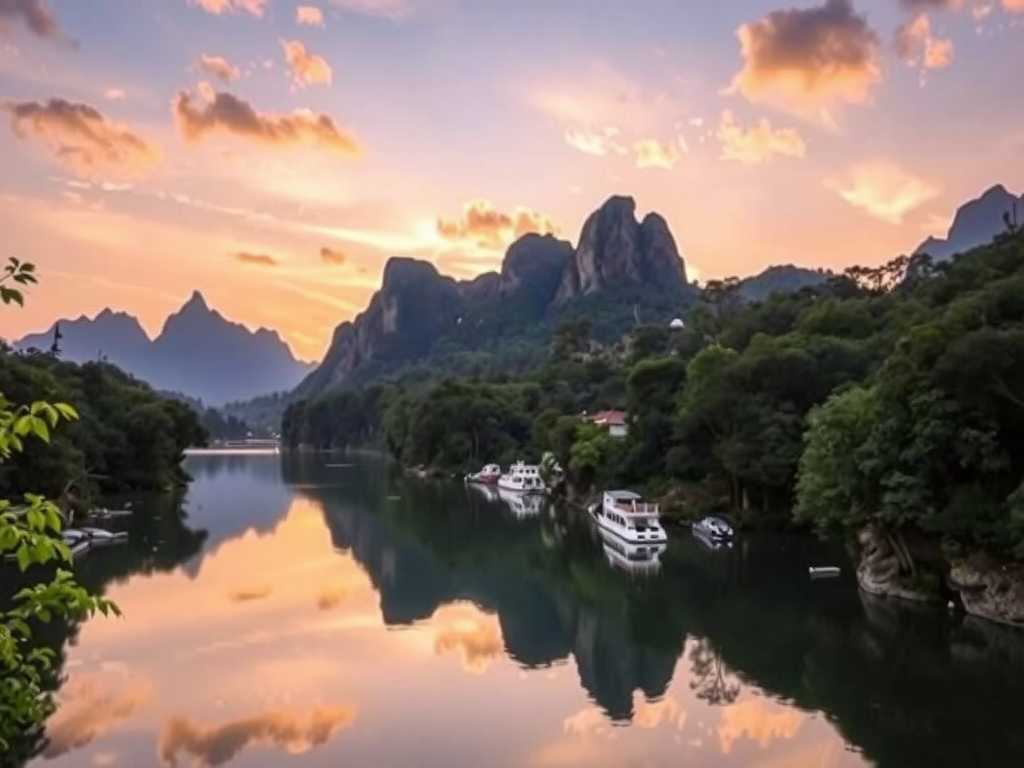
Why Seek China’s Hidden Landscapes?
China’s vast territory holds countless secrets. While major attractions offer grandeur, they often come with crowds that can dilute the experience. According to a 2023 sustainable tourism report by the World Travel & Tourism Council, over 65% of travelers now express a desire for less crowded, more environmentally conscious destinations. Hidden gems provide not only solitude but also a chance to witness traditions and ecosystems preserved away from mass tourism’s impact. Travel expert Dr. Li Wen notes, “The soul of China resides in its countryside and lesser-known frontiers. These areas hold the living history and cultural continuity that bustling cities sometimes obscure.”
Preparing for Your Journey Off the Grid
Venturing into China’s hidden corners requires thoughtful preparation. Unlike visiting Beijing or Xi’an, infrastructure can be basic, and English may not be widely spoken.
First, research is key, but go beyond typical travel sites. Look for blogs by niche travel writers, academic papers on regional geography, and Chinese social media platforms like Xiaohongshu (Little Red Book) where locals share stunning, unfiltered locations. Second, embrace flexibility. Transport might involve local buses, shared taxis, or even hiking. Apps like Baidu Maps (more detailed in China than Google Maps) and translation tools like Pleco are indispensable. Finally, adopt a responsible travel mindset. “The very act of discovering a hidden place brings responsibility,” says eco-tour operator Zhang Wei. “Our goal should be to leave no trace, support local family-run guesthouses, and respect community norms.”
Top Regions to Discover Hidden Scenic Beauty of China
Let’s explore specific regions where majestic scenery remains under the radar.
The Untamed Southwest: Yunnan & Guizhou
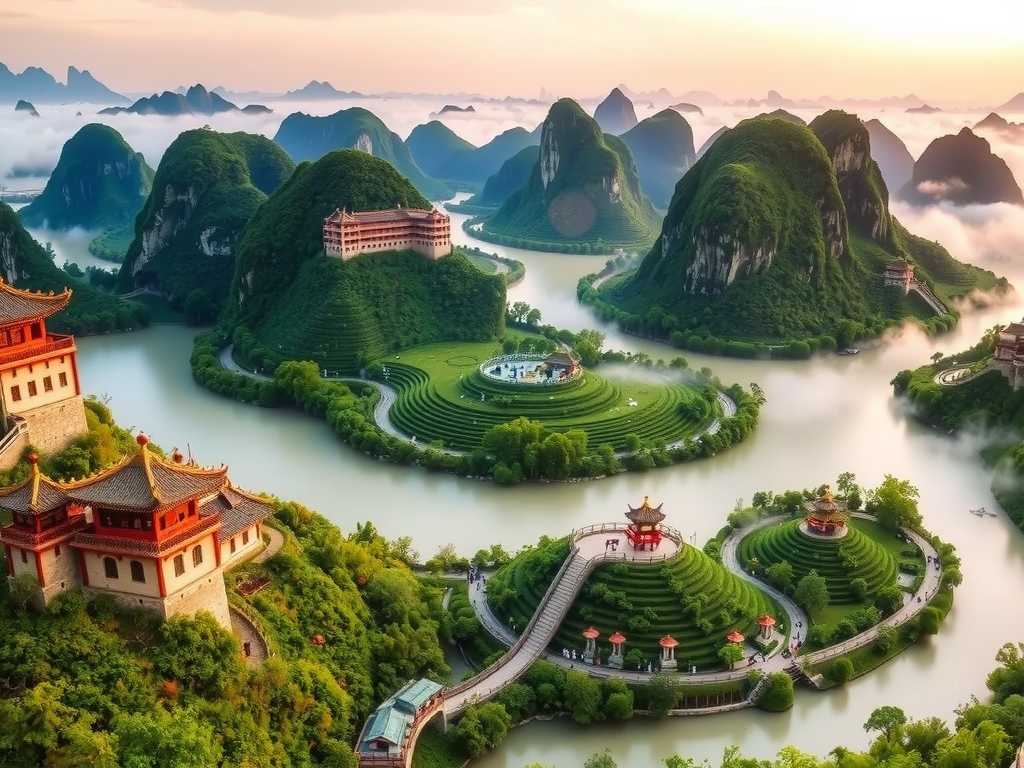
Beyond the popular old towns of Lijiang, Yunnan’s true magic lies in places like the Nu Jiang Grand Canyon (Salween River). This deep, parallel gorge to the Mekong is a dramatic landscape of steep cliffs, hot springs, and diverse ethnic villages accessible via a thrilling mountain road. In Guizhou, instead of the commercialized Huangguoshu Waterfall, seek out the Miao and Dong village clusters around Zhaoxing. Here, you’ll find some of Asia’s most magnificent wooden wind-and-rain bridges and drum towers, set amidst terraced rice paddies, with daily life unchanged for centuries.
The Rugged Northwest: Gansu & Qinghai
While the Mogao Caves draw crowds, southern Gansu’s Gannan Tibetan Plateau offers a serene, culturally rich alternative. Explore the vast grasslands of Sangke, the Tibetan Buddhist labrang at Xiahe’s Labrang Monastery, and the hidden canyon of Zhagana—a cluster of stone mountains resembling a secluded paradise. In Qinghai, bypass the busy Qinghai Lake shore and journey to the Qilian Mountains valleys. Here, you can hike among snow-capped peaks, yak herds, and crystal-clear streams, with barely another tourist in sight.
The Secret Waterways of Zhejiang & Anhui
The ancient canals of Suzhou are famous, but for a quieter water town experience, head to Shenxianju in Zhejiang. This area combines monumental natural scenery—a massive waterfall cascading down a verdant cliff—with well-preserved ancient trails and pavilions. In Anhui, beyond the photogenic Hongcun, discover Chengkan Village. This lesser-known village is famed for its intricate feng shui design and exquisite Ming dynasty architecture, set against a backdrop of quiet rivers and hills.
Immersive Experiences Beyond Sightseeing
To truly connect with these landscapes, engage in local activities. Participate in a tea-picking session in a Fujian mountain village, learn to make heitu pottery from artisans in Yunnan’s Jianshui, or join a guided bird-watching trek in the wetlands of Sichuan’s Zoige. These interactions, as highlighted in a study by the China Tourism Academy, significantly increase traveler satisfaction and foster meaningful cultural exchange. They transform a scenic visit into a personal story.
Capturing and Sharing Responsibly
When you find these treasures, it’s natural to want to capture them. Practice mindful photography. Ask for permission before photographing people, especially in ethnic communities. Consider the impact of geotagging specific, fragile locations on social media. Sharing the general region instead of exact coordinates helps preserve the sense of discovery for future visitors while protecting the site from potential overcrowding.
Your Questions Answered
What is the best time of year to visit these hidden places in China? Spring (April-May) and autumn (September-October) are generally ideal, with mild weather and clear skies. However, some locations have unique seasonal beauty—like the Nu Jiang canyon in winter (mild, fewer tourists) or the Qilian Mountains in summer for lush greenery. Always check regional microclimates.
Is it safe to travel independently to remote areas in China? Yes, China is generally very safe for travelers. However, for remote hikes or visits to high-altitude regions, informing your accommodation of your plans, carrying sufficient water/supplies, and considering a local guide for complex terrain is highly advisable for safety and a richer understanding of the area.
How can I ensure my visit supports the local community? Choose homestays over chain hotels, eat at small family restaurants, hire local guides, and purchase handicrafts directly from artisans. Avoid bargaining aggressively over small amounts. Your spending directly contributes to the local economy and incentivizes the preservation of culture and environment.
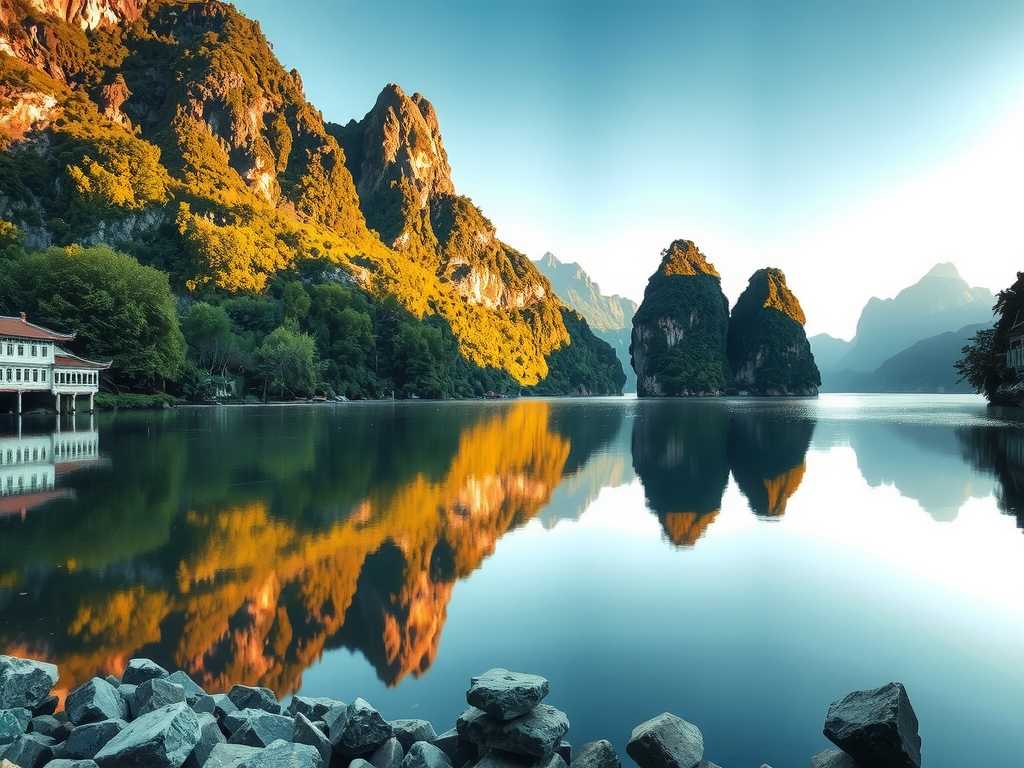
The landscapes of China hold endless layers waiting to be uncovered. From the misty peaks of Guizhou to the silent deserts of the Altay, the real journey begins where the crowds end. By traveling thoughtfully and venturing beyond the obvious, you don’t just see scenery—you become part of its ongoing story. The hidden scenic beauty of China isn’t just a destination; it’s an experience that redefines what travel can be, offering moments of awe and connection that will resonate long after you return home.


发表评论