 admin
admin China’s Cultural Scenic Gems: Explore the Soul of an Ancient Civilization
Are you planning a trip to China but feeling overwhelmed by the sheer number of destinations? Do you want to move beyond the iconic Great Wall and Forbidden City to discover places where breathtaking landscapes are interwoven with thousands of years of living history? Many travelers seek authentic experiences but end up on crowded, superficial tours that miss the profound cultural heartbeat of the country. The true magic of China lies in its cultural scenic gems—sites where nature’s grandeur and human heritage create something truly unforgettable. This guide is designed to help you explore these treasures, offering a curated journey into the soul of China.
Understanding China’s Cultural Landscape
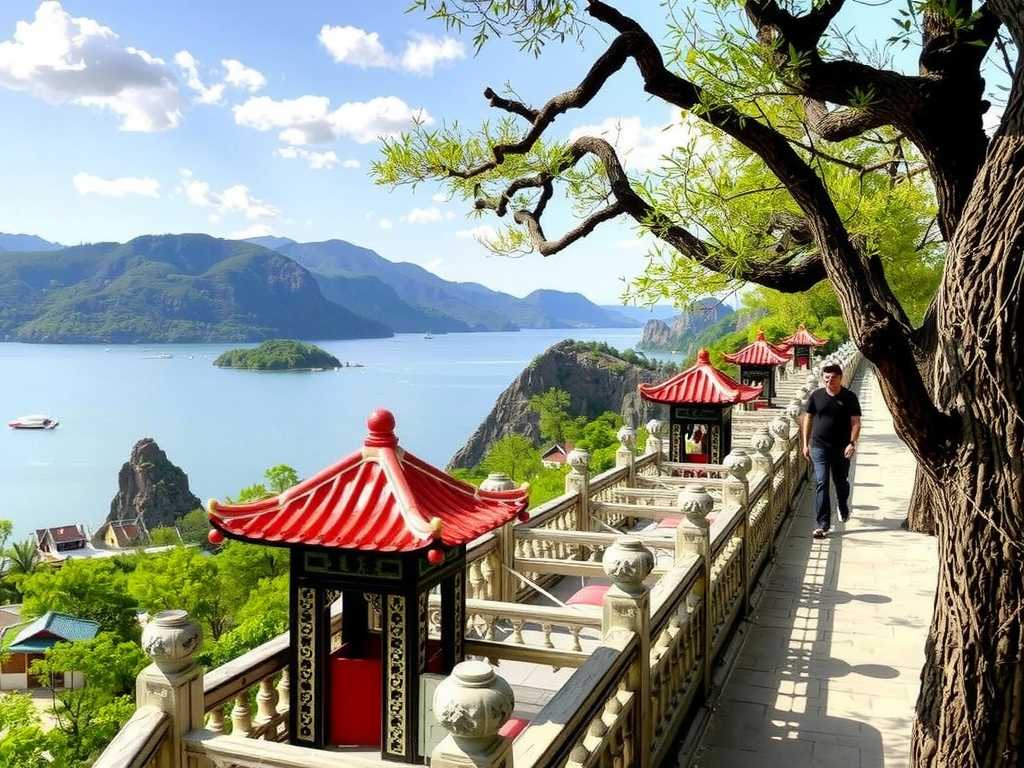
China’s geography is a vast canvas upon which its civilization has painted its story. Unlike purely natural wonders or urban historical sites, China’s cultural scenic gems represent a harmonious fusion. They are places where philosophical beliefs, artistic achievement, and community life have shaped, and been shaped by, the natural environment over millennia. According to Dr. Li Wen, a cultural historian at Peking University, "These sites are not just backdrops to history; they are active participants. The mountain becomes a temple; the river becomes a poet's muse; the village layout reflects cosmic principles. To visit them is to read a multidimensional text of Chinese culture."
This deep connection is often guided by ancient concepts like Feng Shui (geomancy), which sought perfect harmony between human habitats and the surrounding mountains and waters. Recognizing this intent adds a profound layer of meaning to your exploration.
A Journey Through Must-Visit Cultural Scenic Gems
To truly explore China’s depth, we will journey through several categories of these gems, each offering a unique window into the nation’s identity.
The Poetic Mountains: Huangshan and Taishan Some mountains in China are revered not just for their beauty, but for their cultural and spiritual significance.
Huangshan (The Yellow Mountains) Rising in Anhui Province, Huangshan is the quintessential Chinese scenic mountain, immortalized in countless paintings and poems. Its granite peaks, often piercing through a sea of clouds, ancient pine trees clinging to rocks, and hot springs create a landscape that feels otherworldly. For centuries, it has inspired the Shanshui (mountain-water) tradition in art, which seeks to capture the spirit of nature. Hiking its trails is like walking through a living scroll painting. The nearby ancient villages of Hongcun and Xidi, with their graceful Hui-style architecture and reflective ponds, complete the cultural picture, showcasing how human settlement complements sublime nature.
Mount Taishan As the easternmost of China’s Five Great Mountains, Taishan in Shandong Province holds unparalleled historical and imperial weight. For over 3,000 years, emperors performed the sacred Fengshan sacrifices here to legitimize their rule and report to heaven. The climb up its 7,000+ stone steps is a pilgrimage past stunning cliffs, inscribed steles (stone tablets), and ancient temples like the Dai Miao at its base. Reaching the summit for sunrise is a tradition that connects you to countless generations who sought enlightenment and blessing at this cultural scenic gem.
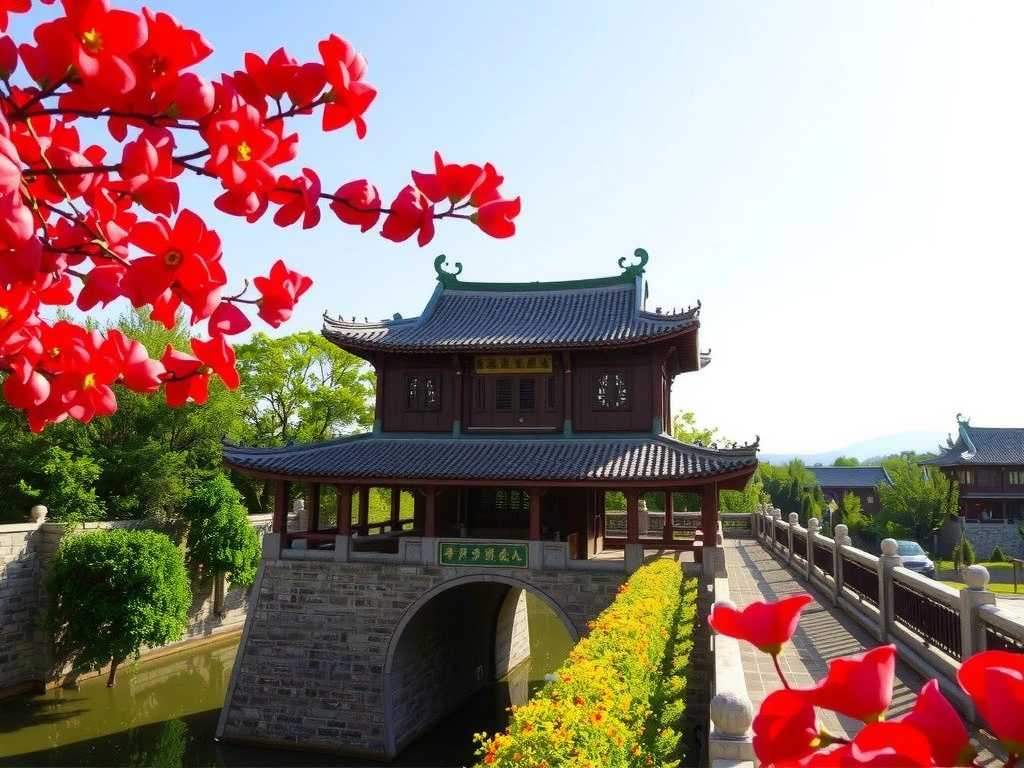
Water Towns and Ancient Villages: A Glimpse into Rural Harmony For a quieter, more intimate experience, the water towns and ancient villages of southern China illustrate a different kind of harmony.
The Venice of the East: Suzhou’s Classical Gardens While a city, Suzhou’s Classical Gardens are masterpieces of microcosmic landscape design. Built by scholar-officials between the 11th-19th centuries, gardens like the Humble Administrator’s Garden and Lingering Garden are not just collections of plants. They are sophisticated creations using rocks, water, pavilions, and plants to replicate natural landscapes and express philosophical ideals in a confined space. As UNESCO notes, they "represent the development of Chinese landscape garden design over more than two thousand years." Exploring them is a lesson in Chinese aesthetics, poetry, and the desire to find tranquility within the world.
Fenghuang Ancient Town Nestled along the Tuojiang River in Hunan Province, Fenghuang (Phoenix Town) offers a picturesque blend of Miao and Tujia ethnic minority culture with well-preserved Qing dynasty architecture. Stilted houses (Diaojiaolou) line the riverbanks, stone bridges cross the gentle waters, and the distant sounds of traditional music often fill the air. It’s less about grand monuments and more about the atmosphere of daily life continuing within a historical setting, making it a perfect cultural scenic gem for photographers and culture enthusiasts.
The Silk Road Crossroads: Dunhuang’s Mogao Caves Venturing into the desert of Gansu Province reveals a gem born from cultural exchange. The Mogao Caves, also known as the Caves of a Thousand Buddhas, are a testament to the Silk Road’s spiritual and artistic traffic. For a millennium, from the 4th to 14th centuries, monks, merchants, and artists carved 492 caves into a cliff face, filling them with some of the world’s most exquisite Buddhist murals and statues. The site, a UNESCO World Heritage site, is a library of art, religion, and history frozen in time. The juxtaposition of this rich artistic oasis against the stark Gobi Desert landscape is powerfully moving.
The Terraced Masterpieces of Longsheng and Yuanyang These landscapes demonstrate how culture can sculpt nature into breathtakingly productive art. The Longji Rice Terraces in Guangxi (Dragon’s Backbone) and the Yuanyang Terraces in Yunnan were carved over centuries by the Zhuang and Yao, and Hani ethnic groups respectively. More than just farmland, they are complex ecosystems and a manifestation of communal effort and traditional knowledge. The terraces change with the seasons—filled with water reflecting the sky in spring, emerald green in summer, golden with harvest in autumn—creating ever-changing panoramic views that are both a cultural achievement and a natural spectacle.
How to Plan Your Exploration of China’s Cultural Gems
To make the most of your journey, consider these practical steps rooted in respect and curiosity.
- Research and Context: Before visiting, read about the site’s historical, religious, or artistic significance. Understanding the story behind a garden’ design or a mountain’s sacred status transforms sightseeing into meaningful exploration.
- Engage with Local Guides: At sites like the Mogao Caves or ethnic villages, hire a local guide. Their expertise provides the "Experience" and "Authoritativeness" crucial to depth, sharing stories and insights you won’t find in guidebooks.
- Travel Responsibly: These are living heritage sites. Follow all guidelines, stay on marked paths, avoid touching fragile murals or carvings, and support local businesses. Your visit should help preserve the gem for future generations.
- Timing is Everything: To avoid overwhelming crowds and see these places at their best, research seasonal beauty (e.g., terraces’ water season) and visit on weekdays or during shoulder seasons.
Embracing the Deeper Journey Exploring China’s cultural scenic gems requires a shift from checklist tourism to immersive travel. It’s about feeling the awe of an emperor on Taishan, contemplating a scholar’s solitude in a Suzhou garden, and marveling at the devotion in a desert cave. These places offer a tangible connection to the philosophies, arts, and rhythms of life that have defined China. Start your planning with an intention to not just see, but to understand and feel. The landscapes await to tell their ancient stories.
What is the best time of year to visit these cultural scenic spots in China? Spring (April-May) and Autumn (September-October) are generally ideal nationwide, offering mild weather and beautiful natural colors. However, some sites have specific best times: visit the rice terraces just before planting (May) for mirror-like water reflections or in September for golden harvest hues. For desert sites like Dunhuang, spring and autumn avoid extreme summer heat and winter cold.
Are these destinations suitable for family travel with children? Many are excellent for families, offering a mix of outdoor activity and education. The cable cars at Huangshan or Taishan make mountain peaks accessible. Ancient villages and water towns are great for leisurely walks. However, consider the physical demands (long hikes, many stairs) and the level of historical interest for younger children. Engaging a storyteller guide can make history come alive for them.
How can I ensure my visit is culturally respectful? Dress modestly, especially at religious or sacred sites like temples and caves. Speak quietly, observe local customs (e.g., don’t point at statues with your finger), and always ask permission before photographing local people. Learning a few basic Mandarin phrases like "hello" (nǐ hǎo) and "thank you" (xiè xie) is greatly appreciated and demonstrates respect for the local culture.
Ultimately, your journey to explore China’s cultural scenic gems will be as much about the internal discoveries as the external vistas. By approaching these sites with preparation, respect, and an open mind, you move beyond being a spectator to becoming a participant in a continuing story—one where majestic landscapes hold the memories, artistry, and spirit of one of the world’s oldest continuous civilizations. Let this be your starting point for an adventure that promises to be unforgettable.
发表评论