 admin
admin China's Must-Experience Scenic Spots: Your Ultimate Travel Bucket List
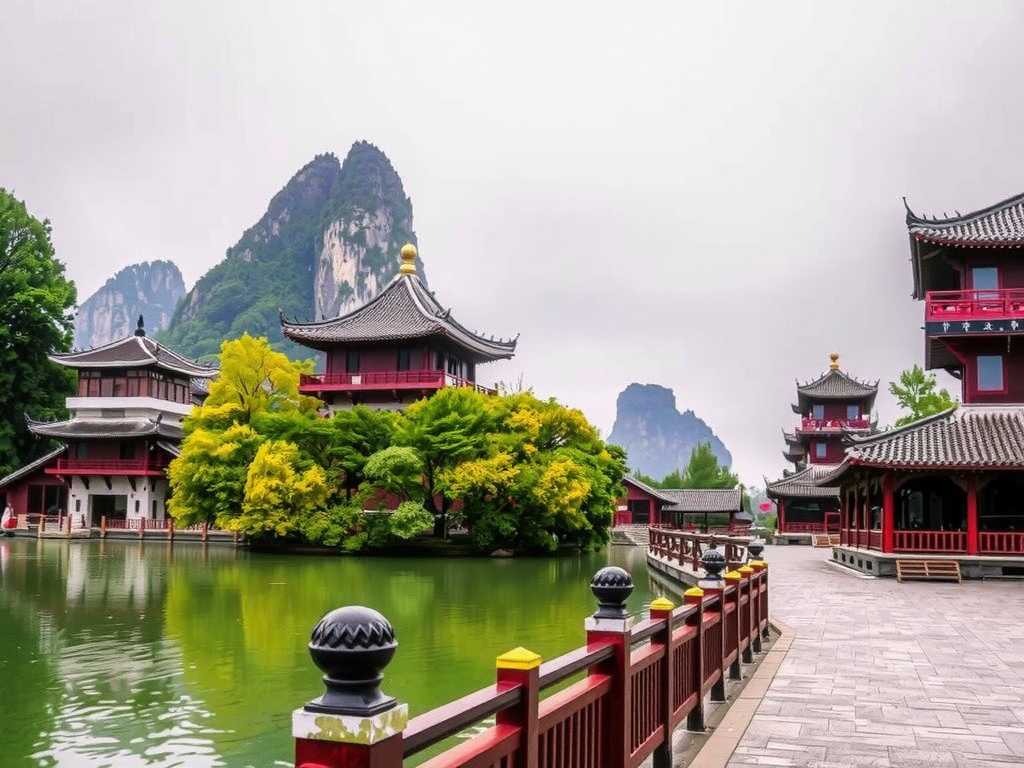
Planning a trip to China can feel overwhelming. With a landmass rivaling a continent and thousands of years of history, how do you possibly choose where to go? You want more than just photos; you seek authentic experiences, breathtaking landscapes, and cultural immersion. The fear of missing out on truly iconic places is real. This guide cuts through the noise to bring you the definitive list of China's must-experience scenic spots, carefully curated to showcase the staggering diversity and beauty of this ancient land.
From the epic grandeur of its mountains to the serene poetry of its waterways, these destinations offer more than a sightseeing checklist—they offer a journey into the heart of China's soul.
The Great Wall: A Walk Through History
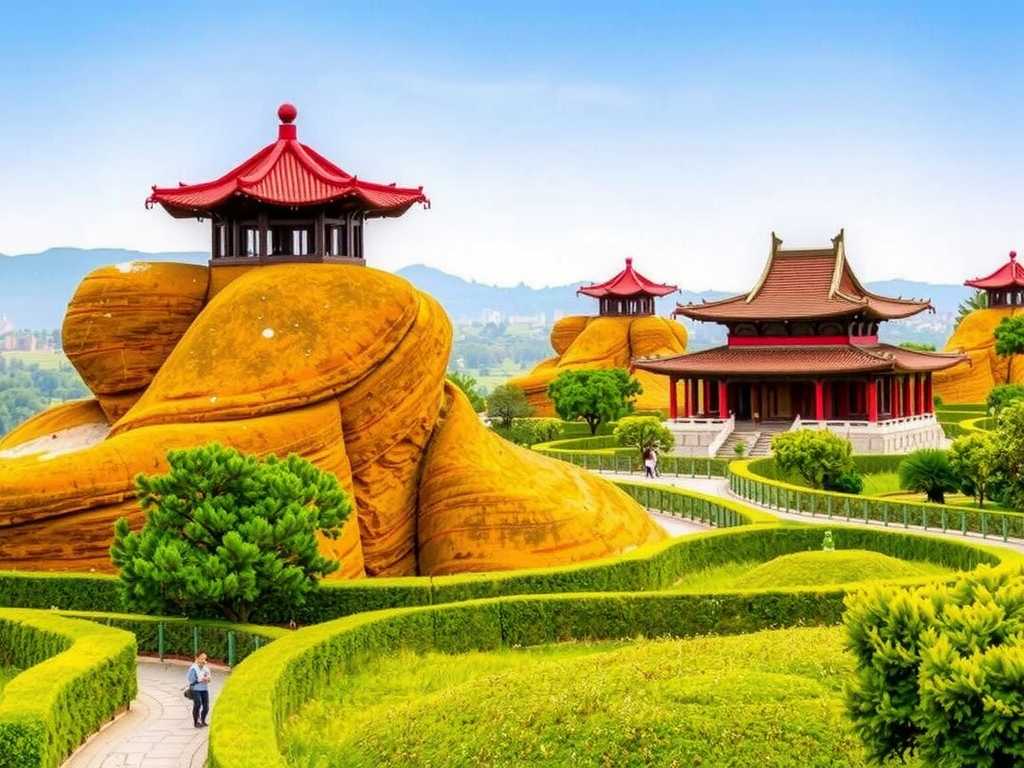
No list is complete without the Great Wall. Stretching over 13,000 miles, it's not just a wall but a symbol of perseverance. Forget the crowded sections near Beijing. For a more profound experience, head to Mutianyu or Jinshanling. Here, you can hike along restored watchtowers with panoramic views of rolling mountains, truly feeling the scale of this ancient marvel. As historian Dr. Lin Wei notes, "Walking the Great Wall is a tactile conversation with history. Each stone carries the weight of dynasties." The best times are early morning or late afternoon when the light paints the stones in golden hues and the crowds thin.
The Li River & Karst Peaks: A Landscape Painting Come to Life
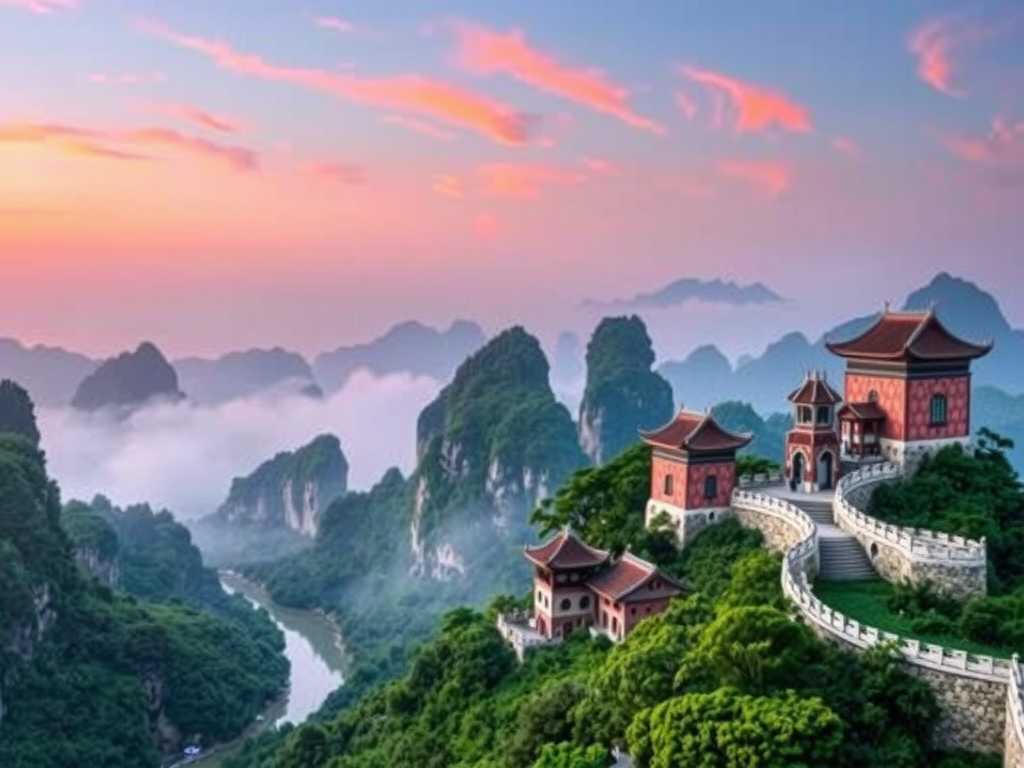
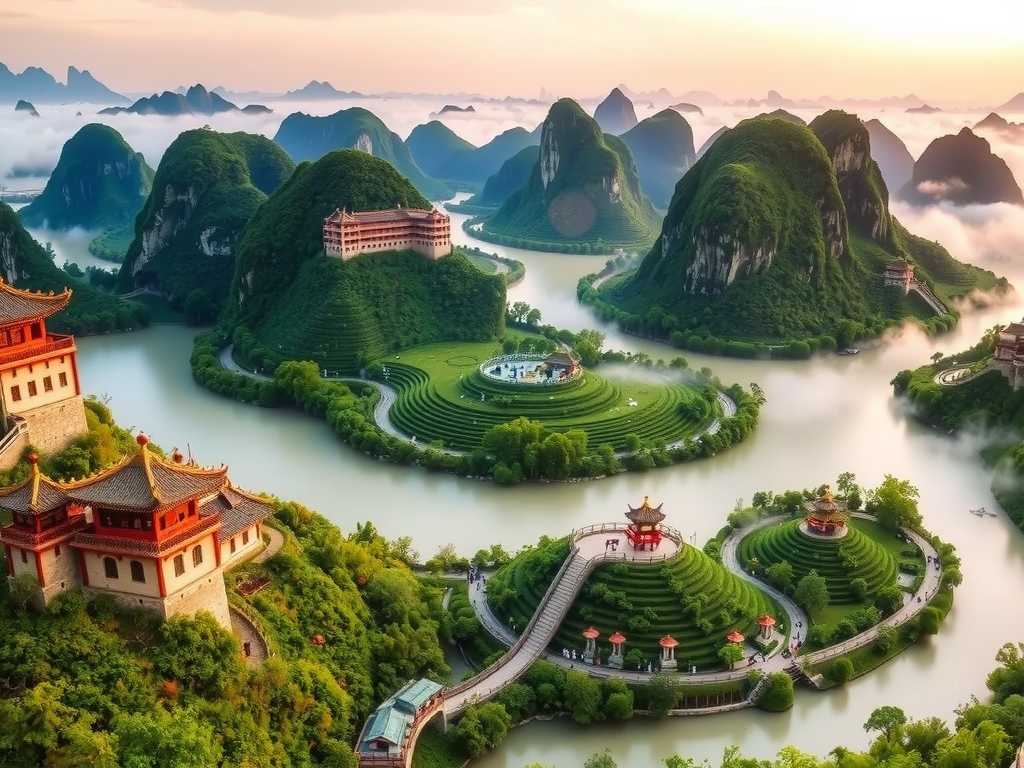
The surreal karst landscape of Guilin and Yangshuo seems plucked from a classical Chinese painting. The most iconic way to experience it is a Li River cruise from Guilin to Yangshuo. As you drift down the serene jade-green water, sheer limestone peaks draped in mist rise dramatically from the plains. It's a scene of timeless tranquility. For active travelers, renting a bicycle to explore the country paths of Yangshuo offers an up-close encounter with rice paddies, water buffalo, and local village life. This region perfectly embodies the harmony between nature and traditional rural culture.
The Forbidden City & Terracotta Army: Windows to Imperial Power
These two sites offer unparalleled glimpses into China's imperial past. In Beijing, the Forbidden City is a vast complex of palaces, halls, and courtyards that was the seat of power for nearly 500 years. Walking its central axis, you can almost hear the whispers of emperors and court officials. Meanwhile, in Xi'an, the Terracotta Army stands as a breathtaking testament to one emperor's ambition. Discovered in 1974, the thousands of life-sized soldiers, each with unique facial features, guard the tomb of Qin Shi Huang. According to a recent UNESCO report, ongoing excavations continue to reveal new insights into Qin dynasty military and artistic technology. Visiting these spots back-to-back provides a deep understanding of China's philosophical and political evolution.
Zhangjiajie's Avatar Mountains: A Surreal Natural Wonder
Imagine towering sandstone pillars reaching over 1,000 meters into the sky, shrouded in clouds and lush greenery. This is Zhangjiajie National Forest Park, the inspiration for the floating Hallelujah Mountains in the film Avatar. The experience is otherworldly. Walk the glass-bottomed Zhangjiajie Grand Canyon Bridge for a heart-pounding view, or take the Bailong Elevator—the world's tallest outdoor lift—carved right into the cliff face. For the best views of the pillar forest, the Yuanjiajie scenic area is unbeatable. The park's unique geology, formed by millennia of physical erosion, creates a landscape unlike any other on Earth.
The Yellow Mountains (Huangshan): The Quintessential Chinese Peak
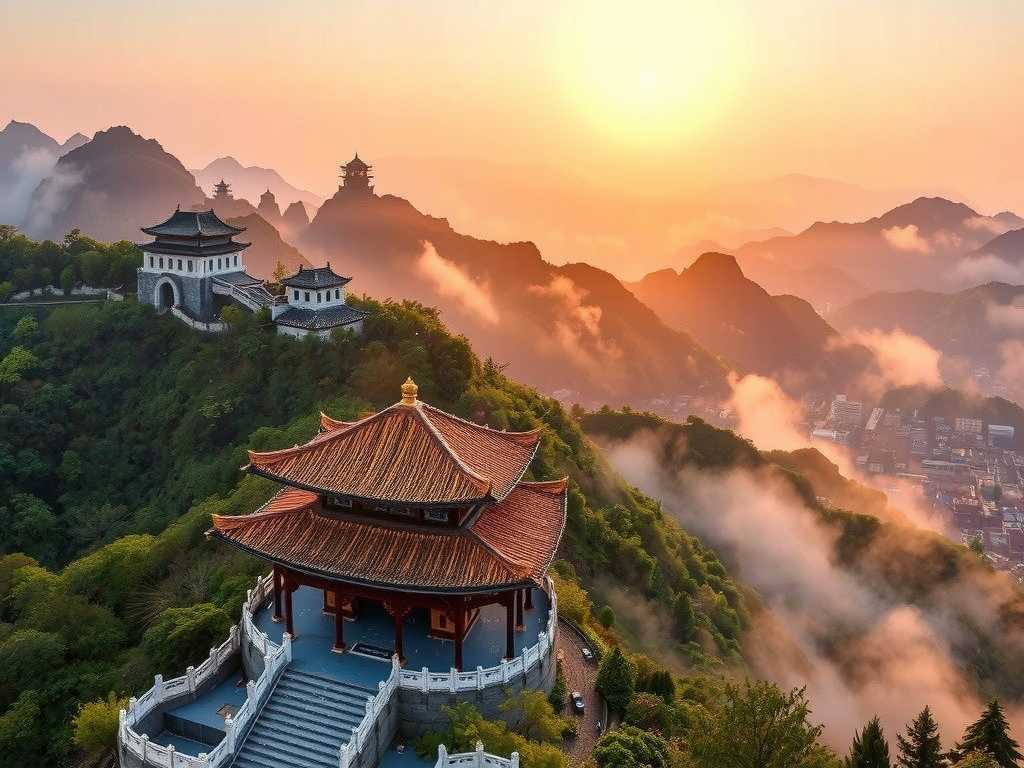
Huangshan is the archetype of the classic Chinese mountain. Its four wonders—oddly-shaped pines, grotesque rock formations, seas of cloud, and hot springs—have been celebrated in poetry and art for centuries. A visit here is both a physical and spiritual hike. You can ascend by cable car, but the true reward comes from walking the paths that wind past clinging pine trees and granite peaks. Sunrise from Bright Summit Peak or Beginning-to-Believe Peak is a transformative spectacle, as the sun breaks through a seemingly infinite ocean of clouds. It's a place that makes you understand why mountains are sacred in Chinese culture.
The Potala Palace & Himalayan Vistas: A Spiritual Ascent
In Lhasa, Tibet, the Potala Palace is not just a scenic spot; it's a spiritual citadel. This monumental structure, once the winter palace of the Dalai Lama, dominates the skyline. Its white and red walls, golden roofs, and countless rooms filled with treasures are awe-inspiring. The high altitude and the palpable sense of devotion in the air make a visit profoundly moving. Combine this with a journey to the Everest Base Camp on the Tibetan side for a view of the world's highest peak. The stark, majestic beauty of the Tibetan plateau offers a perspective on China's geographical and cultural diversity that is utterly unique.
The Classical Gardens of Suzhou: Miniature Worlds of Harmony
For a contrast to China's epic landscapes, the Classical Gardens of Suzhou offer refined beauty on a human scale. These Ming and Qing dynasty gardens, like the Humble Administrator's Garden and Lingering Garden, are masterpieces of design. They artfully blend pavilions, rockeries, ponds, and plants to create idealized miniature landscapes. Every view is framed, every element symbolic, representing a Taoist pursuit of balance and peace. As landscape architect Ming Chen explains, "A Suzhou garden is a three-dimensional poem. It teaches you to see the universe in a single courtyard." They are essential for understanding Chinese aesthetics and philosophy.
Jiuzhaigou Valley: A Palette of Crystal Waters
Jiuzhaigou Valley in Sichuan province is a fairy tale realm of colorful lakes, multi-level waterfalls, and snow-capped peaks. The water here is unbelievably clear and takes on stunning shades of turquoise, emerald, and sapphire due to mineral deposits and algae. Key sights include Five-Flower Lake and Pearl Shoal Waterfall. The area is also home to Tibetan villages, adding a cultural layer to the natural splendor. Due to conservation efforts, visitor numbers are managed, so planning ahead is crucial. The experience is one of pristine, almost surreal, natural beauty.
What is the best time of year to visit these scenic spots in China? Spring (April-May) and Autumn (September-October) are generally ideal nationwide, offering pleasant temperatures and beautiful natural colors. However, destinations like Harbin's Ice Festival are best in winter, and high-altitude areas like Tibet are most accessible from May to September.
How can I manage crowds at popular sites like the Great Wall or Forbidden City? Always book tickets online in advance whenever possible. Arrive right at opening time or later in the afternoon. For the Great Wall, choose less-visited sections like Mutianyu over Badaling. Hiring a knowledgeable local guide can also help navigate peak times efficiently.
Are these destinations suitable for family travel with children? Absolutely, but choose wisely. Destinations with good infrastructure like the Li River cruise, Suzhou gardens, and certain Great Wall sections are excellent. Balance active days (like Zhangjiajie) with cultural but less strenuous days (like the gardens). Always plan for ample rest and keep schedules flexible.
China's vastness offers a scenic wonder for every type of traveler. Whether you seek the whisper of history along ancient stones, the awe of nature's surreal sculptures, or the tranquility of a perfectly balanced garden, these must-experience spots form the cornerstone of an unforgettable journey. They are not just places to see, but experiences that reshape your understanding of beauty, scale, and cultural depth. Start planning your route, embrace the diversity, and prepare to be humbled and inspired.
发表评论