 admin
admin Scenic China: Unforgettable Tourist Attractions for Every Traveler
Planning a trip to China can feel overwhelming. With a landmass rivaling a continent and a history spanning millennia, how do you possibly choose where to go? The fear of missing out on a truly iconic experience or getting lost in a sea of generic tourist spots is real. This guide cuts through the noise, focusing on the most unforgettable tourist attractions in China that offer not just sightseeing, but profound cultural and natural encounters. We’ll move beyond the postcard to help you craft a journey that resonates long after you return home.
From ancient wonders to futuristic cityscapes, and from serene landscapes to vibrant cultural hubs, China’s diversity is its greatest asset. Let’s explore the destinations that define Scenic China.
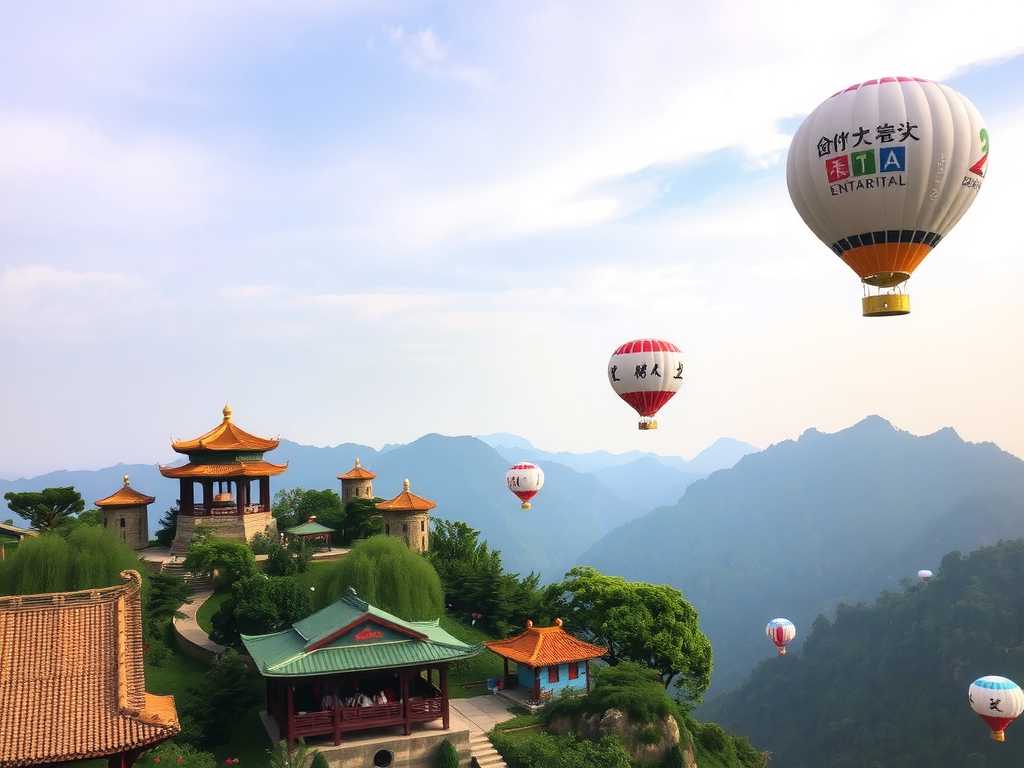
The Ancient Guardians: Timeless Historical Wonders
China’s history is physically etched into its landscape. These sites are more than just relics; they are testaments to human ambition and artistry.
The Great Wall: A Walk Through History No list is complete without the Great Wall. Stretching over 13,000 miles, it’s a symbol of perseverance. Forget the crowded sections near Beijing for a moment. For a more immersive and unforgettable experience, consider hiking at Mutianyu, which offers stunning views and cable car access, or the wilder, unrestored Jiankou section for seasoned adventurers. As historian Dr. Li Ming notes, “The Wall’s true power isn’t just in its scale, but in the perspective it offers—a literal walk along the spine of Chinese history and defense.” Time your visit for early morning or late afternoon to avoid peak crowds and capture the most dramatic light.
The Terracotta Army: An Emperor’s Eternal Guard Discovered in 1974 in Xi’an, this subterranean army is an archaeological marvel. Over 8,000 life-sized soldiers, each with unique facial features, stand in battle formation to protect China’s First Emperor in the afterlife. The scale and detail are staggering. Stand in Pit 1, the largest excavation, and feel the weight of ancient ambition. It’s a powerful reminder of the Qin Dynasty’s might and a top contender for any traveler’s list of must-see attractions in China.
The Forbidden City: The Heart of Imperial Power At the center of Beijing lies the world’s largest palace complex. For 500 years, this was the exclusive domain of emperors. Walking through its series of grand gates, halls, and courtyards is a journey into the ritual and politics of imperial China. The intricate architecture, symbolized by the yellow glazed tiles and mythical animal statues, tells stories of cosmic order and supreme authority. Allocate at least half a day to appreciate its vastness.
Nature’s Masterpiece: Landscapes That Defy Imagination
China’s natural beauty is as diverse as its culture. These landscapes look like they’ve been painted by the gods.
Zhangjiajie National Forest Park: The Avatar Mountains Towering sandstone pillars, shrouded in mist and topped with lush greenery, create a scene from a fantasy novel. This UNESCO site in Hunan province famously inspired the floating Hallelujah Mountains in the film Avatar. Explore the glass-bottomed Zhangjiajie Grand Canyon Bridge, ride the Bailong Elevator (the world’s tallest outdoor lift) carved into a cliff, and hike the trails that weave through this ethereal stone forest. It is, without doubt, one of the most scenic and unique places in China.
The Li River & Yangshuo: A Poetic Journey The classic Chinese landscape painting comes to life along the Li River. A cruise from Guilin to Yangshuo unveils a serene world of karst mountains, bamboo groves, and water buffalo grazing along the riverbanks. The beauty is understated yet profound. Once in Yangshuo, rent a bicycle and explore the countryside, take a cooking class, or simply soak in the laid-back atmosphere. It’s the perfect antidote to bustling city life.
Jiuzhaigou Valley: A Palette of Crystal Colors Located in Sichuan province, Jiuzhaigou is a fairyland of multi-colored lakes, cascading waterfalls, and snow-capped peaks. The water is so clear and mineral-rich that it reflects stunning shades of turquoise, emerald, and sapphire. Walking the well-maintained boardwalks feels like stepping into a dream. Each season offers a different spectacle, from vibrant autumn foliage to icy winter wonderlands.
Modern Marvels and Cultural Capitals
China’s cities are dynamic theaters where ancient traditions perform alongside cutting-edge innovation.
Shanghai: The Dazzling Metropolis Shanghai is a blast into the future. The neon-lit skyline of Pudong, with the iconic Oriental Pearl Tower and the Shanghai Tower, is best viewed from the historic Bund across the Huangpu River. This contrast is Shanghai’s essence. Explore the art deco architecture, visit the superb Shanghai Museum, lose yourself in the alleys of the Old City, and experience the world-class culinary scene. It’s a pulsating, unforgettable introduction to modern China.
The Pandas of Chengdu: A Encounter with National Treasures No visit to China feels complete without seeing its most adorable ambassadors. The Chengdu Research Base of Giant Panda Breeding is the best place to observe these gentle creatures in a habitat-focused environment. Watching them munch on bamboo, play, and lounge is a pure joy. Pair this with exploring Chengdu’s famous tea culture and spicy Sichuan cuisine for a perfectly balanced trip.
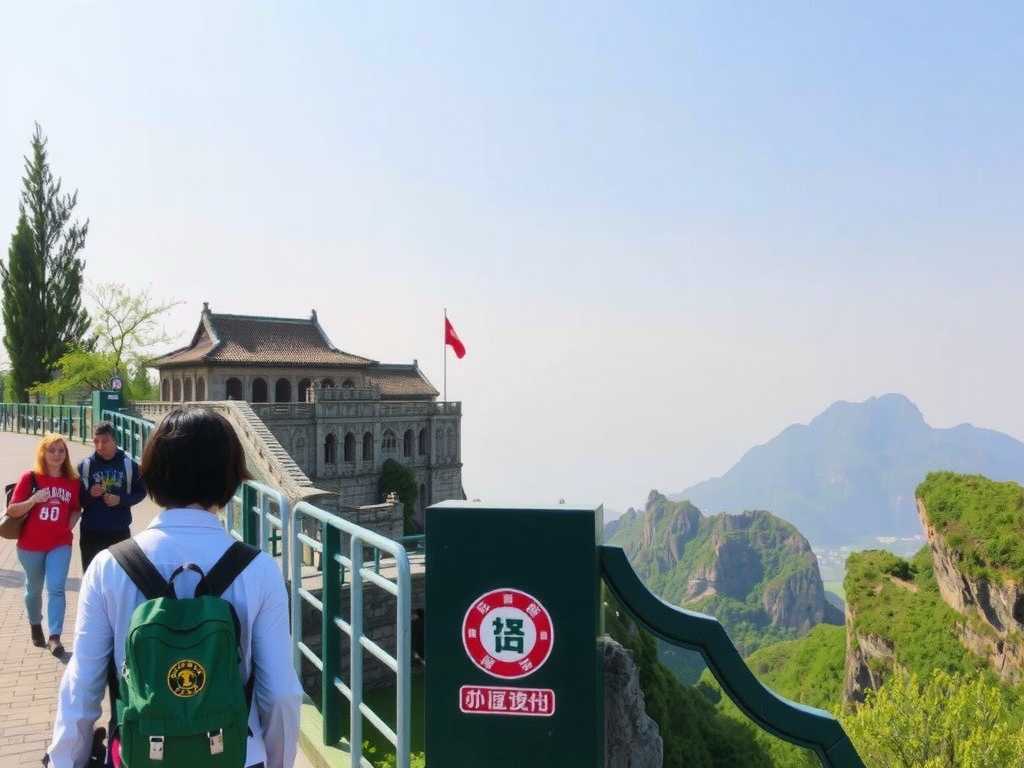
Tibet: The Roof of the World For the intrepid traveler, Tibet offers a profoundly spiritual and scenic journey. The awe-inspiring Potala Palace in Lhasa, the former seat of the Dalai Lama, dominates the skyline. The journey itself—whether by train across the high-altitude Qinghai-Tibet Plateau or by flight—is part of the adventure. The stark, majestic landscapes and deep Buddhist culture provide an experience that is both challenging and deeply moving. Note that travel to Tibet requires special permits and planning.
Crafting Your Unforgettable China Itinerary
With so many top tourist destinations in China, planning is key. Consider thematic trips: a “Golden Triangle” of Beijing-Xi’an-Shanghai for history and modernity; a nature-focused tour to Zhangjiajie and Guilin; or a deep cultural dive into Sichuan and Yunnan. Utilize China’s efficient high-speed rail network to cover large distances comfortably. Always check visa requirements well in advance.
What is the best time of year to visit China for scenic beauty? Spring (April-May) and Autumn (September-October) are generally ideal. These seasons offer mild temperatures, fewer rainy days, and beautiful natural colors—spring blossoms or autumn foliage. However, destinations like Harbin’s Ice Festival are winter-specific, and mountain areas like Jiuzhaigou have unique beauty year-round.
How many days do I need for a good trip to China? Even a focused trip requires at least 10-14 days to cover 2-3 major regions without feeling rushed. For a more comprehensive experience that includes both classic icons and off-the-beaten-path scenic spots, consider 3 weeks or more. Quality over quantity ensures a more meaningful visit.
Is it difficult to travel in China without speaking Mandarin? In major cities and tourist hubs, signs are often bilingual, and translation apps can bridge basic gaps. However, in remote scenic or rural areas, language barriers can be significant. Hiring a local guide for key sites not only eases communication but also provides invaluable cultural context and access, greatly enhancing your understanding of these unforgettable attractions.
China is a tapestry woven with threads of staggering history, breathtaking nature, and vibrant modernity. Its unforgettable tourist attractions offer more than a checklist; they invite engagement, curiosity, and wonder. Whether you’re standing on the Great Wall, drifting down the Li River, or gazing at the Shanghai skyline, you are participating in a story that has been unfolding for thousands of years. Start planning your journey to discover the scenic heart of this remarkable country.



发表评论