 admin
admin Discover China’s Breathtaking Natural Scenic Attractions: An Ultimate Travel Guide
Planning a trip to China and feeling overwhelmed by the sheer number of destinations? You’re not alone. Many travelers struggle to move beyond the iconic Great Wall and bustling metropolises, missing out on the country’s true soul—its unparalleled and diverse natural beauty. From ethereal mountain ranges to otherworldly geological formations, China’s breathtaking natural scenic attractions offer transformative experiences, yet knowing where to start and how to plan can be a daunting challenge.
This guide is designed to cut through the confusion. We’ll explore the most spectacular landscapes, providing clear, actionable insights to help you craft an unforgettable journey into the heart of China’s wilderness.
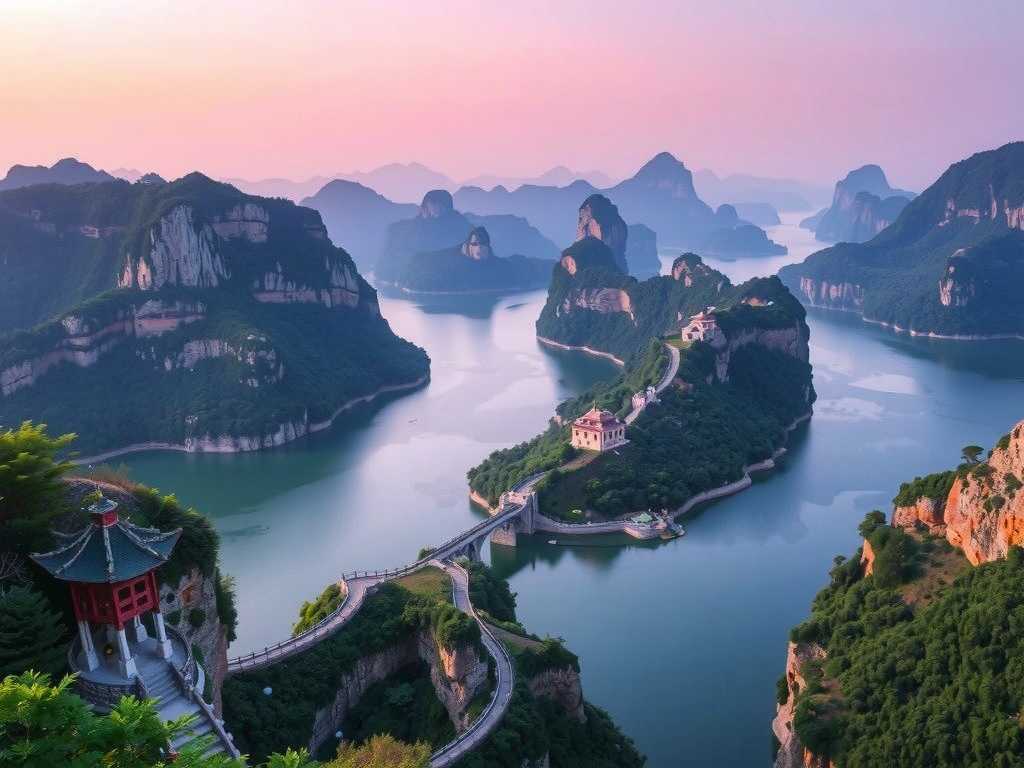
Why China’s Natural Landscapes Are Unmissable
China’s vast territory encompasses almost every type of landscape imaginable. According to a report by the Chinese National Forestry and Grassland Administration, the country has over 10,000 designated natural scenic areas, including UNESCO Global Geoparks and World Natural Heritage sites. This isn’t just about pretty views; it’s about connecting with ancient ecosystems, unique biodiversity, and profound cultural histories intertwined with the land.
Travel expert Dr. Mei Lin notes, “Western travelers often arrive with a fixed checklist of cultural sites. The real revelation, the moment that stays with them forever, is often their first encounter with a place like Zhangjiajie or the Li River. It redefines their entire perception of China.”
A Journey Through China’s Most Spectacular Natural Attractions
To truly appreciate the scope, let’s explore these wonders by region and theme.
The Avatar-Inspired Peaks: Zhangjiajie National Forest Park
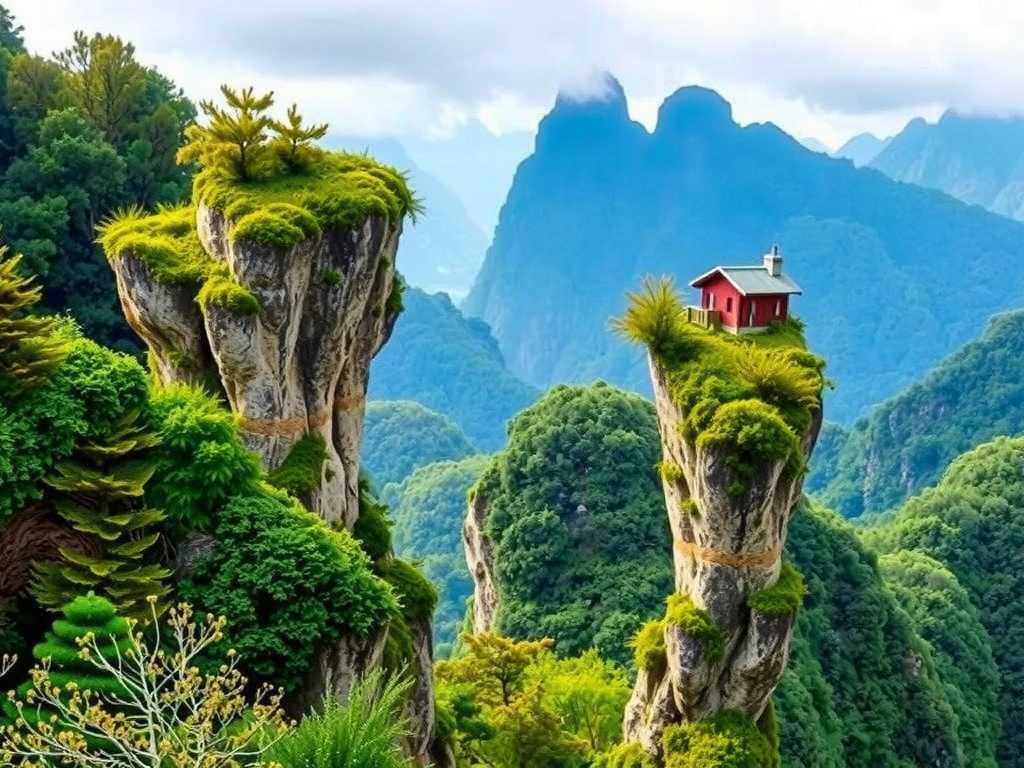
Imagine towering sandstone pillars shrouded in mist, rising hundreds of meters like skyscrapers forged by nature. This is Zhangjiajie, in Hunan Province, the inspiration for the floating Hallelujah Mountains in the film Avatar.
The park’s complex quartz-sandstone formations were created by millennia of physical erosion. The best way to experience it is by walking the various trails at different levels—from the valley floor looking up to the summits, and then from the mountain tops looking across the endless sea of peaks. The glass-bottomed Zhangjiajie Grand Canyon Bridge offers a thrilling perspective for the brave.
The Rainbow Mountains: Zhangye Danxia Landform
China’s breathtaking natural scenic attractions include landscapes that look like a painter’s palette. The Zhangye Danxia National Geological Park in Gansu Province features striped hills in vibrant hues of red, yellow, orange, and green. This spectacular effect is the result of mineral deposits and sandstone being compressed and oxidized over 24 million years.
The colors are most intense at sunrise and sunset. Photography enthusiasts should plan to stay in the nearby city of Zhangye and visit for both golden hours. The well-built boardwalks ensure easy access while protecting the fragile sedimentary rock.
The Alpine Wonderland: Jiuzhaigou Valley
A UNESCO World Heritage Site in Sichuan, Jiuzhaigou Valley is a fairy tale come to life. Its name means “Nine Settlement Valleys,” and it is famed for its multi-level waterfalls, crystal-clear turquoise and emerald lakes, and snow-capped peaks.
The water’s stunning colors come from high mineral content and the reflection of surrounding forests. A visit here is a serene experience, with electric buses efficiently shuttling visitors between the main scenic spots. Autumn, when the foliage turns fiery gold and red, is considered the most magical time to witness this natural scenic attraction.
The Legendary Karst: Guilin and Yangshuo
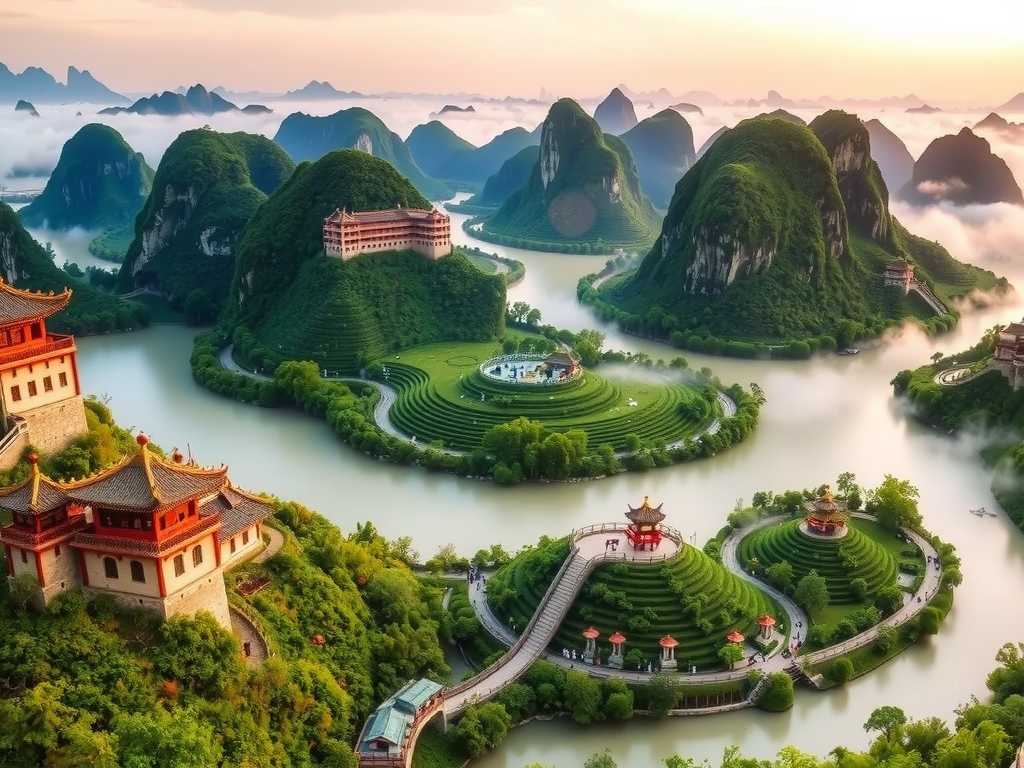
The landscape of Guilin, immortalized in Chinese poetry and on the 20 RMB note, is the classic image of China’s natural beauty. The Li River winds through a plain dotted with dramatic karst limestone hills.
For an authentic experience, skip just taking a cruise. Instead, rent a bicycle in Yangshuo and explore the countryside paths, passing through small villages and rice paddies with the iconic peaks as your backdrop. This active immersion offers a deeper connection to the region’s serene beauty.
The Roof of the World: Tibet’s Sacred Landscapes
Tibet offers a spiritual dimension to natural grandeur. The Himalayas, including Mount Everest (Qomolangma), present the ultimate challenge and awe. However, accessible gems like Yamdrok Lake, a stunning sapphire-blue sacred lake, or the untouched valleys of the Nyingchi region, often called “Tibet’s Switzerland,” provide profound experiences.
Travel here requires careful acclimatization to altitude and respect for local customs. The journey itself, whether on the Qinghai-Tibet Railway or high mountain passes, is as memorable as the destinations.
Planning Your Visit to China’s Natural Wonders
Loving these places also means protecting them. Here’s how to plan a responsible and rewarding trip.
Best Times to Visit
China’s seasons vary greatly by region. Generally, spring (April-May) and autumn (September-October) offer the most comfortable temperatures and vibrant scenery. Summer can be hot and crowded, while winter offers stark, crowd-free beauty in places like Jiuzhaigou, though some areas may be less accessible.
Responsible Travel Practices
Always stay on marked trails to protect fragile ecosystems. Carry out all trash, minimize plastic use, and respect wildlife. Support local communities by choosing homestays or locally-owned guides. As the China Sustainable Tourism Council emphasizes, “Visitor behavior directly impacts the conservation of these irreplaceable sites.”
Logistics and Accessibility
Many top natural scenic attractions now have excellent infrastructure with cable cars, eco-buses, and boardwalks. However, comfortable walking shoes are essential. For remote areas, booking a knowledgeable local guide is not only safer but enriches your understanding of the area’s geology and culture.
Navigating Your Adventure: Common Questions Answered
What is the most accessible breathtaking natural attraction for first-time visitors? Guilin and Yangshuo are highly recommended for first-timers. The infrastructure is well-developed, the scenery is iconic and manageable in scale, and the area offers a perfect blend of natural beauty and cultural experiences without extreme physical demands or remote travel.
Do I need special permits to visit natural sites in Tibet or other remote areas? Yes, for Tibet Autonomous Region, foreign travelers must obtain a Tibet Travel Permit through a registered tour agency, which will also arrange a guided itinerary. Other remote areas, like parts of Sichuan near Tibetan regions, may also have occasional permit requirements. Always check with your travel agency or local tourism bureau well in advance.
How can I avoid the crowds at these popular destinations? Two strategies are key: timing and exploration. Visit during shoulder seasons (late spring or early autumn) and on weekdays. More importantly, venture beyond the main photo spot. Often, walking 20-30 minutes further on a trail leads to equally stunning and peaceful vistas that most tour groups skip.
From the dreamlike pillars of Zhangjiajie to the mirrored lakes of Jiuzhaigou, China’s natural scenic attractions present a world of wonder that complements its rich cultural history. By planning thoughtfully, traveling respectfully, and venturing beyond the obvious, you unlock an experience that is both visually stunning and deeply moving. Your journey into China’s heartland awaits—a testament to the planet’s incredible power and beauty.



发表评论