 admin
admin China's Scenic Destinations: Your Ultimate Travel Guide
Planning a trip to China can feel overwhelming. With a country so vast, boasting landscapes from towering Himalayan peaks to sprawling desert dunes and ancient water towns, how do you even begin to choose where to go? You're looking for authentic experiences, breathtaking scenery, and cultural depth, but sifting through endless information is a challenge. This comprehensive guide to China's scenic destinations is designed to cut through the noise. We'll provide clear, practical advice to help you navigate the top sights, hidden gems, and logistical essentials, transforming your travel anxiety into excitement.
Understanding China's Geographic Diversity
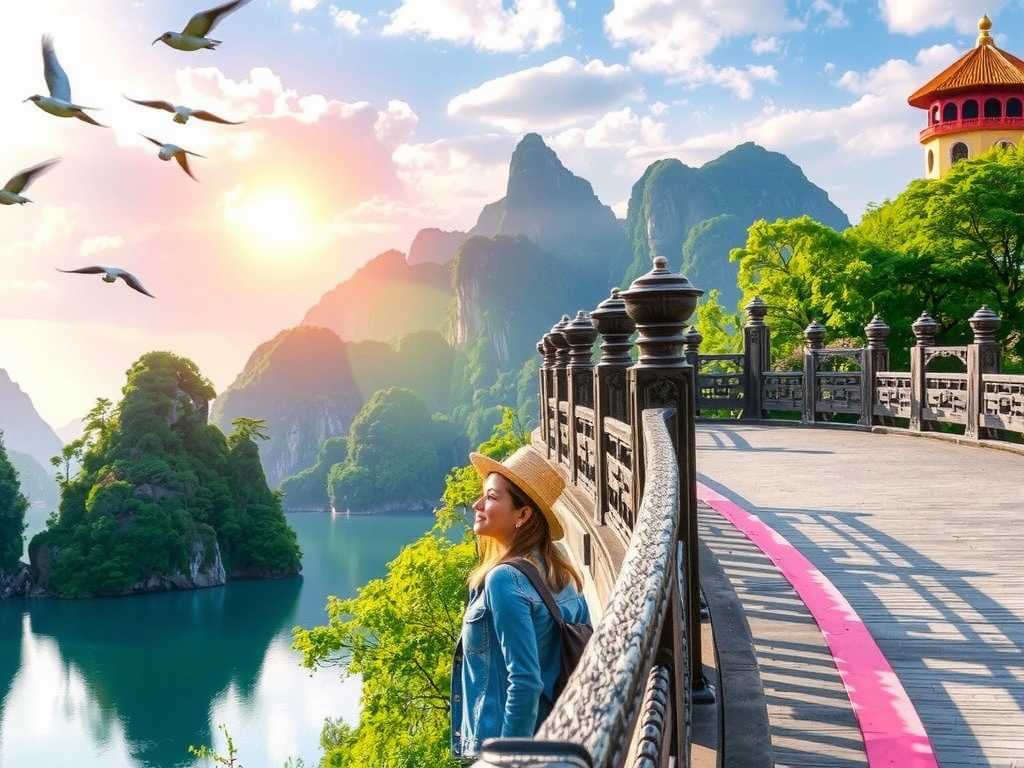
To appreciate the scope of China's scenic destinations, it helps to view the country in distinct regional blocks. Each area offers a unique palette of landscapes, climates, and cultural flavors.
The Classic Panoramas: Iconic Landscapes
This category includes the world-famous vistas that define China's natural image for many travelers. These sites are well-developed for tourism, offering accessibility alongside their grandeur.
-
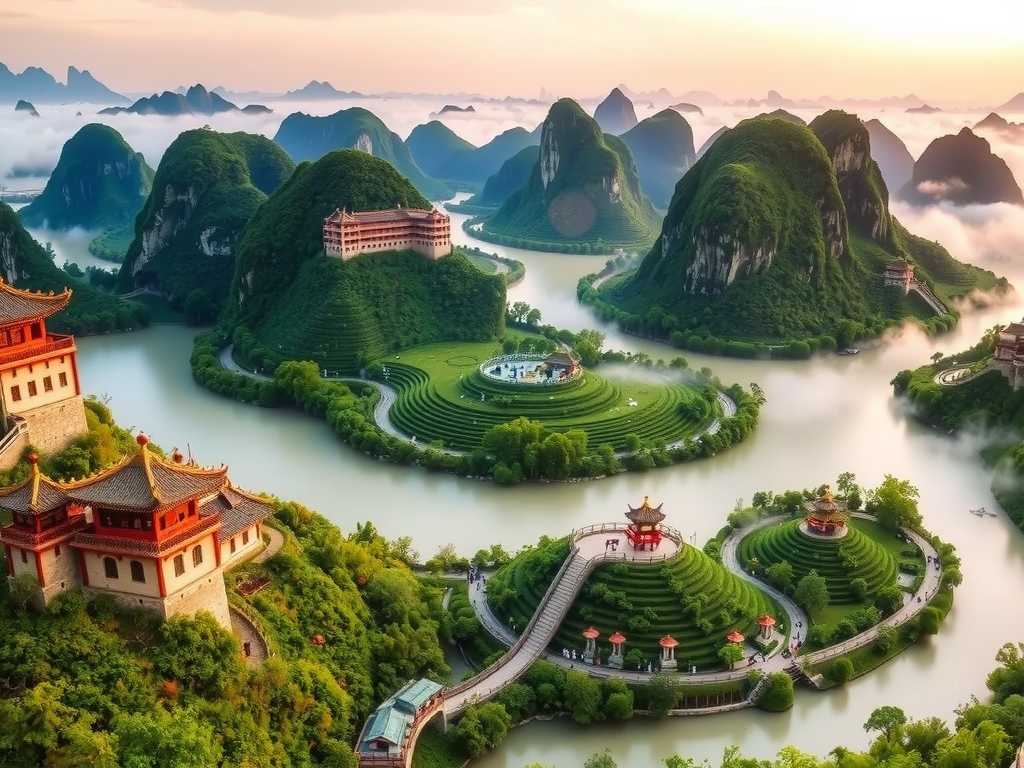
The Li River & Yangshuo Karst Mountains The journey from Guilin to Yangshuo along the Li River is the quintessential Chinese landscape painting come to life. The serene river winds past thousands of limestone karst peaks, shrouded in mist and dotted with bamboo groves. For an intimate experience, skip the large tourist boats and opt for a bamboo raft on the Yulong River or explore the countryside by bicycle. The town of Yangshuo itself has become a hub for outdoor enthusiasts, offering rock climbing, hiking, and cooking classes.
-
Zhangjiajie National Forest Park Often called the "Avatar Mountains" for its inspiration behind the film's Hallelujah Mountains, Zhangjiajie is a surreal forest of quartz-sandstone pillars. The park's glass-bottomed skywalks, like the Zhangjiajie Grand Canyon Glass Bridge, and the Bailong Elevator built into a cliff face, offer thrilling perspectives. For the best views with fewer crowds, explore the Golden Whip Stream hiking trail or venture to the adjacent Tianmen Mountain.
-
The Yellow Mountains (Huangshan) A UNESCO World Heritage Site, Huangshan is the epitome of classical Chinese mountain beauty, celebrated in countless poems and paintings. Its key attractions are the "Four Wonders": peculiarly shaped granite peaks, hot springs, sea of clouds vistas, and hardy, twisted pine trees. Sunrise from a mountaintop hotel is a bucket-list moment. Be prepared for significant stair climbing and rapidly changing weather.
Beyond the Postcards: Regional Gems
Venture off the primary tourist circuit to discover China's profound regional diversity. These scenic destinations offer deep cultural immersion alongside natural beauty.
-
Yunnan Province: From Snow Mountains to Tropical Rainforests Yunnan, in southwest China, is a microcosm of climates and cultures. In the north, the Tibetan-influenced Shangri-La region offers glimpses of snow-capped Meili Snow Mountain and the serene Potatso National Park. Further south, the ancient town of Lijiang, with its cobblestone streets and canals, sits beneath the majestic Jade Dragon Snow Mountain. Near the border with Myanmar, Xishuangbanna provides a completely different vibe with its Dai minority culture, Buddhist temples, and tropical rainforest scenery.
-
Sichuan Province: Pandas and Alpine Landscapes While Chengdu's panda bases are a major draw, Sichuan's true scenic power lies west. Jiuzhaigou Valley, a UNESCO site, is famed for its multi-colored lakes, waterfalls, and snow-capped peaks—a stunning display in autumn. Nearby Huanglong is known for its travertine terraces of turquoise pools. For adventurous trekkers, the foothills of Gongga Mountain and the Tagong grasslands offer rugged, high-altitude beauty.
-
The Silk Road in Gansu & Xinjiang This route is about the dramatic intersection of history and landscape. The rainbow-colored Zhangye Danxia Landform is a geological wonder of striped mineral hills. The Mogao Caves near Dunhuang house breathtaking Buddhist art, while just outside the city, you can climb the singing sand dunes of the Gobi Desert to watch the sunset over Crescent Moon Lake. In Xinjiang, the otherworldly rock formations of the Ghost City (Urho Windy City) and the vast beauty of Kanas Lake near the borders of Kazakhstan and Russia showcase China's remote western frontiers.

The Water Towns and Canals of Jiangnan
South of the Yangtze River, the Jiangnan region offers a softer, lyrical kind of scenery. Ancient water towns like Wuzhen, Xitang, and Zhouzhuang are crisscrossed with stone bridges and canals, lined with whitewashed houses under tiled roofs. The best time to visit is early morning or on a drizzly day, when the crowds thin and the atmosphere turns poetic. A boat ride along the canals is essential.
Practical Travel Strategies for China's Landscapes
Navigating China's vast territory requires smart planning. Here are key strategies from seasoned travel experts and industry reports, like those from the China Tourism Academy, which emphasize the growing demand for in-depth, experiential travel over simple checklist tourism.
-
Timing Your Visit: Seasons are crucial. Spring (April-May) and autumn (September-October) generally offer the most pleasant weather nationwide. However, some destinations have specific sweet spots: Jiuzhaigou is most vibrant in autumn, Harbin's ice festival is a winter wonderland, and the grasslands of Inner Mongolia are lush in summer. Always check for local holidays like Golden Week (early October), when domestic travel peaks.
-
Transportation Logistics: China's high-speed rail network is a game-changer, efficiently connecting major cities and regions. For remote scenic areas, domestic flights are often necessary. Within destinations, hiring a private driver or joining a small local tour can save immense time and hassle, especially where English signage is limited. Apps like Trip.com for bookings and Amap for navigation are indispensable.
-
Cultural and Environmental Etiquette: Respect is paramount. At sacred mountains or minority regions, dress and behave modestly. The principle of "Leave No Trace" is increasingly important. As noted by conservation groups, staying on marked paths, carrying out trash, and minimizing plastic use help preserve these fragile ecosystems for future generations.
-
Accommodation Choices: Options range from international luxury hotels in major cities to boutique guesthouses in ancient towns and basic lodges in national parks. In scenic spots like Huangshan or Jiuzhaigou, consider staying inside the park or nearby to maximize your time and catch early morning views before day-trippers arrive.
What is the best time of year to visit the Great Wall for scenery? Late spring (May) and early autumn (September to mid-October) are ideal. The weather is mild, the skies are often clear, and the surrounding hills are either lush green or adorned with autumn colors. Avoid the summer heat and crowds and the winter cold, though a snowy Wall has its own stark beauty.
Are these scenic destinations suitable for family travel with children? Absolutely, but choose wisely. Destinations with good infrastructure like the Li River cruise, the pandas in Chengdu, or the gentle water towns are excellent. For more rugged places like Zhangjiajie or high-altitude areas like parts of Yunnan and Sichuan, assess your family's fitness and acclimatization. Many parks offer cable cars to reduce strenuous hiking.
How can I travel sustainably to these natural areas? Support sustainability by choosing eco-conscious tour operators, staying in locally-owned accommodations, and respecting all park rules. Carry a reusable water bottle and refuse single-use plastics. Be mindful of your water usage, and always prioritize activities that have minimal environmental impact, ensuring these magnificent China scenic destinations remain pristine.
China's scenic diversity is not just a checklist of sites; it's an invitation to experience the profound contrasts that define this ancient land. From the silent majesty of its mountains to the gentle flow of its southern canals, each destination tells a part of China's enduring story. With thoughtful planning that considers timing, transportation, and respect for local culture and environment, your journey can move beyond sightseeing to become a truly immersive discovery. The landscape awaits, ready to reveal its layers to the prepared traveler.


发表评论