 admin
admin Breathtaking Scenery: China’s Best Attractions for Your Ultimate Travel Bucket List
Planning a trip to China can feel overwhelming. With a landmass so vast and a history spanning millennia, how do you choose where to go to witness the most breathtaking scenery? You’re searching for those picture-perfect, soul-stirring landscapes that define travel dreams—places that are not just visually stunning but rich in culture and truly unforgettable. This guide cuts through the noise to bring you China’s absolute best attractions, curated to help you experience the profound beauty and diversity of this incredible country.
From the iconic panoramas that grace postcards to hidden gems off the beaten path, we’ll navigate the must-see destinations that showcase why China’s landscapes are in a league of their own.
The Iconic Wonders: China’s World-Famous Landscapes
These are the landmarks that have captivated global imagination for generations. They are essential viewing for any first-time visitor and remain awe-inspiring for seasoned travelers.
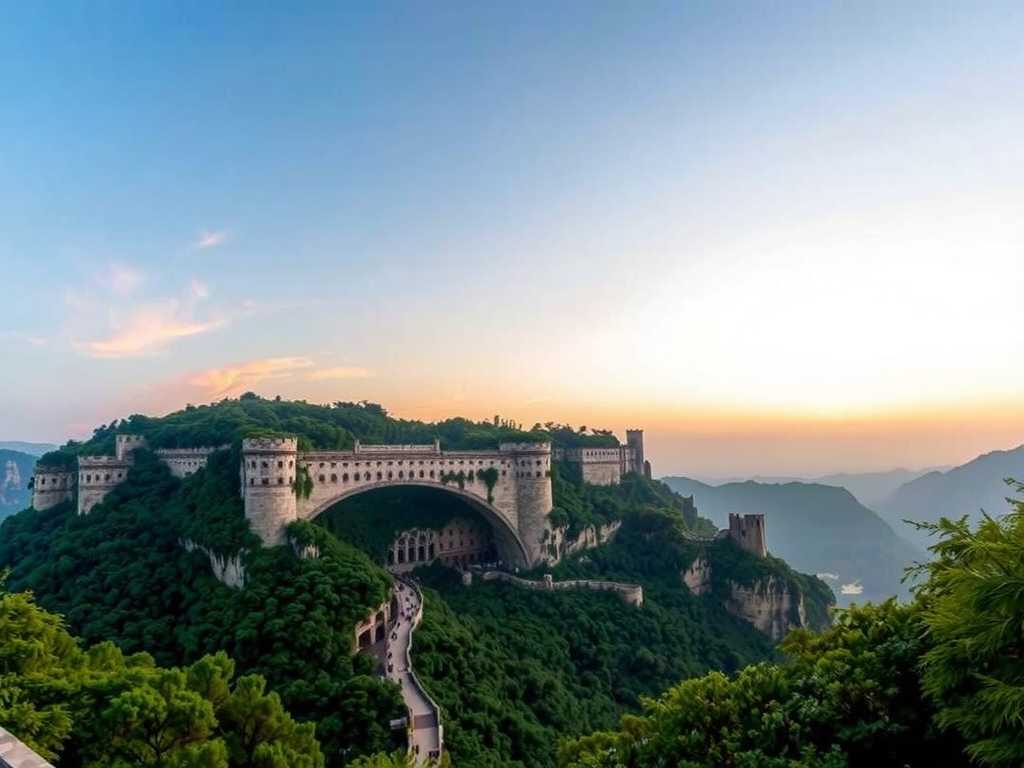
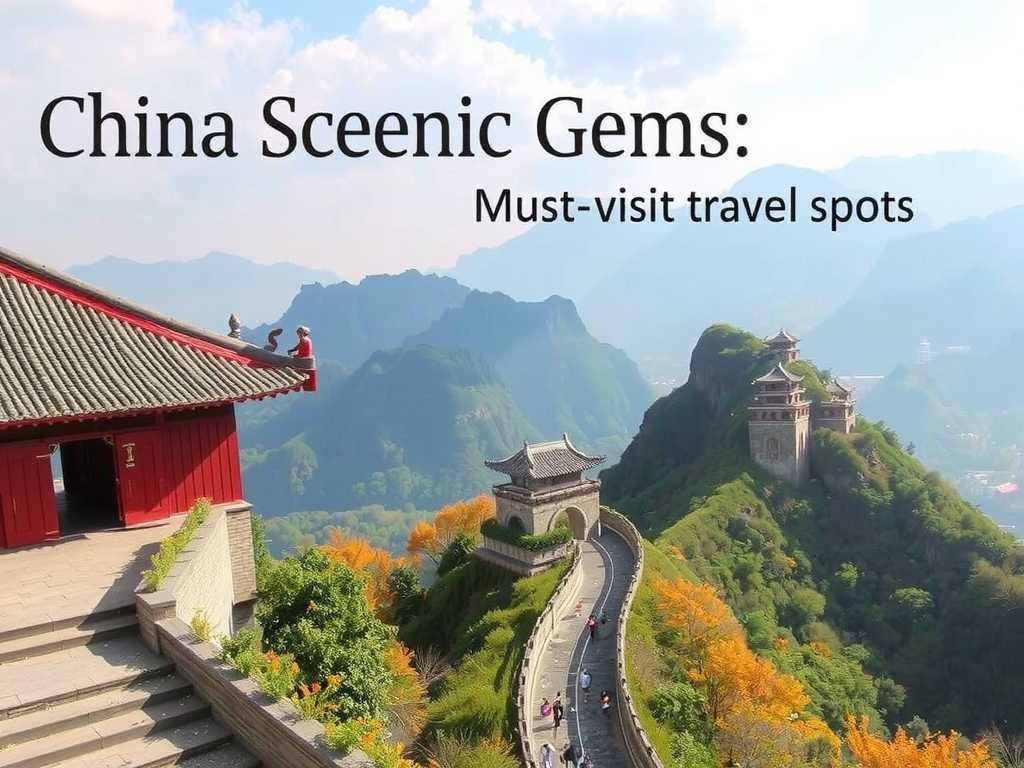
The Great Wall: A Dragon Across Mountains Snaking over 13,000 miles across rugged ridges, the Great Wall is more than a monument; it’s a breathtaking feat of engineering set against dramatic scenery. The view from the wall is a dual spectacle: the architectural marvel itself and the endless rolling mountains of northern China. For the most scenic and photographable sections, experts like those from the China National Tourism Administration often recommend Mutianyu for its forested vistas and Jinshanling for its classic, unrestored grandeur. Avoid the most crowded sections if you seek a moment of quiet awe.
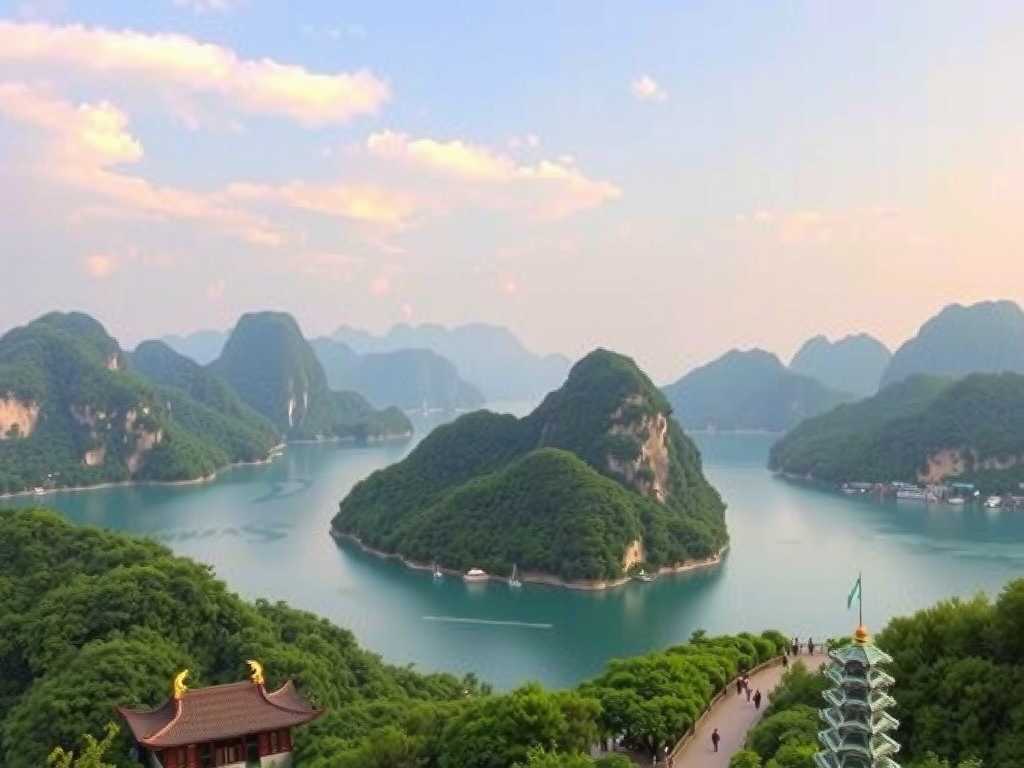
The Li River & Karst Peaks of Guilin The poetic landscape of Guilin and Yangshuo is the classic Chinese painting come to life. The breathtaking scenery here is defined by the serene Li River, flanked by thousands of limestone karst pillars shrouded in mist. A leisurely cruise from Guilin to Yangshuo is the quintessential experience. As noted by renowned travel photographer Peter Adams, "The misty peaks of the Li River present a ever-changing play of light and shadow, offering a new masterpiece at every bend." For an active adventure, rent a bamboo raft or cycle through the picturesque countryside paths dotted with rice paddies.
The Terracotta Army: An Underground Majesty While not a natural landscape, the Terracotta Army in Xi’an presents a breathtaking scenery of human artistry and historical scale. Standing before the vast pits containing thousands of life-sized, uniquely detailed warriors and horses is a profoundly moving experience. The sheer scale and meticulous craftsmanship, buried for over two millennia, offer a stunning window into the ambition of China’s first emperor.
Nature’s Masterpieces: China’s Diverse Natural Splendors
Beyond the man-made icons, China’s geographical diversity creates some of the planet’s most spectacular natural attractions.
Zhangjiajie National Forest Park: The Avatar Mountains Imagine towering sandstone pillars, some over 1,000 meters high, rising from a sea of subtropical greenery. This is Zhangjiajie in Hunan Province, the real-world inspiration for the floating Hallelujah Mountains in the film Avatar. Walk across the thrilling glass-bottomed Zhangjiajie Grand Canyon Bridge or ride the Bailong Elevator—the world’s tallest outdoor lift—for panoramic views that defy belief. The park’s unique quartz-sandstone formations, a result of millions of years of physical erosion, create a breathtaking scenery that feels otherworldly.
Jiuzhaigou Valley: A Fairyland of Color Located in Sichuan Province, Jiuzhaigou Valley is a UNESCO site famed for its crystal-clear, multi-colored lakes, cascading waterfalls, and snow-capped peaks. The water’s stunning turquoise, blue, and green hues are caused by high mineral content and aquatic plant life. Visit in autumn when the valley transforms into a fiery canvas of red, gold, and orange foliage mirrored perfectly in the pristine waters. It’s a pristine example of nature’s delicate artistry.
The Yellow Mountains (Huangshan): Sea of Clouds and Pines Huangshan is the quintessential Chinese mountain, celebrated in countless poems and ink paintings. Its breathtaking scenery is defined by four wonders: peculiarly shaped granite peaks, hardy pine trees growing from rock crevices, hot springs, and the most famous—a mesmerizing "sea of clouds" that envelops the peaks. Hiking at dawn to witness the sunrise over this cloud ocean is a transformative experience. The challenging trails and cable car rides all lead to vistas that have inspired artists for centuries.
Cultural Landscapes: Where History Meets Nature
Some of China’s most compelling views are born from the harmonious interplay between human culture and the natural environment.
The Rice Terraces of Longsheng The Longji (Dragon’s Backbone) Rice Terraces in Longsheng are a stunning testament to human ingenuity. Carved into steep mountainsides by the Zhuang and Yao peoples over 500 years ago, these terraces create sweeping, rhythmic curves that change with the seasons. In spring, they are filled with reflective water; in summer, they are vibrant green; and in autumn, they turn a golden yellow. The sight of these terraces layered across entire mountainsides is a powerful blend of agricultural tradition and natural beauty.
West Lake, Hangzhou: A Poetic Classic Celebrated as a model of classical Chinese garden design, West Lake’s beauty is subtle, poetic, and meticulously composed. Pagodas, causeways, willow trees, and lotus ponds are arranged around the lake to create "borrowed scenery," where distant hills become part of the garden’s canvas. Take a leisurely boat to the mid-lake islands or stroll along the Su Causeway at dusk. As the ancient saying goes, "Above is heaven, below are Suzhou and Hangzhou." This landscape embodies a deep philosophical ideal of harmony.
Potala Palace, Lhasa: A Palace in the Sky Perched atop Marpo Ri hill at an altitude of 3,700 meters, the majestic Potala Palace dominates the skyline of Lhasa. This architectural wonder, the former winter palace of the Dalai Lamas, appears to grow organically from the rock. The stark, high-altitude backdrop of the Tibetan plateau and deep blue skies make the palace’s white and red facades appear even more dramatic and spiritually potent. It is a breathtaking scenery that symbolizes the heart of Tibetan Buddhism.
Planning Your Journey to China’s Best Attractions
To fully enjoy these destinations, consider these practical tips. First, timing is crucial. Spring (April-May) and autumn (September-October) generally offer the most pleasant weather and vibrant colors. Second, for popular sites like the Great Wall or Zhangjiajie, aim to visit on weekdays and arrive early to avoid the largest crowds. Finally, consider engaging a local guide at historical sites; their expertise, as highlighted in many traveler reviews, can deeply enrich your understanding of the cultural context behind the views.
Frequently Asked Questions
What is the single most scenic place in China? While subjective, the Li River and Karst landscape of Guilin is often considered the most quintessentially and poetically "Chinese" scenery, immortalized in art for centuries. For sheer dramatic and unique geology, Zhangjiajie National Forest Park is unsurpassed.
How many days do I need to see China’s top attractions? China is vast. A focused trip covering 3-4 major regions (e.g., Beijing-Xi’an, Shanghai-Guilin, or a Sichuan nature circuit) typically requires a minimum of 10-14 days to appreciate without being rushed.
Is it difficult to travel between these scenic spots? Major attractions are well-connected by China’s extensive high-speed rail network and domestic flights. The rail system, in particular, is efficient and offers a great way to see the countryside. Planning and booking tickets in advance, especially during holidays, is highly recommended.
From the ancient stone dragon of the Great Wall to the ethereal peaks of Zhangjiajie, the breathtaking scenery found across China offers a journey through both profound natural beauty and deep cultural history. Each destination presents a unique chapter in the story of this vast land—whether it’s the serene harmony of a classical garden or the raw, powerful spectacle of a mountain range. By venturing to these best attractions, you don’t just see a landscape; you experience the very essence that has shaped Chinese civilization and continues to inspire wonder in every visitor. Your adventure into the picture awaits.

发表评论